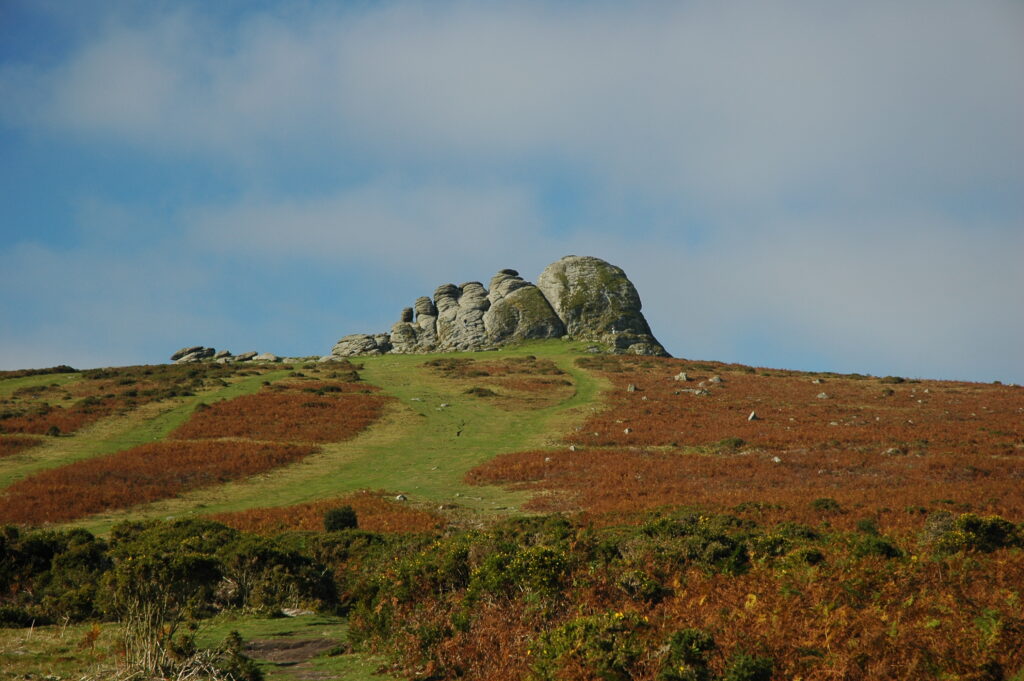
Dartmoor is a landscape of granite heights, weathered myths and traces of very early settlement, where a simple walk can pass from wide open views to stone circles older than history books. For guests planning time here, the real pleasure lies in understanding how the tors, prehistoric sites and shifting moorland weather belong to one distinctive whole.
Places to Stay in Devon
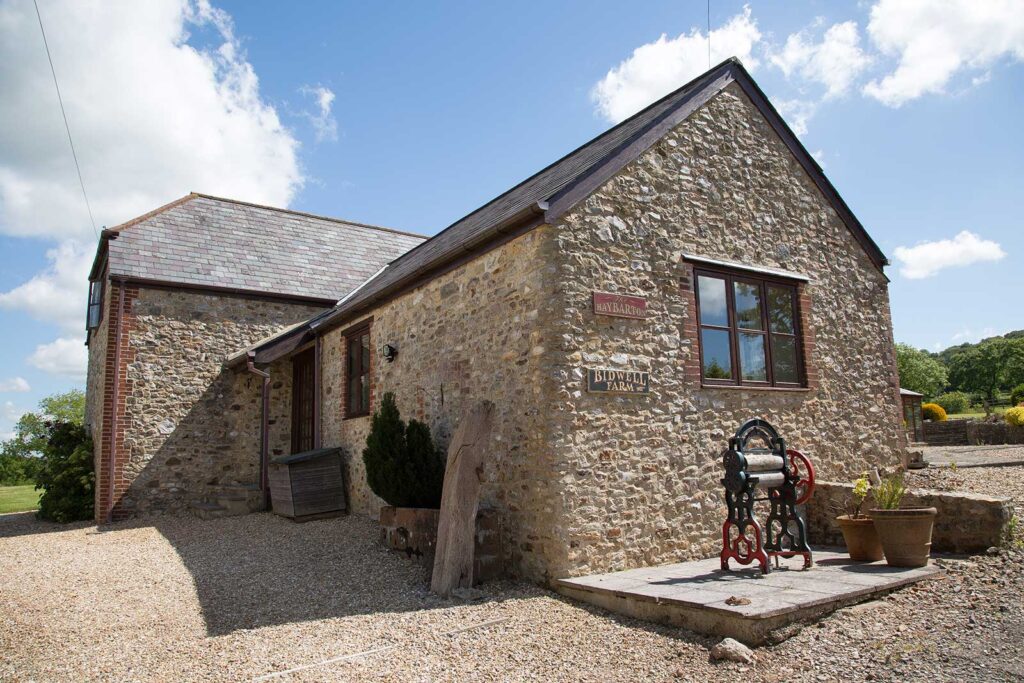
Bidwell Farm
A thoughtfully restored former hay store on a long-loved East Devon farm, with generous interiors, far-reaching rural views and the easy warmth of a…
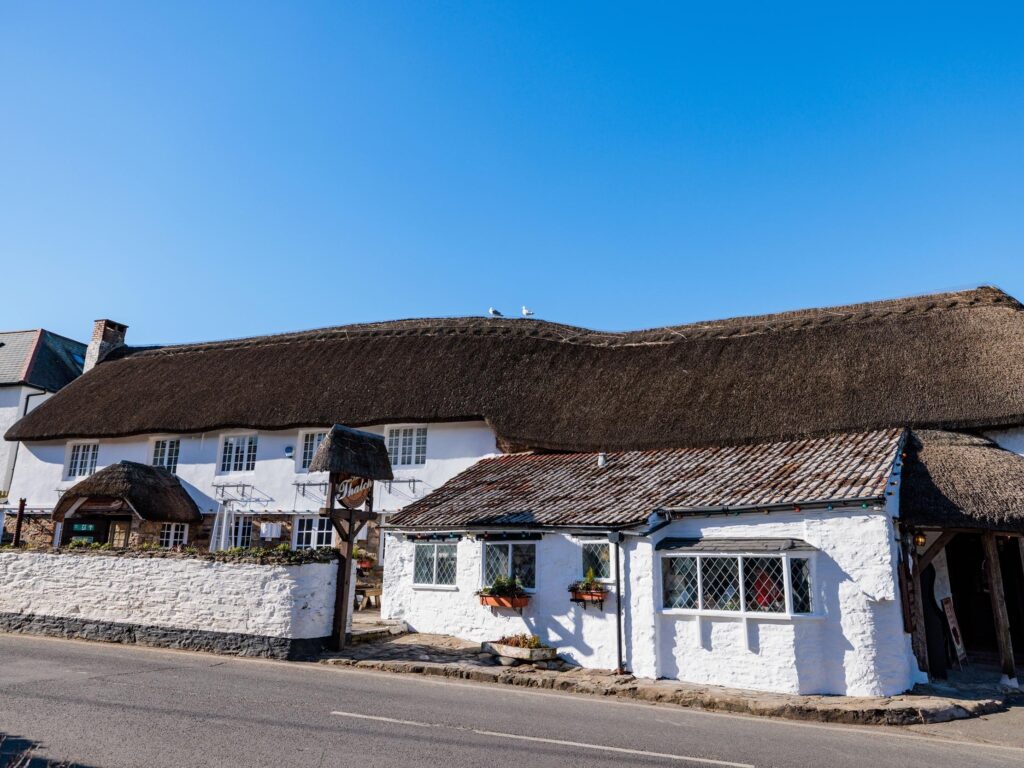
Croyde Beach Breaks
For mornings shaped by surf, sand and sea air, these design-led cabins in Croyde bring together easy beach living, strong interiors and a walk-everywhere…
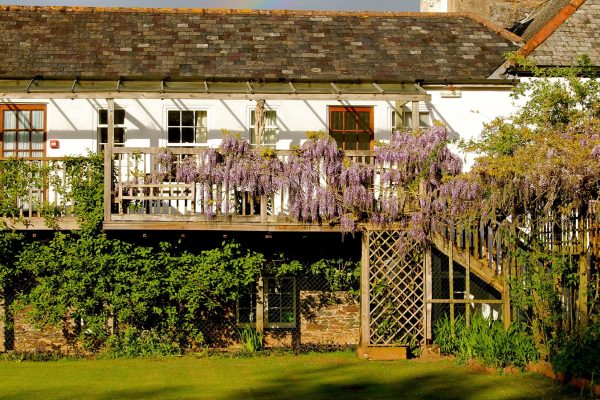
Fingals
An unusual retreat near Dittisham, where a glassy, streamside hideaway brings together birdsong, soft light and a strong sense of escape in South Devon.
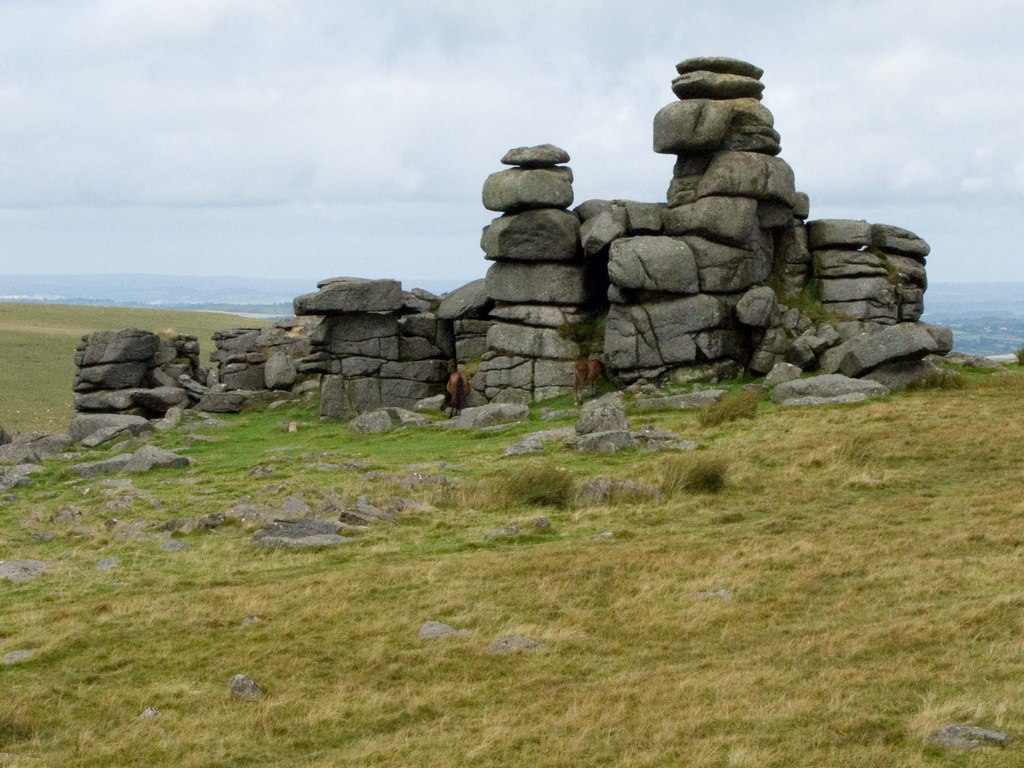
To understand Dartmoor, it helps to begin with the tor. These are the exposed granite outcrops that rise from the moor in stacks, ridges and scattered boulders, shaped over immense stretches of time by weather and erosion. They give the national park its unmistakable profile. Some look like ruined fortresses, others like cairns assembled by a giant hand, and nearly all draw the eye from far across the open ground. In changing weather, the outline of a tor can sharpen suddenly, then soften again as mist moves through the valley below.
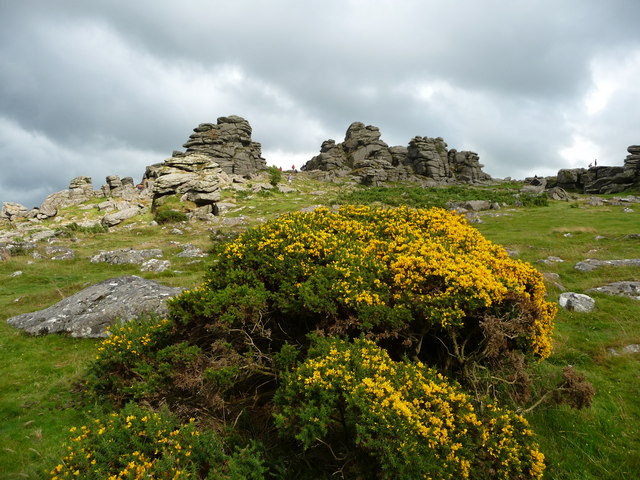
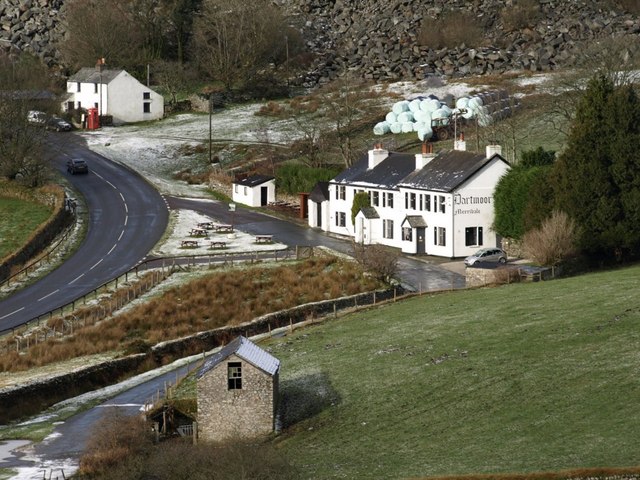
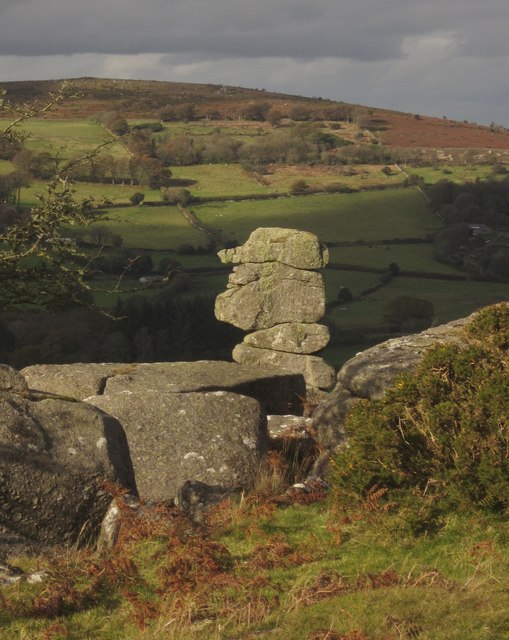
Among the Dartmoor tors worth knowing, Haytor is often the natural starting point. It is one of the most recognisable and one of the easiest to reach, with a broad, rewarding sense of scale and views that help first-time visitors read the shape of the moor. Hound Tor, not far away, has a more rugged presence and sits close to the deserted medieval village below, making it especially good for travellers who want landscape and history in one outing. For a quieter sense of grandeur, Bowerman’s Nose and Great Staple Tor are hard to beat, their weathered granite forms feeling both theatrical and entirely at home in the land around them.
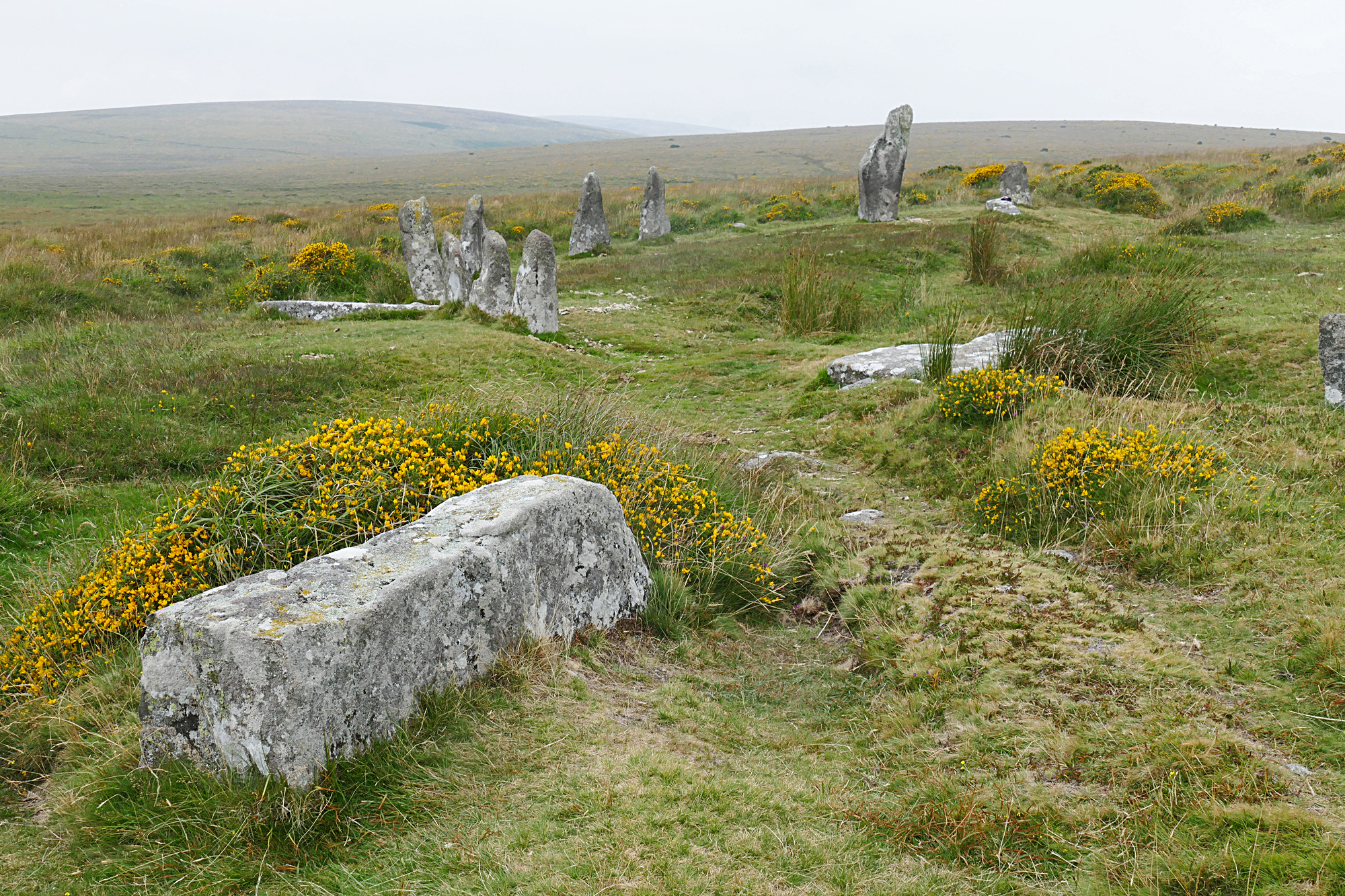
Dartmoor’s fascination goes well beyond its skyline. The moor holds one of the richest prehistoric landscapes in Britain, and this is what often turns a scenic day out into something more memorable. At Merrivale, close to Princetown, stone rows, standing stones and the remains of ceremonial monuments sit in open grassland beside the road, easy to reach yet still quietly affecting. Scorhill Stone Circle, on the northern moor, feels more remote, with its ring of stones set against a wide, spare backdrop. These are not ornamental ruins but part of an ancient lived landscape, built for purposes still partly uncertain.
“On Dartmoor, granite tors and stone rows make scenery feel like archaeology.”
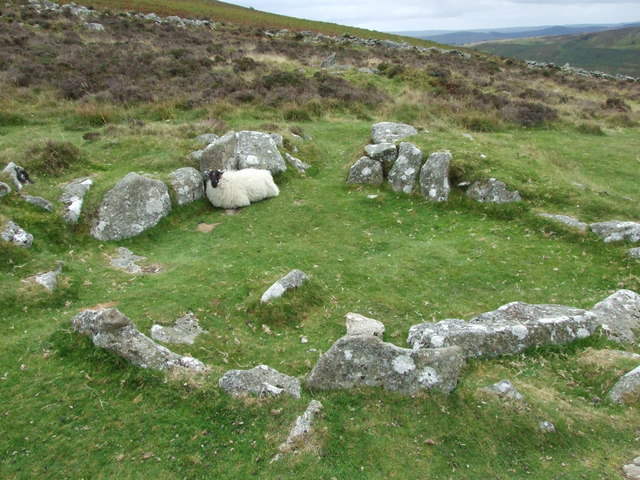
There are later layers too. Grimspound, a late Bronze Age enclosed settlement, is one of the clearest places to picture domestic life on Dartmoor thousands of years ago. Nearby hut circles and boundary walls suggest a moor that was worked, inhabited and understood in practical as well as spiritual ways. The abandoned medieval farming settlement below Hound Tor offers another shift in time, a reminder that Dartmoor has long demanded resilience from the people who tried to make a life on its edges and uplands.
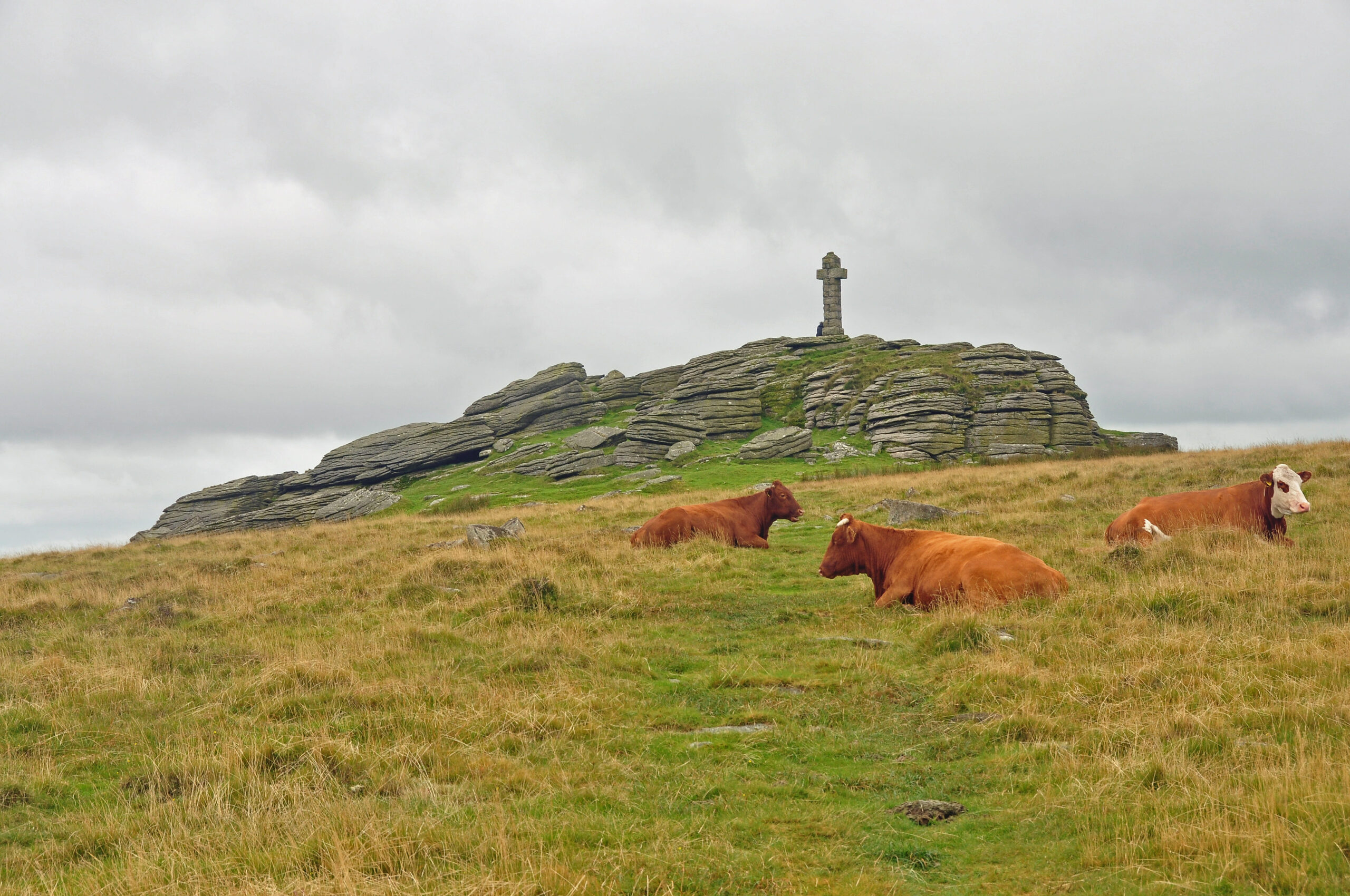
That long history helps explain the local legends. The Devil is said to have his own spectral hounds here, and certain tors and crosses carry stories of ghosts, pixies and misdirection on the open moor. Even without leaning too heavily on folklore, Dartmoor has a character that invites it. Light moves quickly. A patch of sun can illuminate one ridge while the next is under rain. In smaller villages and moorland towns, the day often quietens early, and once beyond the main roads the sense of space becomes strikingly complete.
“Mist, myth and abandoned settlements give Dartmoor a drama older than its roads.”
For many guests, the most rewarding approach is to choose two or three iconic sites rather than rushing across the whole park. Haytor and Hound Tor make a strong pairing, while Merrivale and Grimspound offer a particularly rich introduction to Dartmoor’s ancient past. Good footwear matters, as underfoot conditions can shift from dry grass to boggy ground in a short distance, and weather can change quickly at any season. Paths are not always obvious, livestock graze freely and some areas are archaeologically sensitive, so it is worth sticking to established routes and leaving stones, walls and monuments undisturbed.
Dartmoor suits travellers who like their landscapes with substance: not simply beautiful views, but places shaped by geology, weather, labour and belief. The tors are the landmarks people remember, yet it is the conversation between those granite heights and the older traces around them that makes the moor distinctive, and worth approaching with time to look properly.
Useful Links
Tourist Information
English Heritage
Frequently Asked Questions
What is a tor on Dartmoor?
A tor is an exposed granite outcrop shaped by weather and erosion over a very long period. They appear as stacks, ridges or scattered boulders rising from the moor, and they give Dartmoor much of its distinctive skyline. Many are easy to recognise from a distance and make natural landmarks for walks.
Which Dartmoor tors are best for a first visit?
Haytor is often the easiest introduction, with broad views and straightforward access. Hound Tor is another good choice if you would like a more rugged setting and the chance to combine a walk with nearby historic remains. If you prefer somewhere quieter, Great Staple Tor or Bowerman’s Nose can feel more remote and atmospheric.
Where can I see prehistoric sites on Dartmoor?
Merrivale is one of the simplest places to begin, with stone rows, standing stones and ceremonial remains in open moorland. Scorhill Stone Circle offers a more remote feel on the northern moor. Grimspound is especially useful for understanding settlement as well as ritual, with hut circles and enclosure walls still visible.
Can I combine tors and ancient sites in one day?
Yes, and it often makes for a more satisfying day than trying to cover too much ground. Haytor and Hound Tor work well together if you want dramatic granite scenery and medieval remains. Merrivale and Grimspound are a strong pairing if your main interest is Dartmoor’s prehistoric landscape.
Are Dartmoor tors and ancient monuments suitable for casual walkers?
Many of the better-known sites are manageable for casual walkers, but conditions can change quickly. Ground that looks easy from a distance may be rocky, uneven or boggy, and paths are not always obvious. Sturdy footwear is sensible, and it is best to choose a small number of sites rather than planning an over-ambitious route.
What should I bring for a day exploring Dartmoor?
Good walking shoes or boots are important, as the ground can shift from dry grass to wet patches quite quickly. Layers and waterproof clothing are wise in any season because weather moves fast across the moor. A map or reliable navigation app is helpful too, especially where paths are faint or visibility starts to close in.
How should I visit Dartmoor’s archaeological sites responsibly?
Stick to established routes where possible and avoid climbing on walls, standing stones or hut circles. These places are fragile as well as ancient, and even small disturbances can cause damage over time. Leave stones where they are, keep clear of grazing livestock, and treat the monuments as part of a living landscape rather than isolated ruins.
Is Dartmoor a good place to experience local legends and atmosphere?
Very much so. Dartmoor has a long tradition of stories about spectral hounds, pixies, ghosts and travellers led astray on the open moor. Even without seeking out folklore in detail, the fast-changing light, sudden mist and wide empty spaces give many tors and crosses a distinctly dramatic character, especially later in the day.