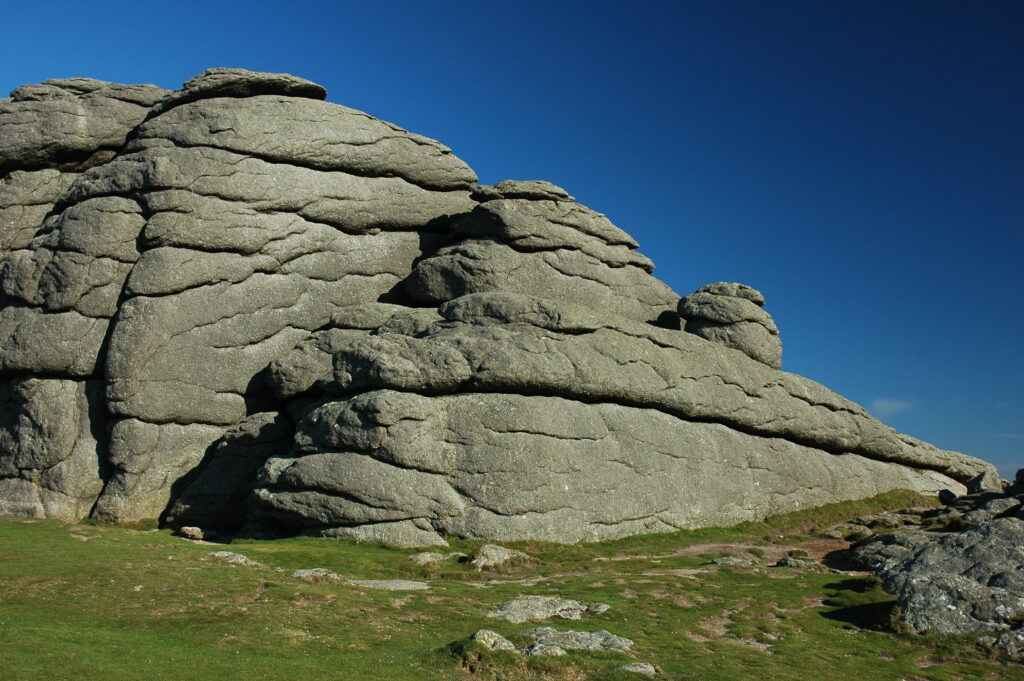
From broad granite ridges to wooded river valleys, the finest walks in Dartmoor vary hugely in character. This short guide focuses on five routes that give a strong sense of the national park, with clear notes on effort, scenery and what to know before setting out.
Choosing a walk in Dartmoor
Some walks in Dartmoor are all about high, open ground and tors; others follow rivers through oak woodland or take in prehistoric sites and wide moorland views. Weather can change quickly here. A route that feels straightforward in sunshine can become slower in mist, wind or rain, so it helps to match the walk not just to distance, but to confidence underfoot.
1. Hound Tor and Haytor
For a classic first taste of Dartmoor, this is hard to beat. The route between Hound Tor and Haytor brings together open moor, granite stacks and far-reaching views, with a landscape that feels spacious from the outset. It suits first-time visitors, older children and anyone wanting a half-day walk with recognisable Dartmoor character.
In plain terms, effort is moderate: expect uneven ground and some steady climbing, but nothing too technical in dry conditions. Start from Haytor or Hound Tor car park. Nearby tip: the village of Widecombe-in-the-Moor is worth a detour for a late lunch or a look around its handsome church.
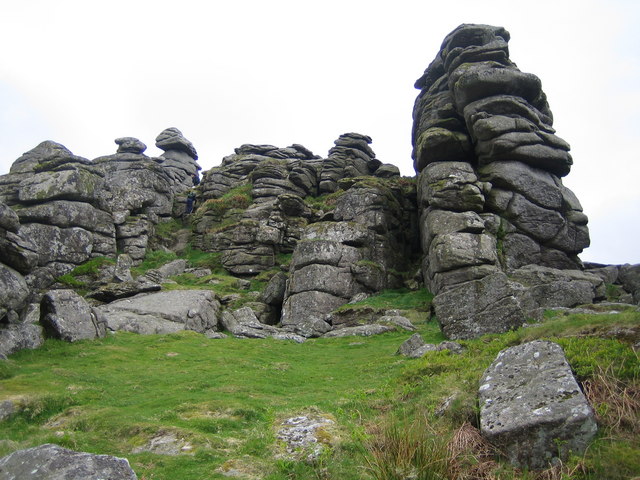
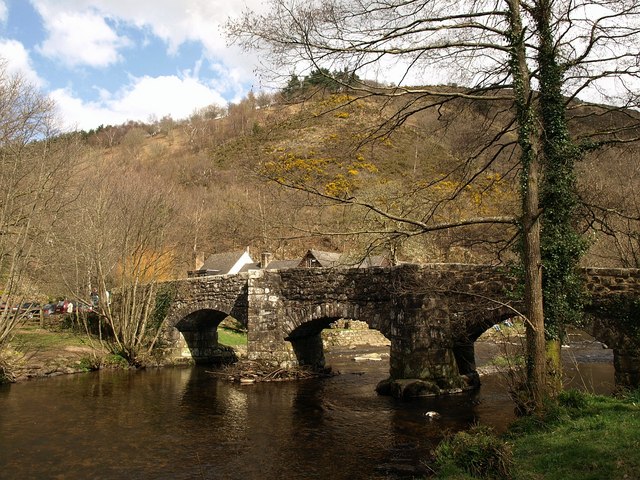
“Dartmoor shifts from granite skyline to oak-shaded riverbank within a single afternoon.”
2. Fingle Bridge and Castle Drogo
This is one of the gentler walks in Dartmoor, and a good choice for guests who prefer woodland and rivers to exposed moorland. The Teign Valley is greener, more sheltered and especially appealing on bright days when the river moves quietly below the trees. The light shifts quickly here beneath the oak canopy, and paths can stay damp after rain.
Effort is moderate rather than easy, with some climbs if combining the river path with Castle Drogo. Parking is available at Fingle Bridge or Castle Drogo. Nearby tip: if time allows, the National Trust estate adds a very good tea stop and a different view of the valley.
3. Bellever Forest to Laughter Tor
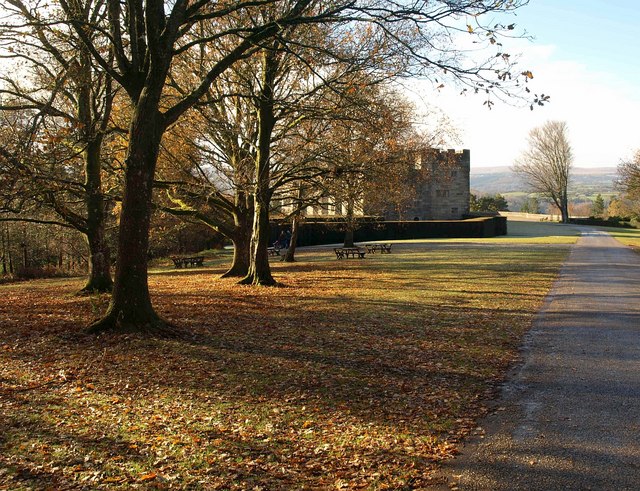
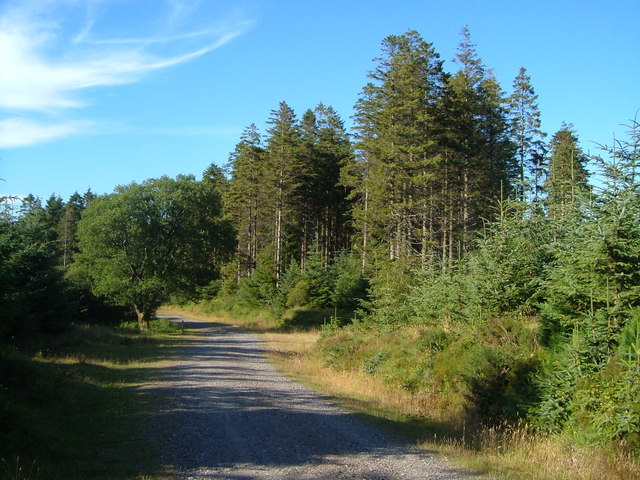
This walk suits mixed-ability groups wanting a manageable moorland outing. Starting near Postbridge, it begins with woodland and river scenery before opening out towards granite outcrops and quieter moor. It is a useful introduction for guests not quite ready for a bigger high-moor route.
Effort is easy to moderate, depending on how far the loop is extended. Paths can be boggy in places, especially after wet weather. Nearby tip: the clapper bridge at Postbridge is worth seeing before or after the walk.
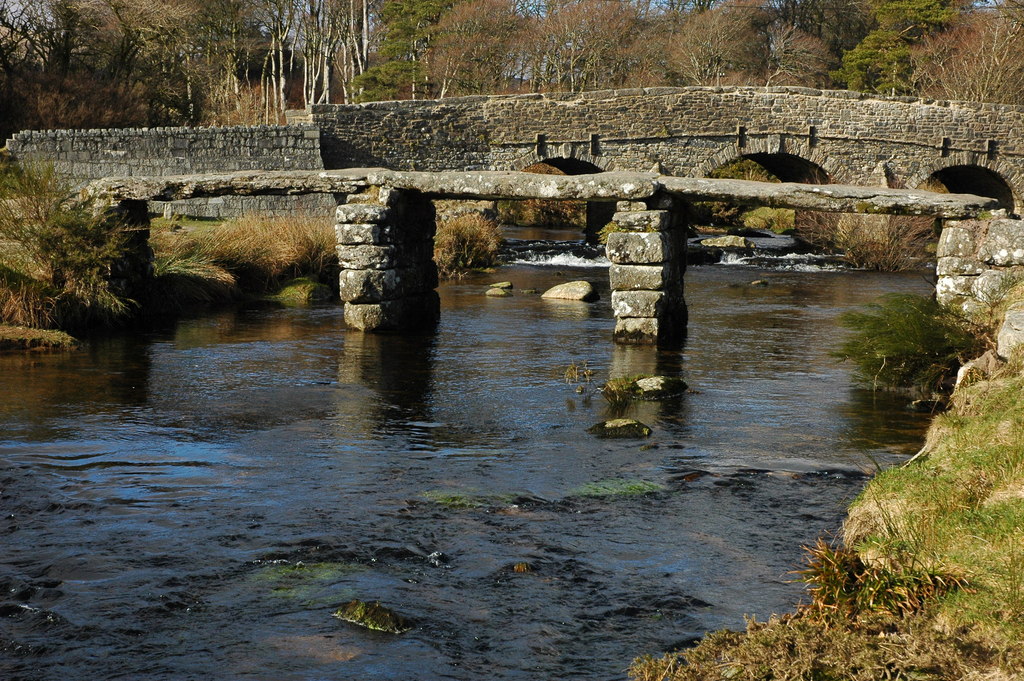
“Between clapper bridges and tors, Dartmoor feels shaped by weather, stone and memory.”
4. Burrator Reservoir and Sheepstor
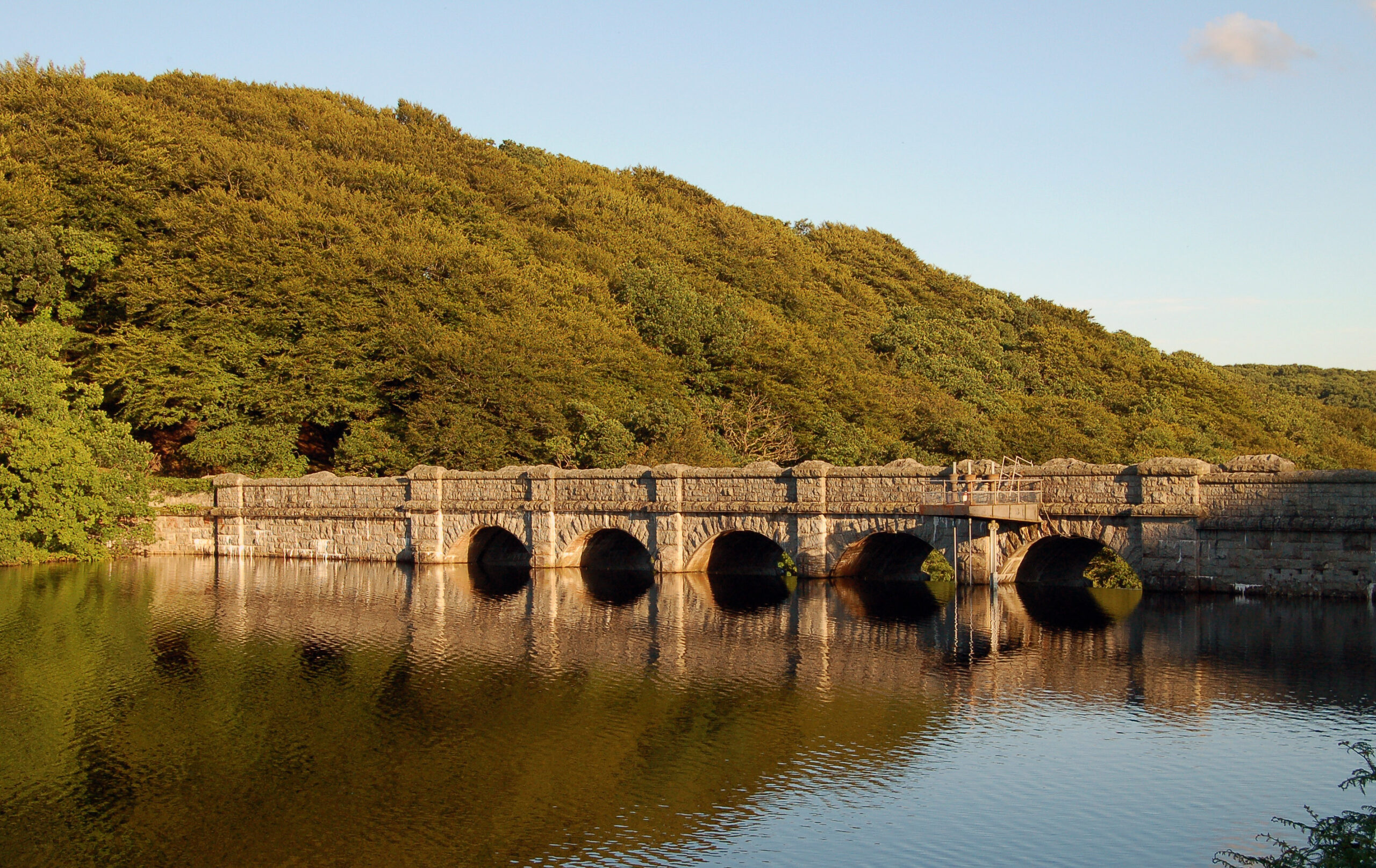
For a circular walk with variety, this would be worth prioritising. The reservoir gives a calm starting point, then the route can be extended towards Sheepstor for a more rugged feel. It suits couples, steady walkers and families with older children who want a full but not overlong outing.
Effort is moderate, with some steeper sections around Sheepstor. Parking is straightforward at the reservoir. Nearby tip: Meavy is a charming village for a pub stop afterwards.
5. Meldon Reservoir and Black Tor
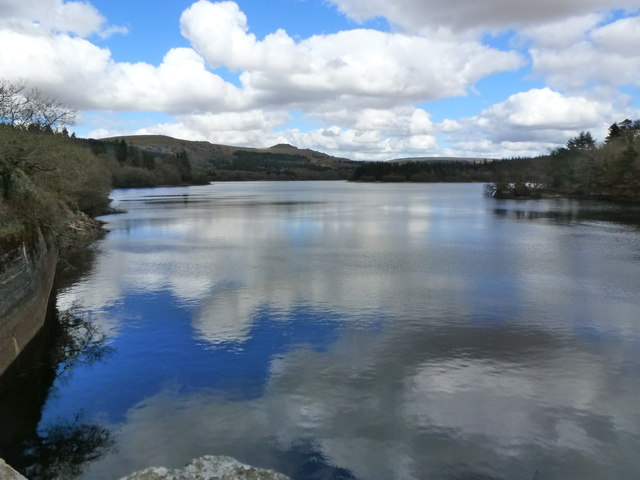
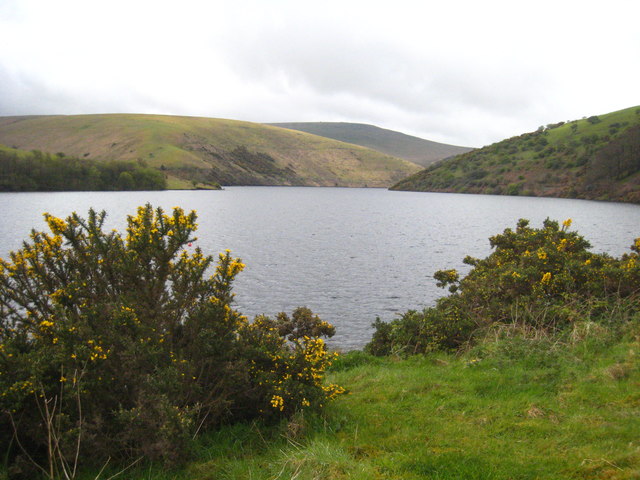
This is for walkers wanting a wilder edge to their Dartmoor day. The reservoir sits beneath higher, rougher ground, and the route towards Black Tor feels more exposed and dramatic than the gentler valley walks. Low cloud can move across quickly here, sometimes softening the ridgeline within minutes.
Effort is moderate to fairly demanding, depending on distance and conditions. Sturdy footwear is sensible, and extra care is needed in poor visibility. Nearby tip: Okehampton is close by for supplies, coffee or a straightforward post-walk meal.
A few useful safety notes
Mobile signal is patchy in places, and some car parks are remote. Take a paper map or reliable offline mapping, carry an extra layer, and keep an eye on the forecast before choosing higher ground. Livestock and free-roaming ponies are part of the moor; give them space and keep dogs under close control.
For many guests, a good plan is one tors walk, one riverside route and one easier circuit. That combination shows just how varied Dartmoor can be without trying to do too much in a single day.
Useful Links
Tourist Information
National Trust
Local Council
Frequently Asked Questions
Which walk is best for a first visit to Dartmoor?
Hound Tor and Haytor is often the easiest place to start if you want a classic Dartmoor feel. You get open moorland, striking granite tors and wide views without committing to a very long day. It suits reasonably active walkers, including families with older children, provided conditions are fair.
Are any of these Dartmoor walks suitable for less confident walkers?
Yes. Fingle Bridge and Castle Drogo is a good option if you prefer more sheltered valley scenery and clearer riverside paths. Bellever Forest to Laughter Tor also works well for mixed-ability groups, especially if you keep to a shorter loop. Even on easier routes, expect uneven ground and occasional muddy sections.
Which walk is the most challenging?
Meldon Reservoir and Black Tor usually feels the wildest and most demanding of the five, particularly in poor weather or if you extend the route onto higher ground. It is more exposed than the wooded or reservoir walks, so sturdy footwear, sound navigation and extra care in mist or wind are advisable.
What should I wear and carry for walking in Dartmoor?
Sturdy walking shoes or boots are sensible for all five routes, as paths can be rocky, wet or boggy. Take a waterproof layer, something warm and a drink, even on a shorter outing. A paper map or reliable offline mapping is worth having, as mobile signal can be patchy away from villages.
Can I walk these routes with children or a dog?
Some are better suited than others. Hound Tor and Haytor, Bellever Forest, and parts of Burrator Reservoir can work well for older children who are used to walking on uneven ground. Dogs are fine in many areas, but they should be kept under close control because of livestock and Dartmoor’s free-roaming ponies.
When is the best time of year to go walking in Dartmoor?
Spring to early autumn often gives the most straightforward conditions, with longer daylight and generally drier ground, though Dartmoor weather can change very quickly at any time of year. Winter walks can be beautiful but often feel more serious because of mud, wind, low cloud and shorter days.
Continue Exploring Dartmoor
More Places to Stay
3 Trees Glamping
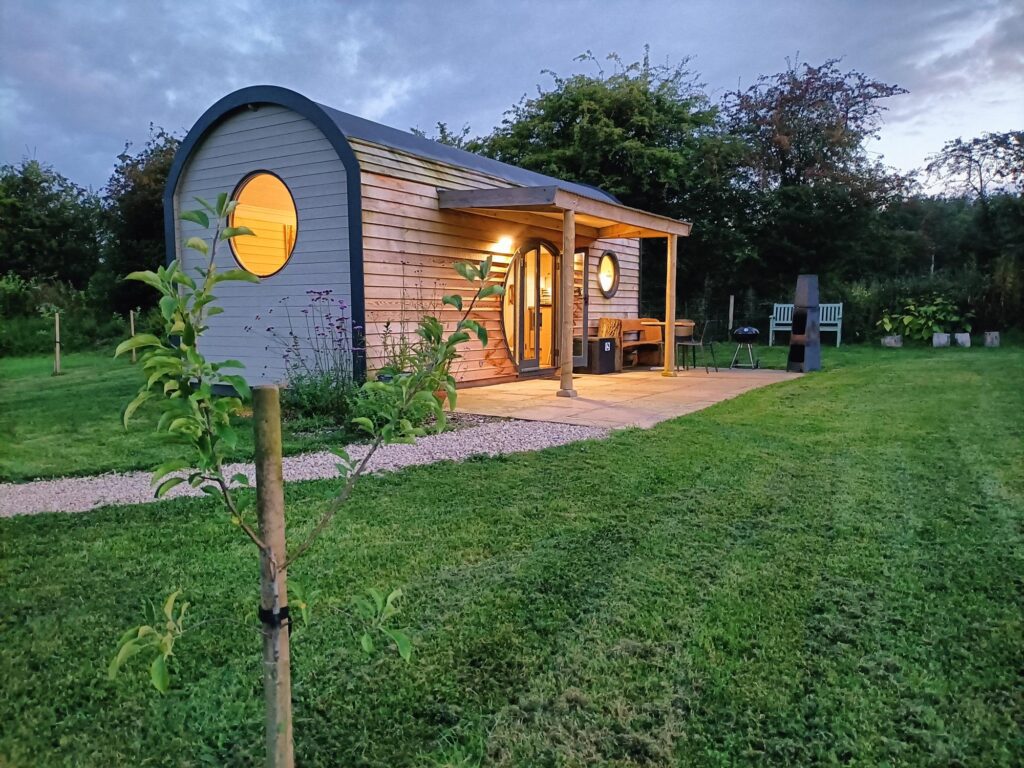
A small, quietly tucked-away glamping site on the edge of Wirksworth, with woodland-and-field surroundings, alpacas in the background and footpaths leading straight into the…
View property →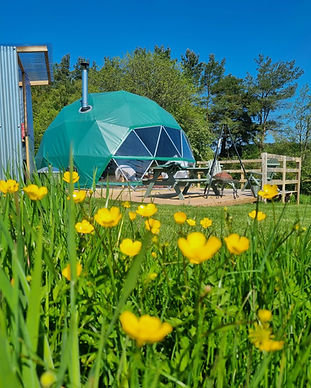
Aber Glamping
A secluded farm stay in the Brecon Beacons, where geo domes and pods look towards Pen y Fan and dark skies make the nights…
View property →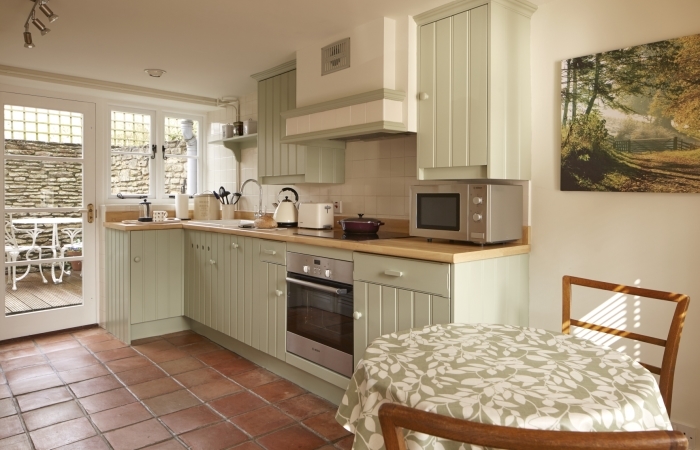
Angel Cottage
A stone cottage in Tetbury’s old heart, well placed for long wanders, antique-shop afternoons and easy forays into the softer, greener corners of the…
View property →