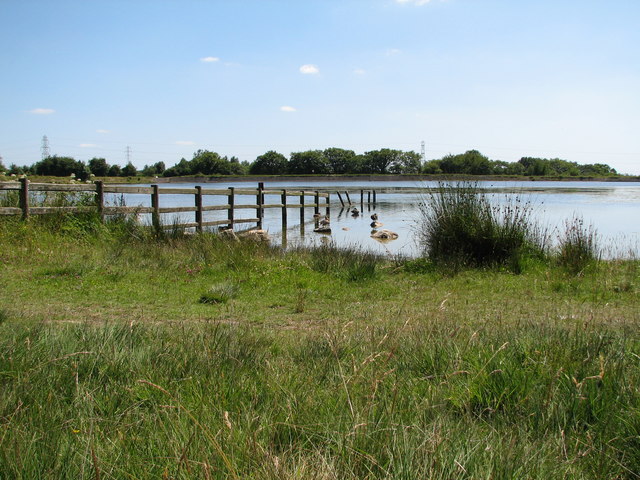
This Brecon Beacons guide is an introduction to one of Wales’s most varied landscapes: a national park of high ridges, reservoir valleys, market towns, cave systems and dark skies, with enough room for ambitious walking, gentle weekends and quietly restorative stays.
Places to Stay in Brecon Beacons
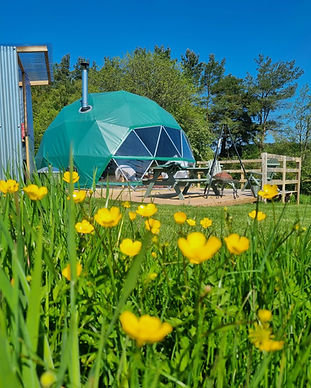
Aber Glamping
A secluded farm stay in the Brecon Beacons, where geo domes and pods look towards Pen y Fan and dark skies make the nights…
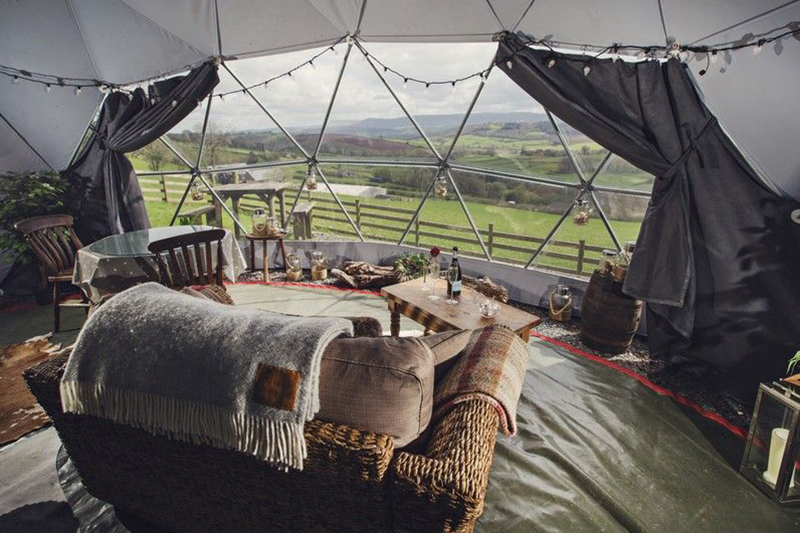
Argoed Barns
A luxurious barn stay in the Brecon Beacons, where big skies, dark nights and far-reaching views make it easy to settle into the slower…
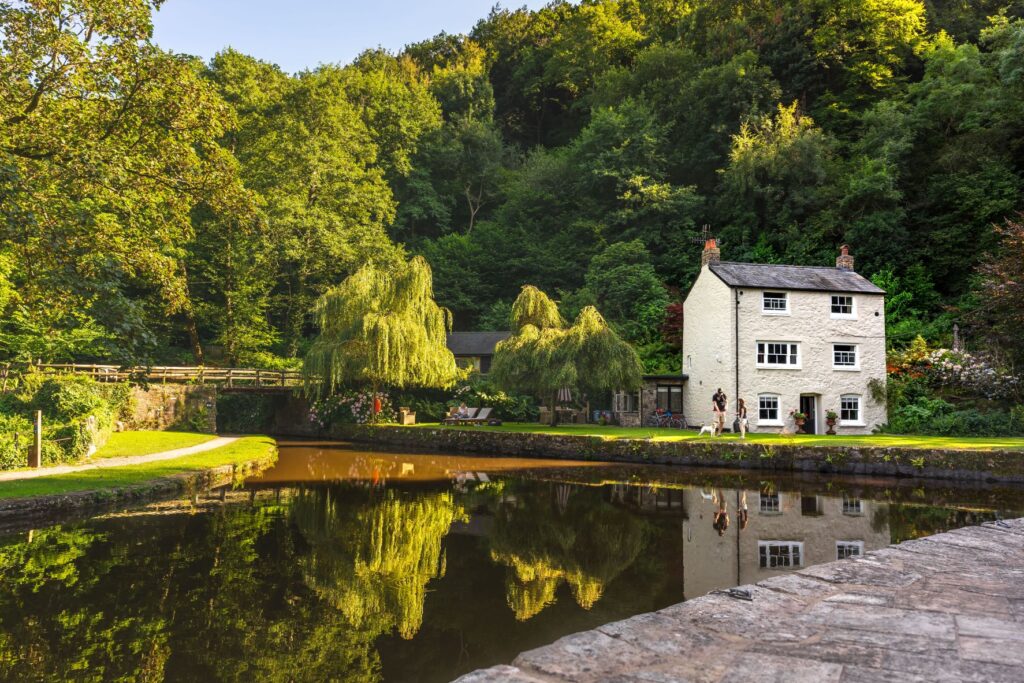
Beacon Park Cottages
A handsome former canal-side manager’s cottage with mountain views, terraced gardens and a quietly historic feel, well placed for days in the Brecon Beacons…
Why visit
The Brecon Beacons, now officially known as Bannau Brycheiniog, has long been one of the great short-break landscapes of Britain. People come for the peaks, naturally, but the wider appeal is in the range of experiences packed into a relatively compact area. There are broad mountain views, old market towns, waterfalls hidden in wooded valleys, ancient castles, sheep-dotted common land and some of the darkest night skies in the UK.
It suits different kinds of holiday unusually well. Walkers can spend days on exposed ridgelines and still leave with more routes to try. Families have caves, reservoirs, easy trails and pony trekking. Couples looking for a slower reset can build a weekend around village pubs, scenic drives and long afternoons outdoors. The light changes quickly here: one hillside can sit under low cloud while the next catches a sudden band of sun, and that shifting weather is part of the place rather than an inconvenience.
Where it is
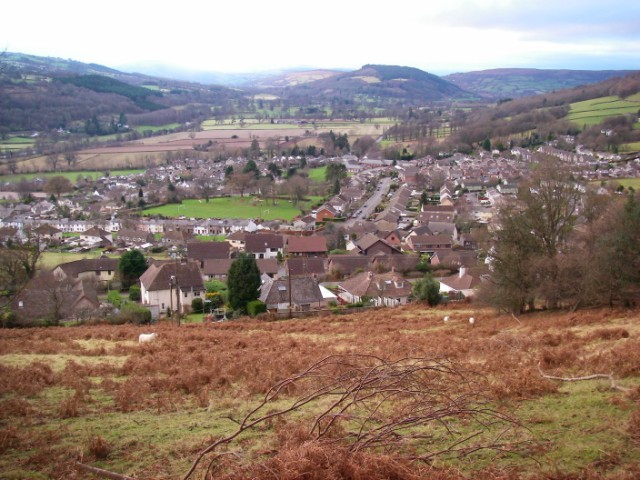
The national park stretches across south and mid Wales, covering parts of Powys, Carmarthenshire and Monmouthshire. For most visitors arriving from England, the eastern side is the easiest point of entry, with Abergavenny and Crickhowell acting as natural gateways. Brecon sits near the middle and works well for a wider touring base, while the western side opens up a quieter, more remote landscape around Llandovery and the Black Mountain.
Although often spoken about as a single destination, the park is best understood as a series of distinct areas. Distances are not huge, but roads can be winding and slower than they appear on a map, so choosing the right base makes a real difference.
Choosing your base
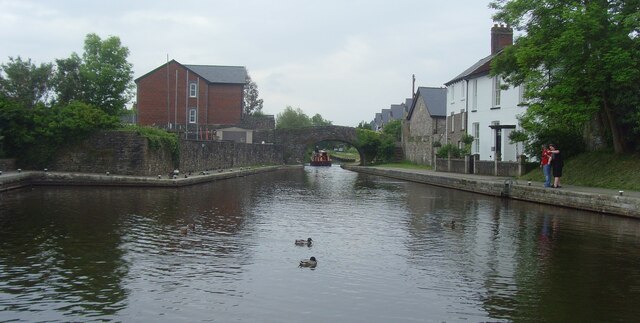
Brecon is the practical all-rounder. It is a handsome market town with useful shops, good access to the central Beacons and easy reach of reservoirs, waterfalls and the Usk Valley. It suits first-time visitors who want flexibility.
Crickhowell is smaller, more polished and particularly appealing for a weekend. With independent shops, good eating options and quick access to the Black Mountains, it has a relaxed, well-kept feel. As the day-trippers thin out, the high street becomes quieter and the town settles into a slower evening rhythm.
Abergavenny is the best choice for food-minded visitors or anyone wanting a livelier town. It sits just outside the park boundary, but the location is convenient and the surrounding countryside arrives quickly.
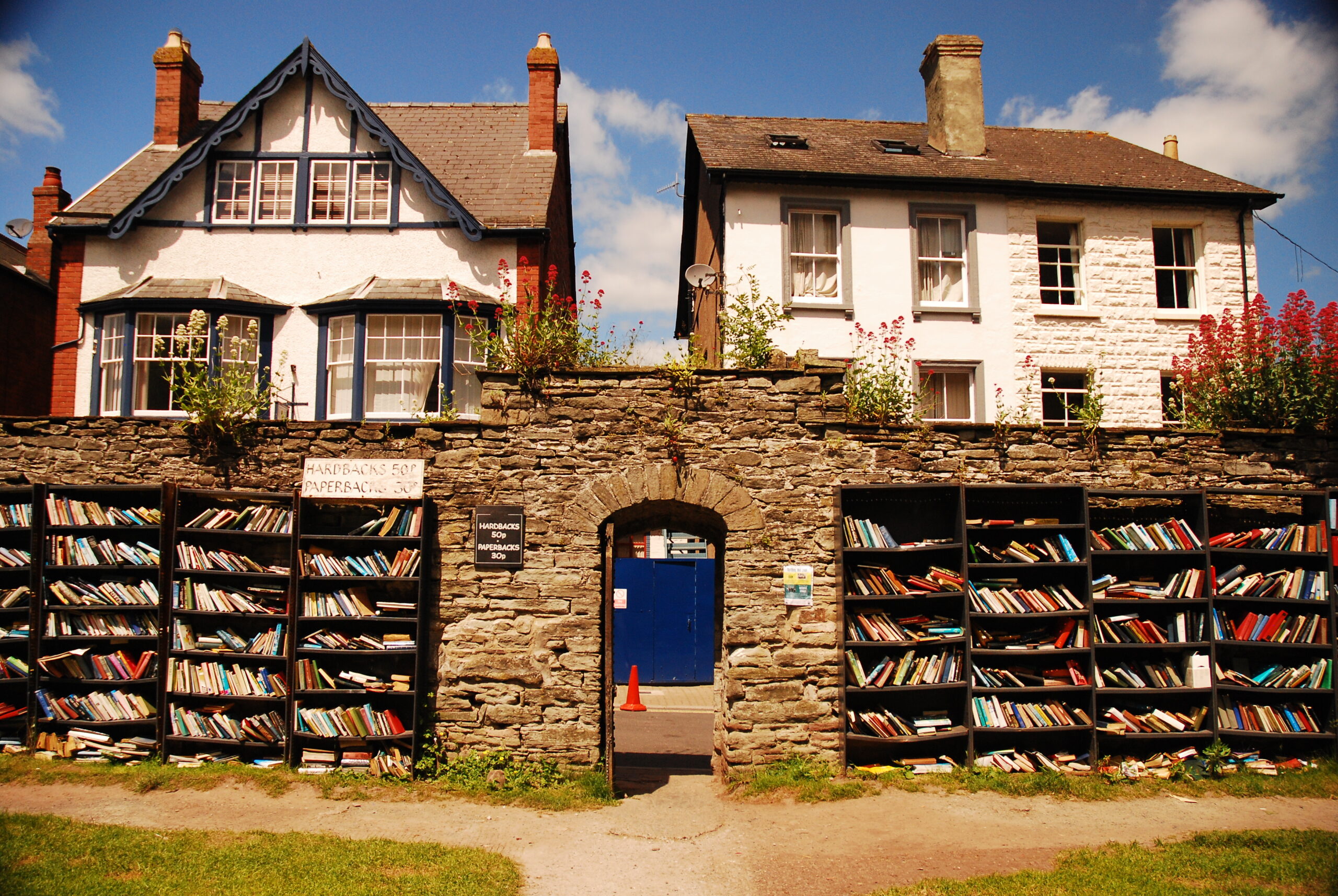
Hay-on-Wye, on the northern edge, works well for readers, antique hunters and those who prefer a softer version of a Brecon Beacons break, with bookshops, river walks and easy drives into the hills.
For a more secluded stay, the western side of the park and the Usk Valley offer country-house and rural inn territory, where the sense of distance is stronger and the roads grow emptier.
“Here, a market-town lunch can give way to ridgelines, caves and starlit silence.”
What to prioritise
For many, the headline walk is Pen y Fan, the highest peak in southern Britain. It is worth doing, especially on a clear day, but it should not be the only plan. The most memorable stays usually combine one classic mountain outing with time in the less obvious corners.
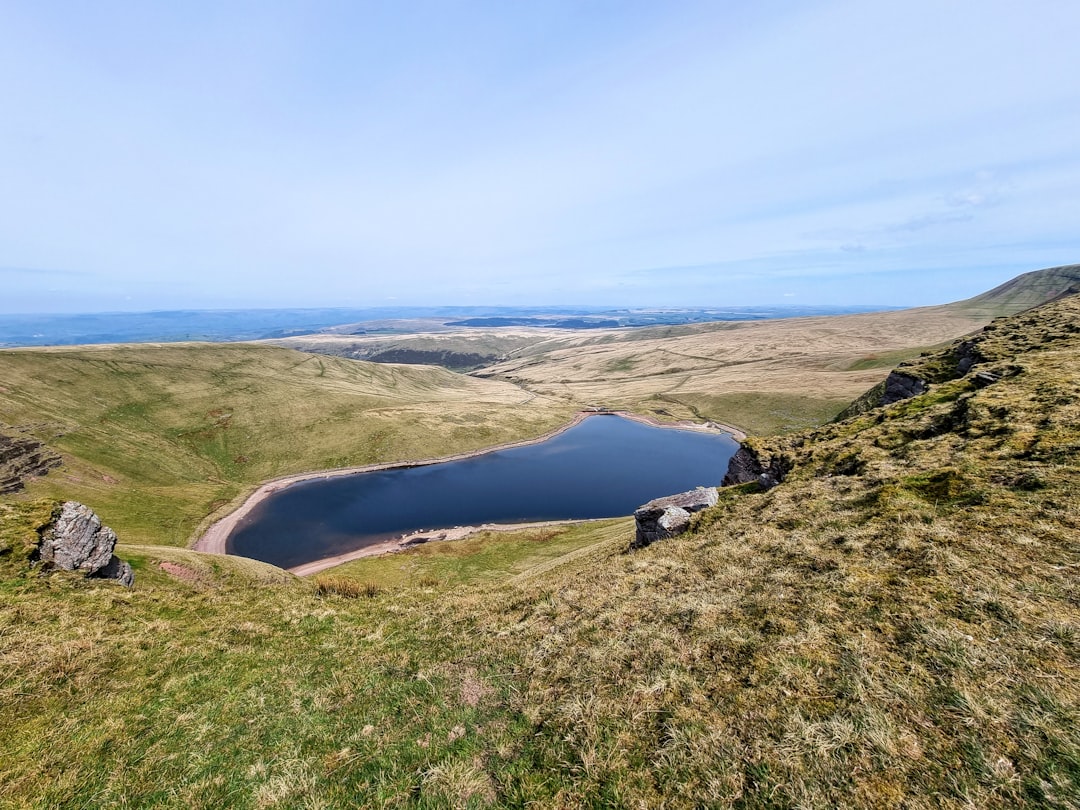
The central Beacons ridge, including Corn Du and Cribyn, gives the broad, open mountain scenery many visitors come for. The Black Mountains, to the east, feel more spacious and pastoral, with long grassy ridges and a gentler visual rhythm. The western Black Mountain, around Llyn y Fan Fach and Llyn y Fan Fawr, has a wilder character, with escarpments, legend-rich lakes and fewer crowds.
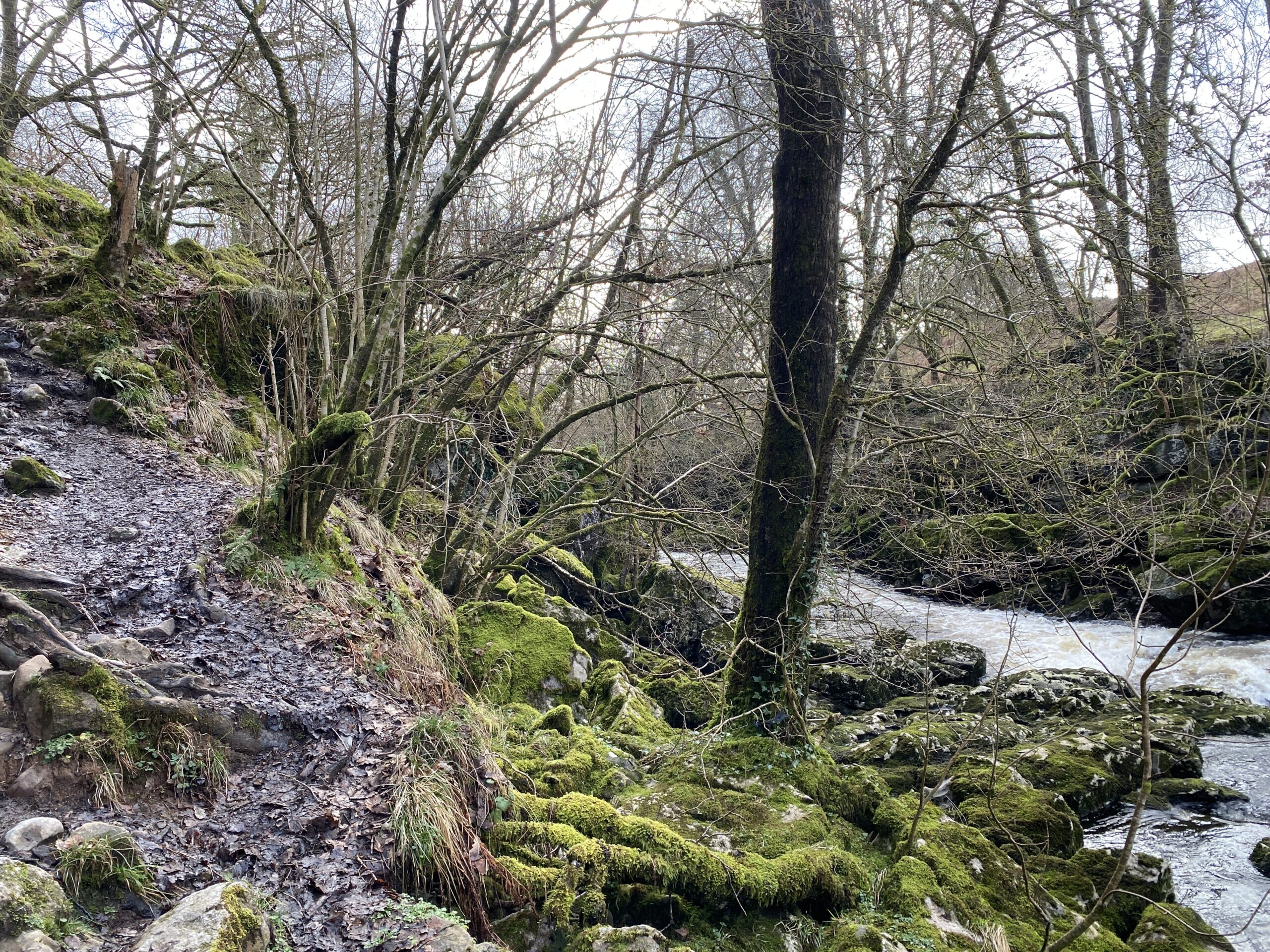
Waterfall Country, near Ystradfellte, is worth planning around if the weather has been wet and the rivers are running well. Paths through the wooded gorges lead to a series of falls, some viewed from behind or below, and the air tends to feel a few degrees cooler beside the water. Good footwear matters here, as paths can be slippery and muddy even in drier spells.
Below ground, the park has an equally distinctive side. The National Showcaves area and the surrounding cave country add something different for families and for anyone keen to understand the region’s limestone landscape.
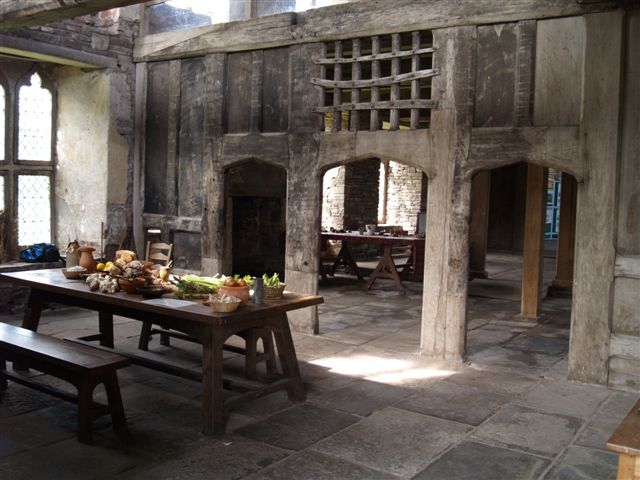
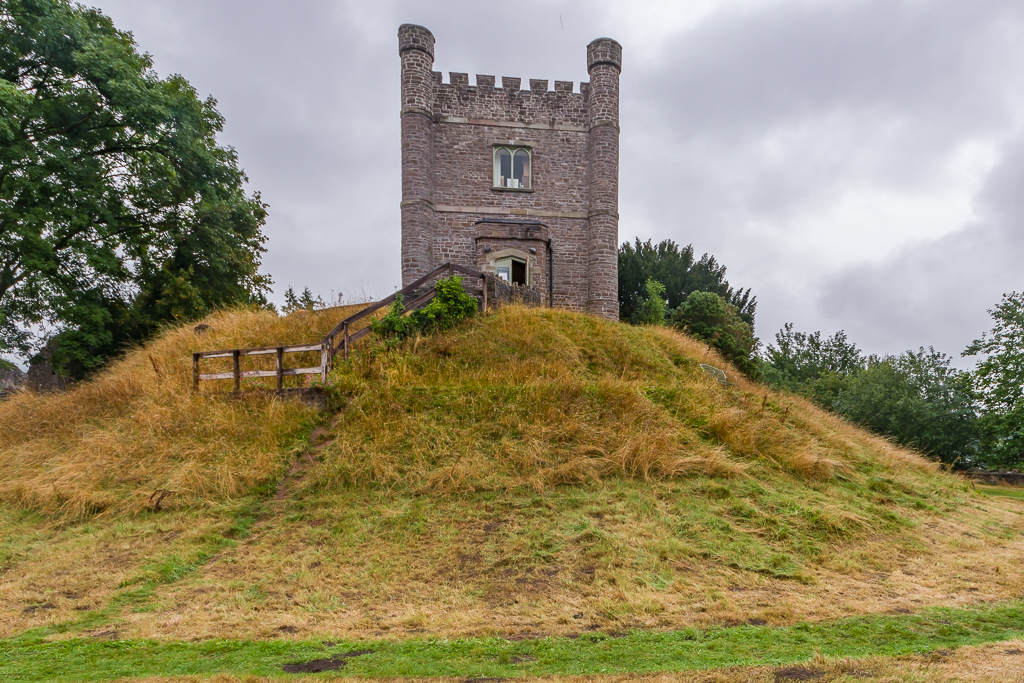
There is history threaded through the scenery too. Tretower Court and Castle, Carreg Cennen Castle just beyond the western edge, and the industrial heritage around Blaenavon all add depth to a stay, especially if a mountain day gives way to rain.
“Bannau Brycheiniog feels shaped as much by weather and legend as by stone.”
Food and drink
The Brecon Beacons is not a destination for elaborate restaurant-hopping in the way of a major city break, but it eats well. Market towns have a pleasing mix of smart cafés, bakery stops, village pubs and restaurants drawing on local lamb, Welsh beef, cheese and seasonal produce.
Abergavenny has the strongest food reputation and is hard to beat if meals are part of the reason for travelling. Brecon and Crickhowell both offer good casual dining and dependable pub cooking, while smaller villages reward a little advance planning, particularly outside summer and at the start of the week.
Local breweries, cider makers and Welsh whisky producers also shape the regional picture. A firelit pub after a windy walk remains one of the most convincing reasons to come here in colder months.
Throughout the seasons
Spring is one of the loveliest times to visit. Hillsides begin to brighten, waterfalls still have force and the busiest summer crowds have not yet arrived.
Summer brings the longest days and the best conditions for higher walks, but popular routes and car parks fill quickly. Early starts are worth it, especially around Pen y Fan.
Autumn suits this landscape well. Woodland colour deepens, the light becomes softer and towns feel more settled after the school holidays. For many visitors, this is the season the park makes the most sense.
Winter can be beautiful, stark and very quiet, but conditions on the hills change quickly. Lower-level walks, town stays and dark-sky evenings often make more sense than ambitious summit plans unless properly equipped.
Planning your journey
A car is the simplest way to explore the Brecon Beacons properly. Public transport exists, but services between rural areas can be limited and time-consuming. Trains serve Abergavenny and Hereford for the eastern side, with onward bus or taxi connections. Brecon itself has no railway station.
Drivers should allow extra time for narrow roads, livestock, weather and slower progress over mountain routes. Fuel up when convenient rather than assuming the next village will have what is needed.
A few useful tips
Weather should be taken seriously. Conditions can shift quickly on the hills, even in summer, and visibility can close in fast. Waterproofs, layers, a paper map or reliable offline mapping and sturdy footwear are sensible basics.
Mobile signal is patchy in places. Car parks at the main walking points can fill early. And because the destination now carries both names in common use, visitors will see Brecon Beacons and Bannau Brycheiniog used interchangeably.
How long to stay
A two-night break is enough for a first taste: one good walk, one town base and a scenic drive or waterfall outing. Three or four nights is better if the aim is to experience different sides of the park without rushing.
For a short weekend, Crickhowell or Brecon would be the easiest choice. For a longer stay, splitting time between the eastern side and the western hills gives a fuller sense of the region.
The Brecon Beacons rewards a balanced approach. One mountain, one valley, one good meal and one unhurried hour looking out across the weather moving over the hills is often enough to understand why people return.
Useful Links
Tourist Information
National Trust
Heritage
Local Council
Frequently Asked Questions
When is the best time to visit the Brecon Beacons?
Spring and autumn are often the most rewarding times for a short break, with good walking conditions, strong scenery and fewer crowds than high summer. Summer suits longer days and higher routes, but popular car parks can fill early. Winter can be beautiful, though hill conditions may change quickly and lower-level plans are often wiser.
Where should I stay in the Brecon Beacons for a first visit?
Brecon is usually the easiest all-round base, especially if you want flexibility and straightforward access to different parts of the park. Crickhowell suits a polished weekend break, while Abergavenny works well if food and a livelier town matter. For a quieter, more rural stay, look towards the Usk Valley or the western side.
Is Pen y Fan suitable for beginners?
Pen y Fan is achievable for many reasonably fit visitors, but it should still be treated as a proper mountain walk. Weather can turn quickly, paths may be busy, and visibility is not always reliable. Good footwear, waterproof layers, water and a map or offline route guidance are sensible, even on a seemingly straightforward day.
Do I need a car to explore the Brecon Beacons?
A car is the most practical way to get around, particularly if you want to combine walks, towns and more remote areas. Public transport does exist, but links between rural parts of the park can be limited and slow. If driving, allow extra time for narrow roads, changing weather and slower progress than the map may suggest.
How many days do you need in the Brecon Beacons?
Two nights is enough for a first taste, perhaps with one main walk, time in a market town and a scenic drive or waterfall stop. Three or four nights gives a more rounded experience and lets you see different sides of the park without rushing. Longer stays work especially well if you split your base east and west.
What else is there to do besides hiking?
There is plenty beyond summit walks. Waterfall Country offers rewarding valley routes, while the cave systems and showcaves add something different for families and rainy days. You can also explore market towns, visit historic sites such as Tretower Court and Castle, and look into the industrial heritage around Blaenavon.
Are the Brecon Beacons good for families?
Yes, especially if you mix gentler outdoor plans with a few well-chosen attractions. Reservoir walks, easier trails, caves, pony trekking and waterfall routes can all work well, depending on age and weather. It helps to keep plans flexible, as conditions underfoot may be muddy and some routes are better suited to sturdier shoes than pushchairs.
Why do I see both Brecon Beacons and Bannau Brycheiniog used?
Both names refer to the same national park. Bannau Brycheiniog is the official Welsh name now in use, while Brecon Beacons remains widely recognised and still appears in everyday travel planning. Visitors will commonly see both used on signs, maps, accommodation listings and local information, so it is worth being familiar with each.