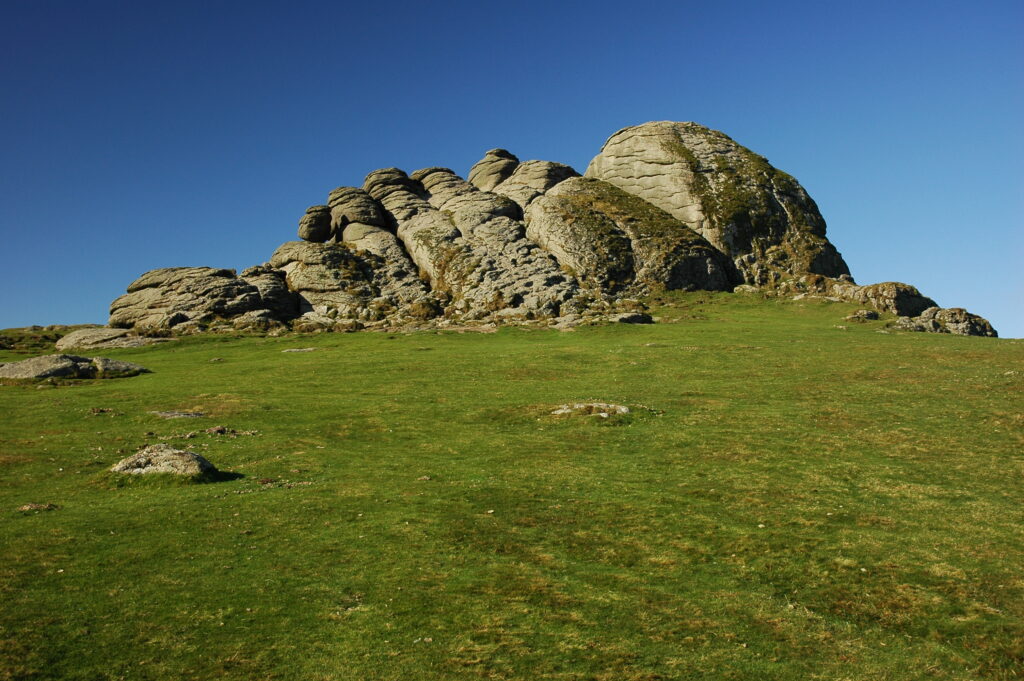
Dartmoor is one of southern England’s most distinctive landscapes: a high, open moor of granite tors, deep wooded valleys, clear rivers and small market towns, all within easy reach of Devon’s coast. For first-time visitors, it offers that rare balance of wildness and practicality, with enough space to feel removed and enough good bases, pubs and walking routes to make a short break straightforward.
Places to Stay in Devon
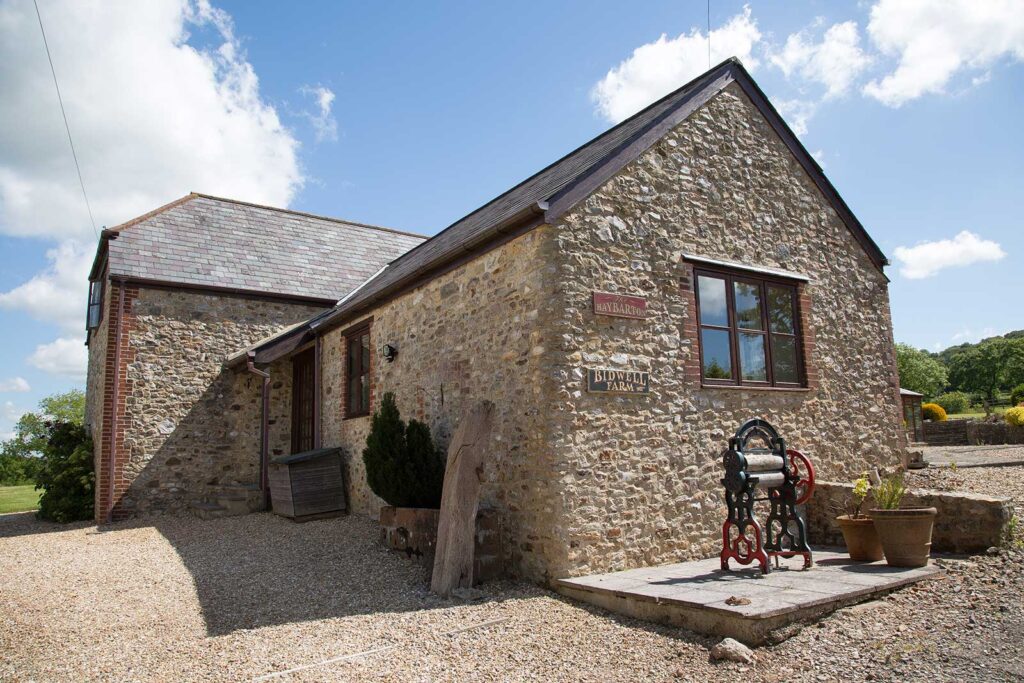
Bidwell Farm
A thoughtfully restored former hay store on a long-loved East Devon farm, with generous interiors, far-reaching rural views and the easy warmth of a…
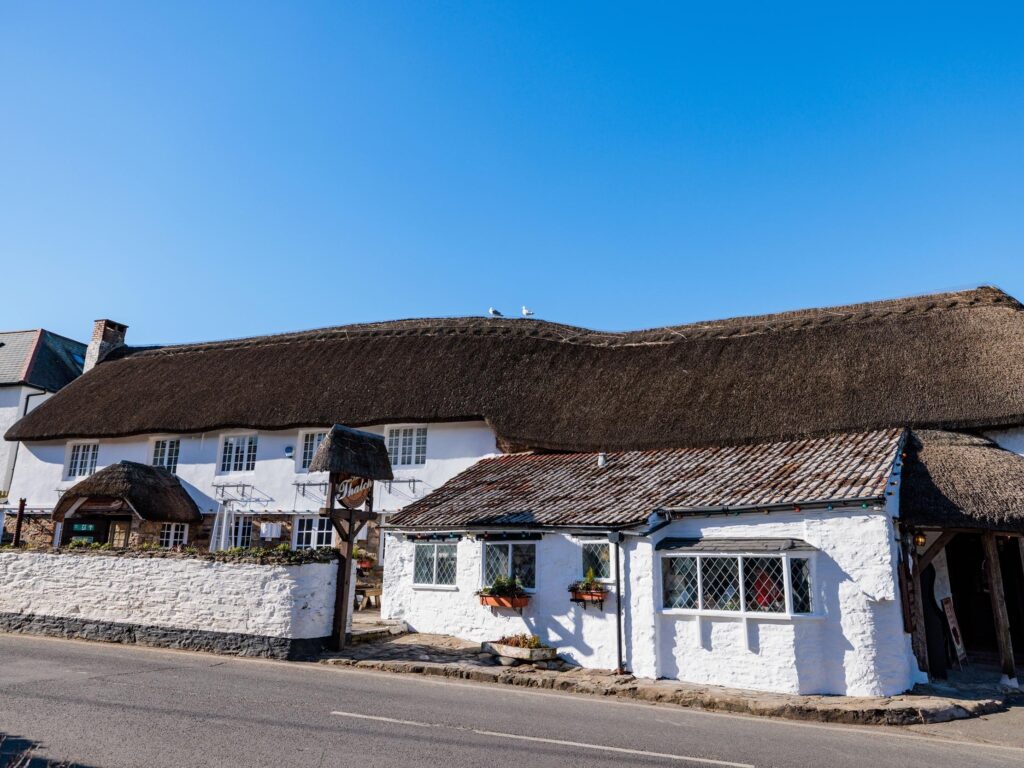
Croyde Beach Breaks
For mornings shaped by surf, sand and sea air, these design-led cabins in Croyde bring together easy beach living, strong interiors and a walk-everywhere…
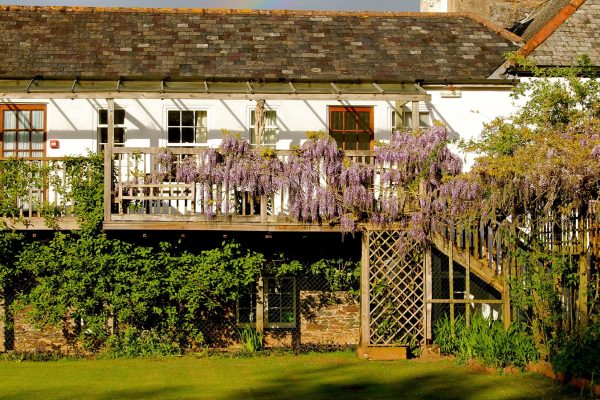
Fingals
An unusual retreat near Dittisham, where a glassy, streamside hideaway brings together birdsong, soft light and a strong sense of escape in South Devon.
Why visit Dartmoor
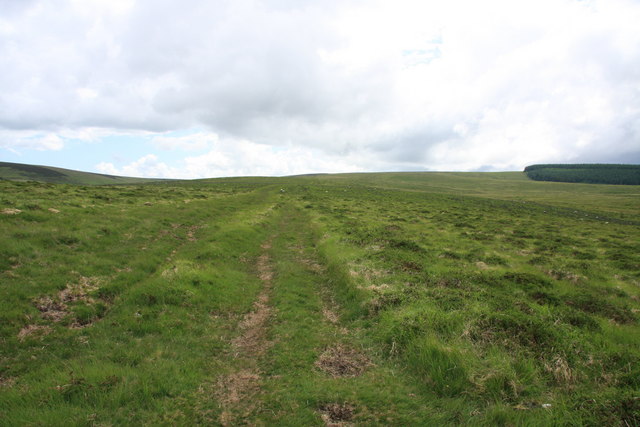
This Dartmoor guide begins with the landscape itself. Dartmoor National Park sits across the heart of south Devon, and its appeal lies in contrast: broad, exposed moorland one moment, steep green combes and oak woods the next; Bronze Age remains and ancient farmsteads set against villages with smart cafés, inns and bookshops.
It is a place for walkers, cyclists and riders, certainly, but not only for them. Dartmoor also suits guests who want scenic drives, good country pubs, garden visits, river swims in warm weather and a few days in a quieter rhythm. The weather can change quickly on the open moor, and that shifting light is part of the place. One ridge can sit in sunshine while rain moves across the next.
Where Dartmoor is
Dartmoor lies in Devon, between Exeter and Plymouth, with the national park covering a large central sweep of the county. It is easy to combine with the South Devon coast, but the moor has a character all its own: higher, older-feeling and more elemental.
For most visitors arriving from elsewhere in the UK, Exeter is the most useful gateway from the east and north, while Plymouth serves the south-western edge. From either direction, roads climb steadily into open country, and the transition is clear. Hedges thin out, views lengthen and the granite begins to assert itself.
Choosing your base
Where to stay in Dartmoor depends largely on the kind of break planned. For a first visit, it helps to choose a base with a little life of its own and easy access to several corners of the park.
Bovey Tracey, on the eastern edge, is a practical and appealing choice. Known as the gateway to Dartmoor, it gives easy access to moorland walks while keeping Exeter within reach. It suits guests who want flexibility, especially for mixed itineraries with gardens, food stops and easier driving.
Tavistock, on the western side, has more of a market-town feel, with handsome streets and a strong sense of local history. It is a good base for exploring the Tamar Valley as well as western Dartmoor. Ashburton, to the south-east, is another attractive option, with independent shops and a lively food scene.
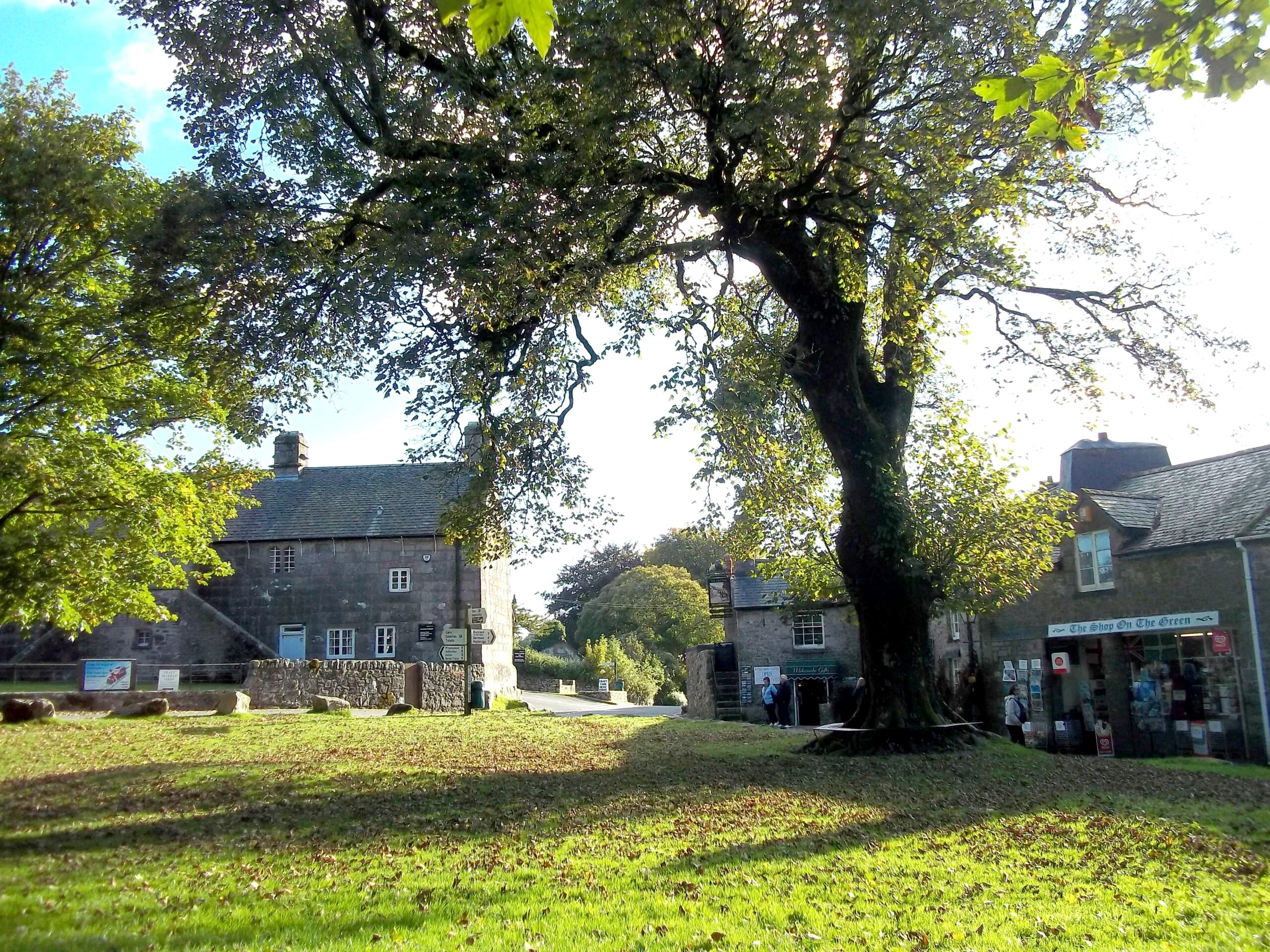
For a smaller village feel, Chagford is hard to beat. It is well placed for central and northern moorland, and has a pleasing mix of inns, places to eat and access to some of Dartmoor’s most memorable tors. In the evening, streets like these tend to quieten early, with the last of the day-trippers gone and the moor close at hand again.
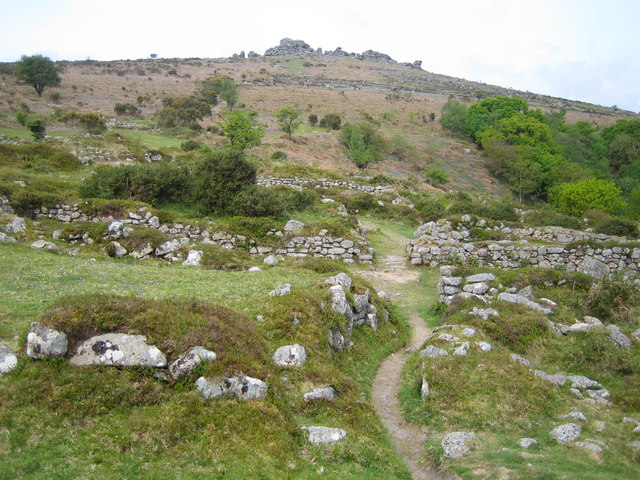
“On Dartmoor, granite tors rise above valleys that still hold Bronze Age echoes.”
What to do
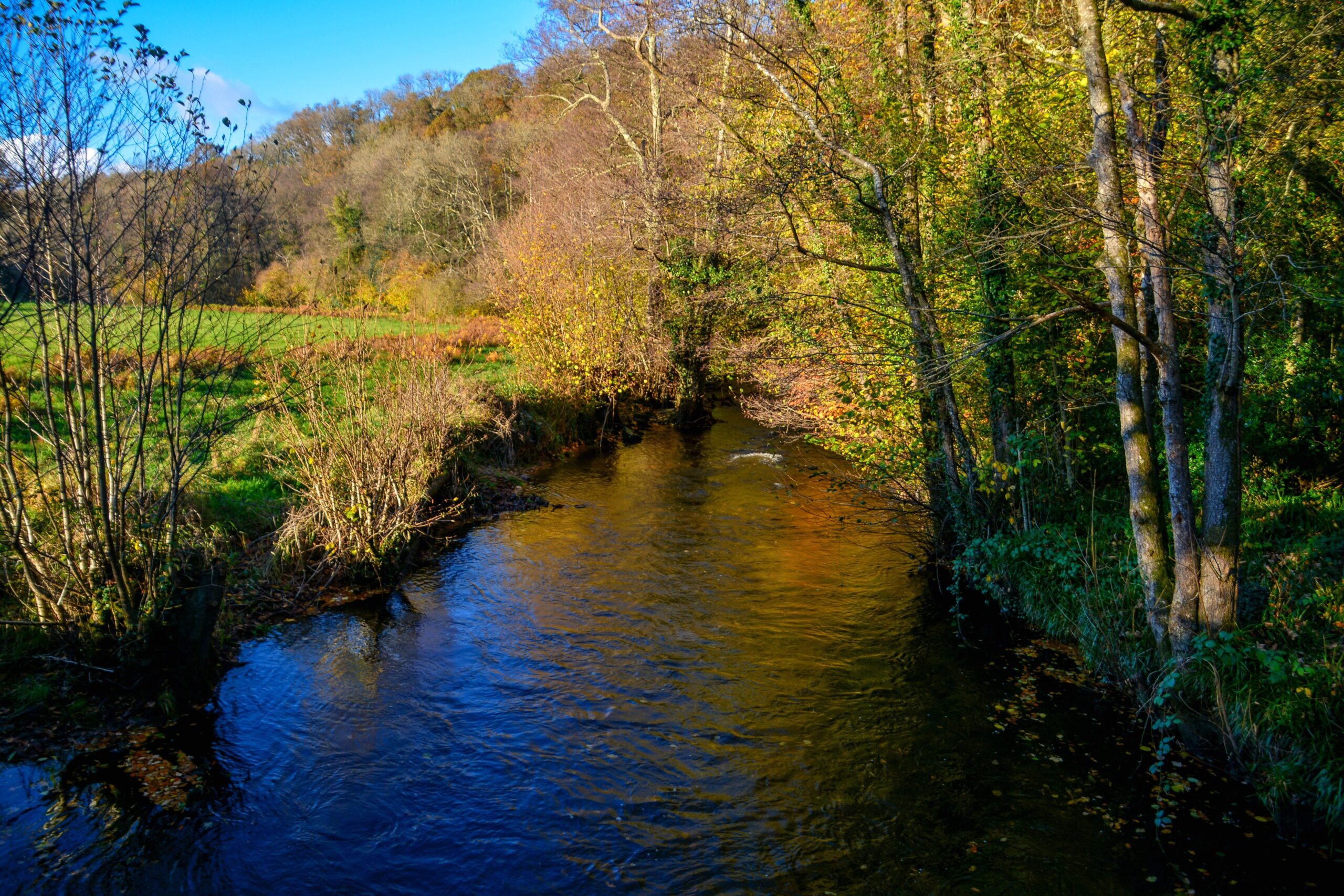
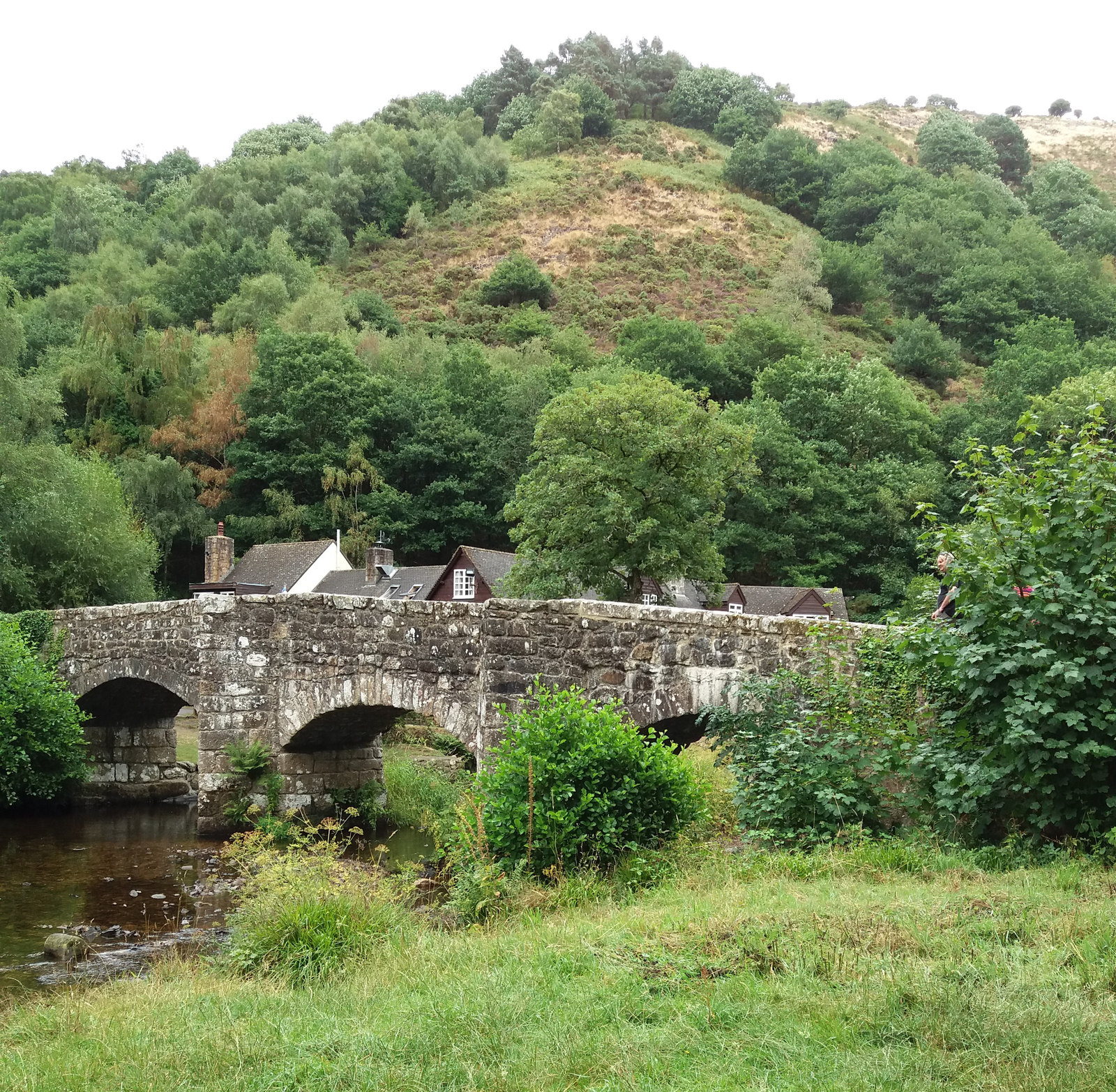
Walking is the obvious draw, but there is no need to approach Dartmoor as a serious expedition. Many of its pleasures come in shorter outings: a climb to Haytor or Hound Tor, a riverside stroll at Fingle Bridge, or a gentle wander around reservoirs and wooded valleys. Those new to the moor would do well to prioritise one or two classic tors, where the granite outcrops give wide views with relatively modest effort.
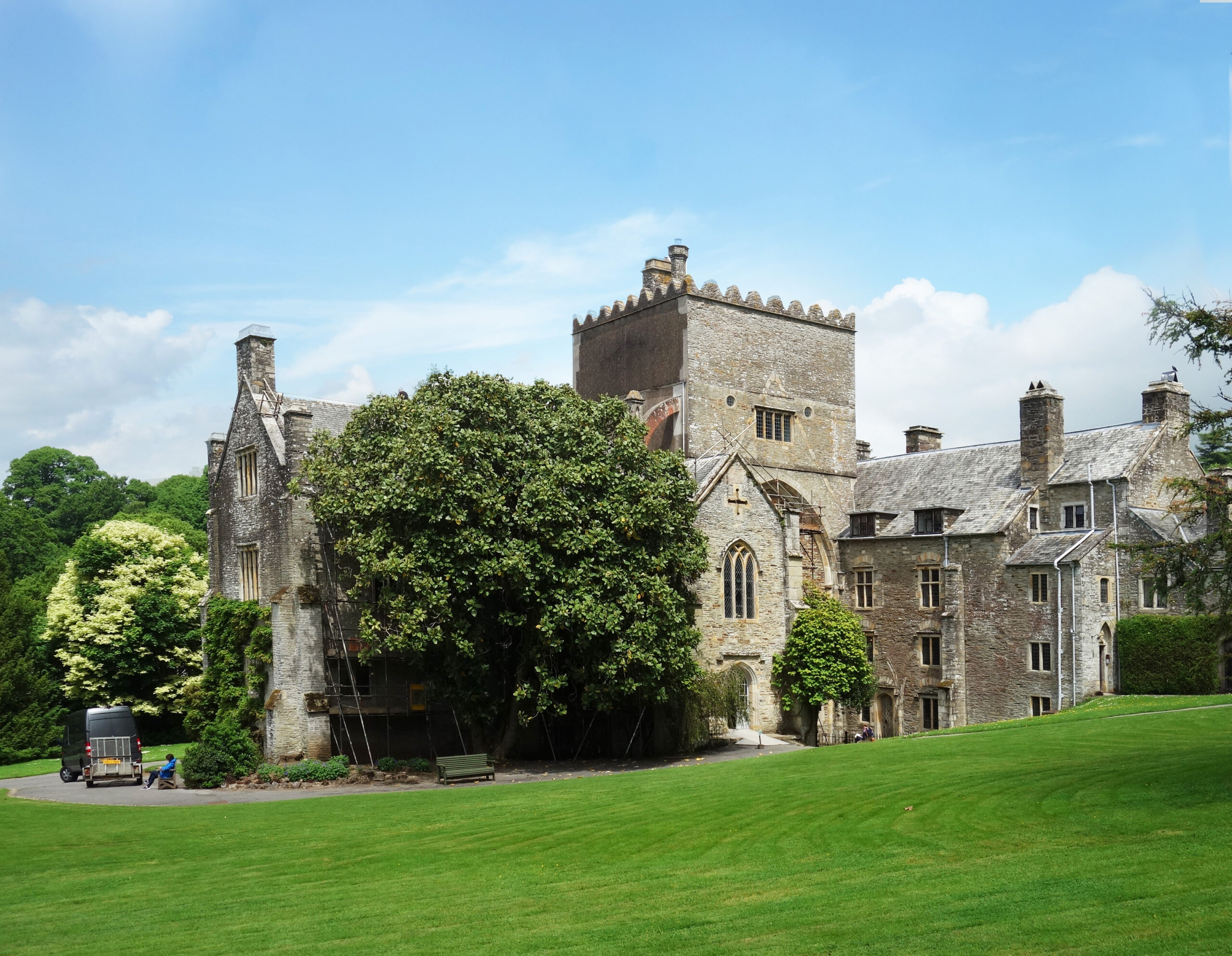
Dartmoor’s history runs deep and is often surprisingly accessible. Prehistoric stone rows, ancient hut circles and clapper bridges appear across the landscape, while castles, abbeys and old industrial sites add later layers. Buckland Abbey, associated with Sir Francis Drake, makes an excellent cultural counterpoint to a day outdoors.
There is plenty for families too. The Miniature Pony Centre, Becky Falls and the National Park Visitor Centres can all help break up longer days, while simple pleasures such as paddling in a river or spotting Dartmoor ponies are often enough. Ponies are part of the landscape, but they are not there for feeding or close encounters, and should be treated with care and distance.
Cycling, horse riding, wild swimming and stargazing all have their place here. On clear nights, parts of Dartmoor feel notably dark and open, with very little to interrupt the sky.
Food and drink
Food on Dartmoor tends to be rooted in the landscape around it: good local meat, game in season, Devon cheeses, cider and reassuring pub cooking, with stronger contemporary restaurant scenes in towns such as Ashburton and Tavistock.
A proper country pub is often central to a Dartmoor break, particularly after a windy walk. Expect slate floors, generous lunches and menus that shift with the seasons. Tearooms and farm shops also matter here, especially on driving days when a coffee stop can become part of the outing.
Cream teas, naturally, appear across the moor, and in Devon the cream goes on before the jam. It is the sort of local certainty best accepted rather than debated.
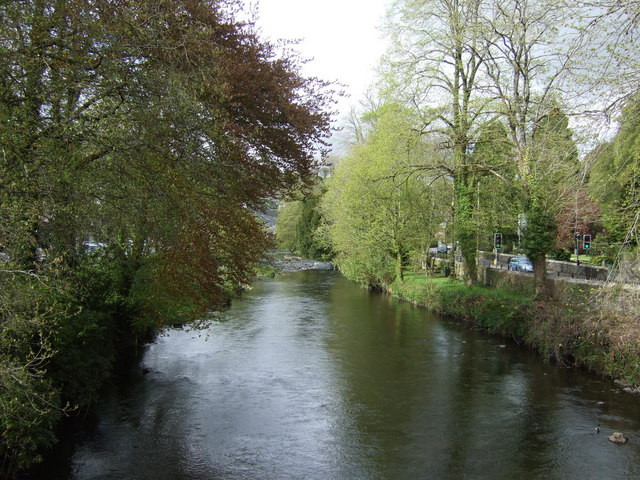
“An hour from the Devon coast, the moor feels older, darker and wonderfully self-possessed.”
Throughout the seasons
Spring is one of the loveliest times to visit. Woodland edges freshen, lambs appear in the fields and walking conditions are often excellent, though the moor can still feel cold in exposed spots.
Summer brings longer days and the easiest access to outdoor activities. It is a fine time for mixed days of walking and swimming, but popular beauty spots and roads can become busier, especially in school holidays.
Autumn may be the most rewarding season for many guests. The woods turn rich with colour, pubs feel particularly inviting and the moor often has a calmer, more spacious feel. Winter is quieter still: atmospheric, sometimes severe, and best for those happy to plan around short daylight hours and fast-changing weather.
Getting around
A car is the simplest way to explore Dartmoor well. Distances may look short, but roads can be narrow, winding and slower than expected, especially across open moorland or through villages.
Public transport exists, with rail access to nearby towns and some bus links, but it is not the easiest destination to navigate fully without a car. Visitors relying on trains and taxis may prefer to stay in one of the better-connected edge towns and plan a more localised break.
For drivers, the key is not to overfill the day. Dartmoor works best with room for pauses: a viewpoint, a pub lunch, a short walk that turns into a longer one.
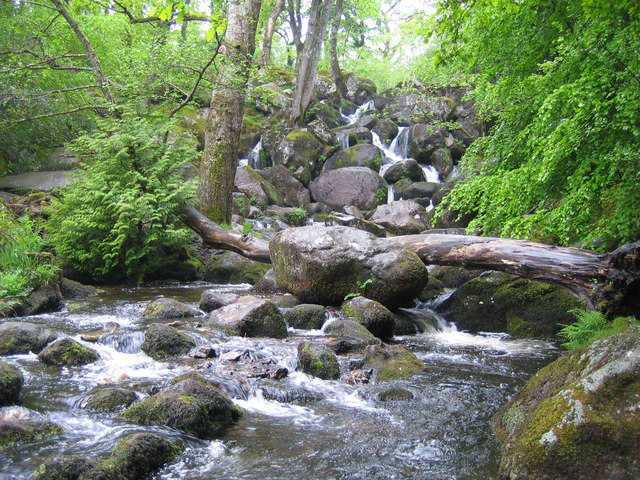
A few useful tips for first-time visitors
The weather deserves respect. Conditions can change quickly, so even on an easy outing it is wise to carry waterproofs, good footwear and a paper map or reliable offline navigation. Phone signal can be patchy.
Roads across the moor often involve sheep, ponies and cyclists, and livestock may be on or beside the carriageway. Drive slowly and expect passing places rather than broad lanes.
Those planning only a weekend should resist trying to cover the entire national park. For two or three nights, it makes more sense to choose one sector, perhaps east and central Dartmoor, or the western moor with Tavistock, and explore it properly.
Suggested short breaks
For a first two-night stay, the eastern side makes an easy introduction. Base near Bovey Tracey or Chagford, walk one of the classic tors, add a long lunch in a village pub, and spend the second day among wooded valleys, gardens or a heritage site.
With three or four nights, there is time to combine contrasting landscapes. A good plan might include open moorland around Haytor and Widecombe-in-the-Moor, a day in Tavistock or Ashburton, and one slower day by the river or in the Teign Valley.
For a longer stay, Dartmoor pairs well with South Devon or the Tamar Valley, but it also holds attention on its own. The landscape changes enough from one side to the other that a week rarely feels repetitive.
Dartmoor is not a destination that demands constant activity. Its pleasures are often quieter than that: weather moving across a ridge, the sound of water under an old stone bridge, a village pub filling gently after a day on the moor. Given a little time, its character comes into focus.
Useful Links
Tourist Information
National Trust
English Heritage
Local Council
Frequently Asked Questions
Where is the best place to stay for a first visit to Dartmoor?
For a first stay, Bovey Tracey, Chagford, Tavistock and Ashburton are all strong choices. Bovey Tracey is practical for easy access from Exeter and the eastern moor, while Chagford suits those wanting a smaller village atmosphere close to classic tors. Tavistock and Ashburton work well if you would like a market-town base with good places to eat.
Do you need a car to explore Dartmoor properly?
A car is usually the easiest way to get around, as many of Dartmoor’s best walks, villages and viewpoints are spread out and roads can be slow. It is possible to visit by train and taxi, especially if you stay in an edge town, but public transport may limit how much of the moor you can comfortably see.
What are the best things to do in Dartmoor if you are not a serious walker?
You do not need to plan demanding hikes to enjoy Dartmoor. Short walks to places such as Haytor, Hound Tor or Fingle Bridge are often enough to get a real feel for the landscape. Scenic drives, country pubs, heritage sites, gardens, riverside stops and villages such as Chagford or Tavistock also make for rewarding days.
When is the best time of year to visit Dartmoor?
Spring and autumn are often the most rewarding times, with good walking conditions, fewer crowds and a strong sense of seasonal change. Summer is ideal for longer days and outdoor activities, though popular spots can be busier. Winter can be beautiful and quiet, but it tends to suit visitors who are comfortable planning around short daylight hours and fast-changing weather.
What should first-time visitors know before heading onto the moor?
Weather on Dartmoor can change quickly, even on short outings, so waterproofs, sturdy footwear and offline navigation are sensible. Roads are often narrow, with sheep, ponies and cyclists on or near the carriageway, so it is best to drive slowly. If you see Dartmoor ponies, admire them from a distance and avoid feeding them.