This guide to Wales is a starting point for choosing between mountain and coast, market town and harbour, long walking weekends and easy family breaks. Compact on the map yet varied in character, Wales offers a quietly rich mix of castle country, national parks, open beaches and strong regional identities.
Why holiday in Wales
Wales suits travellers who like their landscapes to feel close at hand. In the space of a few days, it is possible to move from high mountain roads to broad estuaries, from small cathedral cities to long surf beaches, from industrial heritage to sheep-grazed uplands. It is a country that rewards a little regional understanding.
For first-time visitors, the simplest way to approach Wales is by thinking in four parts: North, Mid, West and South. Each has its own rhythm, scenery and scale. North Wales is often the choice for mountains, adventure and major castles. West Wales draws people for its coves, harbour towns and a slower coastal pace. Mid Wales feels more spacious and rural, with market towns, reservoirs and dark skies. South Wales combines city breaks, valleys history, excellent beaches and some of the country’s most striking heritage sites.
There is also a practical advantage. Distances are not huge, but roads can be slow, especially once the route turns coastal or mountainous. A successful holiday in Wales usually means choosing a base carefully rather than trying to see everything at once.
North Wales
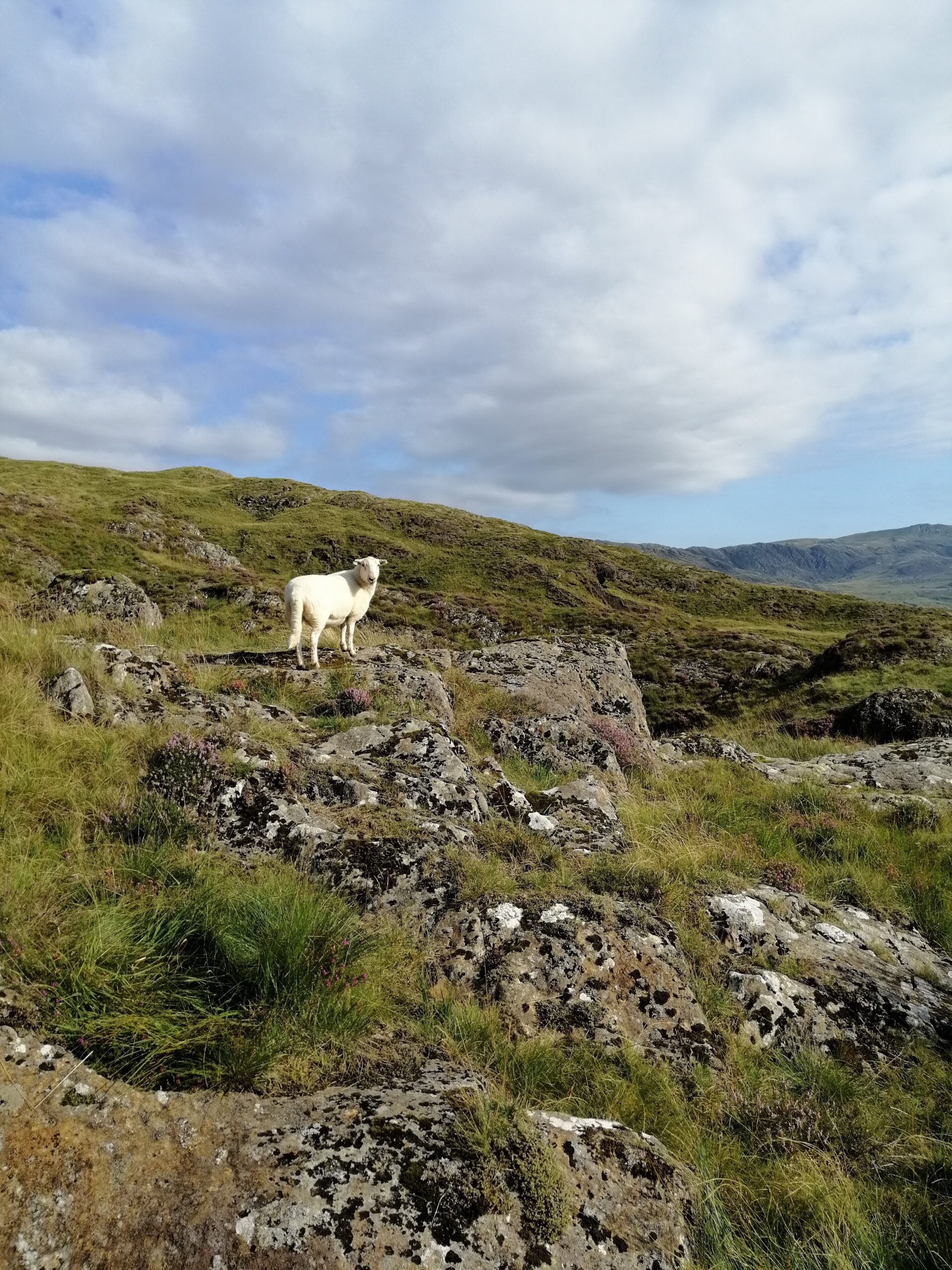
North Wales is hard to beat for dramatic contrast. Snowdonia, or Eryri, brings craggy peaks, glacial lakes and some of the most memorable walking in Britain, while the coast offers Victorian resort towns, estuaries and an impressive run of medieval fortresses.
For a first stay, Conwy makes an excellent base. Its walls and castle give it a strong sense of arrival, and it places guests within easy reach of Llandudno, Anglesey and the mountains. Betws-y-Coed suits those who want to be closer to walking routes and forest scenery, though it can feel busy in high summer. Anglesey is worth prioritising for a calmer island rhythm: wide beaches, good seafood and villages that feel distinct from the mainland.
This is a strong region for active holidays. There are mountain paths for serious walkers, easier lakeside and woodland routes, and plenty for families beyond hiking alone. Heritage is equally central. Conwy, Caernarfon, Beaumaris and Harlech are not simply castles on a checklist but markers of how closely Welsh history and landscape are intertwined.

West Wales
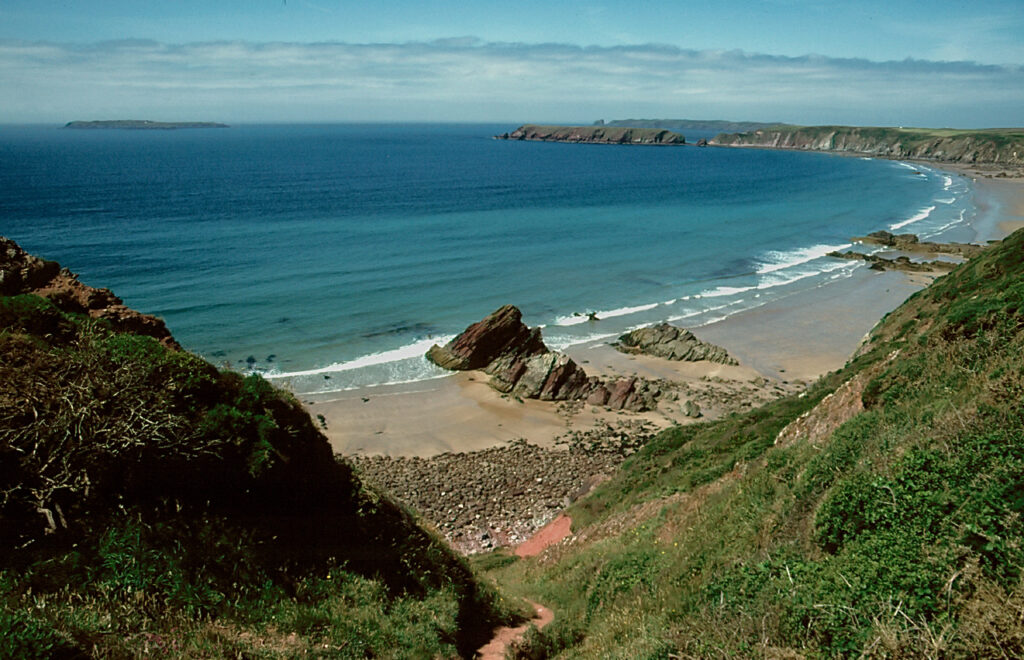
West Wales tends to draw guests looking for sea air and a more relaxed pace. Pembrokeshire is the headline region, and with reason. The coast path is one of the country’s great walking routes, linking cliffs, sandy bays and small harbour settlements. In places, the weather can change in minutes: a bright beach can turn silvery under passing cloud, while the sea keeps its steely colour.
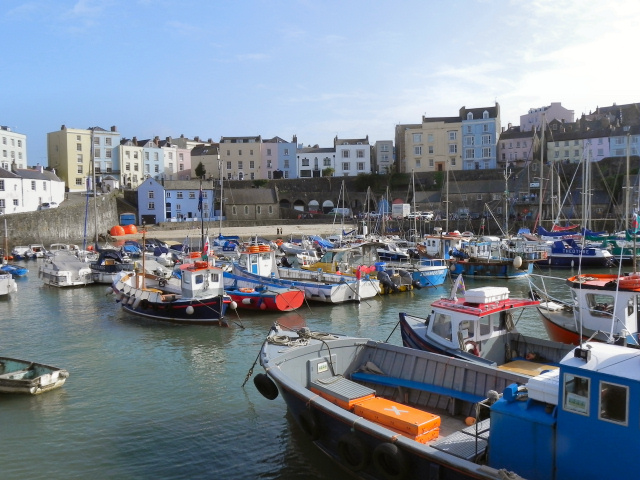
Tenby is one of the most appealing bases for a broad holiday mix, with easy beaches, boat trips and colourful streets that quieten noticeably once day visitors leave in the evening. For a quieter coastal stay, St Davids and the northern Pembrokeshire coast offer a wilder feel and excellent walking. Cardigan and nearby Ceredigion suit travellers interested in a less polished but rewarding stretch of coast, with good food, independent shops and access to dolphin-watching trips.
West Wales is also particularly strong for family holidays. Beaches are often spacious, there are plenty of short scenic drives, and the scale of the region makes day trips manageable. Those looking for harbour towns, sea views and coastal cottages would do well here.
“In Wales, a castle wall can end where a harbour tide begins.”
Mid Wales
Mid Wales is sometimes overlooked, which is part of its appeal. This is the region for open country, winding roads, market towns and a quieter kind of beauty. Instead of headline landmarks at every turn, it offers space, reservoirs, river valleys and a sense of stepping back from the busier holiday circuits.
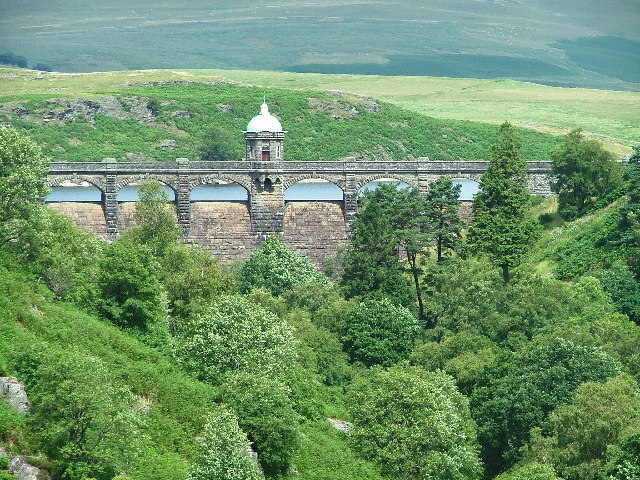
Hay-on-Wye is an obvious draw for bookshops and easy access to the Brecon Beacons, while Machynlleth makes a useful base between the Dyfi estuary, southern Snowdonia and the coast. Further inland, the Elan Valley is worth seeking out for its reservoirs and long, unfolding landscapes.
Guests who enjoy walking, cycling and unhurried drives are likely to find Mid Wales especially rewarding. It is also one of the better choices for repeat visitors who feel they have already seen the better-known coastal corners.
South Wales
South Wales offers the broadest mix. Cardiff is the natural base for a short city break, combining museums, the bay, good dining and easy transport links. Beyond the capital, the region opens into the industrial landscapes of the valleys, the long beaches of the Gower and Pembrokeshire’s eastern neighbour, Carmarthenshire.
If the priority is coast, the Gower Peninsula remains one of the strongest choices in South Wales, with beaches and cliff walks close to Swansea. Mumbles works well for guests who want sea views with cafés and practical convenience. For heritage, the valleys and former industrial heartlands add an important dimension to any wider guide to Wales, showing how deeply the country’s identity is shaped by coal, iron and labour history.
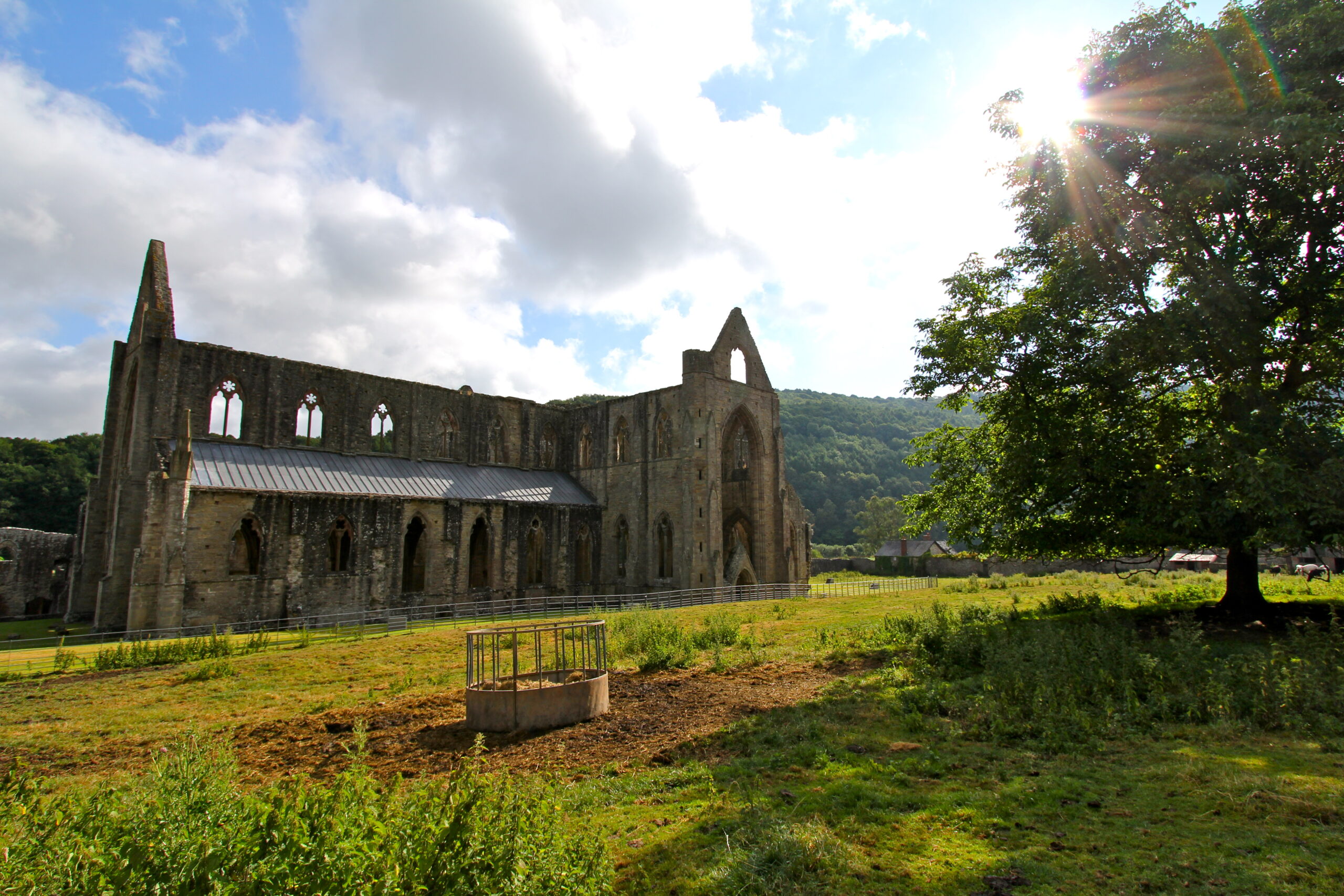
South Wales also contains some excellent castle and abbey sites. Caerphilly is striking for scale, while Tintern Abbey, set in the Wye Valley, is one of those places where the surrounding landscape matters almost as much as the monument itself.
Coast or countryside
Choosing between coast and countryside is often the key holiday decision. For beaches, harbours and seafood, West Wales and Anglesey are usually the safer bet. For mountain walking, deep valleys and outdoor pursuits, North Wales stands out. For rural calm, market towns and scenic drives, Mid Wales is often the better match. For a mixed holiday with city access, history and beaches, South Wales makes sense.
Those travelling with children often prefer a coastal base, where beach time can balance longer days out. Couples planning a short break may find a small town such as Conwy, Tenby or Hay-on-Wye easier and more atmospheric than a remote rural stay.
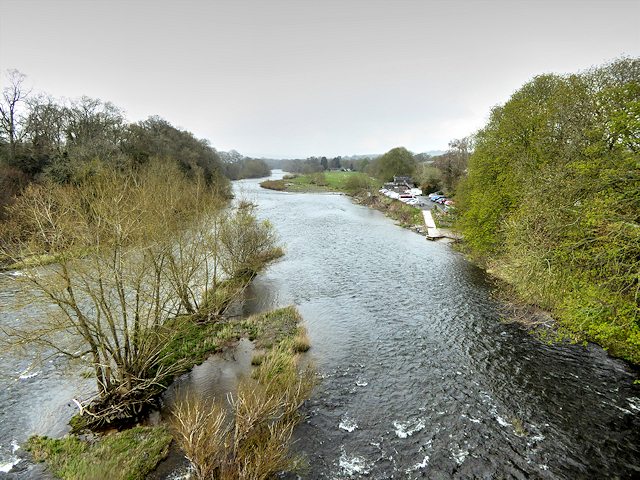
“Mountain roads, chapel towns and silver bays give Wales its shifting, weather-made drama.”
Castles, walking and the outdoors
Wales carries its history visibly. Castles are not confined to one region, and neither are walking routes. This makes it easy to shape a trip around one interest while still seeing something else. A weekend in North Wales can include both mountain scenery and major heritage sites. A week in Pembrokeshire can combine beach days with coastal walking and smaller cathedral or harbour visits.
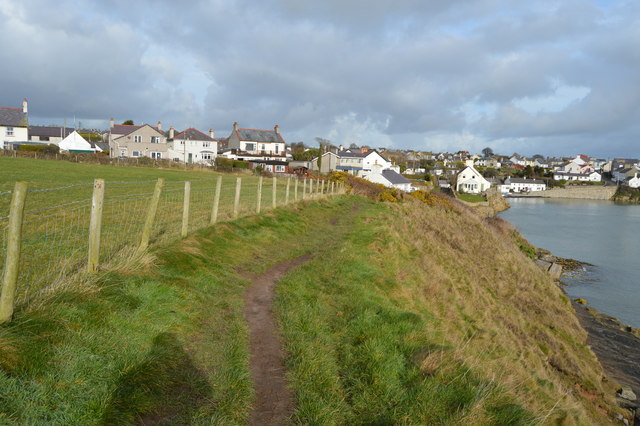
For walkers, the range is unusually broad. There are famous summit routes, but also gentle stretches of coast path, woodland trails and river walks. It is worth planning honestly around ability and weather. Conditions can shift quickly on higher ground, and coastal paths can be rough underfoot even when the scenery feels easy.
Food and drink
Food in Wales tends to be strongest where local produce and setting meet naturally: harbour seafood, good pub cooking, farmhouse cheeses, lamb and independent bakeries in small towns. Cardiff has the greatest range for a dedicated food-focused break, but some of the most memorable meals come in places where the view is part of the pleasure, whether that is a quayside table or a country inn after a wet walk.
Guests looking for polished restaurants should consider Cardiff, the Usk Valley and parts of Pembrokeshire. For a more relaxed pattern of cafés, pubs and seafood, West Wales and Anglesey are often more satisfying.

When to visit
Late spring and early autumn are often the most balanced times to visit Wales, with longer light, fewer crowds and generally good walking conditions. Summer brings the fullest holiday atmosphere, especially in coastal towns, but also heavier traffic and busier accommodation. In winter, some seaside places become very quiet, which can either be the point or a limitation depending on the trip.
The weather is part of the Welsh experience rather than an interruption to it. Cloud can sit low on the hills in the morning and lift by lunchtime; a harbour can be brisk and busy one hour, then almost still by late afternoon once boats are tied up and the street empties.
Planning your journey
For most guests, driving is the easiest way to explore Wales well. Rail links are useful for Cardiff, parts of the north coast and some larger towns, but once outside main routes, onward travel can be slow. Roads are scenic but often narrower and slower than expected, so it is wise to build in more time than the map suggests.
For a short break, it is usually best to choose one region only. Three nights in Conwy or Tenby gives enough time to settle in. Four nights in Cardiff works well if the plan mixes city time with day trips. A week allows a deeper regional trip: North Wales with Anglesey, West Wales with Pembrokeshire and Ceredigion, or South Wales with the Gower and Wye Valley.
Where to stay
The right base depends on how much moving around is realistic. Conwy is a strong all-rounder in the north. Tenby suits coastal first-timers. Hay-on-Wye works well for a literary and landscape-led stay. Cardiff is the practical choice for a South Wales city break, while Anglesey appeals to those who want sea, space and a slightly removed feel.
If choosing just one style of Welsh holiday, a coastal base with easy access to both walking and heritage is often the most forgiving option. But for guests who prefer fewer crowds and more open country, the inland parts of Mid Wales have a quiet confidence that stays with people.
Useful Links
Tourist Information
Heritage
National Trust
Local Council
Frequently Asked Questions
Which part of Wales is best for a first holiday?
That depends on the kind of break you want. North Wales suits mountains, castles and outdoor activities. West Wales is ideal for beaches, harbour towns and a slower coastal pace. Mid Wales works well for rural scenery and quiet drives, while South Wales is best for combining a city break with heritage and coast.
Is it better to stay in one base or move around Wales?
For most trips, one well-chosen base is the easier option. Distances may look short on the map, but roads can be slow, especially in coastal and mountainous areas. Staying put usually makes for a more relaxed holiday and allows time to enjoy one region properly rather than spending too much of the trip in the car.
Where should I stay for beaches and coastal walks?
Pembrokeshire is one of the strongest choices, especially around Tenby, St Davids and the wider coast path. Anglesey is also excellent for wide beaches, sea views and a calmer island feel. If you want coast with easier access to a city, the Gower Peninsula in South Wales is another good option.
What are the best areas in Wales for walking?
North Wales is the obvious choice for mountain walking, especially around Eryri, with routes ranging from demanding summit paths to gentler lakeside trails. For coastal walking, Pembrokeshire stands out. Mid Wales is well suited to quieter rambles, cycling and scenic drives. It is sensible to plan around weather and ability, as conditions can change quickly.
Is Wales a good destination for a family holiday?
Yes, particularly if you choose a practical base and keep travel days manageable. West Wales is often especially good for families thanks to spacious beaches, harbour towns and straightforward day trips. North Wales also works well if your group wants outdoor activities alongside heritage sites, forests and easier walks.
When is the best time to visit Wales?
Late spring and early autumn are often the most balanced times, with longer days, fewer crowds and generally good conditions for walking and sightseeing. Summer brings the liveliest atmosphere in seaside towns but also more traffic and busier accommodation. Winter can be peaceful, though some coastal places may feel very quiet.
Do I need a car to explore Wales?
A car is usually the most convenient way to see Wales well, particularly if you are heading to rural areas, the coast or the mountains. Rail can work for Cardiff, parts of the north coast and some larger towns, but onward travel beyond the main routes is often slower and less flexible.
Where are the best places in Wales for castles and heritage?
North Wales is especially strong, with Conwy, Caernarfon, Beaumaris and Harlech all set in memorable landscapes. South Wales also offers major heritage sites, including Caerphilly Castle and Tintern Abbey in the Wye Valley. If you want history woven into a broader holiday, either region gives plenty to combine with walking, coast or town visits.
Continue Exploring Wales
More Places to Stay
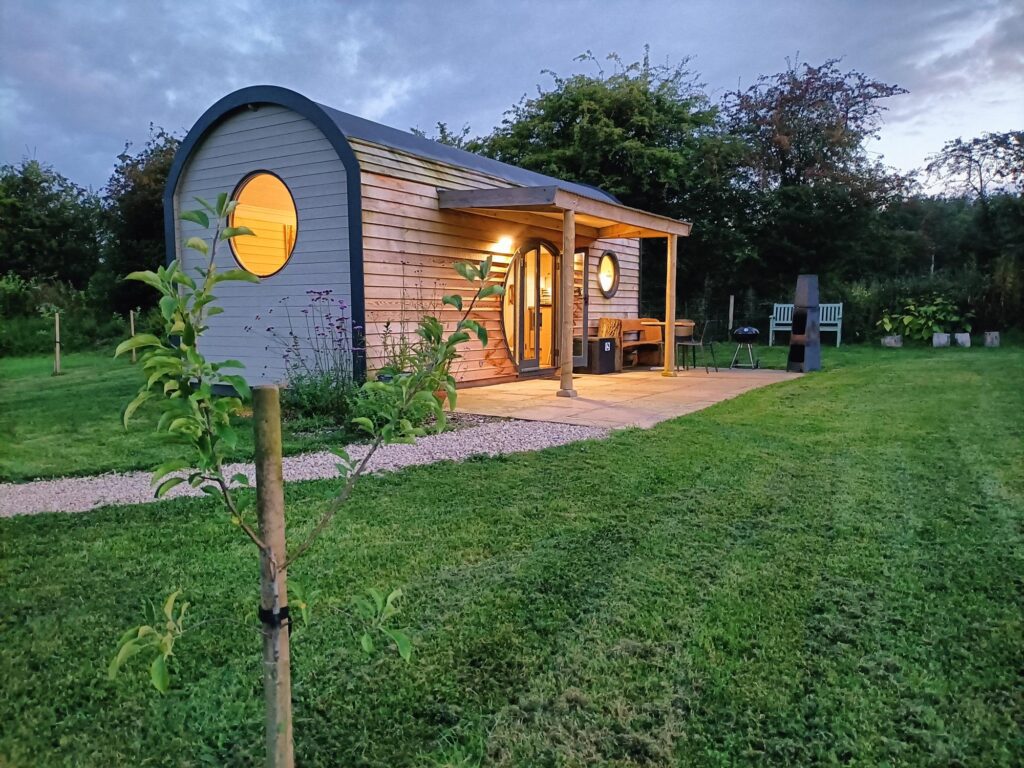
3 Trees Glamping
A small, quietly tucked-away glamping site on the edge of Wirksworth, with woodland-and-field surroundings, alpacas in the background and footpaths leading straight into the…
View property →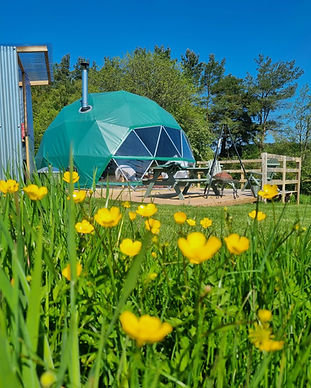
Aber Glamping
A secluded farm stay in the Brecon Beacons, where geo domes and pods look towards Pen y Fan and dark skies make the nights…
View property →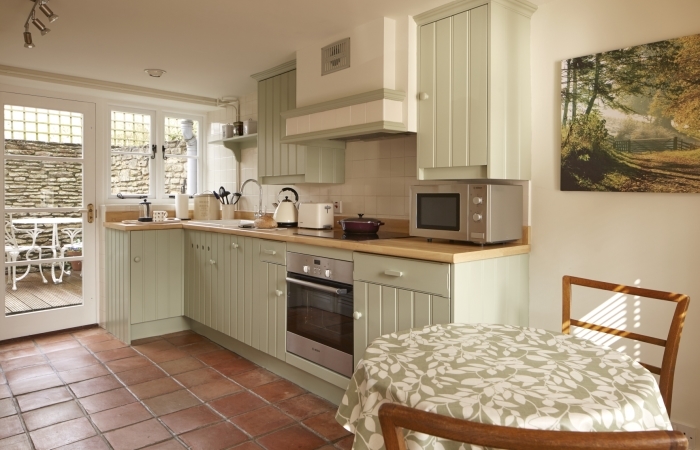
Angel Cottage
A stone cottage in Tetbury’s old heart, well placed for long wanders, antique-shop afternoons and easy forays into the softer, greener corners of the…
View property →