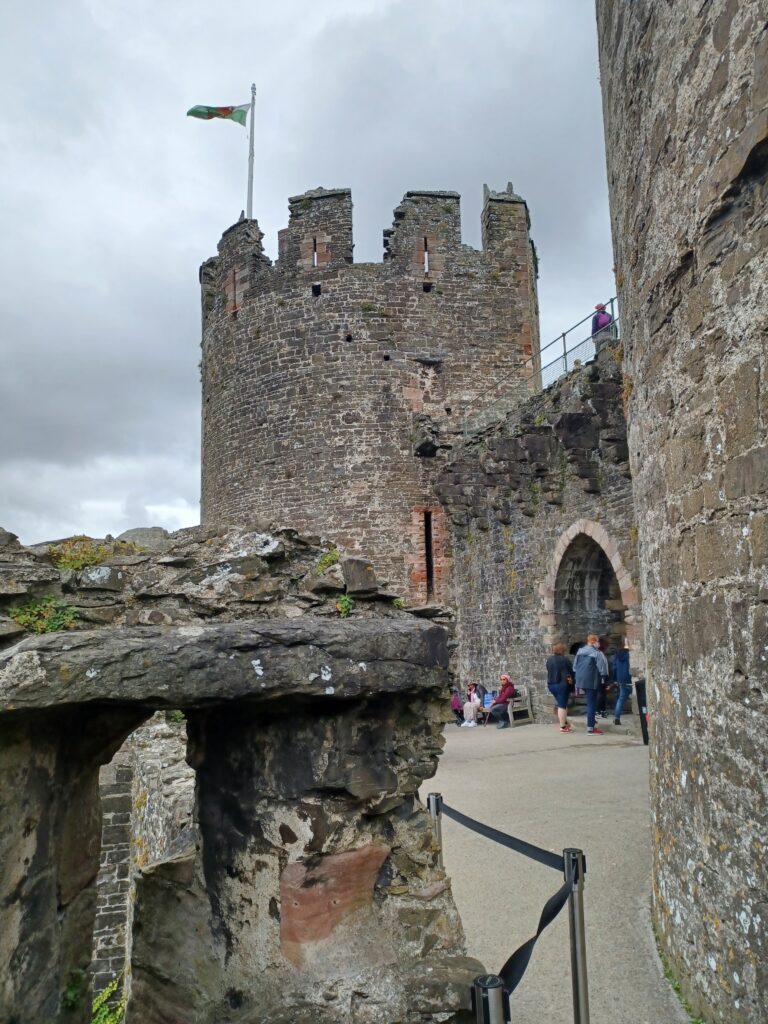
With more than 600 castles, Wales wears its history in stone. Some rise above harbours and beaches, some command market towns, and some sit quietly in green border country, making a Welsh castle-hopping holiday as varied as it is memorable.
Places to Stay in North Wales
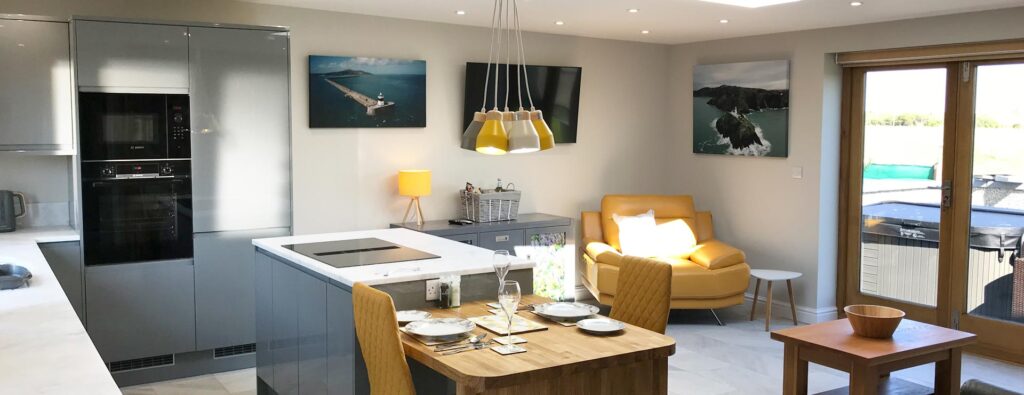
Anglesey Sea Views
Converted stone cottages on Holy Island with wide sea views, easy access to the coastal path and a front-row position for Anglesey’s wilder, wind-bright…
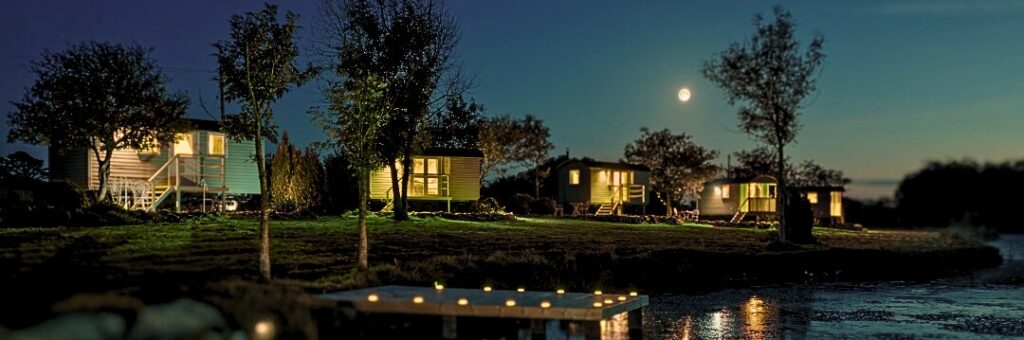
Brook Cottage Shepherd Huts
An adults-only retreat on the Llŷn Peninsula, where handcrafted shepherd huts sit among meadow, water and mountain views, close enough to the coast for…
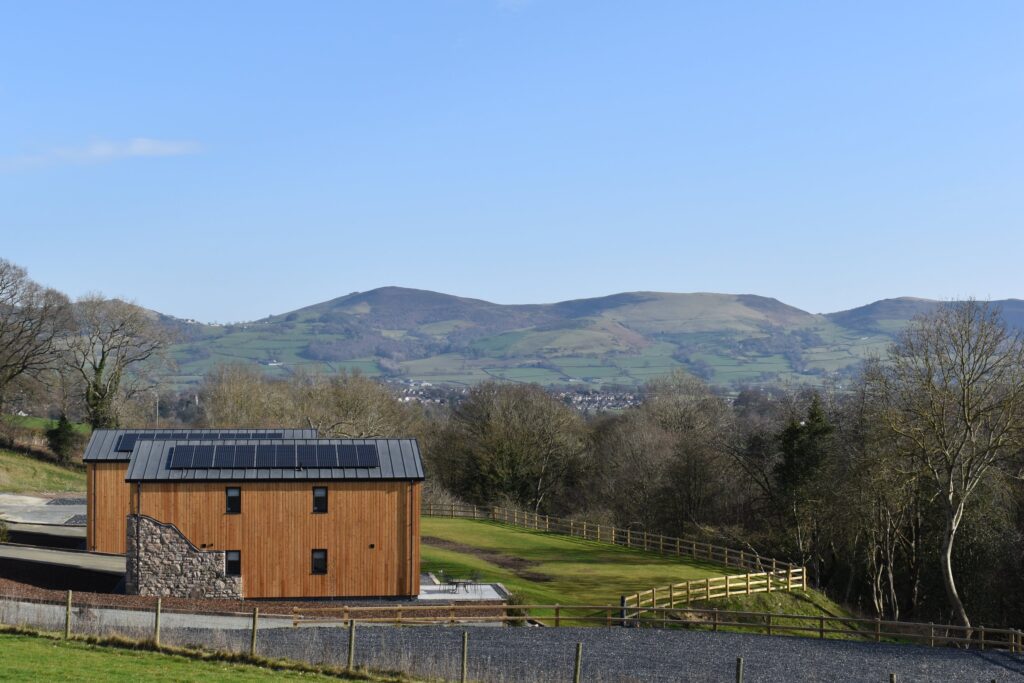
Fron Haul
A polished hillside lodge near Ruthin, with long views across the Denbighshire countryside and a rooftop-style terrace made for unhurried evenings outdoors.
Few places make a castle trail feel so natural. The great appeal of castles in Wales is not simply their number, but their range: vast Edwardian fortresses, romantic ruins, coastal strongholds and compact sites that fit neatly into a family day out. They are woven into landscapes that are already worth the journey, so a castle visit often becomes part of a wider holiday of sea views, mountain roads, harbour lunches and old town walks.
For first-time visitors, North Wales is often the clearest place to begin. This is where several of the grandest fortresses stand, many linked to Edward I’s campaign to control the region in the late 13th century. Conwy is one of the most complete and rewarding, with curtain walls, towers and a beautifully contained setting beside the estuary. The town itself adds to the experience, with its walls, quayside and narrow streets. When the tide is in and the light shifts over the water, the whole place feels tightly held between castle, harbour and hills.
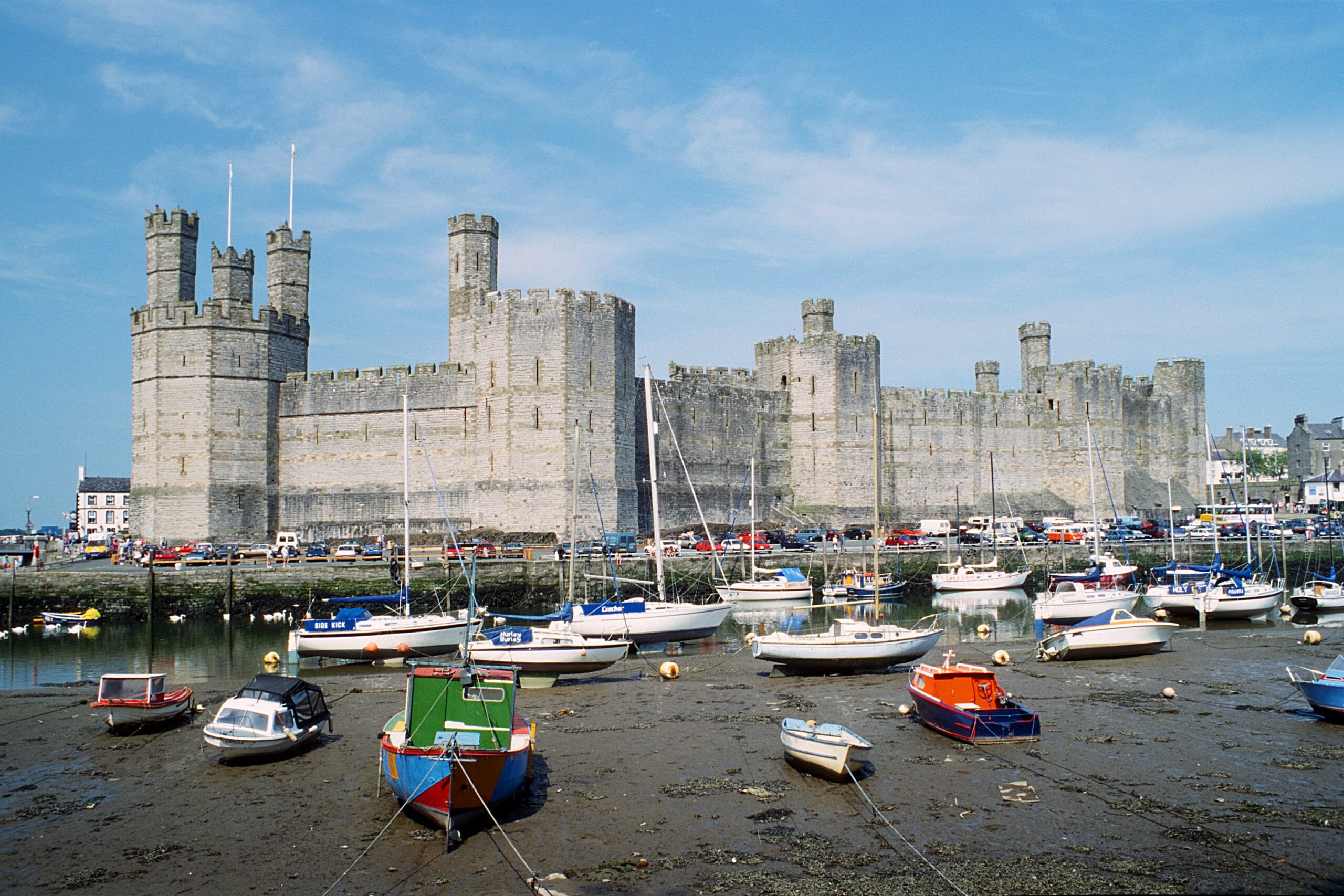
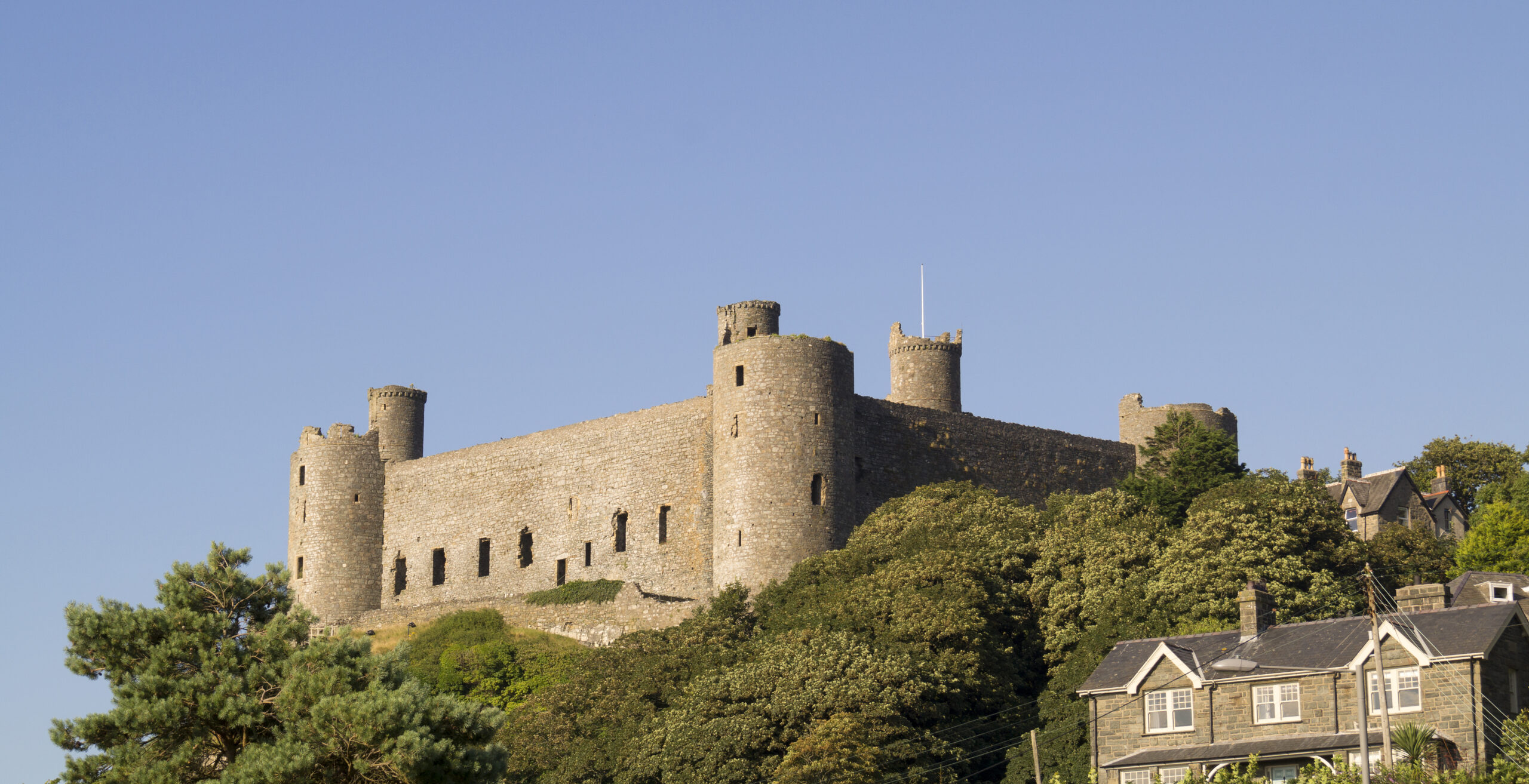
Caernarfon is more monumental still, with polygonal towers and an unmistakably imperial presence on the Menai Strait. It suits travellers who want scale and historical weight, while nearby Anglesey and Snowdonia make it easy to build a fuller itinerary around it. Beaumaris, also on Anglesey, is more elegant in mood, framed by water and open skies. Harlech, set above the coast with mountain views behind, is hard to beat for a dramatic stop on a longer northern route.
“In Wales, castles rarely dominate the landscape; they seem to grow naturally from it.”
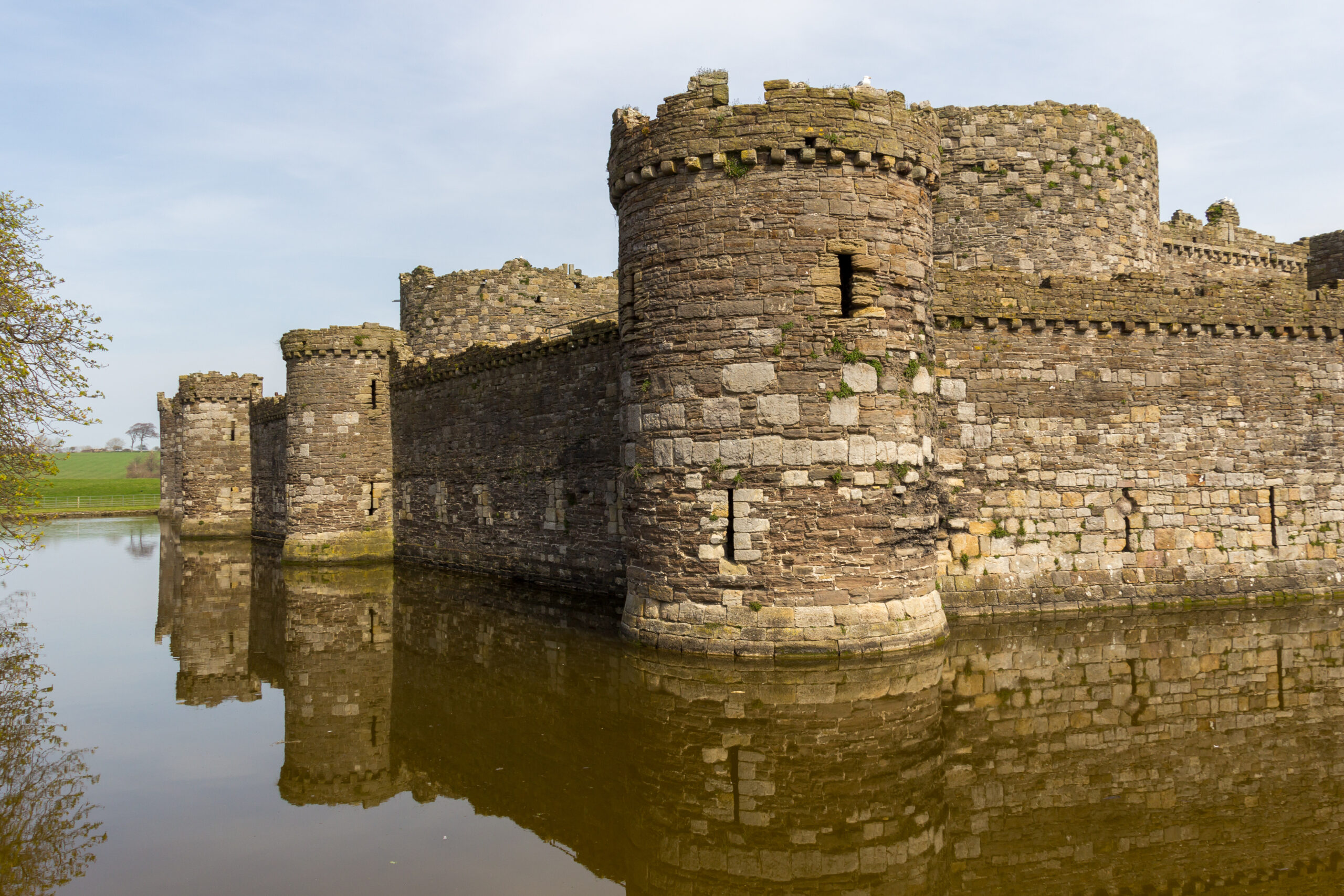
Several of these northern sites form part of the UNESCO-listed Castles and Town Walls of King Edward in Gwynedd, and they are worth prioritising for anyone wanting the defining chapter of Welsh castle history. If time allows only two or three major visits, this is a sensible cluster to focus on.
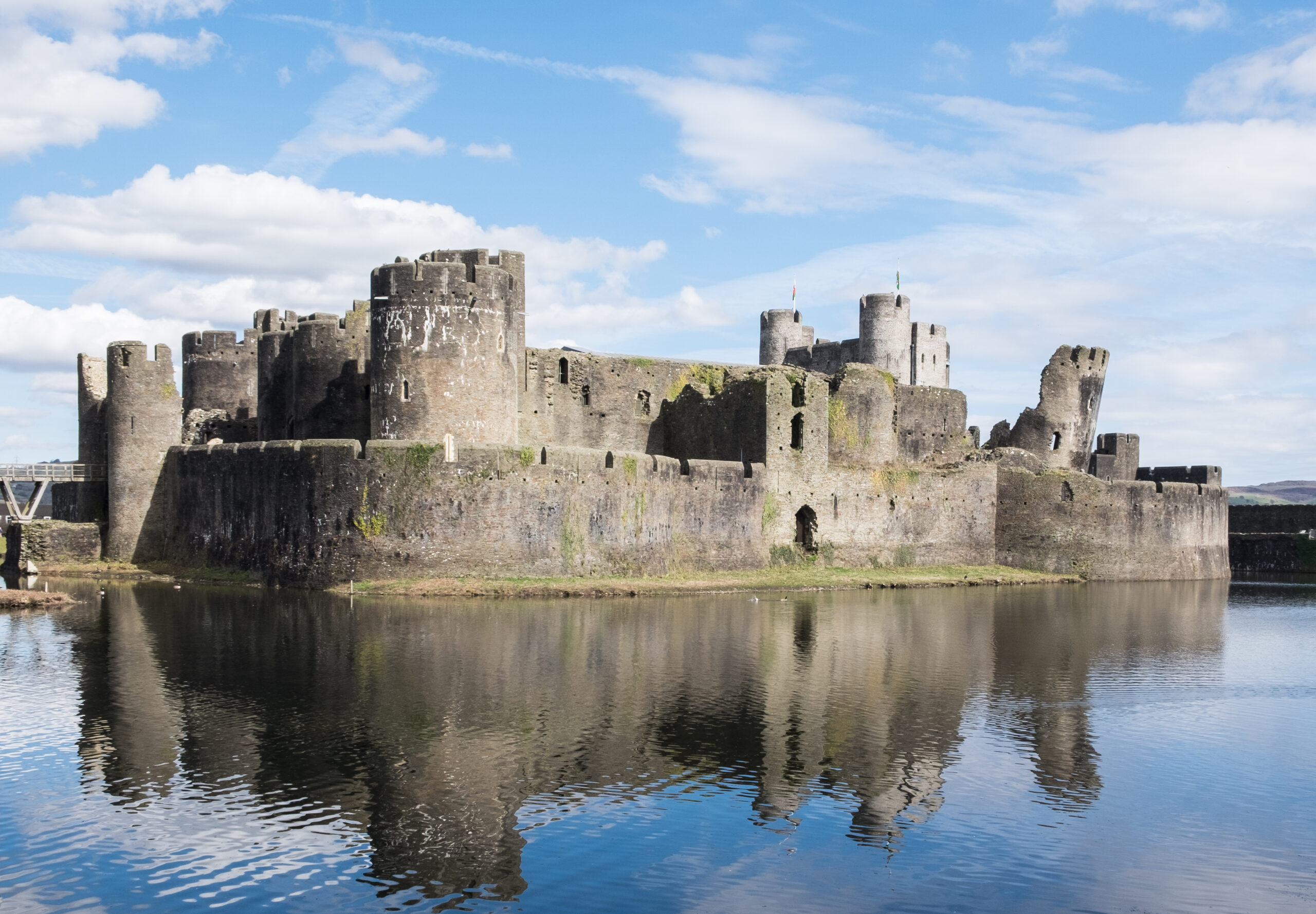
South Wales offers a different rhythm. Cardiff Castle, right in the capital, is one of the easiest castles in Wales to visit without a car, and works well for a city break. Its layers are part of the interest: Roman origins, Norman fortifications and lavish Victorian interiors. Nearby Caerphilly Castle brings scale, water defences and a more obviously medieval feel, making it especially good for families who want space to roam. Further west, Castell Coch, tucked into wooded hills north of Cardiff, has a dreamlike quality and is an easy addition to a stay in the city or the Vale.
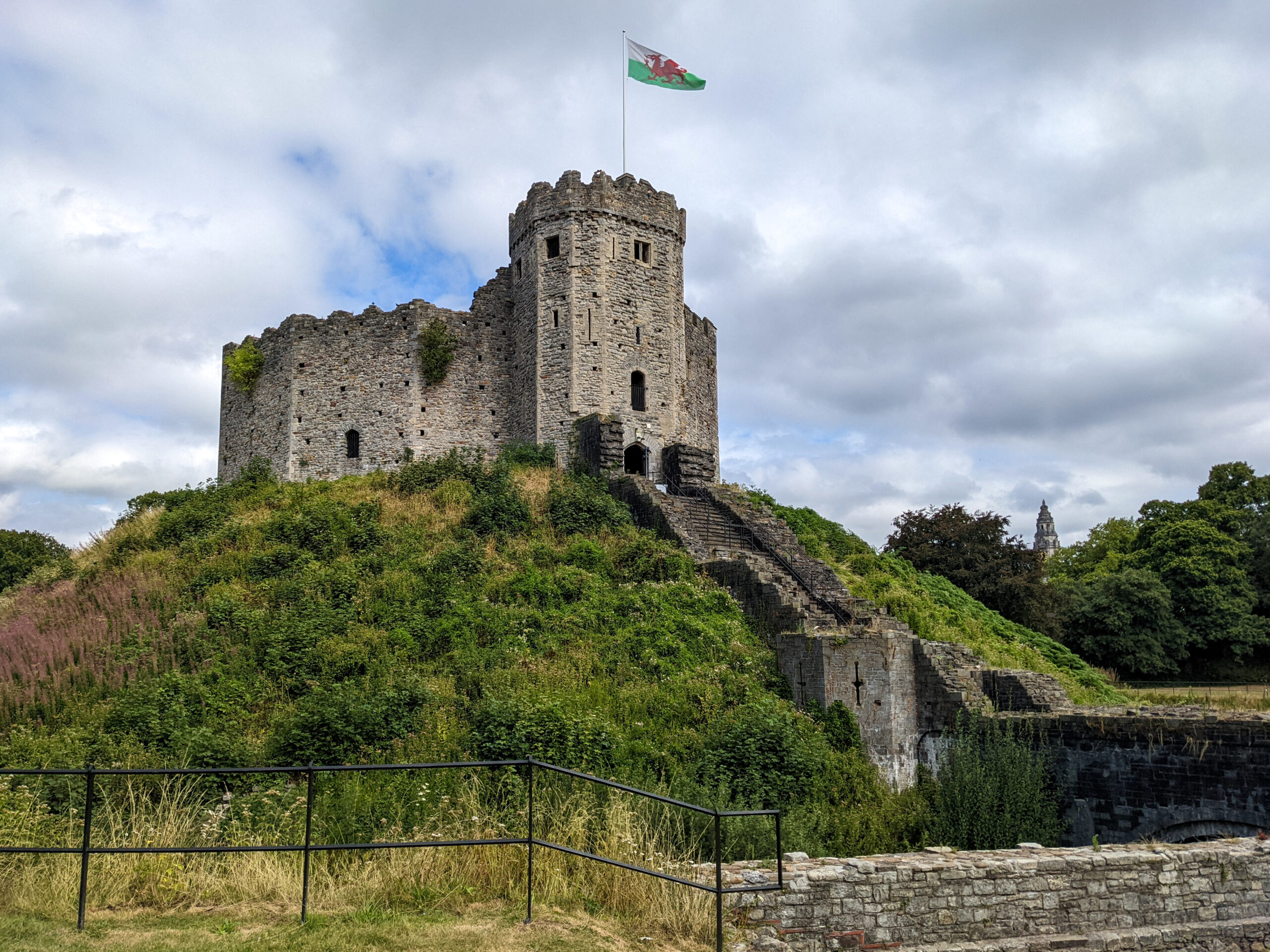

West Wales is often gentler in tone, though no less memorable. Pembroke Castle has real presence, rising above the river in the town where Henry VII was born. It suits those with a deeper interest in Welsh and British history, but it is also straightforward to visit as part of a Pembrokeshire holiday. Nearby, Carew Castle is one of the most atmospheric family options, with a waterside setting and mill pond that softens its military past. In Tenby or Pembroke Dock, the day tends to slow by late afternoon; harbour streets grow quieter and the sea air sharpens, making a castle visit feel part of a wider coastal pause rather than a stand-alone attraction.
“Sea light, mountain roads and market towns give Welsh castles their unusual sense of scale.”
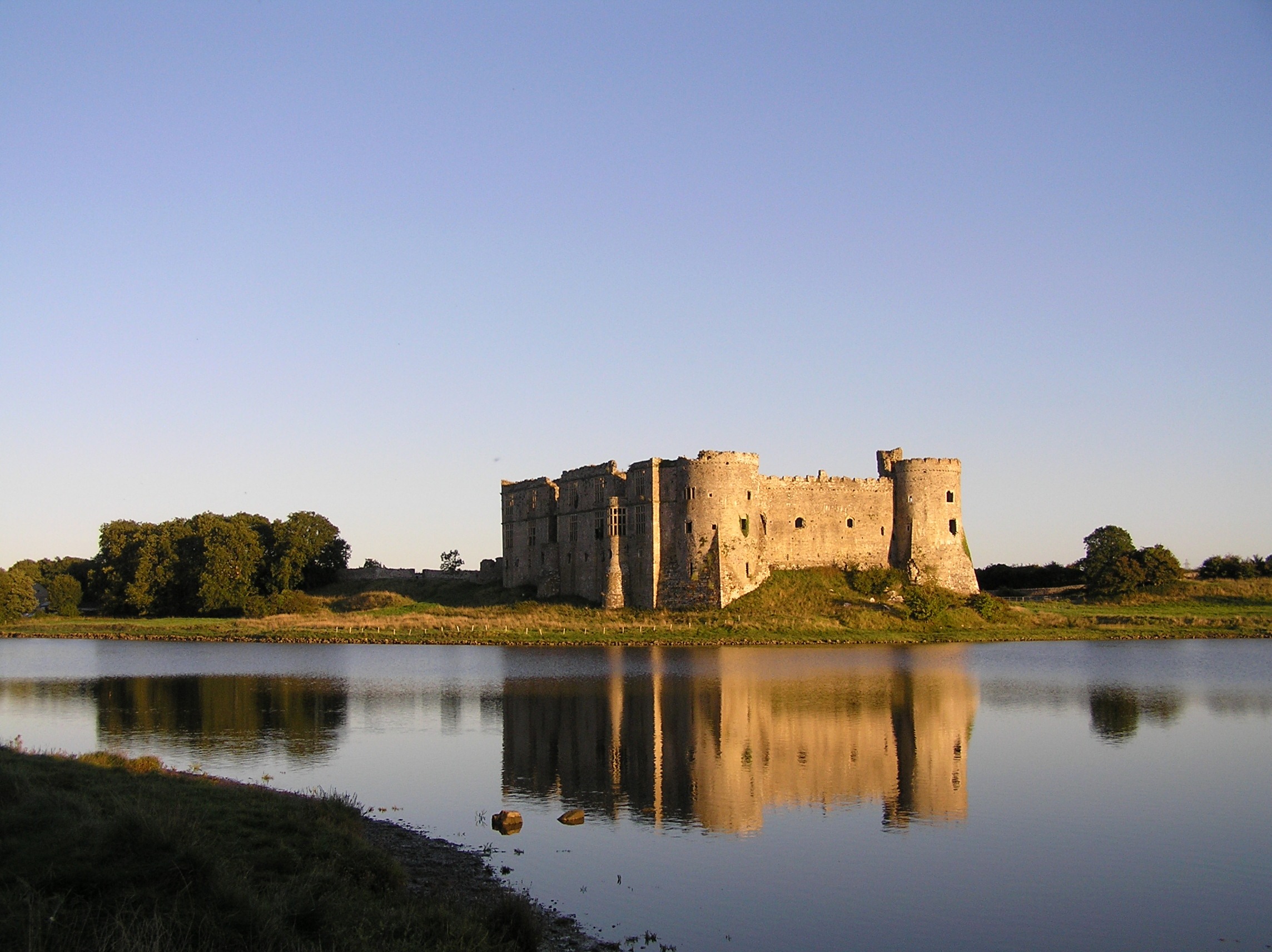
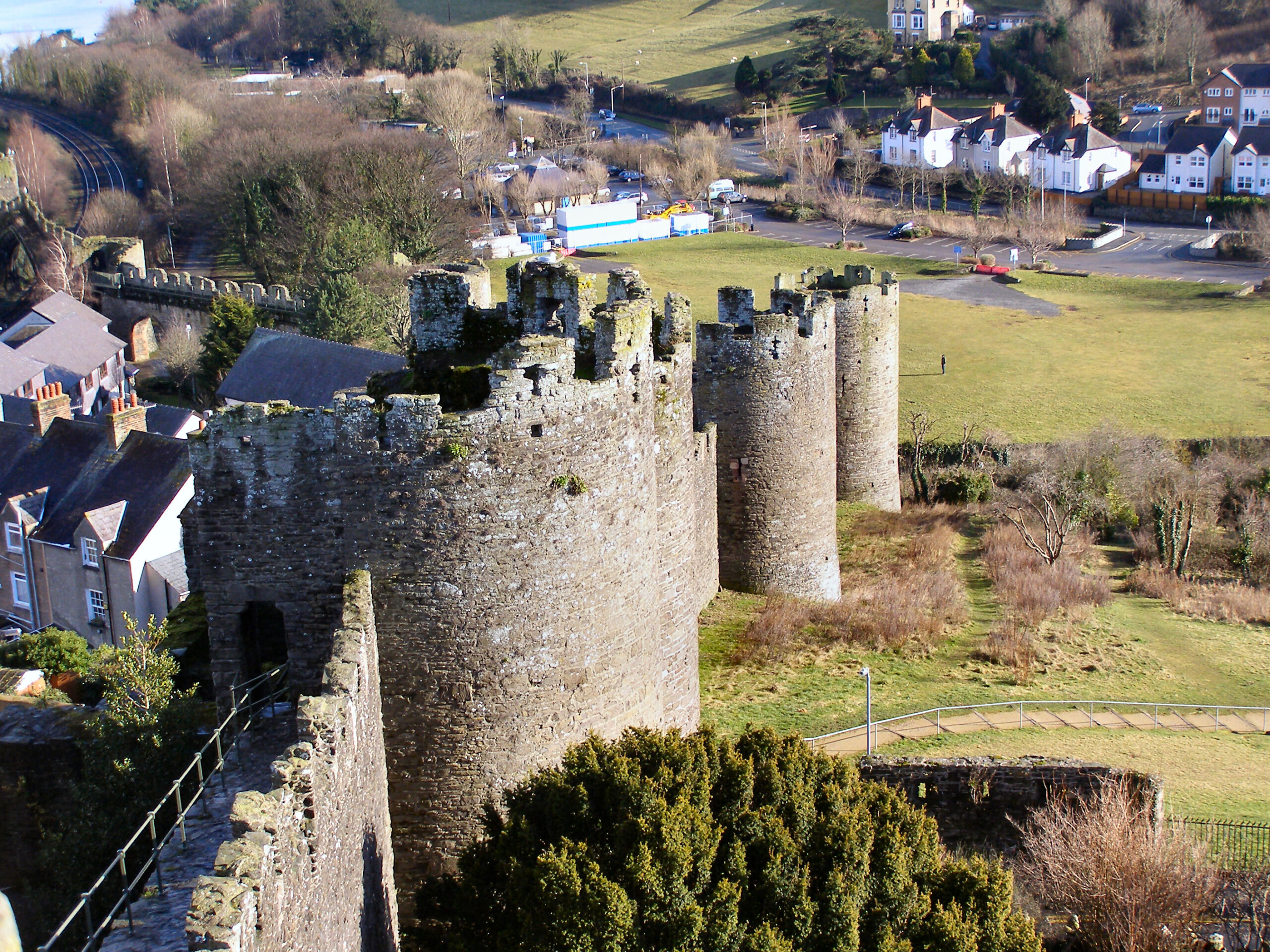
For families, the most satisfying sites are often those with room to move and enough visual drama to hold attention without too much explanation. Caerphilly, Carew and Conwy all fit well. For scenery, Harlech and Beaumaris are worth choosing. For those drawn to the deeper story of conquest, power and nationhood, Caernarfon, Conwy and Pembroke are the places to linger.
Planning a castle trail is usually easiest by region rather than by trying to cover the whole country at once. North Wales lends itself to a focused three- or four-day route; South Wales works well as a series of day trips from Cardiff; West Wales suits a slower holiday with beaches, walking and one or two substantial sites. In Wales, castles rarely sit apart from the journey around them. They are part of the weather, the coastline, the market towns and the long history that gives a holiday here its particular depth.
Useful Links
Tourist Information
Heritage
National Trust
Frequently Asked Questions
Which castles in Wales are best for a first visit?
If you are visiting for the first time, North Wales is often the easiest place to begin. Conwy, Caernarfon, Beaumaris and Harlech offer some of the most striking and historically important sites, and they sit close enough to build into a manageable route. If you prefer a city break, Cardiff Castle is a simpler starting point.
What is the best area of Wales for a castle-hopping holiday?
That depends on the sort of trip you want. North Wales suits a focused short break with several major fortresses in one region. South Wales works well for day trips, especially from Cardiff. West Wales is better for a slower holiday, combining castles with beaches, harbour towns and coastal scenery.
Which Welsh castles are best for families?
Caerphilly, Carew and Conwy are especially good family choices. They have plenty of visual impact, space to explore and settings that keep younger visitors interested without needing too much historical background. Castles with open grounds or waterside surroundings often feel easier with children than more demanding ruins or highly interpretive sites.
Can you visit Welsh castles without a car?
Yes, though your options are broader with one. Cardiff Castle is one of the easiest to visit by public transport because it sits in the capital. Conwy and Caernarfon can also fit into a rail-and-bus itinerary with some planning. More rural sites in West Wales or the coast are often easier to reach by car.
Which castles in Wales have the best scenery?
Harlech is one of the most dramatic, with coastal views and mountains behind. Beaumaris has a calmer waterside setting with wide skies, while Conwy combines estuary views with a handsome walled town. If scenery matters as much as history, these are strong choices for a memorable stop.
Which Welsh castles are part of the UNESCO World Heritage Site?
Several of the great North Wales strongholds form part of the UNESCO-listed Castles and Town Walls of King Edward in Gwynedd. Conwy, Caernarfon, Beaumaris and Harlech are the key sites. They are among the most significant castles in Wales and are a sensible priority if you want the best-known examples.
How many castles should you try to see on one trip?
It is usually better to focus on a region rather than try to cover the whole country. Two or three major castles can be enough for a short break, especially if you also want time for coast, countryside or town visits. Too many in quick succession can start to blur together, particularly with children.
Which Welsh castles are best for visitors interested in history?
Caernarfon, Conwy and Pembroke are especially rewarding if you want a stronger historical focus. Caernarfon and Conwy are central to the story of Edward I’s campaign in North Wales, while Pembroke connects with later Welsh and British history. Cardiff Castle is also interesting for its Roman, Norman and Victorian layers.