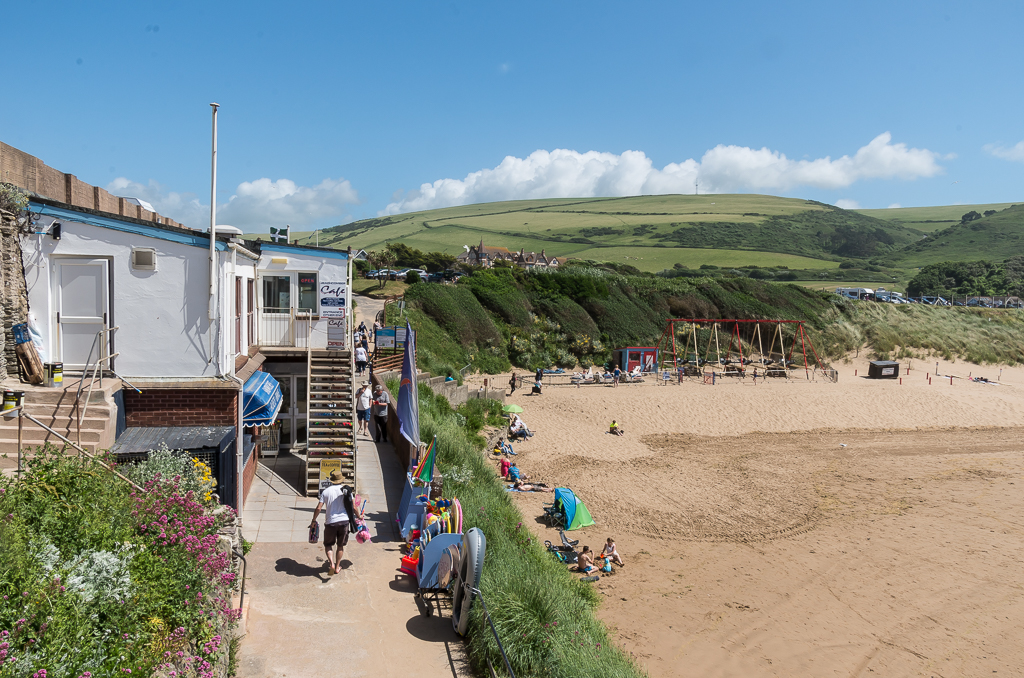
Choosing the top 5 beaches in Devon means balancing very different pleasures: easy family sand, proper surf, clear-water swimming and those South Devon coves that look especially good as the light shifts in late afternoon. These five are worth prioritising because each suits a distinct kind of beach day, with practicalities that make planning easier.
Places to Stay in Devon
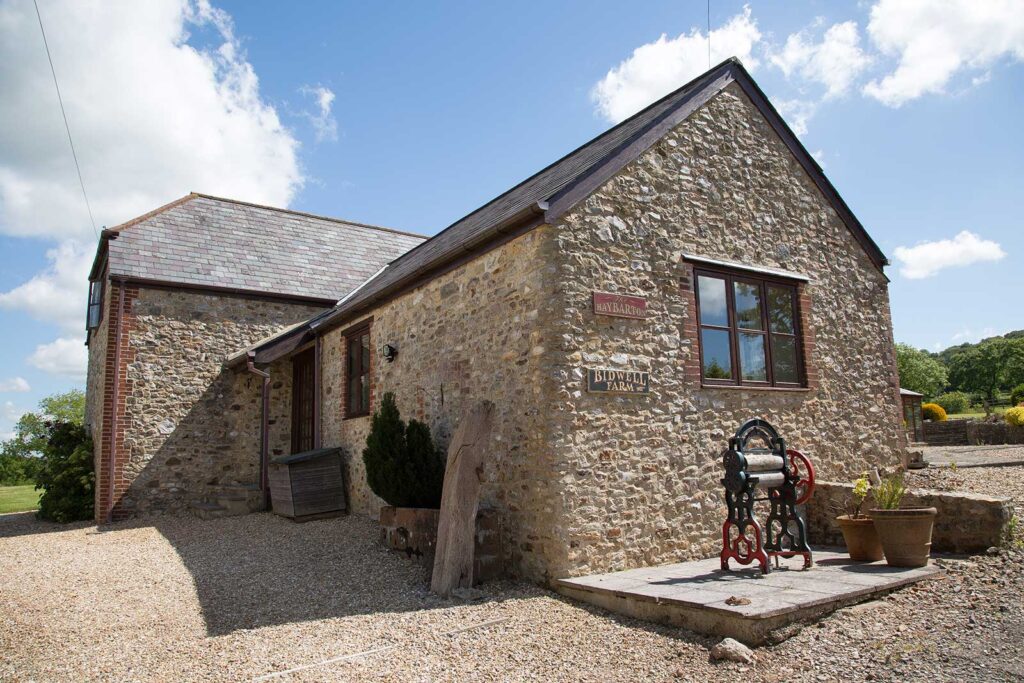
Bidwell Farm
A thoughtfully restored former hay store on a long-loved East Devon farm, with generous interiors, far-reaching rural views and the easy warmth of a…
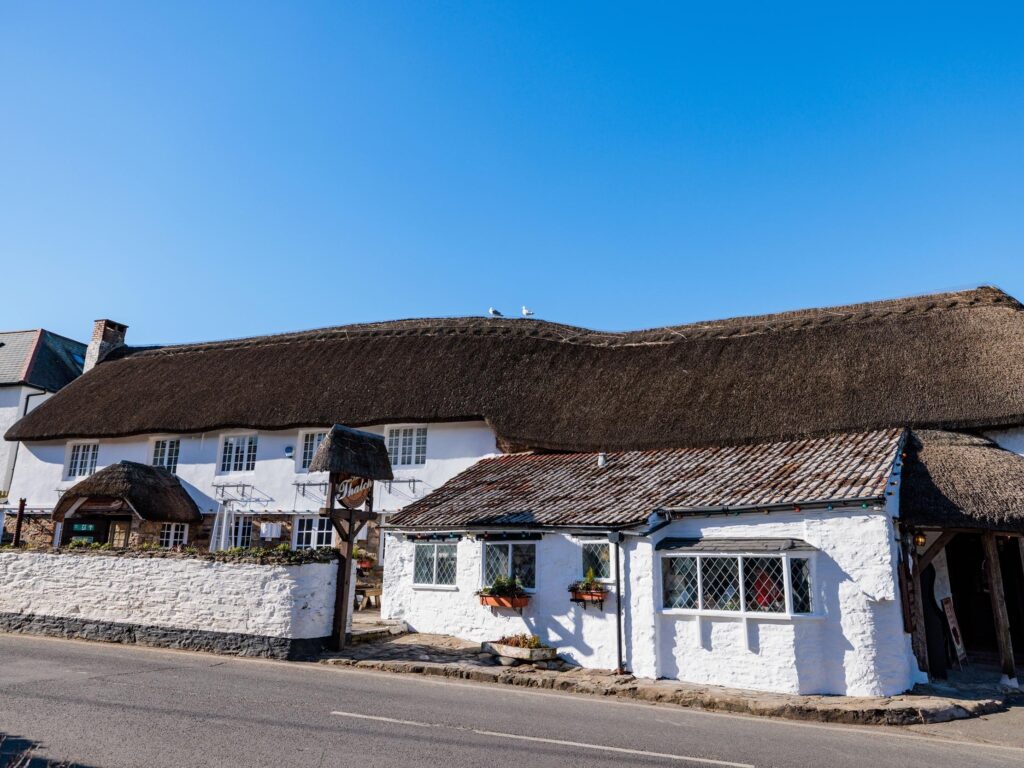
Croyde Beach Breaks
For mornings shaped by surf, sand and sea air, these design-led cabins in Croyde bring together easy beach living, strong interiors and a walk-everywhere…
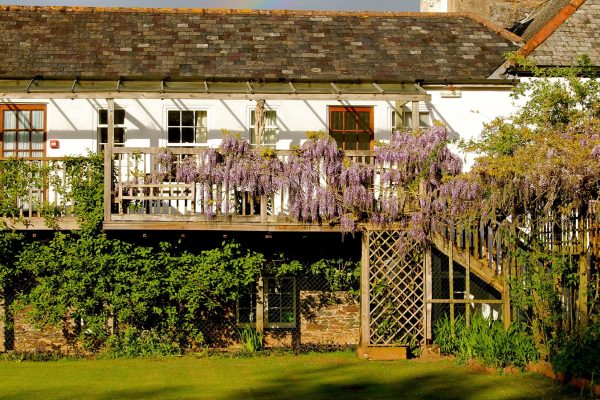
Fingals
An unusual retreat near Dittisham, where a glassy, streamside hideaway brings together birdsong, soft light and a strong sense of escape in South Devon.
1. Woolacombe Beach
Why go: For a classic big-beach day on the North Devon coast, Woolacombe is hard to beat. There is a huge sweep of sand, reliable surf and enough space to spread out even in summer. On breezy days the sea looks busy and bright; when the tide pulls back, the beach seems to go on for miles.
Who it suits: Families with older children, surfers, walkers and anyone wanting a lively but still handsome beach.
What to know: Parking is straightforward in the village and close to the beach, but summer weekends get busy. Lifeguards usually patrol in season. Dog restrictions apply on parts of the beach in summer, so it is worth checking before setting off.
Nearby tip: Walk up to Morte Point for a wilder coastal view after the beach, or stop in Woolacombe village for an easy lunch.
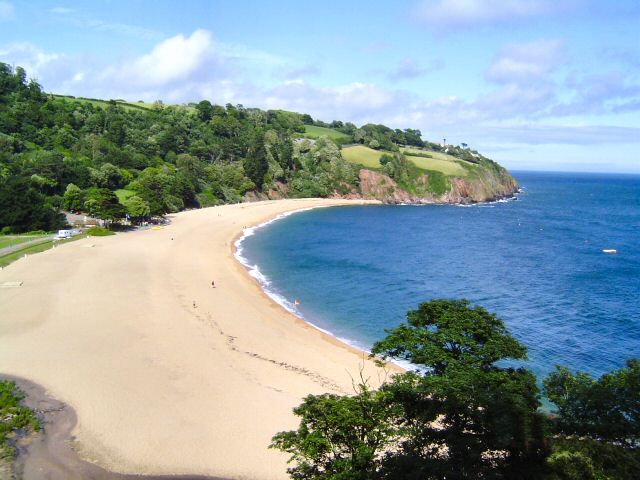
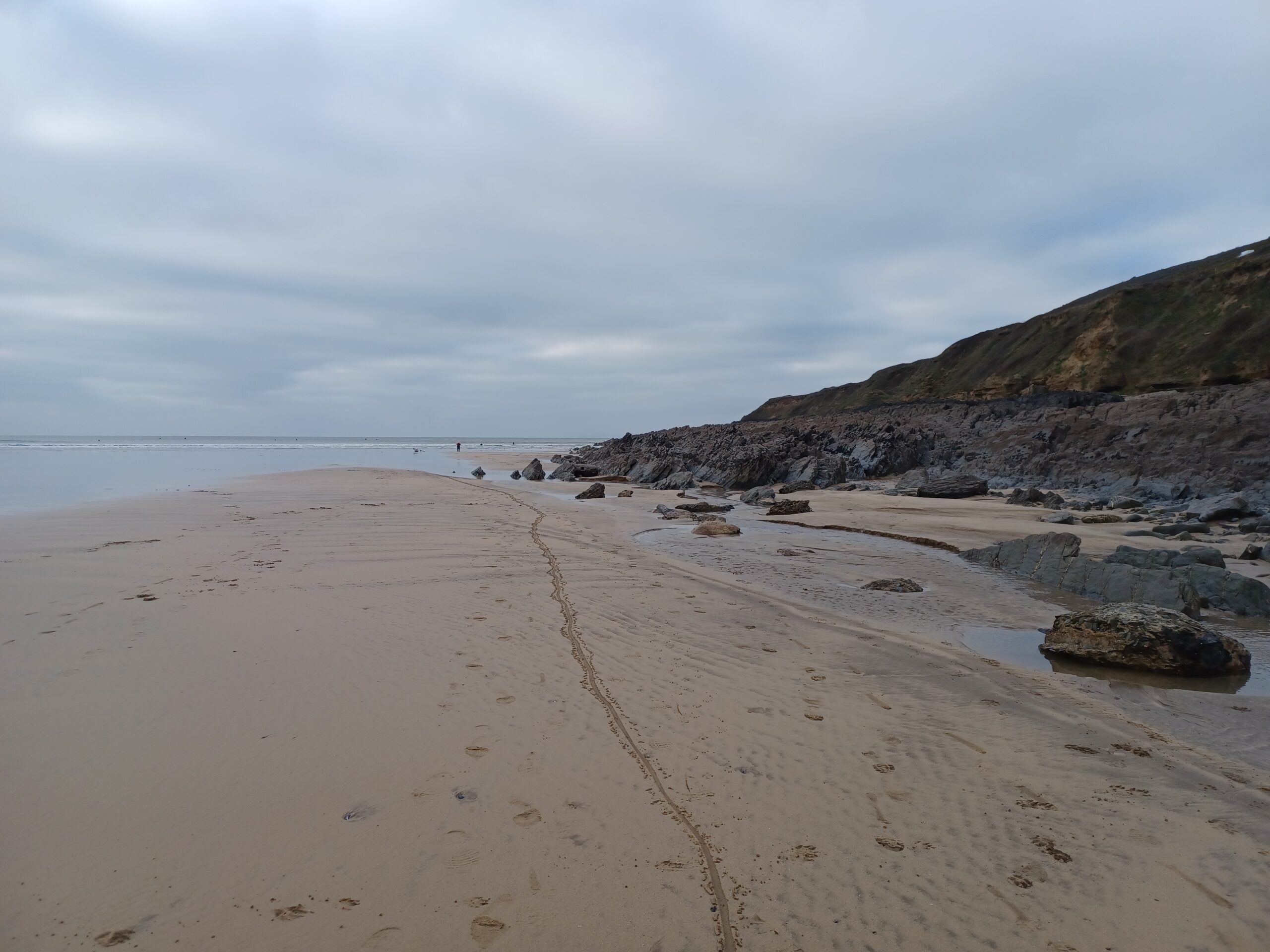
“In Devon, the beach mood changes fast: pine-backed shingle one hour, open surf the next.”
2. Blackpool Sands
Why go: This sheltered South Devon bay feels more polished than sprawling, with clear water and dark shingle backed by pines. It is a strong choice for swimming and gentler seaside time rather than surf.
Who it suits: Couples, swimmers and families who prefer a neat, well-run beach with facilities close at hand.
What to know: Despite the name, this is a shingle beach rather than soft sand. Parking is close and convenient, which helps with children and picnic gear. It can feel popular in high summer, so earlier arrival is sensible.
Nearby tip: Dartmouth is only a short drive away and worth adding for harbour views and supper as the waterfront quietens towards evening.
3. Saunton Sands
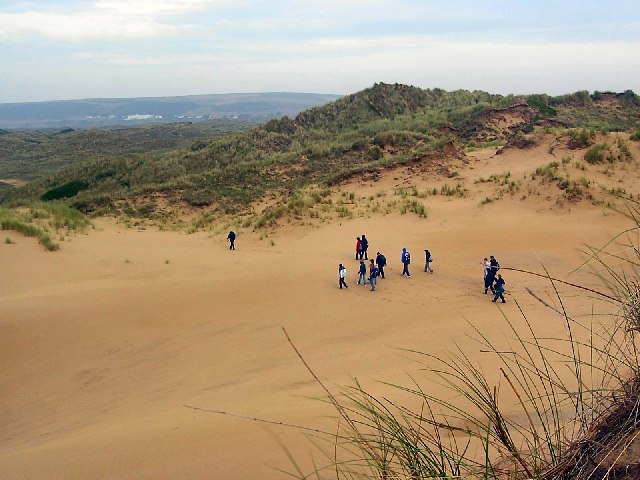
Why go: Saunton offers a vast, open shoreline with excellent surf and a more spacious feel than some better-known beaches. The dunes behind the beach add a proper sense of scale.
Who it suits: Surfers, long-distance beach walkers and groups wanting room to roam.
What to know: There is a large car park, but the walk across the dunes can feel exposed in windy weather. Lifeguards usually cover the main area in season. Dog rules vary by time of year, so check ahead.
Nearby tip: Braunton is useful for surf hire and supplies, and the nearby dunes are worth a short detour.
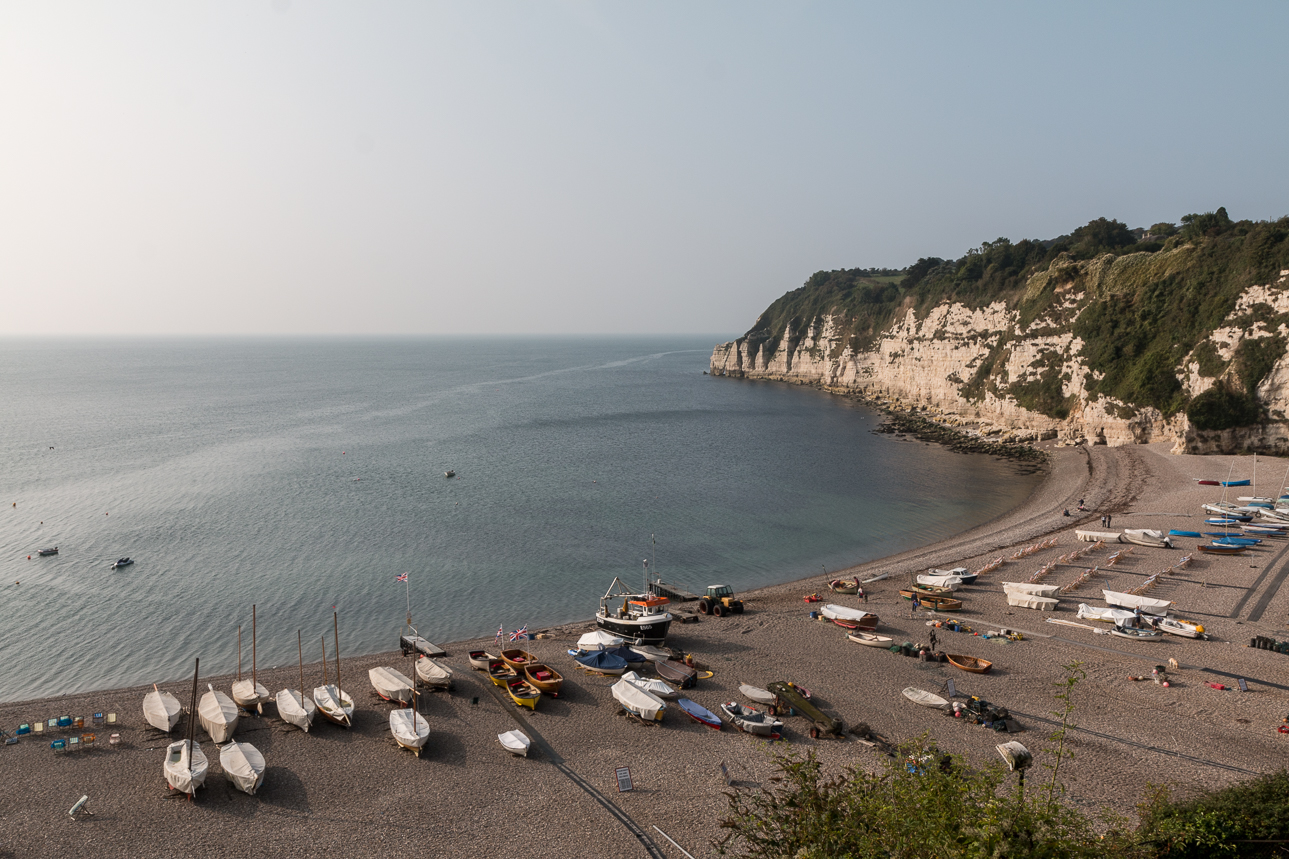
“Fishing boats on Beer’s pebbles remind you Devon’s coast is worked, not merely admired.”
4. Bantham Beach
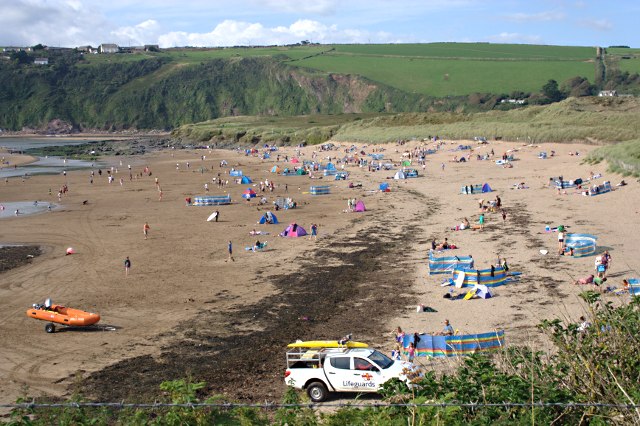
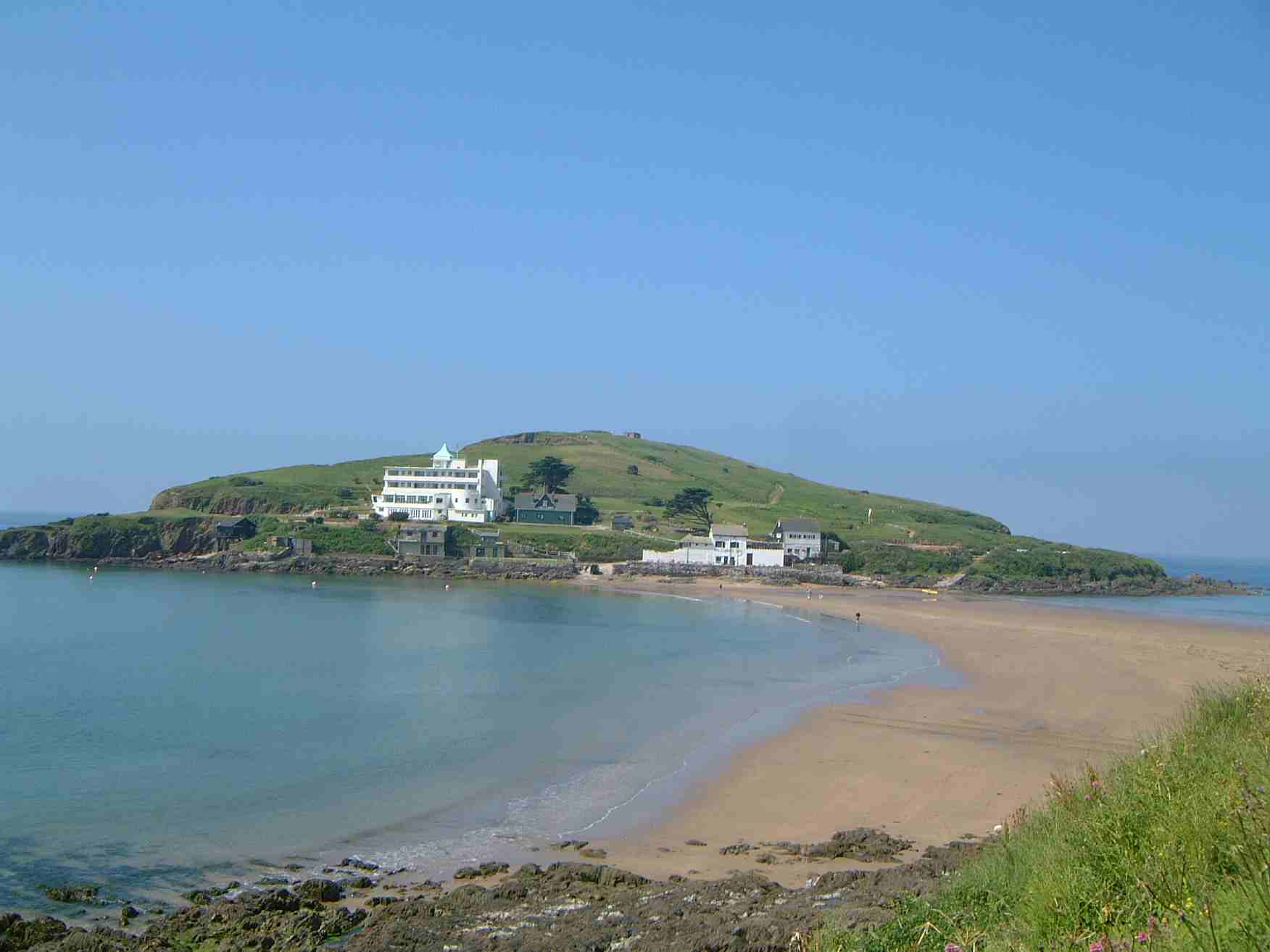
Why go: Bantham is one of South Devon’s most attractive beach settings, with sand, surf and fine views across to Burgh Island. It works beautifully for scenery as well as time in the water.
Who it suits: Mixed groups, paddleboarders, swimmers and families with children who like space to explore.
What to know: The car park is practical but can fill quickly in summer. Tides matter here, particularly for different water activities, so a quick check before arrival helps. Seasonal dog restrictions usually apply on the main beach.
Nearby tip: Bigbury-on-Sea and Burgh Island make an easy add-on, especially when the tide changes the look and rhythm of the bay.
5. Beer Beach
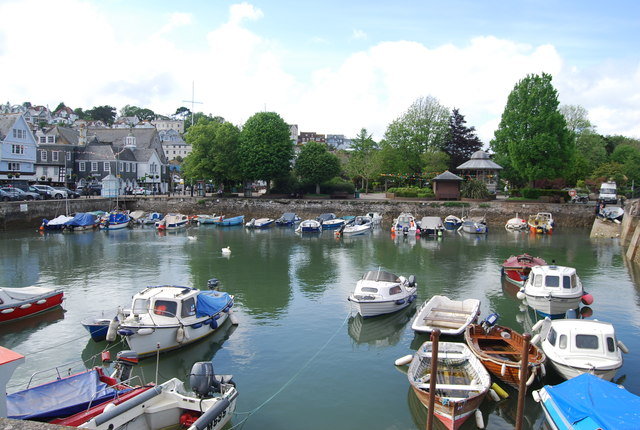
Why go: For a beach with character rather than scale, Beer is worth choosing. Fishing boats are still pulled up on the pebbles, and the village sits close behind, giving the whole place an easy, working-coast feel.
Who it suits: Couples, quieter beachgoers, photographers and anyone who likes swimming from a traditional seaside village.
What to know: This is a pebble beach, so beach shoes help. Access is easy from the village, though parking can be limited at busy times. It is better for paddling and swimming than for sandcastle-building.
Nearby tip: A walk on the South West Coast Path towards Branscombe is rewarding, and the village’s cafés are handy for a late lunch.
Useful Links
Tourist Information
Local Council
National Trust
Frequently Asked Questions
Which Devon beach is best for families with children?
It depends on the sort of beach day you want. Woolacombe is a strong all-round choice for families who want sand, space and seasonal lifeguards. Bantham suits children who like exploring and paddling. If you prefer easier access to facilities and calmer water, Blackpool Sands is often a good fit, though it is shingle rather than sand.
Where are the best beaches in Devon for surfing?
Woolacombe and Saunton Sands are two of the most dependable choices for surf, both with wide beaches and plenty of room. Bantham can also work well, especially for mixed groups who want scenery as well as time in the water. Conditions vary with tide, swell and wind, so it is sensible to check the forecast before setting out.
Are any of these beaches better for swimming than surfing?
Yes. Blackpool Sands is often chosen for swimming thanks to its sheltered setting and clearer water. Beer Beach can also be good for a traditional swim, especially if you prefer a quieter village setting. Even so, sea conditions can change quickly, so take note of local safety information and any seasonal lifeguard cover.
Which Devon beaches are dog-friendly?
Several of these beaches allow dogs at certain times of year, but restrictions often apply on parts of the beach during the main summer season. Woolacombe, Saunton Sands and Bantham commonly have seasonal rules that can change. It is best to check the latest local signage or council guidance before travelling, especially if you are visiting in warmer months.
Do I need to worry about parking in summer?
Yes, particularly on warm weekends and during school holidays. Bantham and Woolacombe can fill up early, and parking in Beer is more limited because of the village setting. Blackpool Sands and Saunton are generally straightforward, but arriving earlier in the day usually makes things easier wherever you go.
Which beach is best if I want a quieter, more traditional seaside feel?
Beer Beach is the standout choice if you want character over sheer size. It has pebbles rather than sand, fishing boats drawn up on the shore and a village close behind, which gives it a more traditional feel. It suits couples, photographers and swimmers particularly well, though beach shoes are useful on the stones.