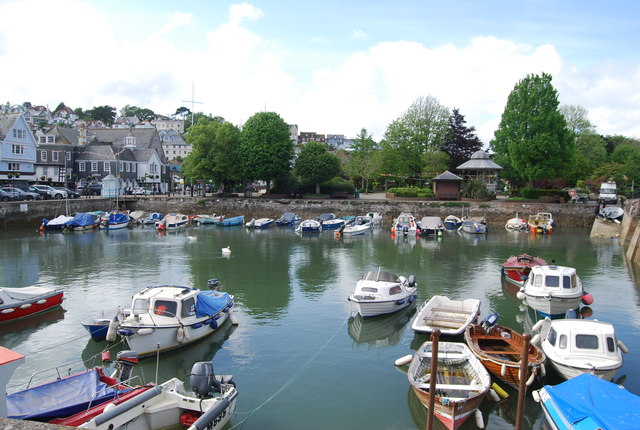
A county of long surf beaches, sheltered estuaries, moorland tors and old fishing towns, Devon rewards choosing the right base as much as choosing the right season. This Devon guide is designed to help first-time and returning visitors decide which part of the county suits them best, and what kind of holiday to build around it.
Places to Stay in Devon
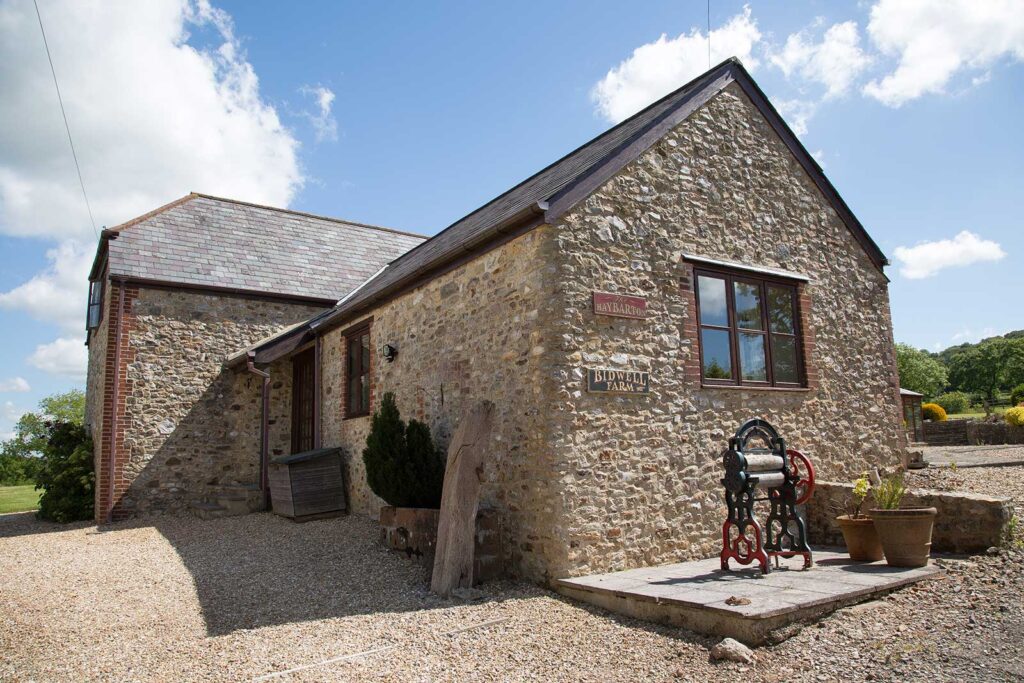
Bidwell Farm
A thoughtfully restored former hay store on a long-loved East Devon farm, with generous interiors, far-reaching rural views and the easy warmth of a…
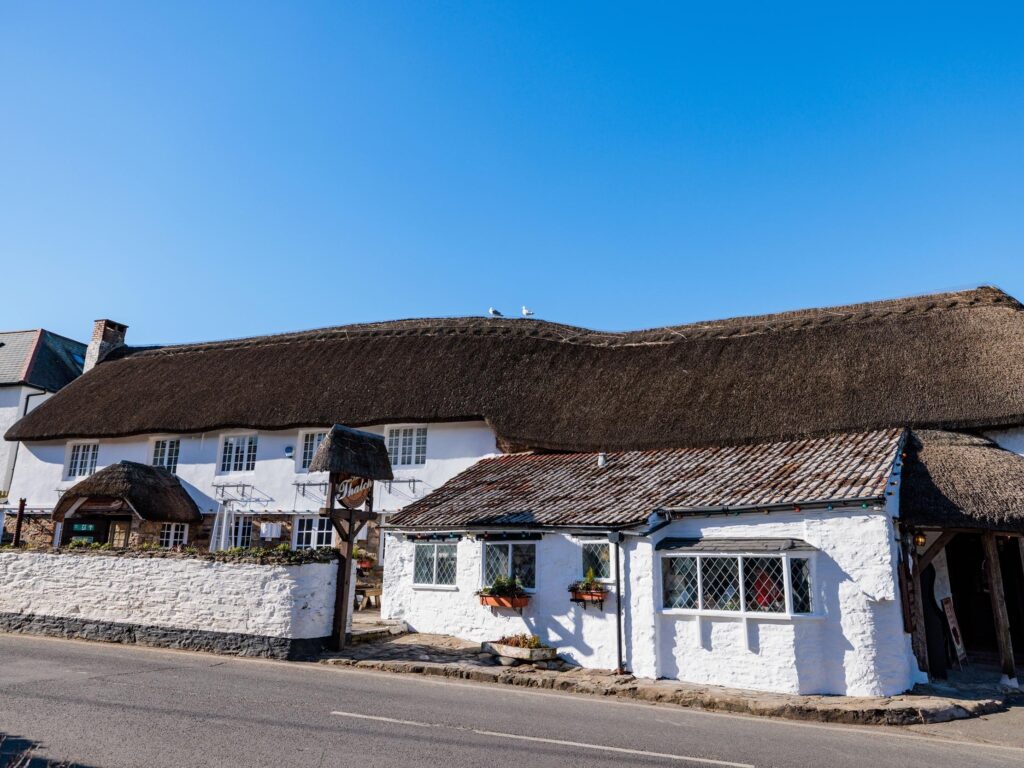
Croyde Beach Breaks
For mornings shaped by surf, sand and sea air, these design-led cabins in Croyde bring together easy beach living, strong interiors and a walk-everywhere…
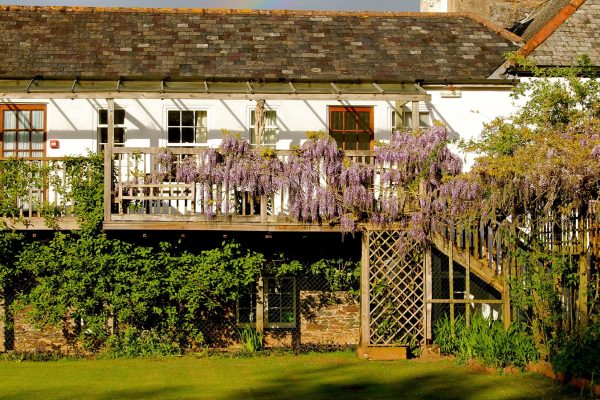
Fingals
An unusual retreat near Dittisham, where a glassy, streamside hideaway brings together birdsong, soft light and a strong sense of escape in South Devon.
Why visit Devon
Devon has range in a way few English counties do. Within a couple of hours, the landscape shifts from the open Atlantic coast of the north to the gentler coves and sailing towns of the south, then inland to Dartmoor’s high moor and East Devon’s softer, greener folds.
That variety shapes the holiday. North Devon suits beach days, walking and a wilder coastal feel. South Devon is well suited to harbours, estuaries, gardens and easier-paced family stays. East Devon offers handsome seaside towns and the Jurassic Coast. Dartmoor brings space, stone villages, river valleys and a more inward kind of escape.
For many guests, the key is not trying to do all of Devon at once. Roads can be slow, distances feel longer than they appear on a map, and each area has a distinct character. It is usually better to choose one or two regions and settle into them properly.
North Devon
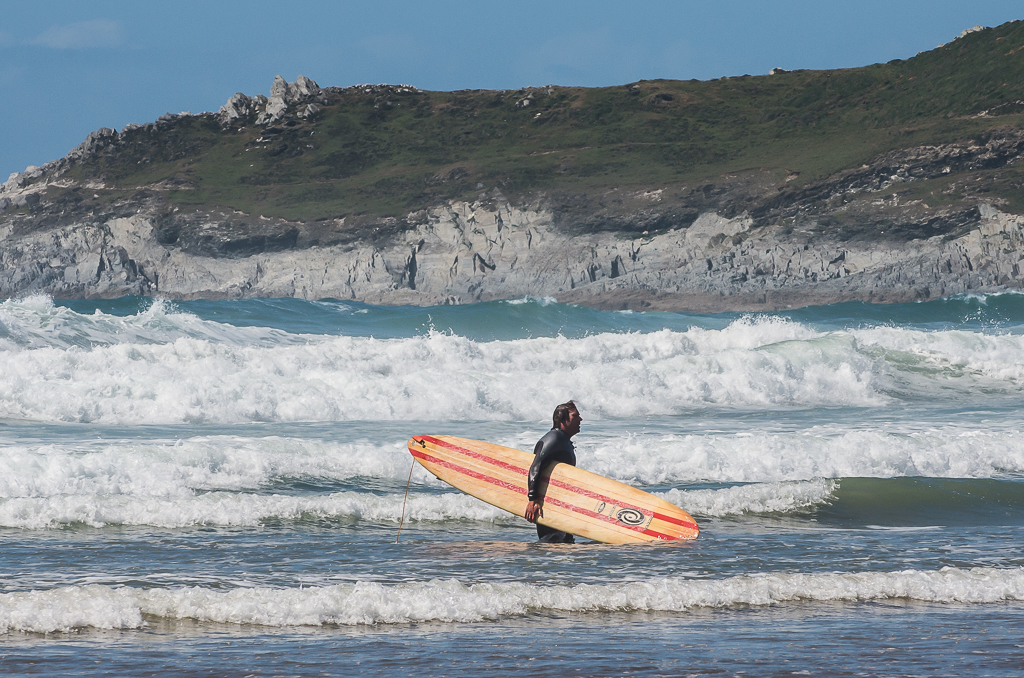
North Devon feels broader and more exposed, with big beaches, high cliffs and a strong connection to the Atlantic. This is the part of the county for surfers, coastal walkers and anyone who likes their seaside with a little weather in it. Even in summer, the wind can move quickly across the headlands.
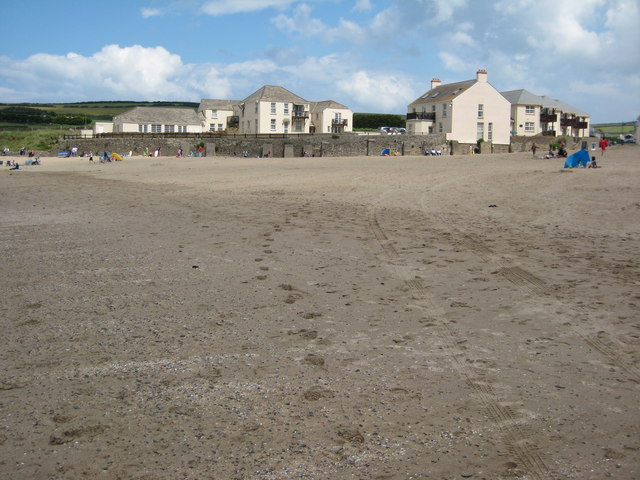
Bases such as Woolacombe, Croyde, Braunton and Ilfracombe all offer different versions of the coast. Woolacombe is hard to beat for a classic beach holiday, with a long sandy sweep and easy family appeal. Croyde has a village scale and a surf culture without losing its rural setting. Ilfracombe, with its harbour and hills, works well for guests who want a town rather than a beach resort.
Worth prioritising here are the beaches around Saunton Sands and Woolacombe, the cliff paths near Morte Point, and day trips into Exmoor if time allows. The light often changes quickly on this coast; what begins as a grey sea can turn silver by late afternoon.
South Devon
South Devon is softer in outline and richer in harbour towns, estuaries and sheltered coves. This is a good choice for guests who want variety without constant driving: beach mornings, market-town lunches, boat trips and gardens can all fit easily into a short stay.
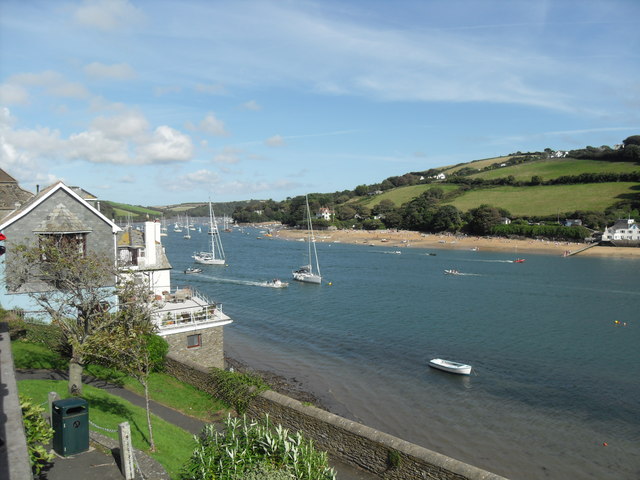
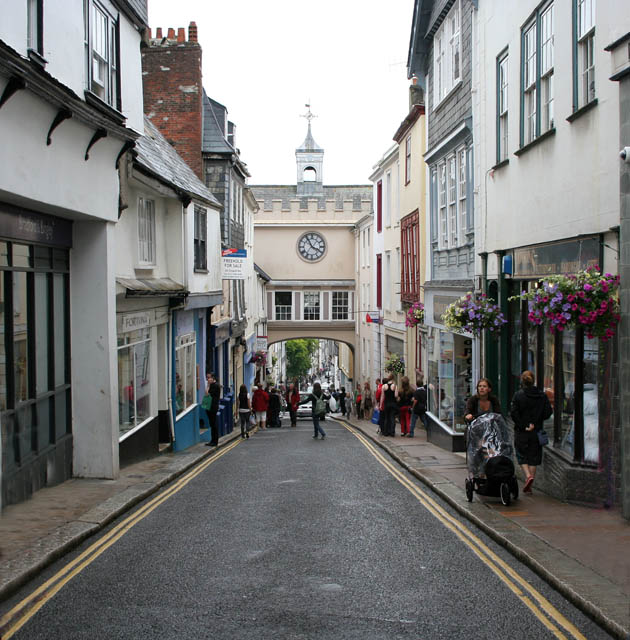
Salcombe, Dartmouth, Kingsbridge and Totnes are the names many visitors begin with, and for good reason. Salcombe is polished but still defined by water, ferries and the estuary. Dartmouth has one of the county’s most attractive settings, with steep streets and a naval history that gives it weight as well as charm. Totnes suits those who prefer independent shops, a slightly bohemian edge and easy access to the South Hams.
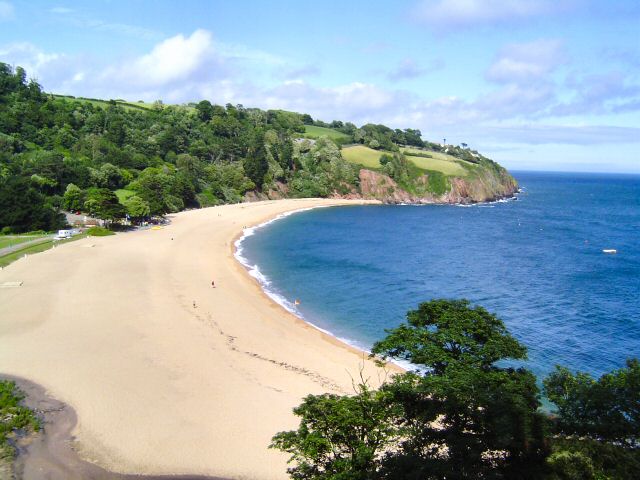
The South Devon coast is particularly good for guests who like smaller beaches and changing scenery rather than one long resort strand. Blackpool Sands, Bantham, Hope Cove and the beaches around Bigbury all have their own rhythm. In harbour towns, the day tends to quieten after the boats return and the shops begin to close, leaving quaysides and waterfront streets with a calmer evening feel.
“In Devon, the sea changes character as quickly as the roads turn inland.”
East Devon
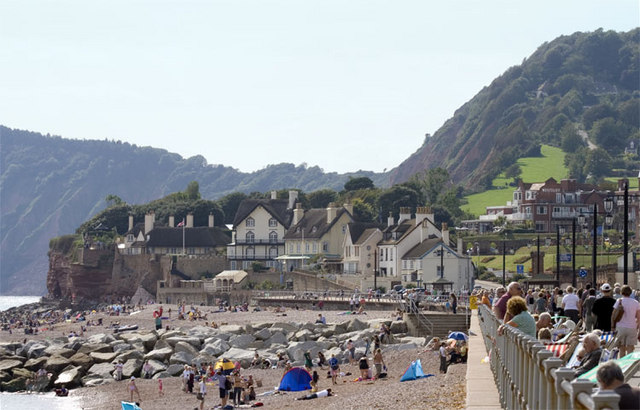
East Devon is often a quieter choice, and a good one. The landscape becomes gentler here, with elegant seaside towns, red cliffs and access to the Jurassic Coast. It suits couples, walkers and multi-generational family trips that want a measured pace.
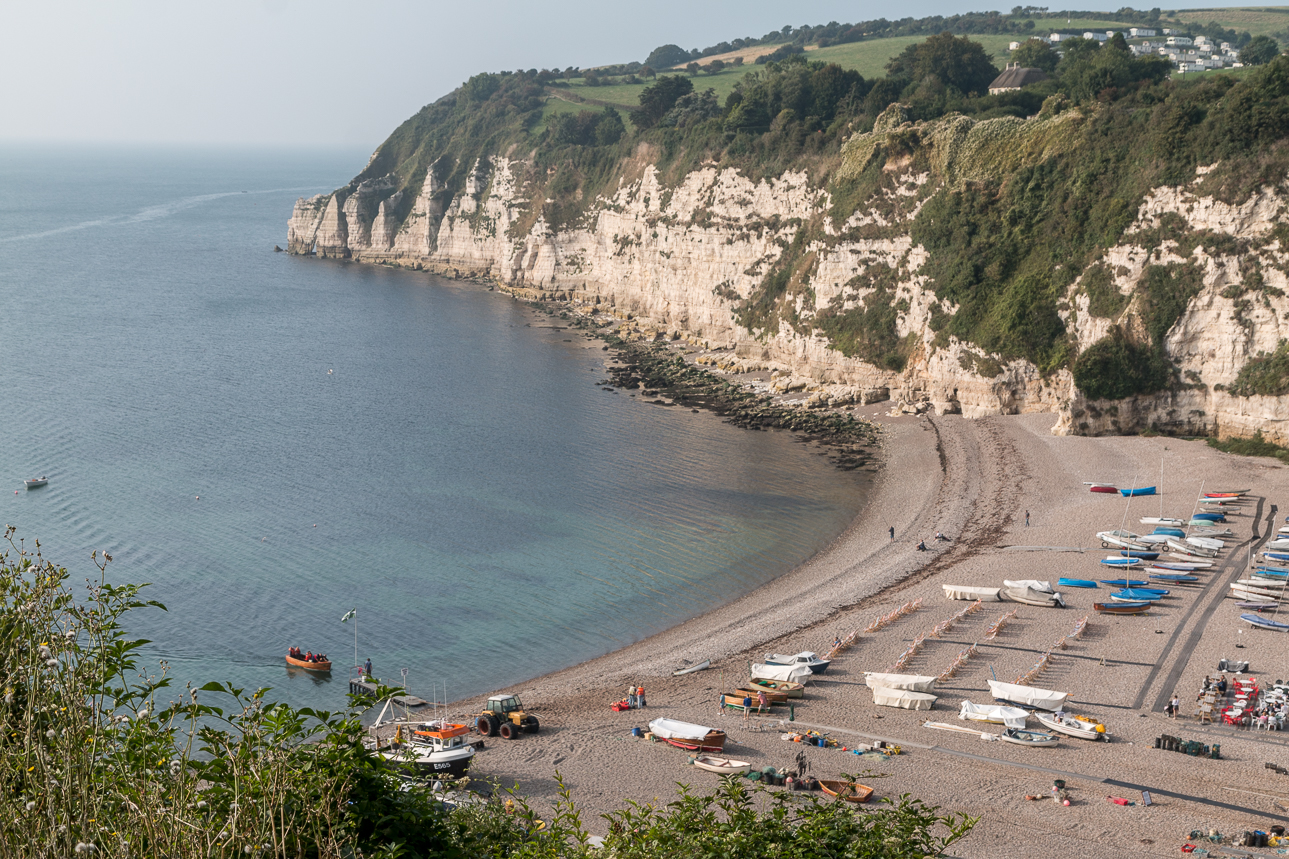
Sidmouth is one of the strongest bases in the area, with a seafront that still feels orderly and distinct from larger resort towns. Budleigh Salterton is quieter still, with a long pebble beach and a more residential character. Beer remains one of East Devon’s most appealing villages, with its fishing heritage and compact scale.
This part of the county also works well for combining coast and countryside. The South West Coast Path is excellent here, and inland detours to places such as Ottery St Mary add another dimension. For guests interested in geology and coastal walking, East Devon is worth choosing on purpose rather than as an overflow from busier parts of the county.
Dartmoor
Dartmoor offers a different Devon altogether. Instead of beaches and estuaries, there are granite tors, open moorland, deep lanes, rivers and villages of stone and slate. Weather matters more here, and the mood can shift quickly, which is part of the appeal.
Tavistock, Chagford, Ashburton and Widecombe-in-the-Moor all make sensible bases depending on the kind of stay planned. Chagford is well placed for a quieter moorland break, while Ashburton links Dartmoor with the South Devon coast. Tavistock adds market-town substance and easier access from Cornwall and western Devon.
Walking is the main draw, but Dartmoor also suits guests who want slow drives, good inns, historic houses and a fire-lit evening rather than a beach itinerary. We would choose Dartmoor for autumn and winter short breaks, when the landscape feels especially clear-cut and the county’s coastal hotspots are less of a pull.

“Harbour towns and granite moorland give Devon its rare mix of salt and stone.”
Seaside towns, beaches and family days
Devon is one of the easiest counties in England for a family beach holiday, but the style of beach matters. For wide sand and straightforward bucket-and-spade days, North Devon usually wins. For coves, estuaries and mixed days out, South Devon often works better. East Devon is less about classic sandy beaches and more about promenades, coastal walks and traditional seaside calm.
For family attractions beyond the beach, there is plenty to build around: steam railways, castles, boat trips, wildlife parks and National Trust properties. In peak summer, it is worth balancing headline attractions with simpler days, because roads and car parks can become part of the experience if every outing requires a long drive.
Food and drink
Devon’s food scene is broad rather than showy. Seafood is strongest along the south coast, where crab, mussels and day-boat fish appear regularly on menus. In the north, pubs and cafés lean more towards surf-town ease and generous post-walk lunches. Across the county, farm shops, village bakeries and cream teas still matter.
For a stay shaped around food, South Devon probably offers the greatest concentration of appealing places to eat, especially around Dartmouth, Totnes and Salcombe. Dartmoor and the rural interior are better for inns, country dining rooms and produce-led cooking. Local cider is worth seeking out, and so are Devon cheeses where menus make room for them.
Throughout the seasons
Late spring and early autumn are often the most rewarding times to visit. The days are long enough for coast walks and beach time, but roads, towns and parking are generally easier than in the school summer holidays.
Summer brings the fullest version of Devon, especially for beach stays, but also the most traffic and the highest demand for good accommodation. Winter can be excellent for moorland breaks, harbour towns and long coastal walks, provided expectations are set for changeable weather and shorter days.
Planning your journey
Devon is large, and getting around usually takes longer than expected. A car is the simplest option for most stays, especially if combining coast and countryside. Rail connections work well for Exeter, Totnes, Plymouth and some seaside towns, but onward travel can be slower in more rural areas.
If arriving by train, it often makes sense to choose a single base with walkable access to restaurants, beaches or local transport rather than planning a highly mobile itinerary. On driving holidays, fewer stops usually lead to a better trip.
Choosing your base
For surf, big beaches and coastal walking, choose North Devon. For estuaries, sailing towns, food and a gently polished coastal break, choose South Devon. For quieter seaside stays and Jurassic Coast walking, choose East Devon. For walking, inns and a landscape-led escape at any time outside high summer, choose Dartmoor.
A short break works best when it is focused. Three nights in Dartmouth and the South Hams, four nights around Woolacombe and Croyde, a walking weekend in Sidmouth and Beer, or a moorland stay based around Chagford are all more satisfying than trying to loop through the whole county in one go.
Devon is not one place but several, and that is precisely its strength. The right stay depends less on ticking sights off a list than on choosing the version of the county that fits the holiday in mind.
Useful Links
Tourist Information
National Trust
English Heritage
Local Council
Frequently Asked Questions
Which part of Devon is best for a first visit?
It depends on the kind of break you want. North Devon suits surf beaches, dramatic coast and walking. South Devon is better for harbour towns, estuaries and varied family days out. East Devon feels quieter and works well for seaside walks and the Jurassic Coast. Dartmoor is the choice for moorland scenery, inns and a slower, landscape-led stay.
Is it realistic to see all of Devon in one trip?
Usually not, at least not without spending too much of the holiday in the car. Devon is larger and slower to cross than many visitors expect, especially in summer. Most stays work better when focused on one area, or at most two neighbouring regions, with time to settle into the local beaches, towns and walks.
Where should I stay in Devon for beaches and surfing?
North Devon is usually the strongest choice. Woolacombe is popular for a classic sandy beach break, Croyde has a long-established surf scene, and Braunton is well placed for access to Saunton Sands and the wider coast. This side of Devon tends to feel wilder and more Atlantic-facing, so expect bigger scenery and changeable weather.
What is the best area in Devon for families?
For straightforward beach days, North Devon often works best thanks to its wide sandy beaches. For families who want a mix of boat trips, smaller beaches, market towns and gentler-paced outings, South Devon is often easier. East Devon can suit multi-generational trips well if you prefer quieter seaside towns and coastal walks over all-day beach resorts.
When is the best time to visit Devon?
Late spring and early autumn are often the most rewarding times, with long enough days for walking and beach time but fewer crowds than the school summer holidays. Summer is best if your priority is full beach weather and lively seaside towns. Winter can be particularly good for Dartmoor, harbour towns and coastal walking, provided you are prepared for mixed conditions.
Do I need a car in Devon?
For most holidays, a car is the easiest option, especially if you want to combine coast and countryside. Rail links are useful for places such as Exeter and Totnes, but onward travel can be slower in more rural areas. If arriving by train, it is often wiser to choose one well-connected base with shops, restaurants and walks close by.
Which Devon towns make the best bases without too much driving?
Dartmouth, Salcombe, Totnes and Sidmouth are all strong choices if you want plenty nearby. They each offer a distinct character and easy access to local walks, places to eat and day trips without needing to cover long distances. Ilfracombe can also work well if you want a proper town base on the north coast rather than a beach village.
Is Dartmoor better than the coast for a short break?
If you want walking, moorland views, old inns and a quieter atmosphere, Dartmoor can be a better short-break choice than the coast, especially outside high summer. It suits autumn and winter particularly well. If your priorities are sandy beaches, boat trips or seaside town life, one of the coastal regions will usually be the better fit.