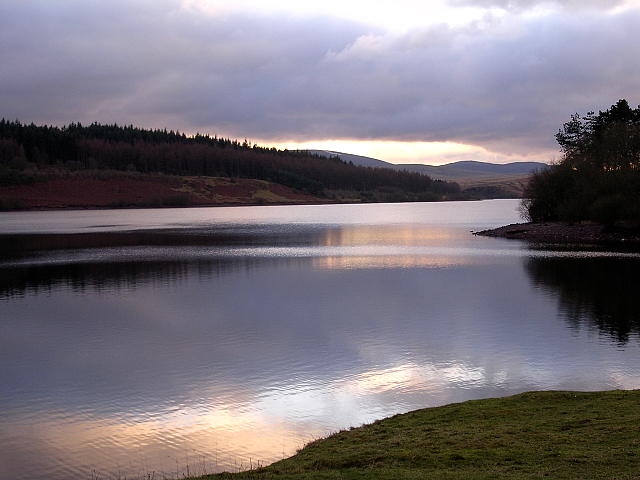
Brecon Beacons stargazing is one of the national park’s quietest pleasures: an after-dark outing shaped by clear air, sparse settlement and broad upland horizons, where a simple evening walk or short drive can end beneath some of the darkest skies in Britain.
Places to Stay in Brecon Beacons
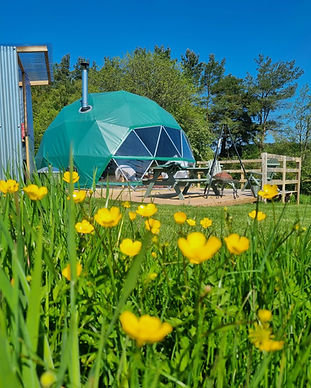
Aber Glamping
A secluded farm stay in the Brecon Beacons, where geo domes and pods look towards Pen y Fan and dark skies make the nights…
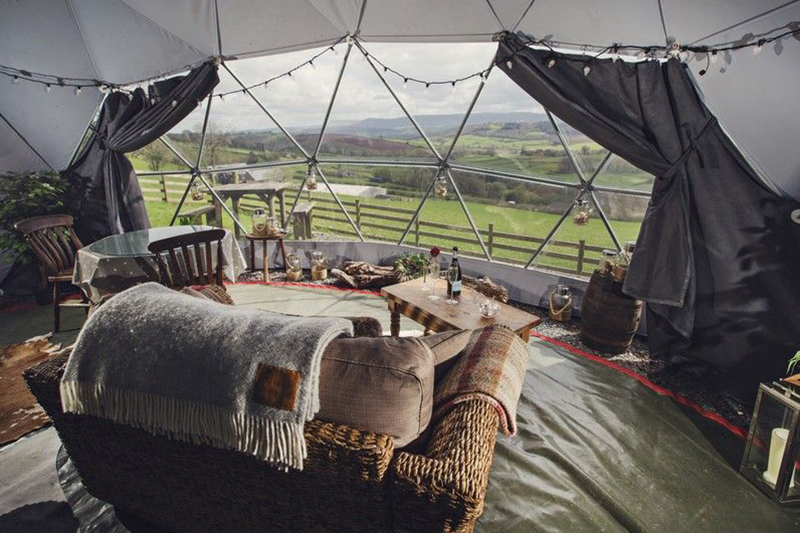
Argoed Barns
A luxurious barn stay in the Brecon Beacons, where big skies, dark nights and far-reaching views make it easy to settle into the slower…
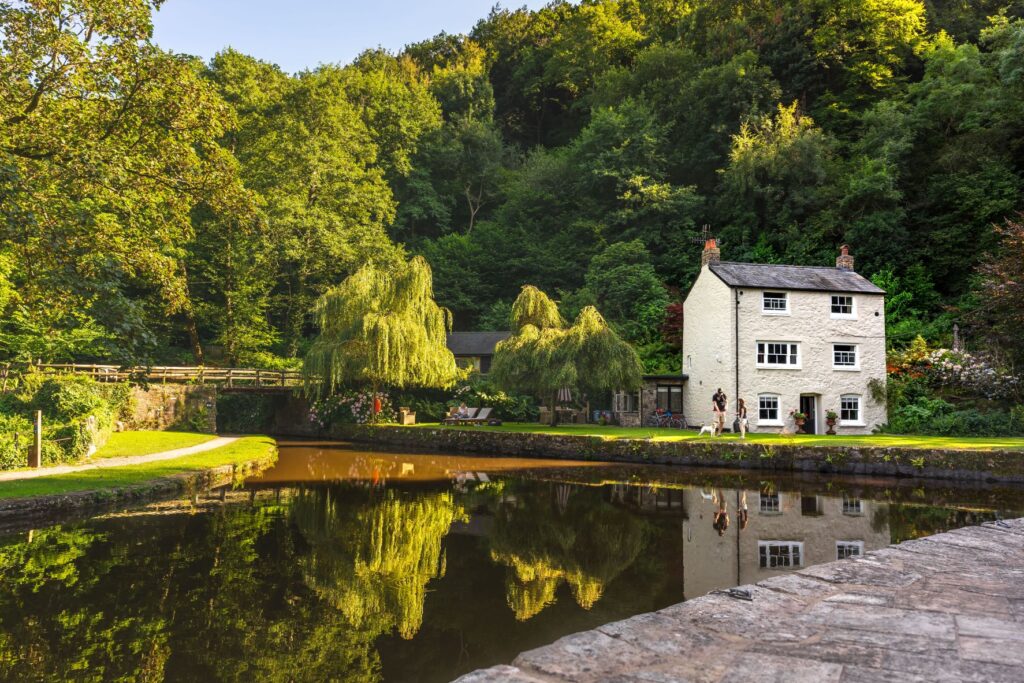
Beacon Park Cottages
A handsome former canal-side manager’s cottage with mountain views, terraced gardens and a quietly historic feel, well placed for days in the Brecon Beacons…
The skies matter here because the landscape stays open long after daylight fades. Bannau Brycheiniog, still widely known as the Brecon Beacons, was the first protected area in Wales to gain International Dark Sky Reserve status, and that designation is more than a badge. It reflects a practical reality holiday guests notice quickly: fewer settlements, very little urban glow and long stretches of road where the hills turn to silhouette and the stars begin to take over.
For visitors, that makes Brecon Beacons stargazing an easy fit for a slower break. It suits couples who want an evening activity that feels quietly memorable, photographers planning around moon phases, and anyone visiting in autumn or winter when darkness arrives early enough to make a proper night of it without staying out until the small hours.
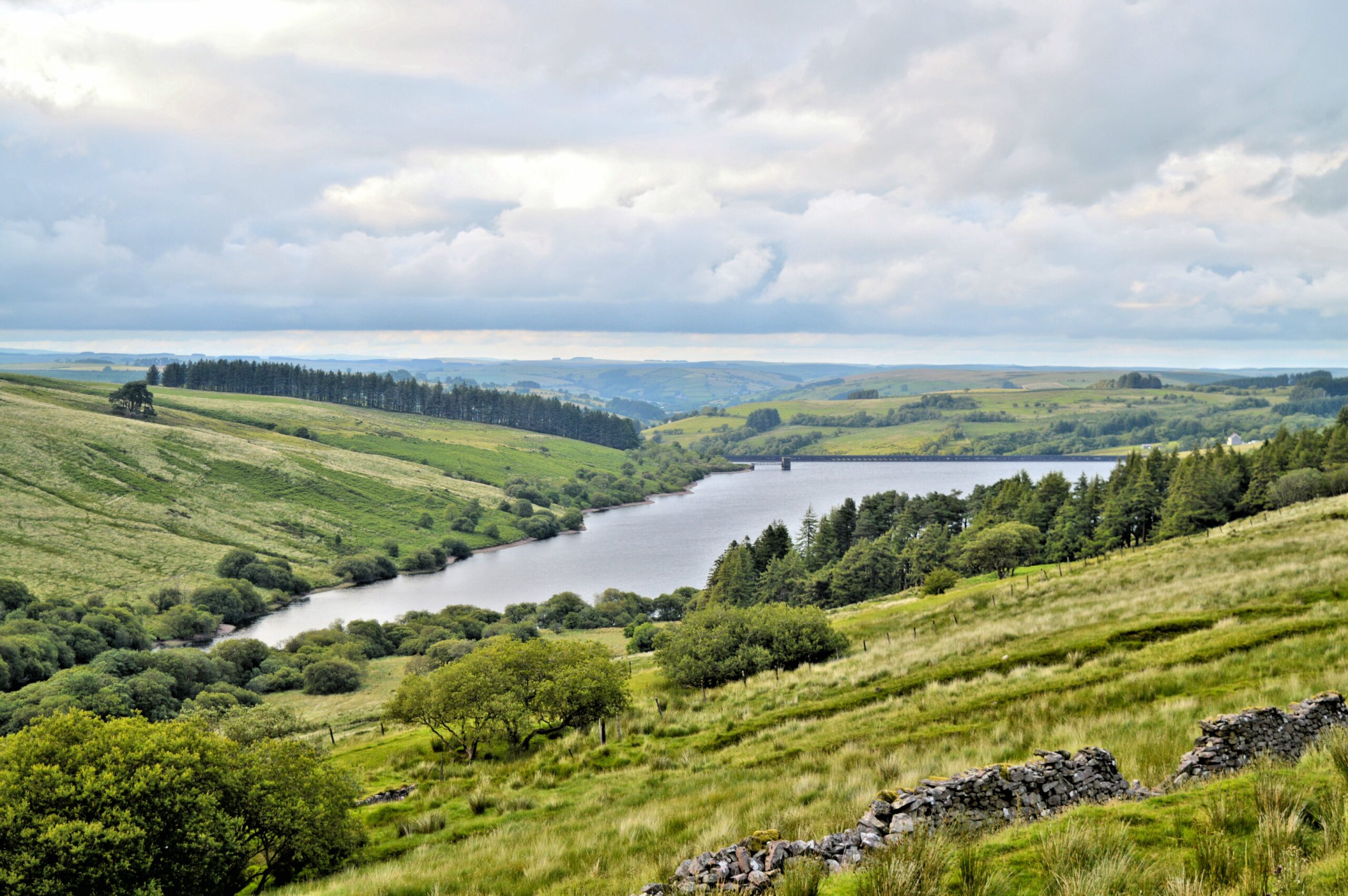
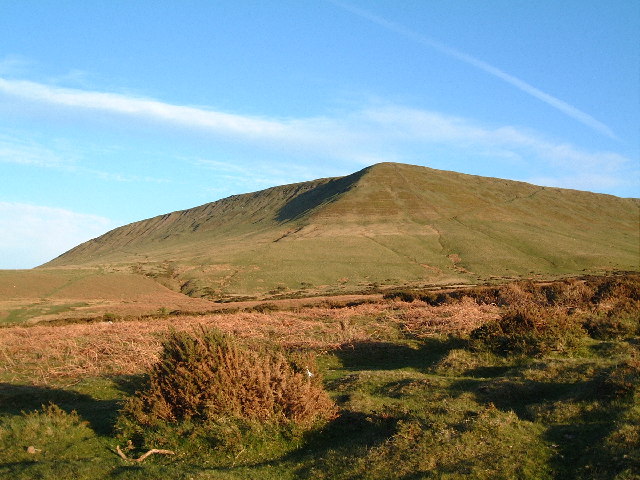
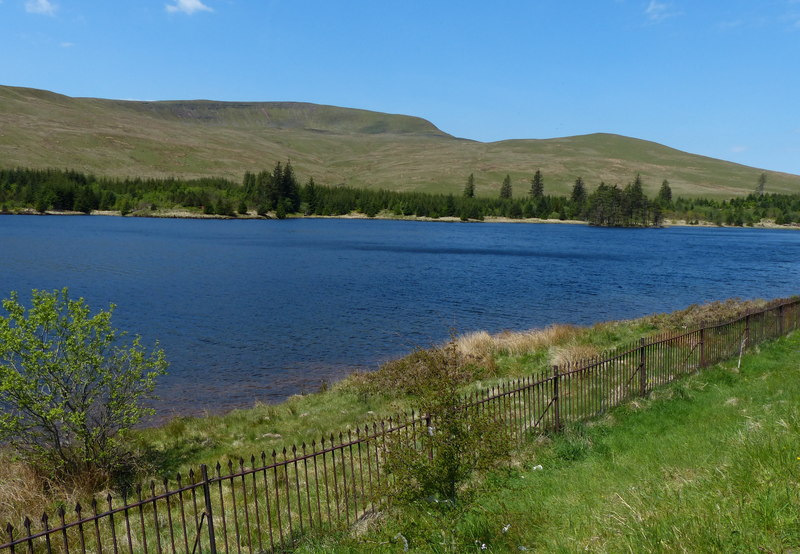
The most reliable areas are usually away from the larger towns and the brighter valley edges. The Usk Reservoir is often worth prioritising for its wide horizons and low levels of artificial light, while the area around Crai Reservoir and the remote western reaches of the park can be hard to beat on a clear night. In the east, the upland roads around Hay Bluff and the Gospel Pass can also offer impressive skies, though exposure and weather need more care there. Around Ystradfellte, the waterfalls and wooded sections are less useful after dark than open moorland lay-bys and reservoir viewpoints, where there is more sky and easier orientation.
“When the ridges fade to silhouette, the Brecon Beacons becomes a landscape shaped by stars.”
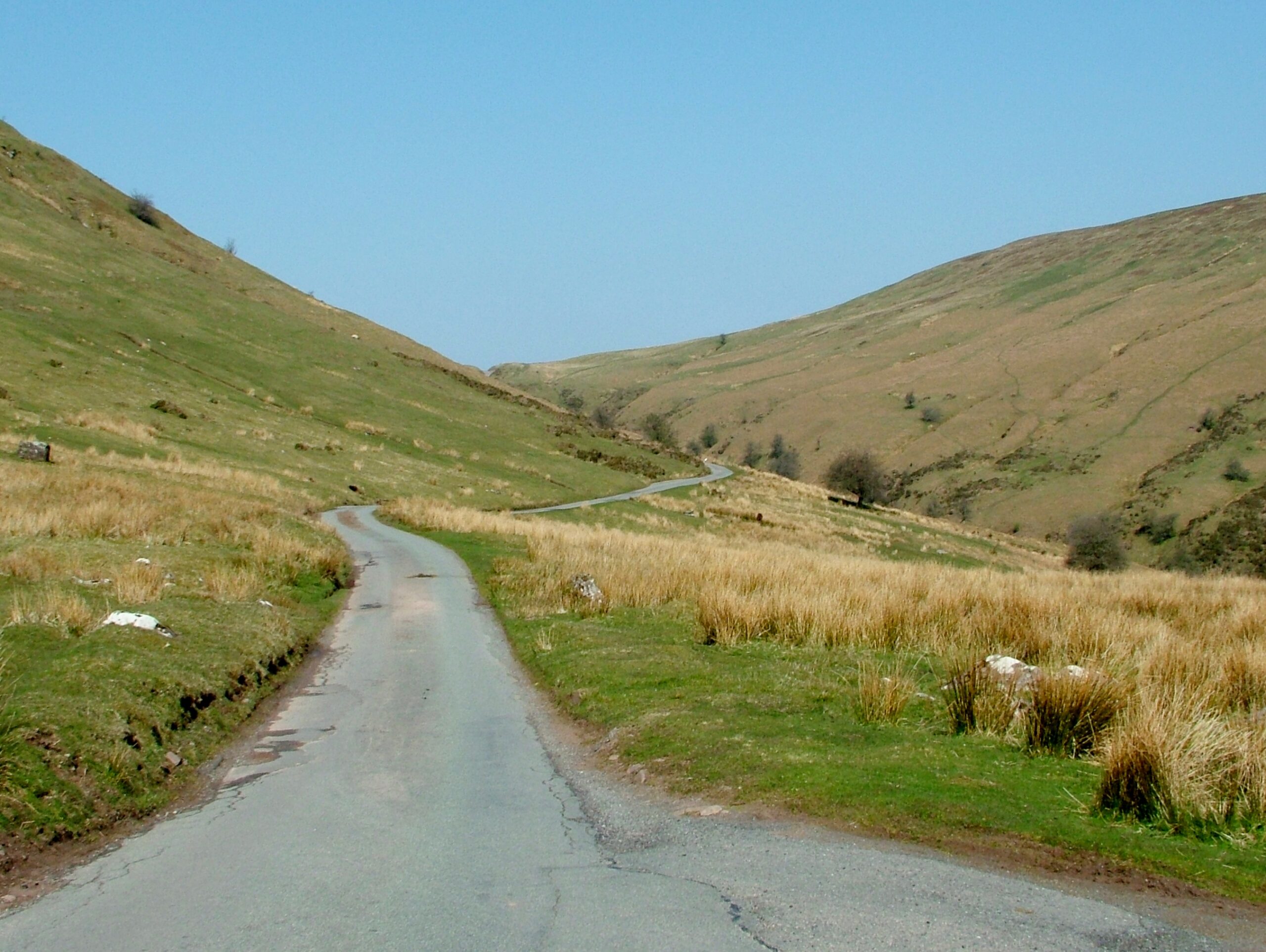
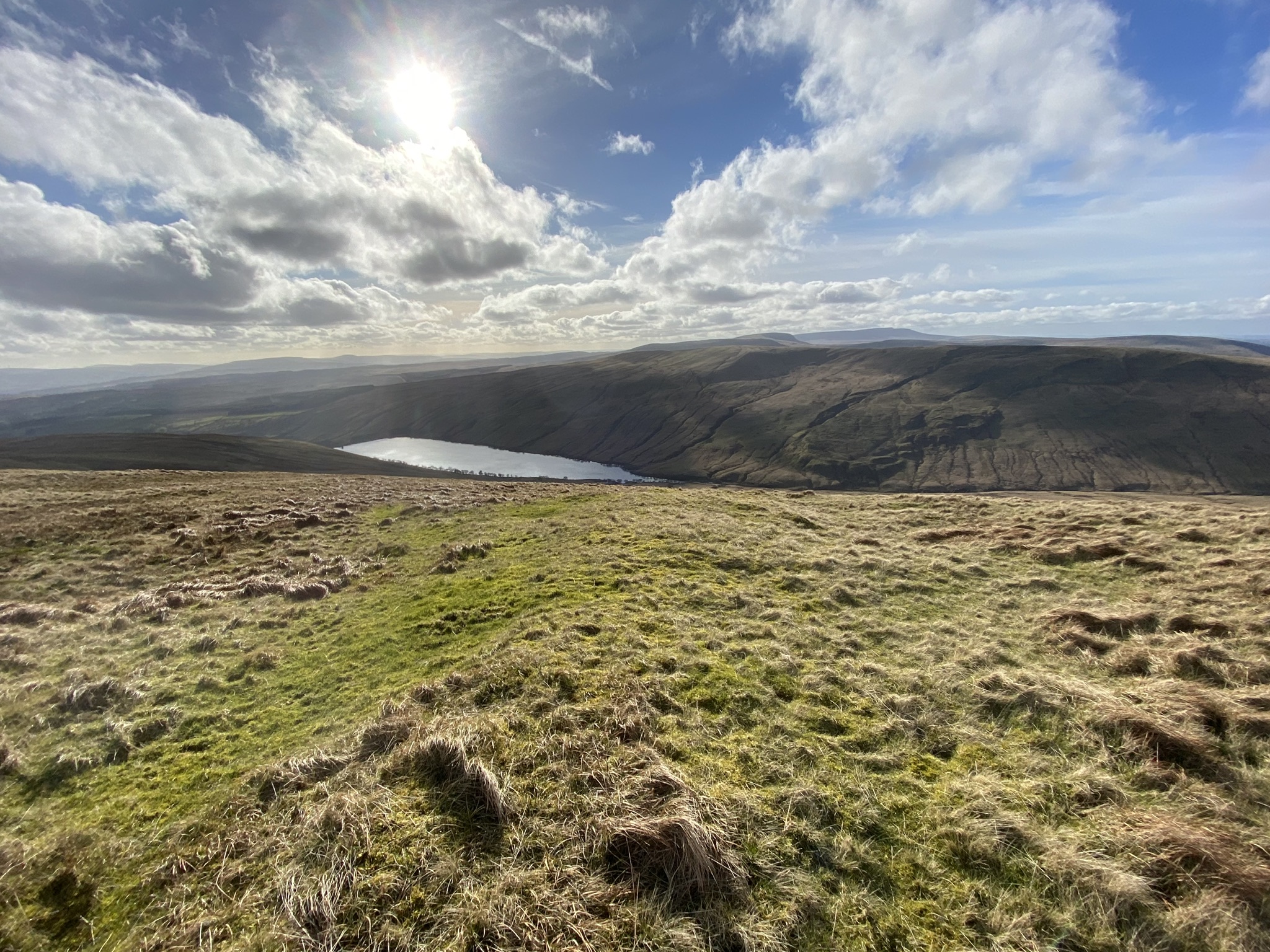
There is a particular shift in the park once evening deepens. Village windows become isolated points of light, sheep calls carry further across the common land, and the outlines of the ridges seem to simplify as the last colour drains from the hills. That sense of space is part of the appeal. Even close to a road, the night can feel notably remote.
Timing makes a difference. The darkest conditions usually come around the new moon, or in the week either side, when moonlight does not wash out the fainter stars. Late autumn to early spring often brings the longest and darkest evenings, though cold, still winter nights can be crystal clear or entirely clouded over. Summer can work well too, particularly for night photography or watching the Milky Way later on, but darkness arrives much later. As ever in the Brecon Beacons, weather has the final say. Forecasts can change quickly, and a promising clear spell in Brecon or Crickhowell does not always mean clear uplands.
A little preparation goes a long way. Warm layers, proper waterproofs and solid footwear matter more than many first-time visitors expect, even if the plan is only a short stop near a reservoir or viewpoint. A torch with a red-light setting is useful for preserving night vision, and a flask earns its place on colder evenings. Mobile signal can be patchy, so downloaded maps are sensible, and it is wiser to choose a straightforward roadside viewpoint or easy, familiar path than attempt a demanding walk in full darkness.
“Around these reservoirs and high passes, darkness feels less empty than quietly expansive.”
For photographers, a tripod is essential and patience helps. Wide compositions tend to work best here: a dark ridge line, still water at a reservoir, or the profile of a lone tree can give the sky enough structure without competing with it. It is worth arriving before nightfall to frame shots safely and to note gates, uneven ground and any water nearby.
Safety is mostly a matter of restraint. Park considerately, avoid blocking farm access, close gates and keep to established ground where possible. In poor weather or low cloud, there is no shame in abandoning the plan and trying again another evening. That is often the right rhythm for this landscape anyway. The Brecon Beacons rewards those who leave room for changing conditions, and on a clear night the reward can be wonderfully simple: a dark Welsh horizon and a sky with real depth to it.
Useful Links
Tourist Information
Frequently Asked Questions
Where are the best places for stargazing in the Brecon Beacons?
The darkest spots are usually away from the larger towns and valley edges. Usk Reservoir is often a strong choice for broad horizons and very low light pollution, while Crai Reservoir and the quieter western side of the park can be excellent on a clear night. In the east, Hay Bluff and the Gospel Pass can also be rewarding, though they are more exposed.
When is the best time to go stargazing here?
Clear nights around the new moon usually give the best conditions, as moonlight can wash out fainter stars. Late autumn to early spring is often easiest for visitors because darkness falls earlier, though winter weather can be unpredictable. Summer can still work well, especially for later-night Milky Way viewing and photography.
Do I need to be an experienced walker to stargaze in the Brecon Beacons?
No. Some of the easiest evenings are based around simple roadside viewpoints, reservoir areas and short, familiar paths rather than long walks. After dark, it is usually wiser to keep plans straightforward, especially if you do not know the ground well. Open lay-bys and easy viewpoints can be far more practical than ambitious upland routes.
What should I take for a stargazing trip?
Warm layers, waterproofs and sturdy footwear are worth bringing even for a short stop, as upland temperatures can drop quickly after dark. A torch with a red-light setting helps preserve night vision, and a flask is useful on colder evenings. Because signal can be patchy, downloaded maps are sensible if you are heading to a quieter part of the park.
Is the Brecon Beacons good for night photography?
Yes, particularly in darker areas with open views and simple foregrounds. Reservoirs, ridge lines and lone trees can all work well without distracting from the sky. A tripod is essential, and it is best to arrive before nightfall so you can set up safely, check the ground conditions and frame your shot while there is still some light.
Are there any safety tips for stargazing in the park?
Keep plans modest, watch the forecast closely and be ready to change them if cloud, wind or rain move in. Park considerately, avoid blocking farm access and close gates behind you. It is usually best to stick to established ground or easy viewpoints, as uneven terrain, water and poor visibility can make even short distances feel more difficult at night.