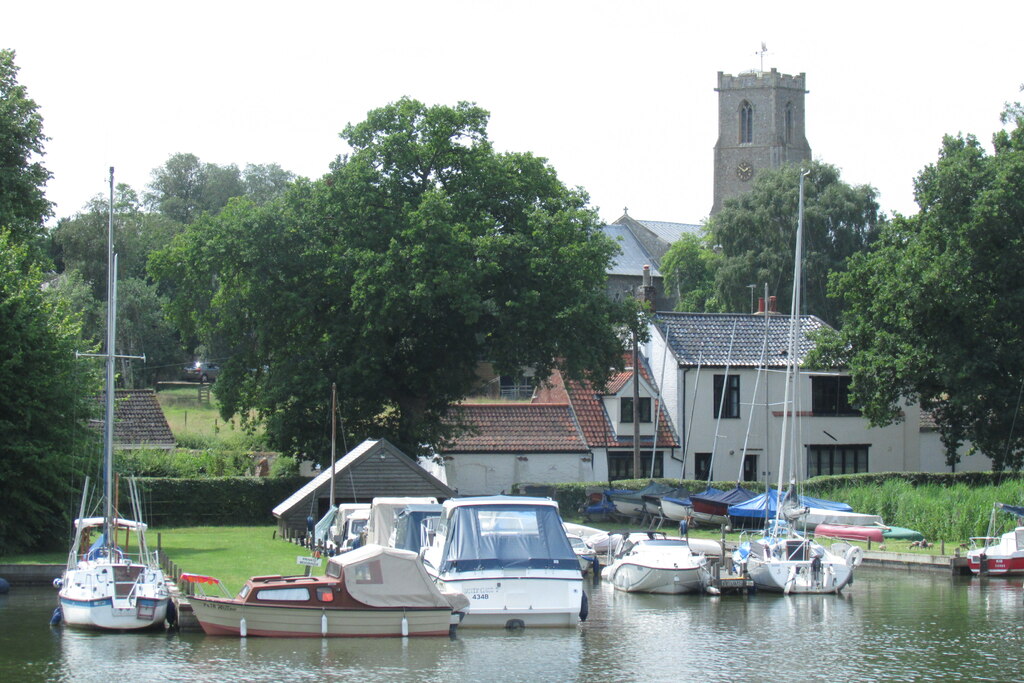
Part wetland, part working landscape and part quietly timeless holiday country, the Norfolk Broads offer a slower kind of escape: reed-fringed waterways, broad skies, village pubs at the water’s edge and days shaped as much by tide, wind and wildlife as by any itinerary.
Any Norfolk Broads guide should start with the fact that the Broads are not simply a string of pretty rivers. This is a protected landscape of navigable waterways, shallow lakes, marshes and grazing land, shaped by people over centuries and now known for boating, birdlife and an unusually calm, open beauty. The appeal lies less in dramatic landmarks than in atmosphere: wind moving through reed beds, church towers rising above the flat fields, and water that seems to draw villages and footpaths into a gentler rhythm.
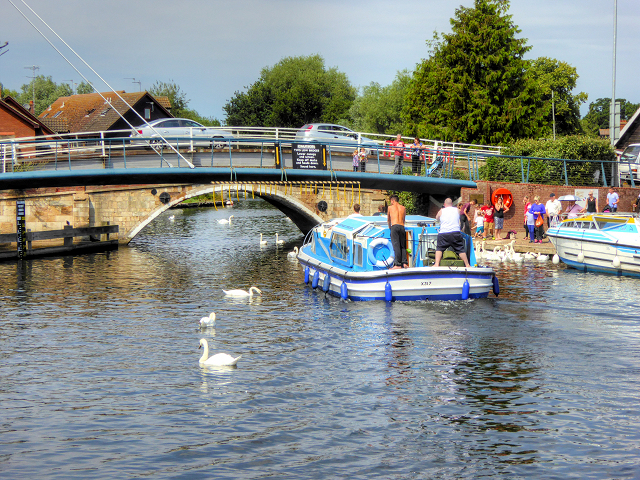
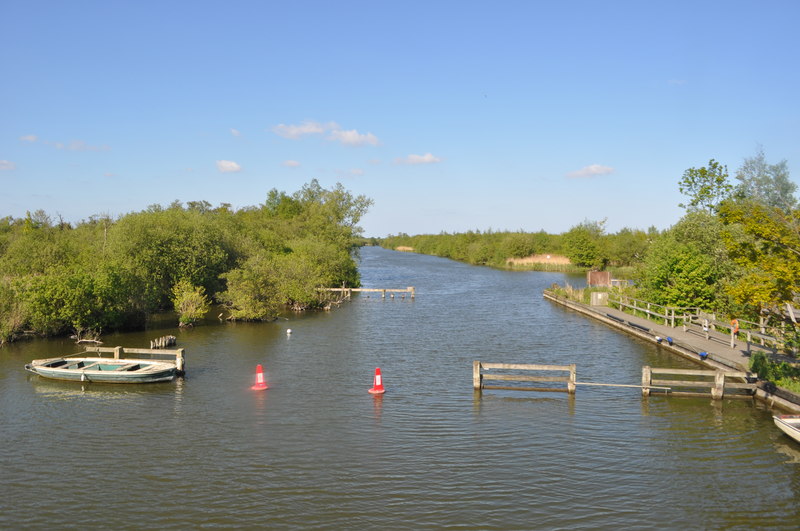
For many visitors, Wroxham is the practical starting point. It is well set up for first-time guests, with boat hire, river trips, shops and easy access to the water. From here, the Broads feel approachable rather than daunting. Horning, a little further on, is often the prettier base, with waterside houses, moorings and a village centre that stays lively without losing its composure. In summer, the river traffic here has its own steady pattern, with day boats, cruisers and sailing craft moving past at an unhurried pace. For those who want a quieter base, places such as Ludham, Coltishall or Ranworth give a stronger sense of village life while keeping the waterways close.
The question many guests ask is whether to book time on the water. In most cases, it is worth prioritising. A day boat is the simplest way to understand the landscape properly, especially for families or groups who want freedom without committing to a full boating holiday. The waterways are generally gentle, and even a few hours can be enough to drift between reed-lined banks, stop for lunch and see the Broads from their natural perspective. Those less keen to take the helm can choose organised river trips instead, which suit couples, older visitors or anyone who would rather watch the scenery than navigate it.
“In the Broads, church towers and windmills seem to rise straight from the marsh.”
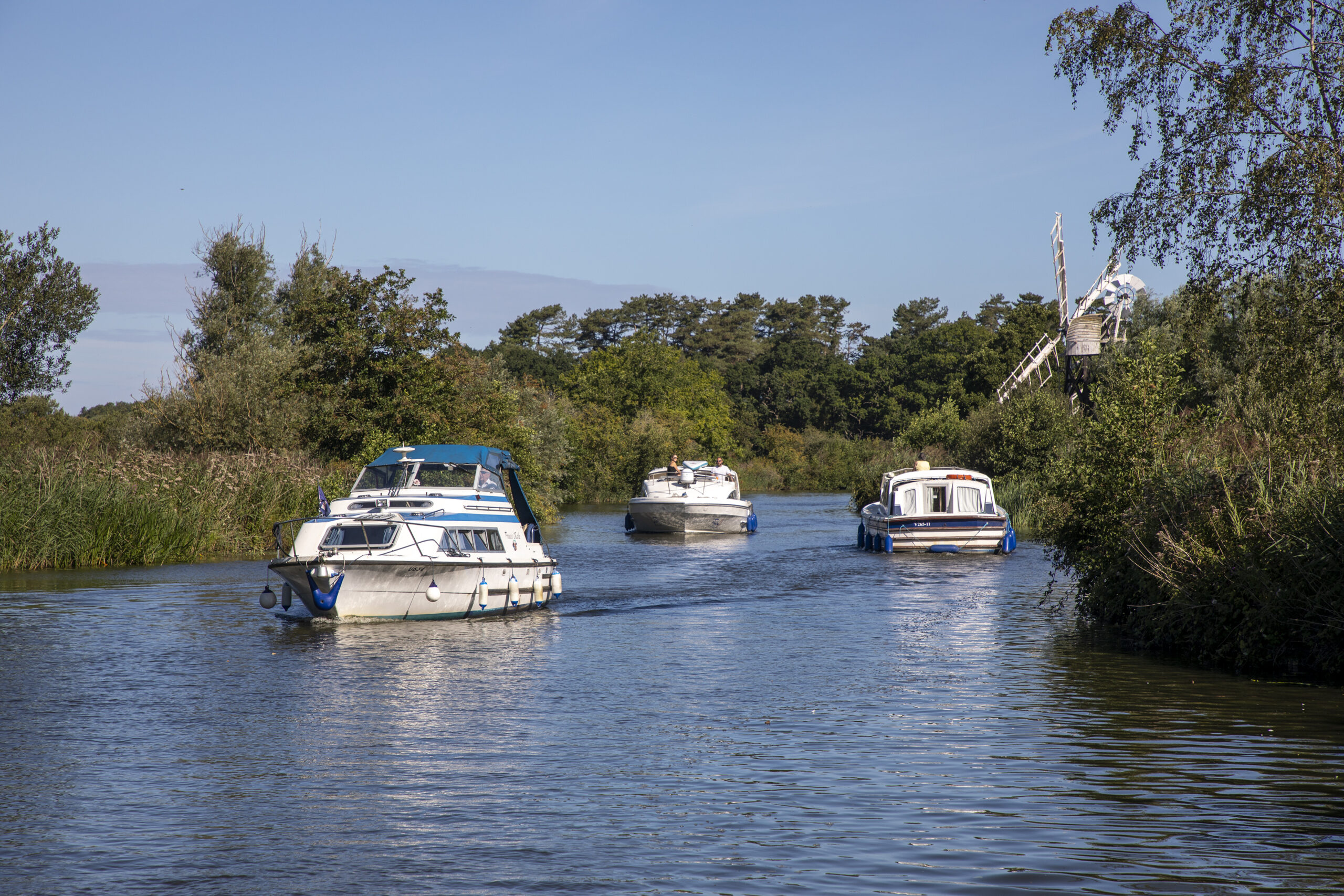
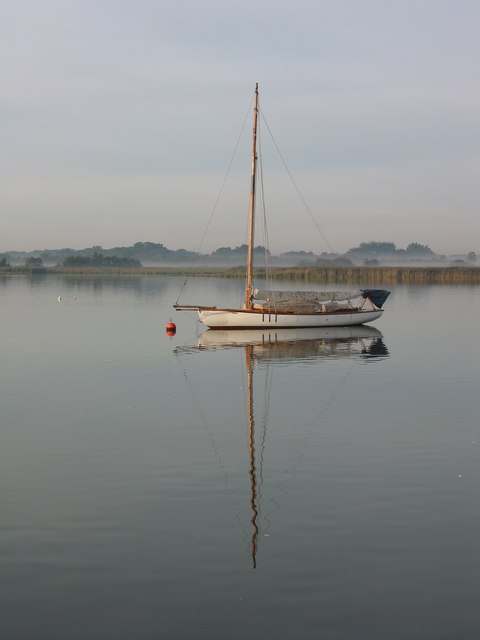
That said, the Broads are not only for boaters. Some of the most memorable moments happen on foot: a riverside path near Wroxham, a circular walk from Ranworth, or a stretch of open marsh where the light changes quickly as cloud moves over the water. Around How Hill and the upper reaches near Hickling, walkers get a stronger sense of the landscape’s scale, and birdwatchers are especially well placed. Bitterns, marsh harriers and herons are part of the everyday interest here rather than rare spectacles. In cooler months, when the leaves are off the trees and the waterways are quieter, the calls across the marshes can feel even more distinct.
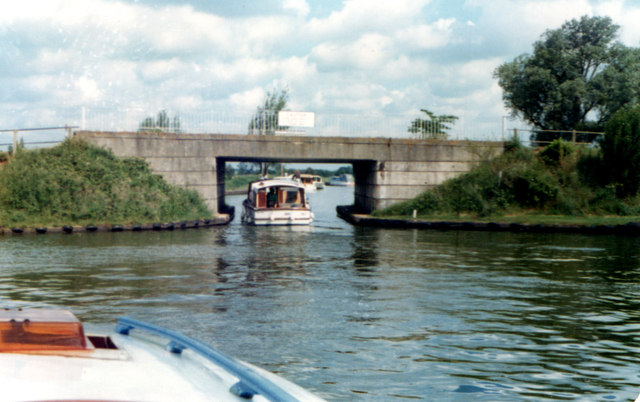
Families tend to do well here because the choices are flexible. A morning afloat can be followed by a pub lunch and an easy village wander rather than a tightly planned day. BeWILDerwood, near Hoveton, is an obvious option with younger children, while older ones often enjoy the novelty of steering a small day boat or spotting windmills and wildlife along the bank. The Broads suit multi-generational trips too, because the pace can be adjusted without anyone feeling they are missing the point.
“Here, the holiday rhythm is set less by plans than by water, weather and reed beds.”
Food and drink in the Broads are often at their best beside the water. There is particular pleasure in arriving at a pub by boat or settling into a terrace after a walk, and villages such as Horning and Wroxham are reliable for this. Hard to beat, though, are the smaller waterside stops where the scenery does some of the work and the afternoon quietens as boats begin to moor up. Elsewhere, the proximity of the coast means a Broads stay can easily be combined with seafood lunches, beach walks or a change of scene in places such as Winterton or Sea Palling.
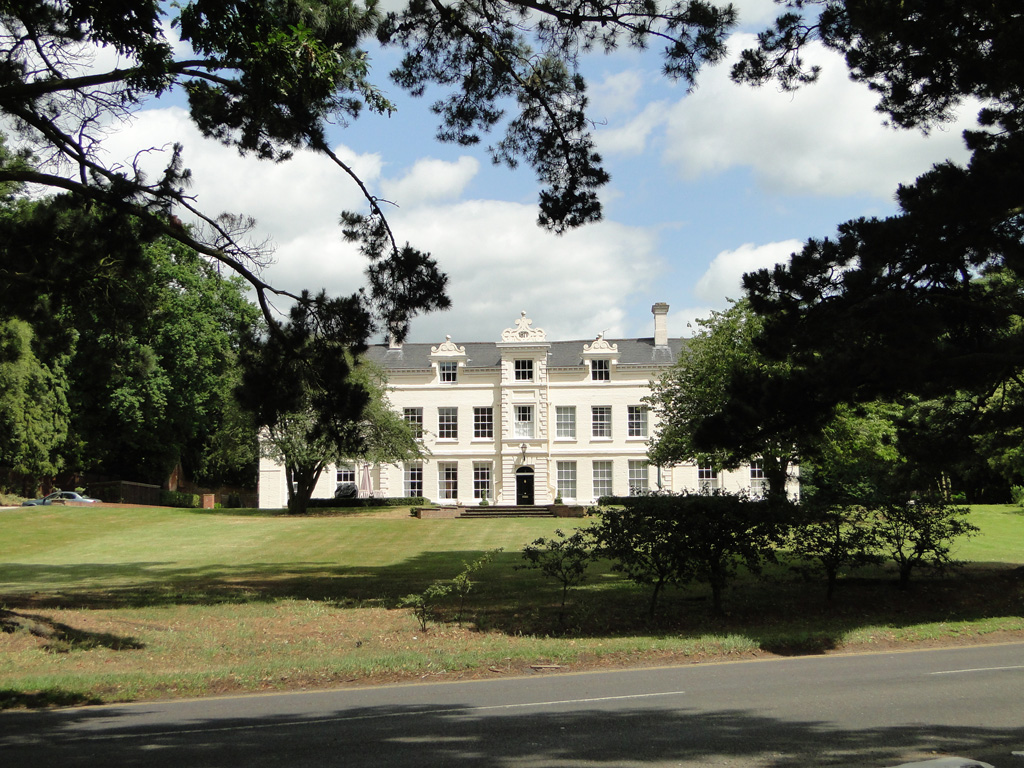
Where to stay depends on how closely guests want to live with the water. Riverside inns and hotels suit shorter breaks, especially for couples who want easy access to boat trips and village evenings. Self-catering cottages around Horning, Wroxham and Ludham work well for families. For a more unusual stay, a waterside lodge or a week on a cruiser brings the landscape properly to the doorstep, though that approach is better for those happy to embrace the practicalities of life afloat.
The Norfolk Broads are not a destination that demands a checklist. They suit guests who are content with slow movement, shifting weather and the small pleasures of a place seen from a river bend, a boardwalk or a pub garden by the moorings. For many, that is exactly the point.
Useful Links
Official Attraction
Tourist Information
National Trust
Frequently Asked Questions
What is the best base for a first visit to the Norfolk Broads?
Wroxham is often the easiest starting point, especially if you want straightforward access to boat hire, river trips and village facilities. Horning tends to feel prettier and more waterside in character, while places such as Ludham, Coltishall and Ranworth suit those after a quieter village base with the Broads still close by.
Do you need to hire a boat to enjoy the Norfolk Broads?
No. Time on the water adds a great deal, but plenty of visitors enjoy the Broads through walks, birdwatching, waterside pubs and village exploring. If you want the river experience without navigating yourself, organised boat trips are a good option and generally feel more relaxed than taking the helm.
Is a day boat suitable for beginners?
Usually, yes. The waterways are generally gentle, and a day boat can be a manageable way for first-time visitors to experience the landscape. It is still sensible to choose a reputable hire operator, listen carefully to the briefing and be realistic about weather, confidence and how much time you want afloat.
Are the Norfolk Broads good for walking as well as boating?
Yes, particularly if you enjoy flat landscapes, big skies and quiet paths rather than strenuous routes. Areas around Ranworth, How Hill and Hickling are especially rewarding, with riverside walks, boardwalks and open marsh views. Conditions can vary with the weather, so sturdy footwear and a flexible plan are worth having.
Is the Norfolk Broads a good destination for families?
Very much so. The pace is easy to adjust, which helps with children and mixed-age groups. Families can combine a short boat trip with lunch, wildlife spotting and simple village walks, while attractions such as BeWILDerwood near Hoveton offer an alternative for younger children when you want a land-based day.
When is the best time of year to visit the Norfolk Broads?
It depends on the sort of break you want. Summer brings the liveliest atmosphere on the water and longer days for boating and pub gardens. Cooler months can feel quieter and more atmospheric, with clearer views through the landscape and strong opportunities for birdwatching, especially if you prefer fewer people around.
Can you combine a Broads holiday with the Norfolk coast?
Yes, quite easily in many cases. A stay in the Broads can work well alongside time at the coast, particularly for beach walks, seafood lunches and a change of scene. Places such as Winterton and Sea Palling are often paired with Broads villages, though driving times will depend on exactly where you stay.
What type of accommodation works best in the Norfolk Broads?
That depends on how closely you want to be connected to the water. Riverside inns and hotels are convenient for short breaks and easy evenings out, while self-catering cottages suit families and longer stays. Waterside lodges and cruiser holidays feel more immersive, but they tend to involve more practical planning.
Continue Exploring Norfolk
More Places to Stay
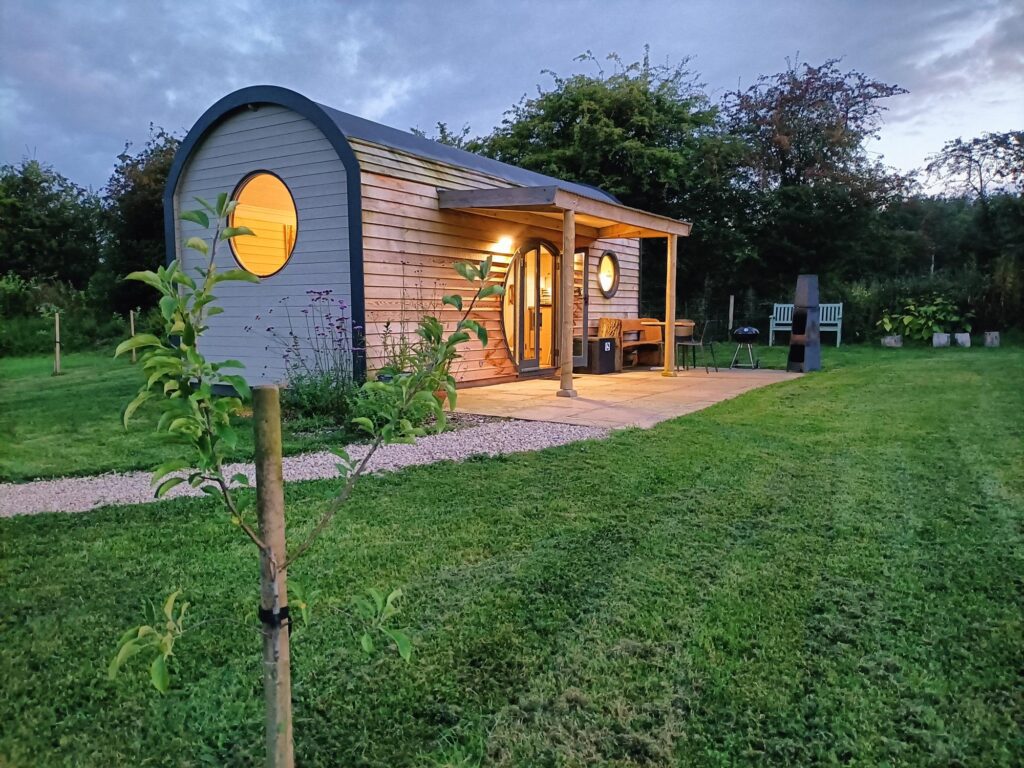

3 Trees Glamping
A small, quietly tucked-away glamping site on the edge of Wirksworth, with woodland-and-field surroundings, alpacas in the background and footpaths leading straight into the…
View property →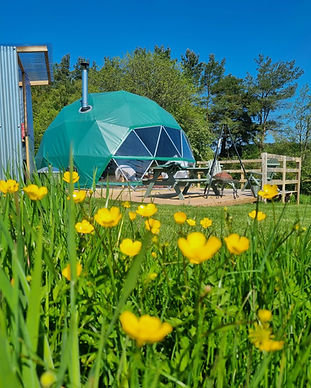
Aber Glamping
A secluded farm stay in the Brecon Beacons, where geo domes and pods look towards Pen y Fan and dark skies make the nights…
View property →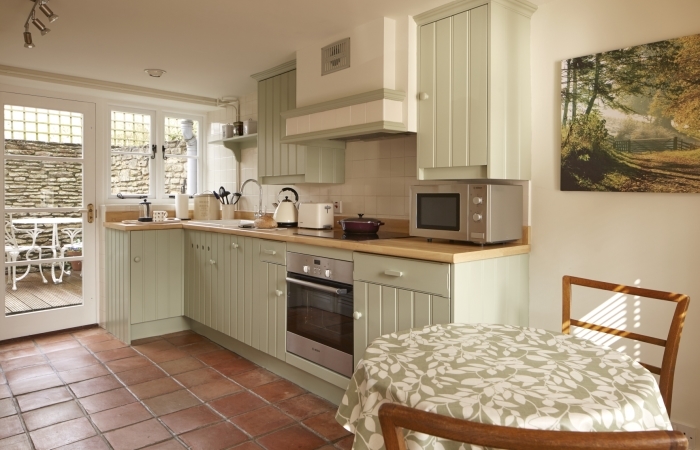
Angel Cottage
A stone cottage in Tetbury’s old heart, well placed for long wanders, antique-shop afternoons and easy forays into the softer, greener corners of the…
View property →