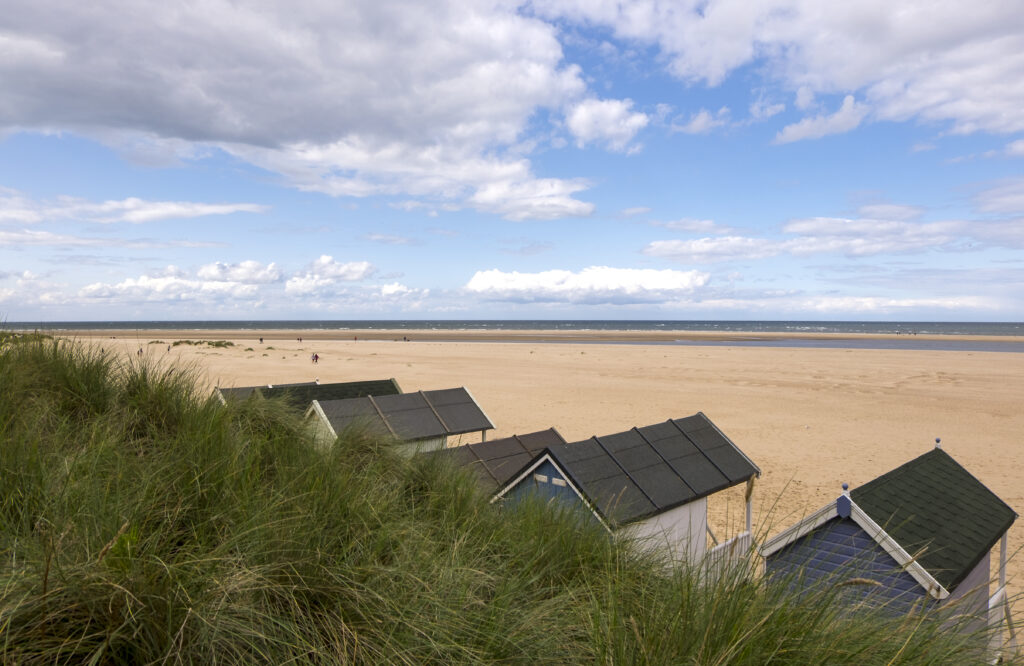
Norfolk is one of England’s most varied holiday counties: a place of big skies, shifting saltmarsh, elegant small cities, quiet waterways and broad sandy beaches. For a first visit, this Norfolk guide offers a clear way in, helping guests choose between coast, Broads, countryside and city while showing how well they work together in a single trip.
Why Norfolk draws people back
Norfolk sits on England’s east coast, with the North Sea shaping much of its character. It is a county of contrasts, though not noisy ones. The north coast feels spacious and weather-made, with dunes, marshes and long beaches. The Broads bring a gentler rhythm of reedbeds, open water and riverside villages. Inland, market towns, estates and church towers give the landscape a more settled, agricultural calm. Norwich ties it together with culture, history and one of the country’s most appealing small-city centres.
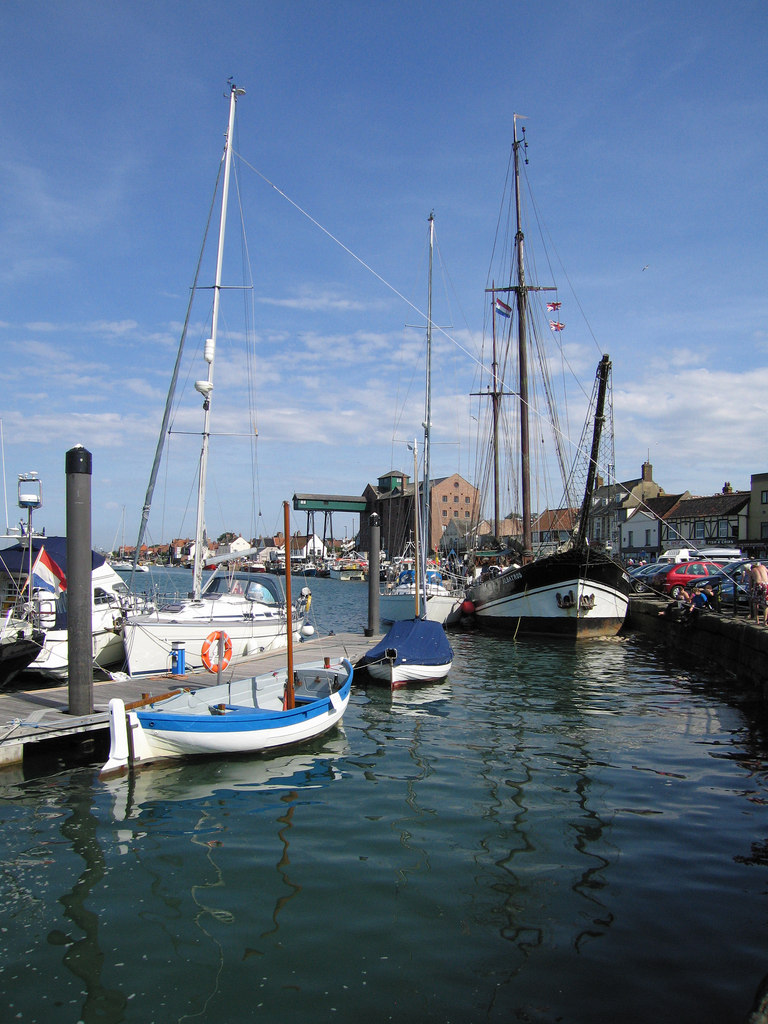
What makes Norfolk memorable is not one headline attraction so much as the way the county changes from hour to hour. On the coast, the light can flatten the sea into silver one moment and sharpen every line of dune grass the next. In harbour towns such as Wells-next-the-Sea and Blakeney, the rhythm of the day still follows the tide, with quaysides becoming quieter after the boats and day visitors drift away.
The coast: wide beaches, marshes and harbour towns
For many guests, the north Norfolk coast is the reason to come. This stretch, much of it protected, is hard to beat for walking, birdlife and unshowy seaside character. Wells-next-the-Sea is often a strong base for first-timers, with its handsome quay, nearby beach and good access to surrounding villages. Burnham Market offers a more polished village feel, with smart independent shops and easy reach of Holkham and Brancaster. Further east, Cromer and Sheringham suit those who want a traditional seaside stay with a little more bustle.
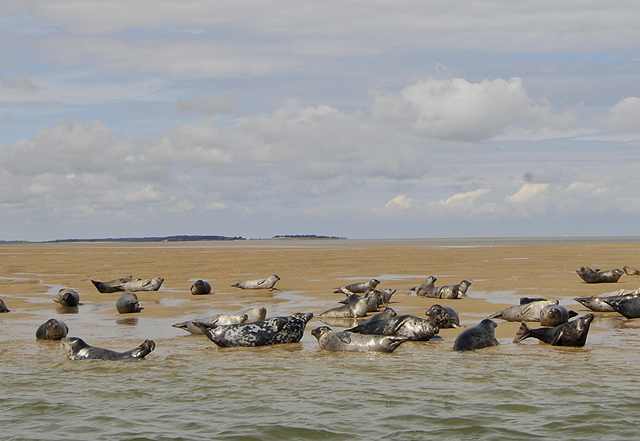
Holkham Beach is worth prioritising if the weather is fair. The great sweep of sand, backed by pines and dunes, has scale without feeling overworked. Nearby Holkham Hall and its parkland add another layer, especially for guests who want a coast-and-country balance in the same day. Brancaster and Thornham are reliable choices for walks, sea air and seafood, while Blakeney and Morston are well placed for boat trips to see seals out on the sands.
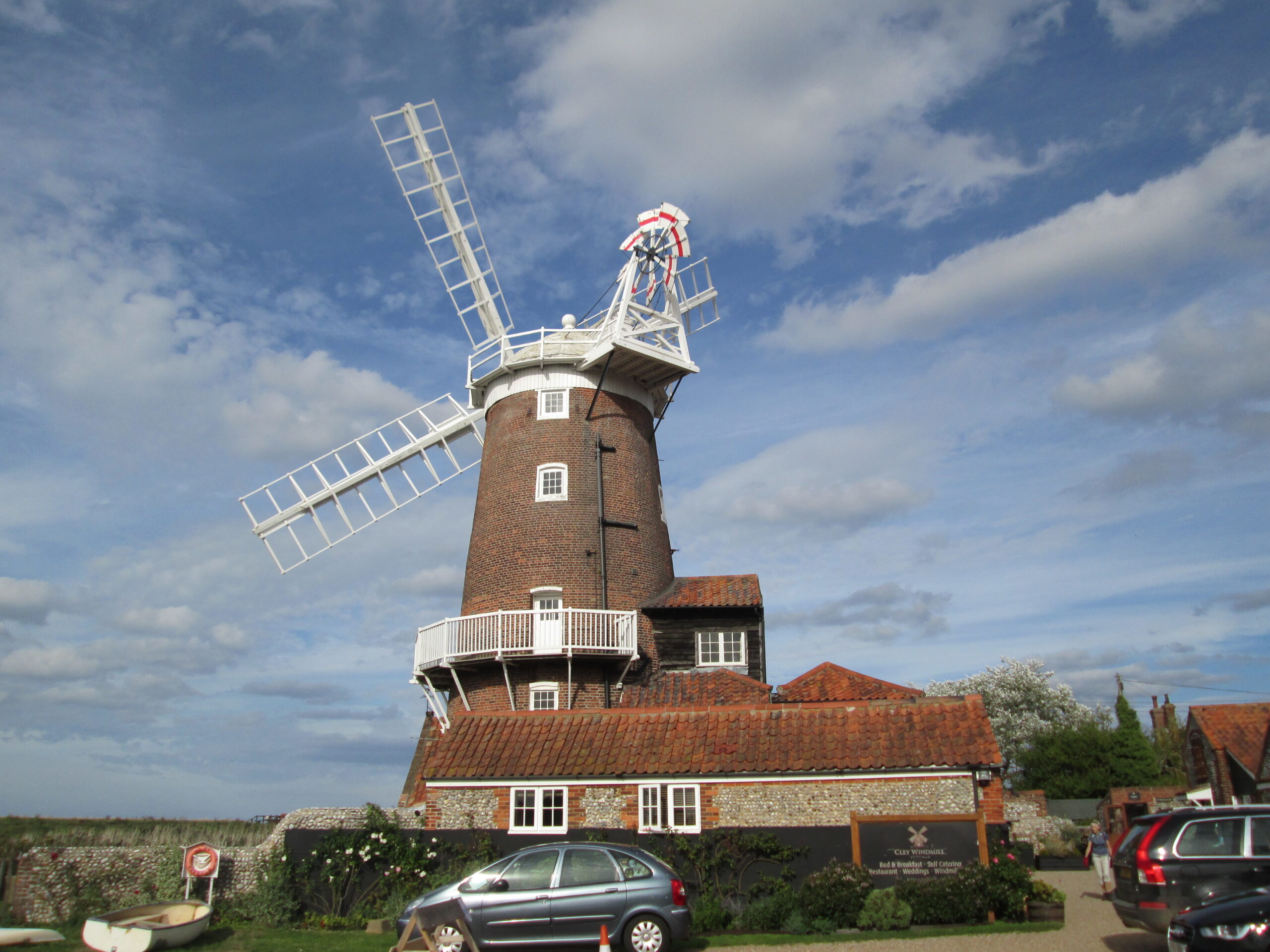
Cley-next-the-Sea, with its windmill, flint houses and marshland setting, gives a good sense of the north coast’s quieter beauty. This is also one of the finest birdwatching areas in the country. Even guests with only a passing interest in wildlife may find the reserve landscape itself compelling: flat, open, spare and full of movement.
The Broads: Norfolk at its gentlest
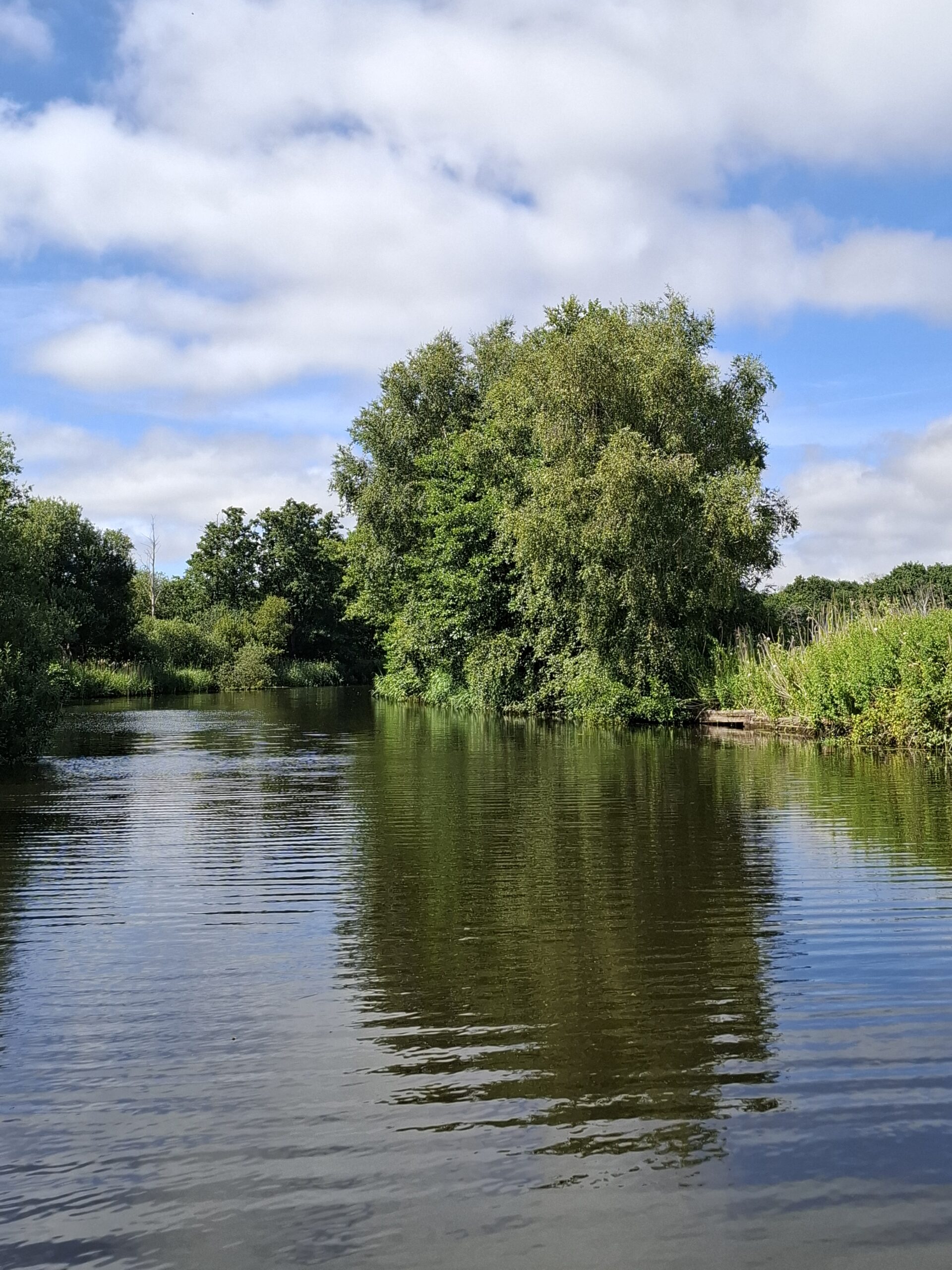
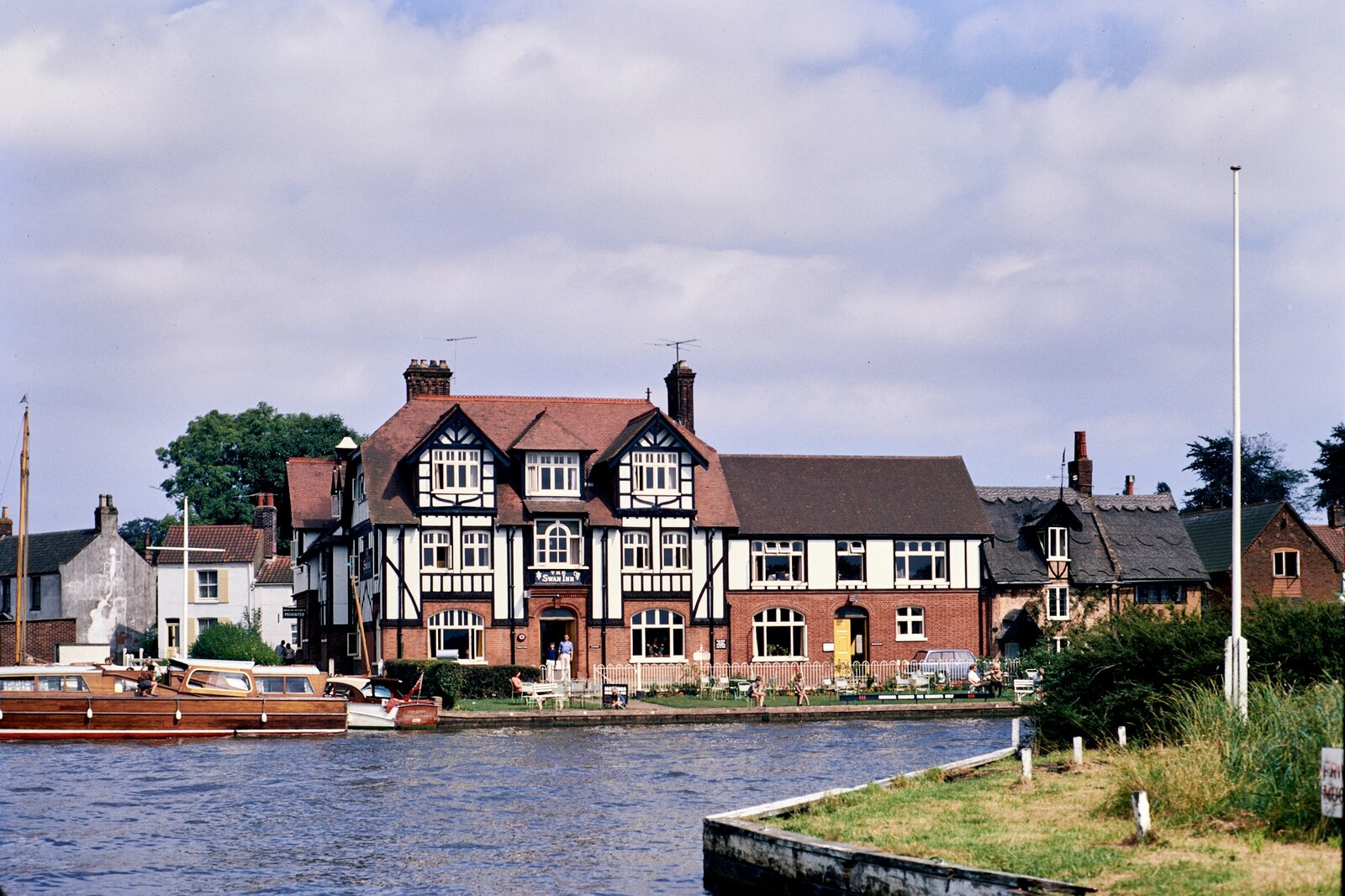
The Broads National Park is a different expression of Norfolk altogether. This is not dramatic scenery in the conventional sense, but a landscape that rewards slower attention. Waterways slip between reeds and grazing marsh, windmills rise unexpectedly from the flat land, and villages sit close to the water with pubs, boatyards and little bridges.
Wroxham and Hoveton are the obvious starting points for many visitors and make sense for boat hire, family days out and practical access. Horning is more picturesque and slightly quieter, while Ludham and Coltishall can work well for guests who want a rural base within easy reach of both Broads and coast.
Hiring a day boat is the classic experience and still one of the simplest ways to understand the area. It suits families, couples and multi-generational groups alike, as long as the day is approached at Norfolk pace rather than in a rush. There are also good walking and cycling routes for those who prefer to stay on dry land.
“In Norfolk, the sea sets the tone, but the light writes the lasting memory.”
Norwich: a city with depth and ease
Norwich deserves more than a day trip if time allows. It is one of the most rewarding small cities in England, with a medieval street plan, a notable cathedral, a Norman castle and a city centre that still feels shaped by history rather than overwritten by modern retail. The Lanes and the cathedral quarter are particularly enjoyable for wandering, with bookshops, cafés and independent businesses that give the city its confidence.
For guests unsure whether to base themselves in the city or on the coast, Norwich works especially well for a short cultural break or for the first and last nights of a longer county stay. It has enough restaurants, galleries and live venues to carry an evening, yet remains manageable on foot. By late afternoon, when shoppers thin out and the older streets settle, the city can feel unexpectedly calm.
Market towns, villages and inland Norfolk
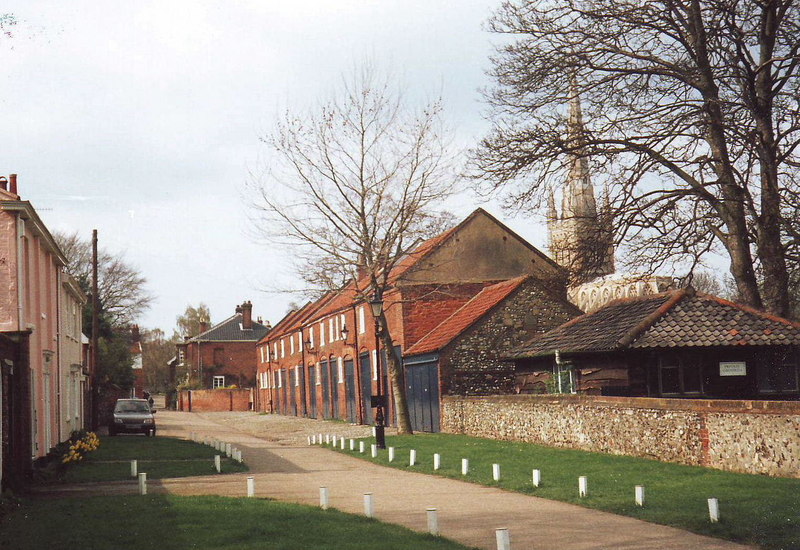
Away from the main visitor routes, inland Norfolk offers a more understated kind of holiday. Market towns such as Holt, Aylsham and Wymondham are good for browsing, eating and taking the measure of local life. Holt in particular is an appealing stop, with Georgian character and easy access to the coast.
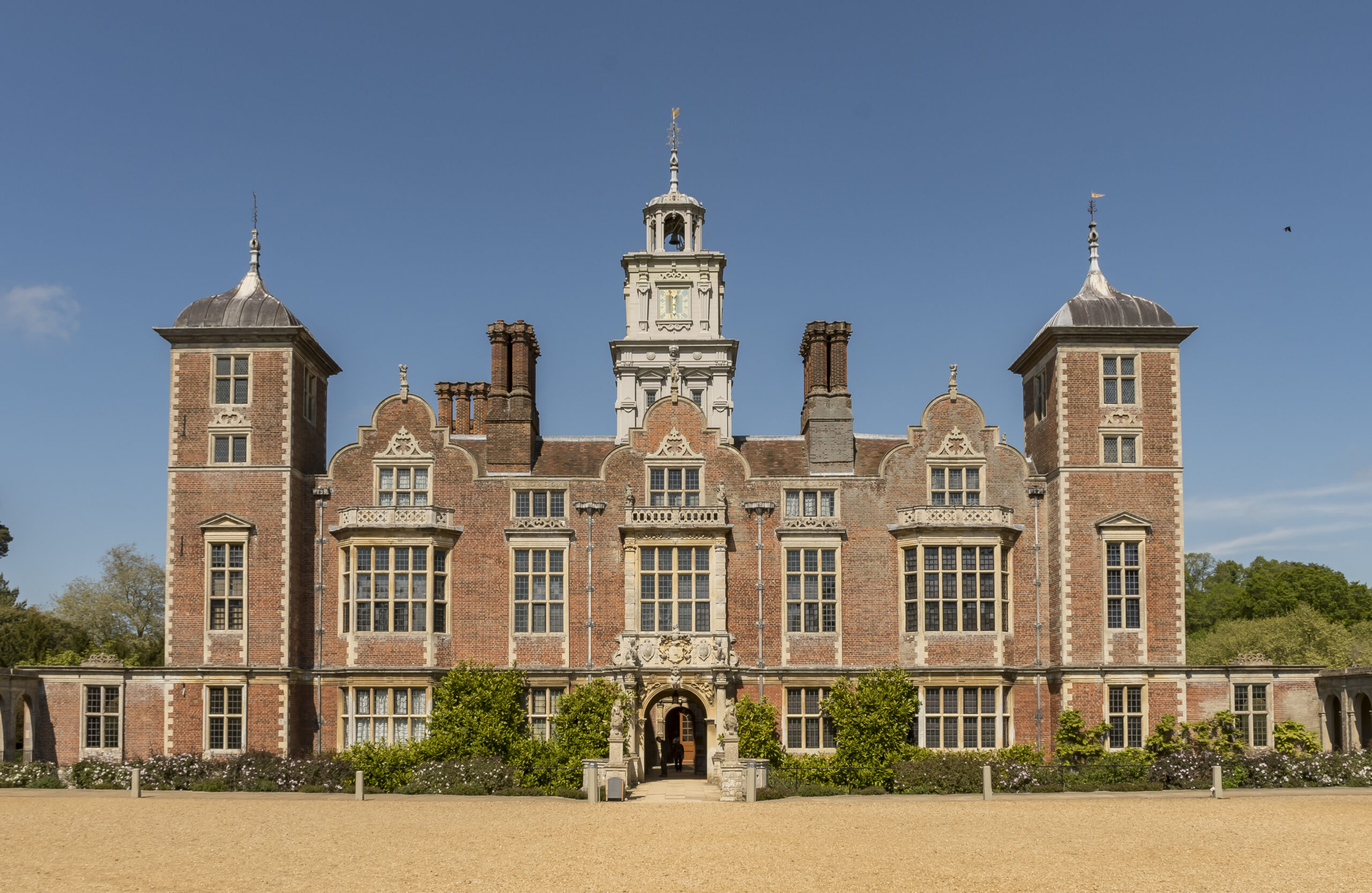
Country estates and historic properties add depth to inland days. Sandringham remains the county’s most widely known royal connection, while Blickling Estate and Felbrigg Hall offer the kind of parkland, gardens and long walks that suit mixed-weather days. Norfolk’s village churches, often unexpectedly grand, are another quiet pleasure and a reminder of the county’s medieval wealth.
Days out with children
Norfolk is very well suited to family holidays, largely because it offers space. Beaches such as Wells, Holkham and Sea Palling allow room to roam without the compressed feel of more crowded resorts. Boat trips in the Broads or from the north coast tend to land well across age groups, and the county’s mix of railways, nature reserves, stately homes and simple beach days means itineraries need not feel forced.
For younger children, it often works best to choose one main outing and leave room for weather and tide. Norfolk rewards that flexibility.
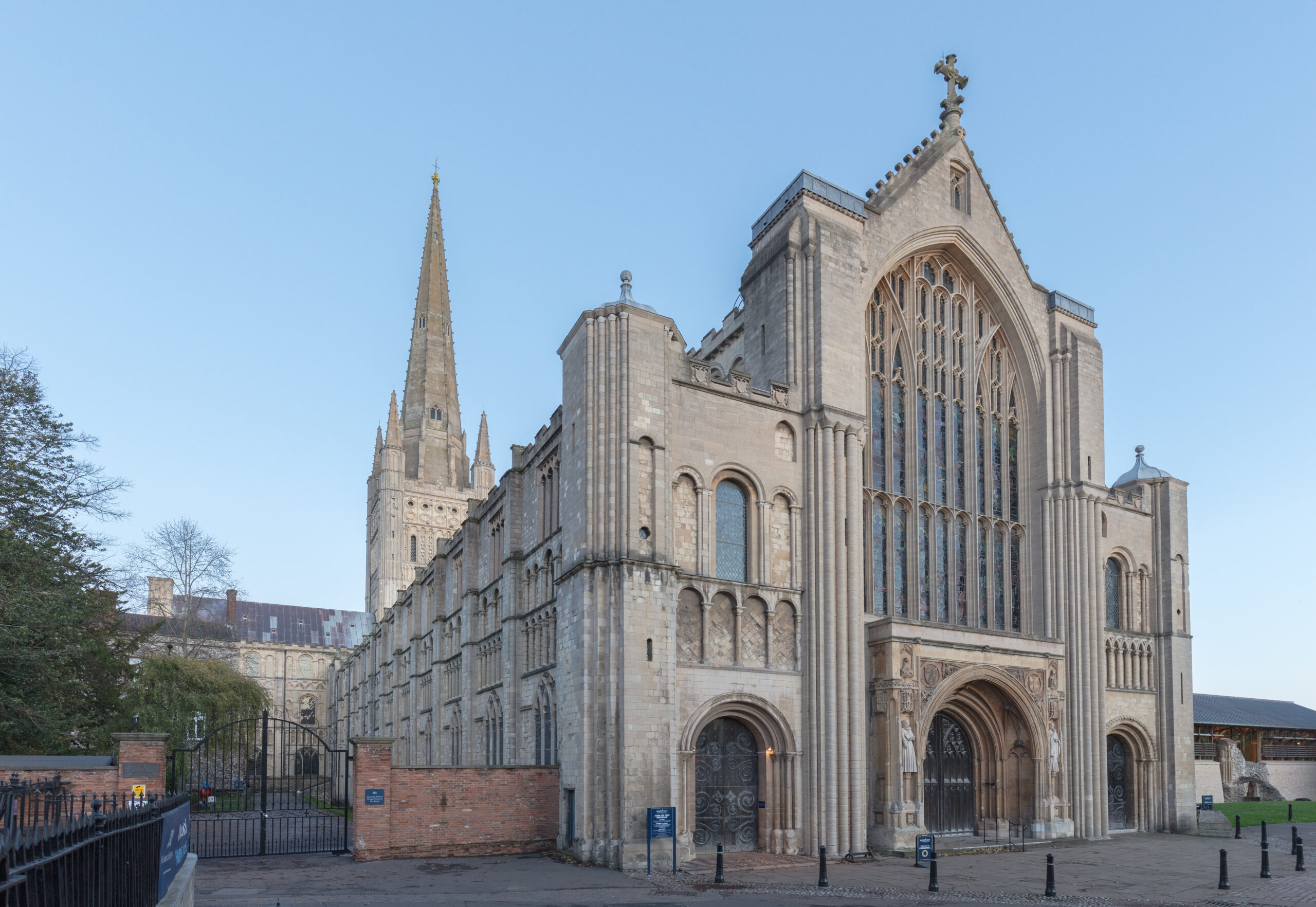
“Norwich gives Norfolk its backbone: medieval streets, modern confidence and a calm after dusk.”
Food and drink
Food in Norfolk is rooted in the landscape and coast. Cromer crab is the best-known local name, but seafood more broadly is a strong reason to eat well here, particularly around the north coast. Samphire appears regularly in season, and local cheeses, asparagus and soft fruit all have their place.
Village pubs remain central to a good Norfolk stay, especially those that understand the value of straightforward cooking in a handsome room after a windy walk. Along the coast, fish and chips still make perfect sense, but there is also a growing number of more ambitious kitchens in inns, hotels and market-town restaurants. Norwich is the county’s strongest all-round dining centre, with enough range for a dedicated food-focused weekend.
Choosing your base
For a classic Norfolk holiday, the north coast is the most rounded base. Wells-next-the-Sea, Burnham Market and around Holt each give good access to beaches, walks, villages and inland houses. For boating and slower scenery, the Broads around Wroxham, Horning or Ludham make more sense. For a short city-and-county break, Norwich is the most practical choice.
Guests planning a week may do best by splitting a stay between coast and either Norwich or the Broads. The county is not vast, but changing base can reveal how distinct its landscapes really are.
Throughout the seasons
Late spring through early autumn is the easiest period for a first Norfolk trip, especially if the coast is the priority. May and June can be particularly rewarding, with longer days, fresh colour in the marshes and slightly more breathing space before the height of summer. High summer brings the warmest beach weather and the fullest calendar, but also busier roads and popular villages.
Autumn suits walkers, birdwatchers and guests who prefer Norfolk at a quieter register. Winter can be bracing and beautiful on the coast, with big skies and low light, while Norwich remains a good year-round short-break option.
Planning your journey
A car is the simplest way to explore Norfolk properly, especially for combining coast, villages and country houses. Roads are generally easy rather than fast, so distances can take longer than expected. Trains connect Norwich well with London and Cambridge, and there are onward rail links to places such as Cromer and Sheringham, but public transport becomes less convenient for deeper rural exploring.
For a short break without a car, Norwich is the easiest option, perhaps paired with a rail-accessible stretch of coast. For a fuller Norfolk guide in practice, though, having your own transport opens up the county’s quieter corners.
A few ways to shape a stay
A two-night break works well in Norwich, or on the north coast with a focus on one or two beaches, a harbour town and a good pub lunch. Three to four nights allows time to combine coast and countryside. A week is enough to divide time between the north coast, the Broads and the city without constantly packing.
Norfolk rarely needs to be overplanned. It is a county best approached with a framework rather than a checklist: one that leaves space for weather, tide, a détour through a market town, or an unexpectedly long walk when the coast looks particularly clear.
Useful Links
Tourist Information
Official Attraction
National Trust
English Heritage
Local Council
Frequently Asked Questions
Which part of Norfolk is best for a first holiday?
For many first-time visitors, the north Norfolk coast is the easiest place to start, especially around Wells-next-the-Sea, Holt or Burnham Market. It gives you beaches, coastal walks, attractive villages and straightforward access to inland estates. If you prefer boating and slower scenery, the Broads are a better fit, while Norwich suits a shorter city-based break.
Is it better to stay on the coast, in the Broads or in Norwich?
That depends on the kind of trip you want. The coast suits beach days, walking and seafood; the Broads are ideal for boating, cycling and a quieter pace; Norwich works well for history, dining and a car-free short break. For a week, splitting your stay between the coast and either Norwich or the Broads often works particularly well.
Do you need a car for a Norfolk holiday?
A car is usually the simplest option, especially if you want to combine beaches, villages, country houses and nature reserves. Norfolk’s roads are generally easy but not especially fast, so allow more time than the map may suggest. It is possible to visit without a car, but Norwich is the most practical base and rural exploring becomes more limited.
What are the best beaches in Norfolk?
Holkham is often the standout for scale, with a broad sweep of sand backed by dunes and pines. Wells-next-the-Sea is another favourite, especially for families, while Brancaster is good for long walks and sea air. On the east coast, Sea Palling is often appreciated for its spacious feel. Conditions and access can vary with weather and tides.
Is Norfolk good for families with children?
Yes, Norfolk is very well suited to family holidays, largely because there is so much space. Wide beaches, easy boat trips, nature reserves, heritage railways and stately homes make it straightforward to plan varied days without overfilling them. It often works best to choose one main outing each day and keep plans flexible around weather and tides.
What is the best way to experience the Norfolk Broads?
Hiring a day boat is the classic introduction and usually the clearest way to understand the landscape. Wroxham and Hoveton are practical starting points, while Horning feels more picturesque and quieter. If you would rather stay on land, there are good waterside walks and cycling routes, along with villages where you can stop for lunch or simply watch the river life.
When is the best time of year to visit Norfolk?
Late spring to early autumn is generally the easiest period for a first visit. May and June often feel especially rewarding, with long days and slightly more room before the busiest summer weeks. Autumn is excellent for walking and birdwatching, while winter can be striking on the coast if you enjoy big skies, quieter beaches and brisk weather.
What should you not miss on a Norfolk holiday?
A balanced Norfolk trip might include a day on the north coast, time on the Broads and at least a short visit to Norwich. Holkham Beach, Wells-next-the-Sea, Blakeney or Morston for seal trips, and a boat day from Wroxham are all strong choices. Inland, Blickling, Felbrigg or Sandringham can add depth, especially if the weather turns mixed.
Continue Exploring Norfolk
More Places to Stay
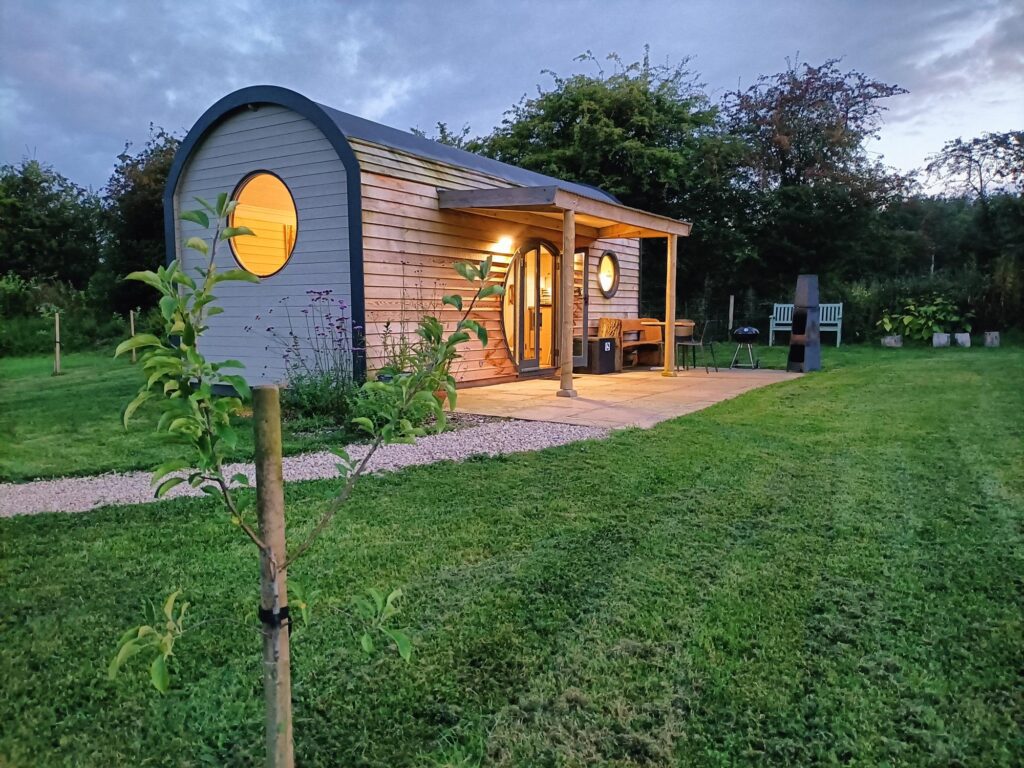

3 Trees Glamping
A small, quietly tucked-away glamping site on the edge of Wirksworth, with woodland-and-field surroundings, alpacas in the background and footpaths leading straight into the…
View property →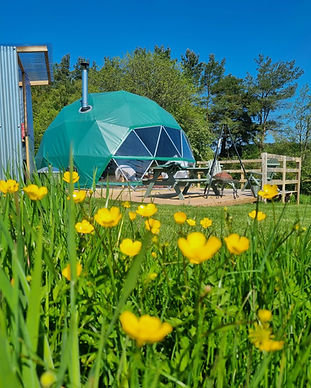
Aber Glamping
A secluded farm stay in the Brecon Beacons, where geo domes and pods look towards Pen y Fan and dark skies make the nights…
View property →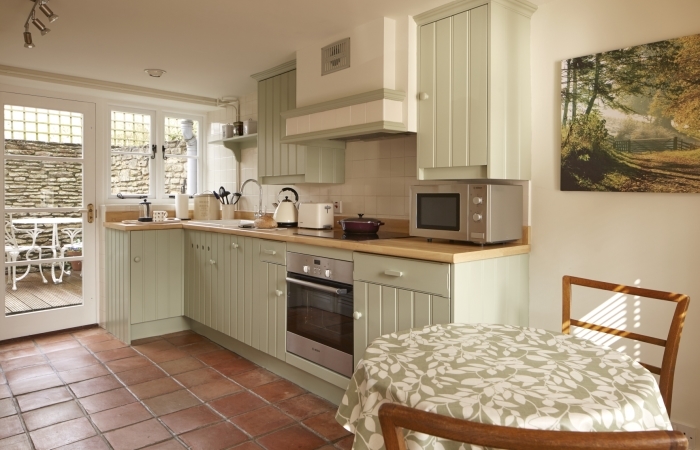
Angel Cottage
A stone cottage in Tetbury’s old heart, well placed for long wanders, antique-shop afternoons and easy forays into the softer, greener corners of the…
View property →