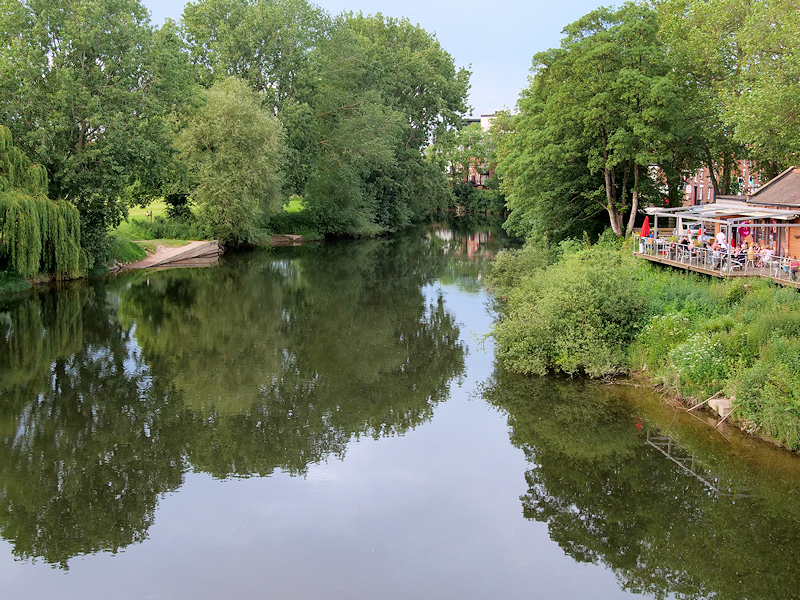
This guide to Shropshire is for travellers drawn to a quieter kind of English county: market towns with independent character, hills made for long walks, layers of industrial and medieval history, and a landscape that feels spacious without being remote.
Why visit Shropshire
Set against the Welsh border in the West Midlands, Shropshire is one of those counties that tends to reveal itself gradually. There are no grand coastal gestures or headline-grabbing honeypot villages in every direction. Instead, its appeal lies in variety and balance: the county town of Shrewsbury looped by the River Severn, the ridges and valleys of the Shropshire Hills, the world-changing heritage of Ironbridge, and a scattering of castles, estates and market towns that make easy day trips.
For a first visit, that range is exactly the point. Shropshire suits travellers who want a holiday with more than one rhythm: a morning in a museum or historic house, an afternoon walk on open hills, and an evening in a good inn or small town restaurant. It is also a county that still feels usefully underexposed. Streets can grow noticeably quieter once day visitors drift away, and even in high summer the wider landscape often keeps its sense of space.
Choosing your base
Where to stay depends on whether town life, walking country or heritage comes first. Shrewsbury is the easiest all-round base. It has the broadest choice of places to stay, a handsome centre that can be explored on foot, and straightforward access to much of the county. For a first trip with mixed interests, it is hard to beat.
Ludlow works well for guests who want a more southerly base, with strong food credentials and easy access to the southern Shropshire Hills and nearby Herefordshire border country. It is smaller than Shrewsbury but has real weight of character.
Church Stretton is worth considering for a walking-focused break. Set beneath the Long Mynd and close to Carding Mill Valley, it places the hills at the front door. It is quieter in the evenings than the larger towns, which will suit some guests more than others.
Around Ironbridge, Coalbrookdale and Broseley, the appeal is heritage and a wooded Severn valley setting. This is a good choice for a shorter break built around museums, riverside walks and historic interest.
Shrewsbury and the market towns
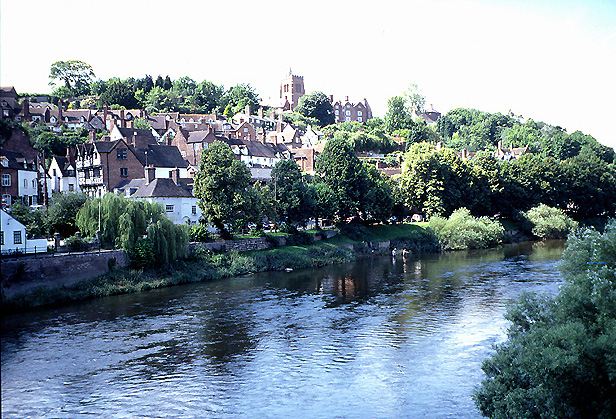
Shrewsbury is one of England’s most attractive county towns, not because it tries too hard, but because it feels intact. Timber-framed buildings, Georgian streets and church towers sit within a wide river loop, giving the centre a contained, walkable shape. There are independent shops, cafés and bookshops, and enough cultural life to support a relaxed couple of days. The Quarry, its large riverside park, adds breathing space close to the centre.
Elsewhere, the market towns each have a distinct tone. Ludlow is the most celebrated, with a fine castle, elegant streets and a long-established food scene. Bridgnorth, dramatically split between high and low town, has one of the county’s more unusual settings above the Severn. Much Wenlock is smaller and gentler, known for its priory and links to the modern Olympic movement. Oswestry, near the Welsh border, has a more frontier feel and can be paired with trips to the nearby ancient earthwork of Offa’s Dyke.
If time is limited, one larger town and one smaller market town makes a sensible contrast.
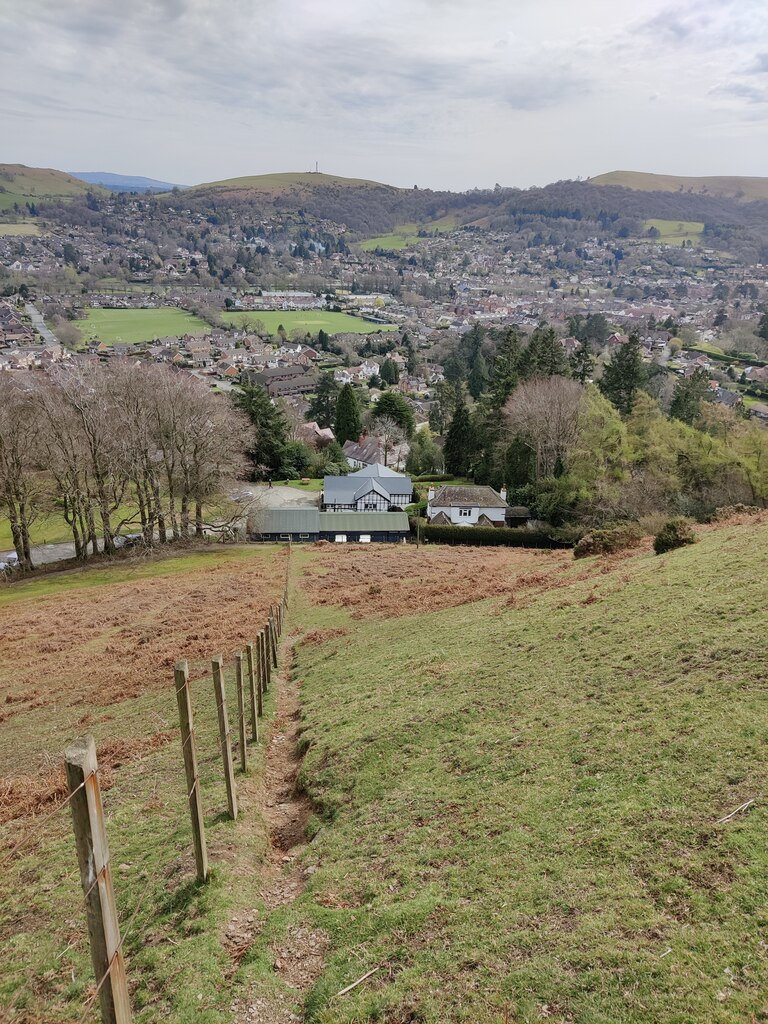
“Shropshire unfolds in layers: river-looped towns, open ridges and furnaces that changed Britain.”
Across the Shropshire Hills
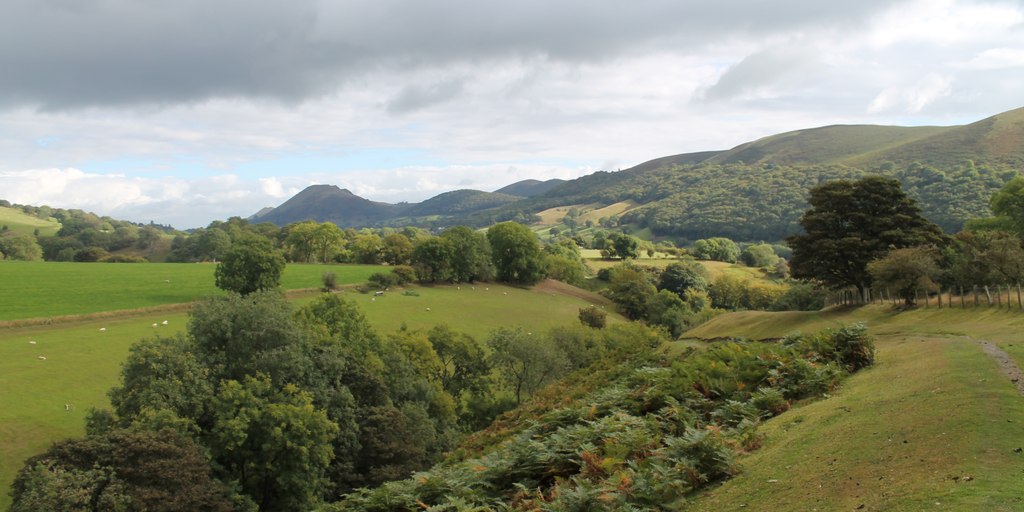
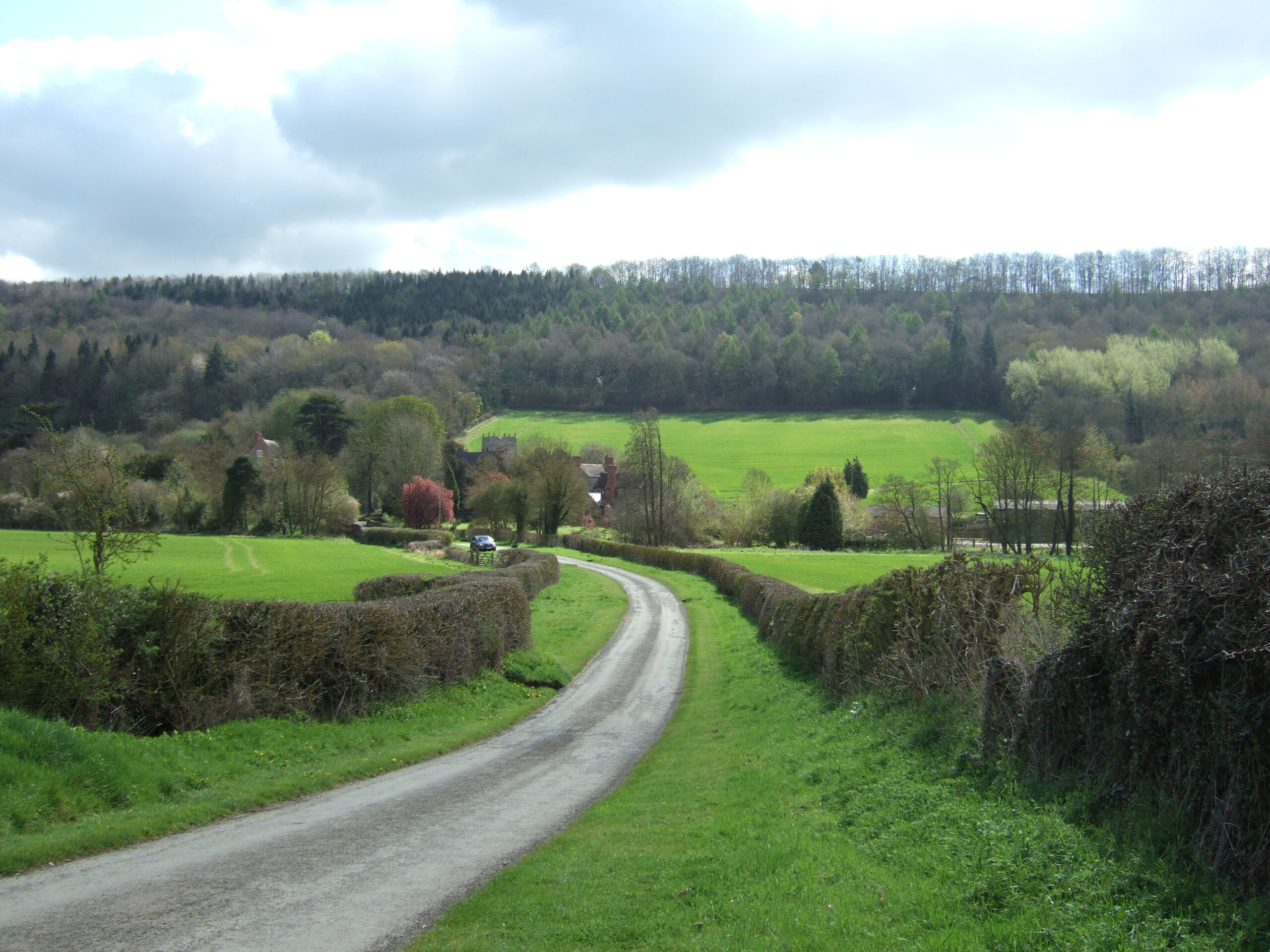
The Shropshire Hills National Landscape forms the county’s scenic heart. This is not mountain country, but it has shape and drama: long ridgelines, steep wooded valleys, moorland tops and far-reaching views into Wales and across the Marches. The changing light can alter the hills quickly, with bright sun on one slope and shadow drawing across another within minutes.
The Long Mynd is often the first choice, and understandably so. It offers broad, high walking with a sense of openness unusual in the English Midlands. Carding Mill Valley provides easier access and gentler routes, while more experienced walkers may prefer the wilder-feeling tops.
The Stiperstones brings something rougher and more elemental, with quartzite ridges and a more exposed character. Wenlock Edge, by contrast, is a long limestone escarpment with woodland walks and fine views. Caer Caradoc, near Church Stretton, is a rewarding shorter climb with a notably strong sense of shape from below.
Guests keen to walk every day would choose to stay close to Church Stretton or in one of the small villages around the hills. Those wanting only one or two scenic outings can easily reach the area from Shrewsbury or Ludlow.
Ironbridge and the county’s industrial story
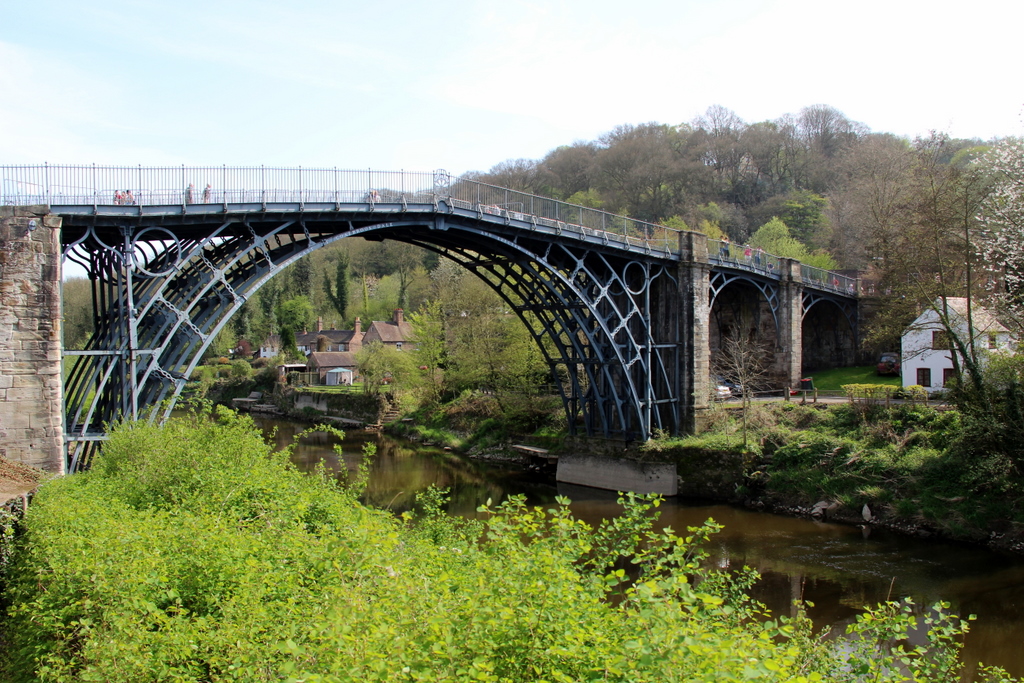
Shropshire’s history is not only rural and medieval. Ironbridge Gorge changed the modern world, and even visitors with a mild interest in industrial heritage often find the area more absorbing than expected. The Iron Bridge itself remains an arresting sight across the Severn, while the surrounding museums explain how coal, iron, engineering and transport transformed the valley.
This part of the county is best approached with time to wander between sites rather than rushing through a single attraction. Coalbrookdale, Blists Hill and the riverside settlements together give a fuller picture of the area. The wooded sides of the gorge soften the landscape, and the mix of industry and greenery is part of what makes it memorable.
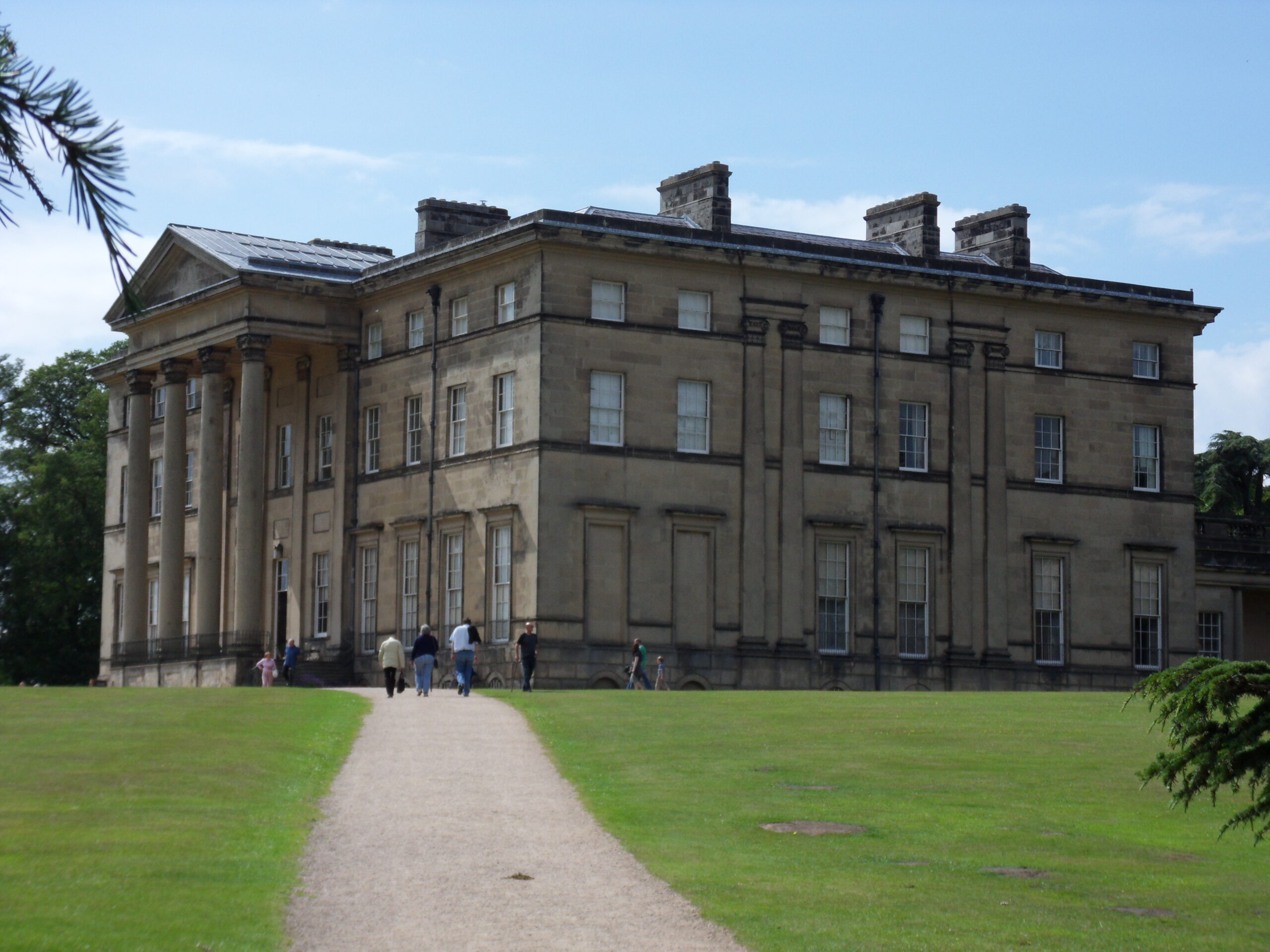
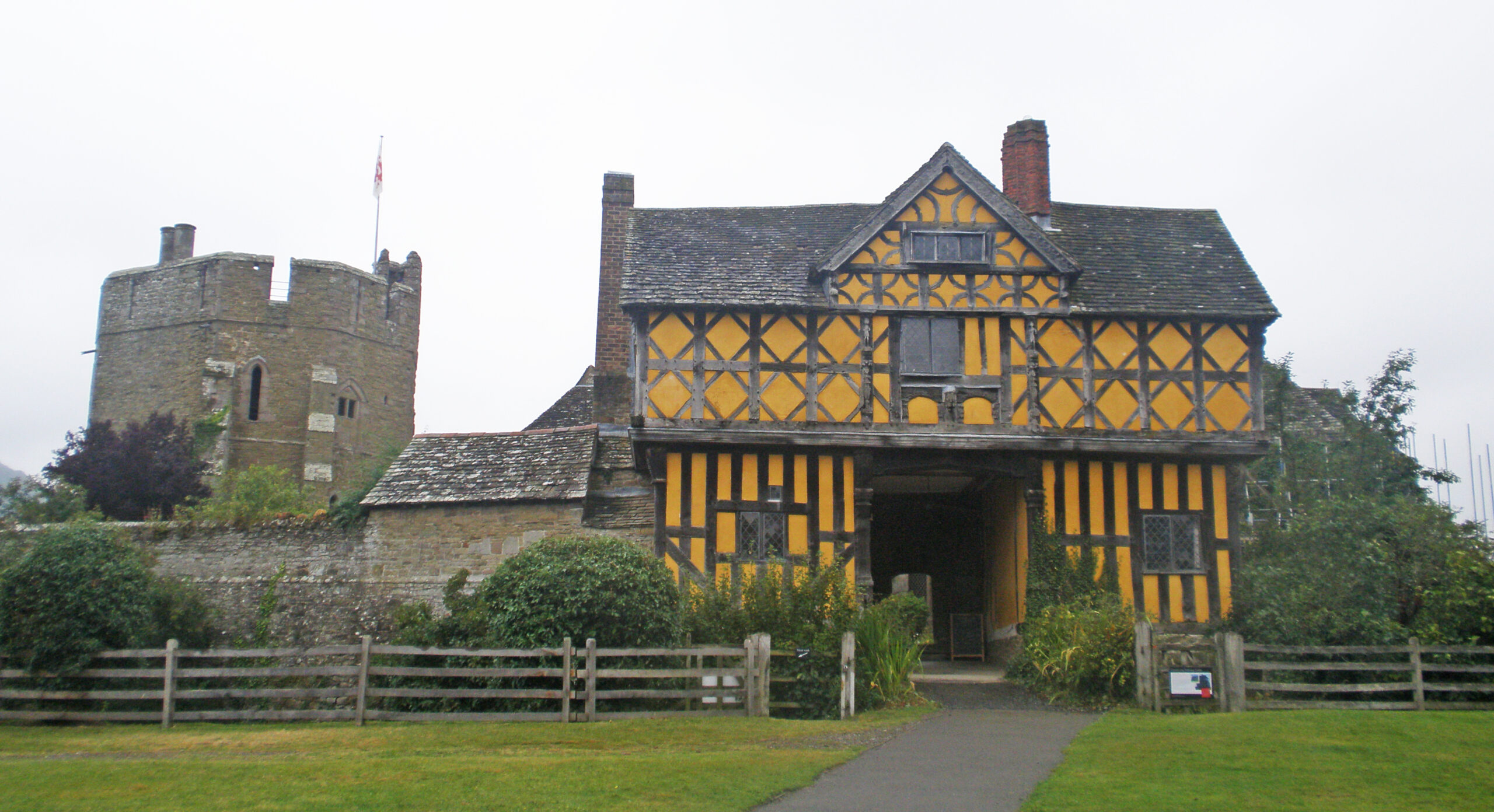
“Here, a morning on the Long Mynd can end beneath Ludlow’s castle walls.”
Castles and country houses
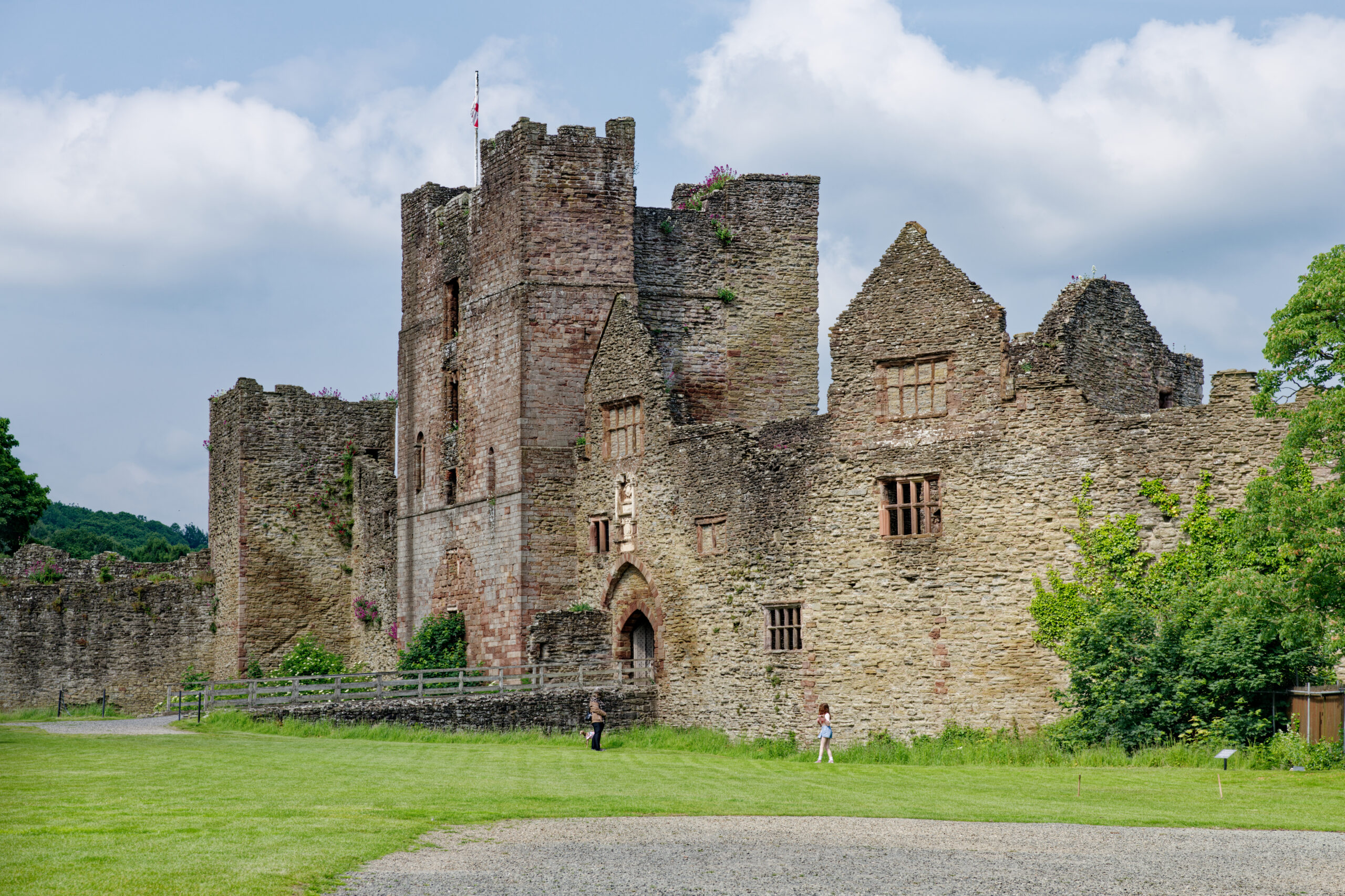
Shropshire is rich in strong historical outings. Ludlow Castle is one of the county’s most atmospheric ruins, still commanding its town with real authority. Stokesay Castle, one of England’s finest fortified manor houses, is worth prioritising for anyone interested in medieval architecture on a human scale. Shrewsbury Castle and the remains of Wenlock Priory both make worthwhile additions to town-based days.
For country houses and estates, Attingham Park stands out. Its elegant house, parkland and walled garden make an easy half-day or longer visit, especially for guests who like a historical stop paired with a gentle walk. There are smaller historic houses and gardens across the county too, but Attingham is the one many first-time visitors should keep in view.
Food and drink
Shropshire’s food scene is pleasingly grounded rather than showy. Expect well-run pubs, market town delis, farm shops and restaurants that draw confidently on local produce. Ludlow remains the county’s best-known food town, and for guests who like to organise a trip partly around eating well, it is a natural choice.
Elsewhere, the pleasure is often in simple combinations: a market-town lunch, a local beer in a country inn, or a good dinner after a day in the hills. The county’s agricultural setting means produce-led cooking tends to feel natural here. Choosing accommodation with a strong restaurant or an excellent nearby pub can shape the break as much as any sightseeing plan.
Getting around
A car is the most practical way to explore Shropshire fully, especially for combining towns, hill walks and heritage sites in one trip. Distances are not huge, but rural roads can slow journeys, and part of the county’s charm lies in places that sit away from rail lines.
That said, Shrewsbury is a useful rail hub with direct links from several major cities, and it is entirely possible to plan a town-and-day-trip stay without driving if based carefully. Taxis and local buses can fill some gaps, but guests hoping to spend serious time in the hills or move easily between smaller places will find a car much simpler.
When to visit
Spring and early summer are particularly appealing, when gardens are lively, the hills are fresh green and walking conditions are often kinder than in the height of winter. Autumn also suits Shropshire well, especially in wooded valleys and parkland.
Summer brings the broadest opening hours and event programmes, along with busier weekends in the most popular spots. Even then, Shropshire rarely feels overwhelmed in the way more heavily visited counties can.
Winter has its own appeal for town breaks, pub lunches and heritage visits, though some rural attractions run shorter hours and hill weather can be unforgiving. For many first-time visitors, late spring or early autumn offers the most balanced introduction.
A few ways to shape the trip
For a first long weekend, Shrewsbury with one day in the Shropshire Hills and one in Ironbridge makes an excellent introduction. For four or five days, adding Ludlow, Stokesay and Attingham Park creates a fuller picture of the county.
Walkers may prefer to split time between Church Stretton and Ludlow. History-minded visitors could build a rewarding itinerary around Ironbridge, Shrewsbury, Ludlow Castle and Attingham. The pleasure of Shropshire lies in mixing these strands rather than treating them separately. It is a county best understood through contrast: town and hillside, abbey and furnace, river valley and ridge.
Useful Links
Tourist Information
National Trust
English Heritage
Local Council
Frequently Asked Questions
Where is the best base for a first holiday in Shropshire?
Shrewsbury is usually the easiest all-round base. It has a handsome, walkable centre, a wide choice of places to stay and good access to the rest of the county. If food is a priority, Ludlow makes a strong alternative, while Church Stretton suits a walking-focused break.
Do I need a car to explore Shropshire?
A car is the simplest way to combine market towns, hill walks and heritage sites, especially if you want flexibility. It is possible to manage without one if you stay in Shrewsbury and plan carefully around rail, buses and taxis, but rural areas and smaller attractions are easier to reach by car.
What is Shropshire best known for?
Shropshire is known for its mix of attractive market towns, the Shropshire Hills and the industrial heritage of Ironbridge Gorge. It also has notable castles, estates and walking country. The appeal is the variety: you can move easily between town sightseeing, open landscapes and important historic sites.
Which towns are most worth visiting in Shropshire?
Shrewsbury is often the first priority for its architecture, river setting and independent shops. Ludlow is well worth visiting for its castle and food scene. Bridgnorth, Much Wenlock and Oswestry each offer something different, so one larger town paired with one smaller market town often makes a good balance.
What are the best walking areas in Shropshire?
The Long Mynd is a favourite for broad views and open hill walking, with Carding Mill Valley offering easier access and gentler routes. The Stiperstones feels rougher and more exposed, while Wenlock Edge gives woodland walks along a limestone escarpment. Caer Caradoc is a rewarding shorter climb near Church Stretton.
Is Ironbridge worth visiting if I am not especially interested in industrial history?
Yes, many visitors find it more engaging than expected. The Iron Bridge itself is striking, and the wooded Severn gorge gives the area a distinctive atmosphere. It works best if you allow time to explore more than one site, as the wider valley helps bring the history to life.
When is the best time to visit Shropshire?
Late spring and early autumn are especially appealing, with good walking conditions, lively gardens and fewer drawbacks than the height of winter or the busiest summer weekends. Summer can be very pleasant too, particularly for longer opening periods, while winter suits town breaks and cosy pub-based stays if the weather is fair.
How many days do you need for Shropshire?
A long weekend is enough for a first taste, especially if you base yourself in Shrewsbury and include one day in the hills or at Ironbridge. Four or five days allows a more rounded trip, with time for Shrewsbury, Ludlow, a walk in the Shropshire Hills and one or two heritage visits.
More Places to Stay
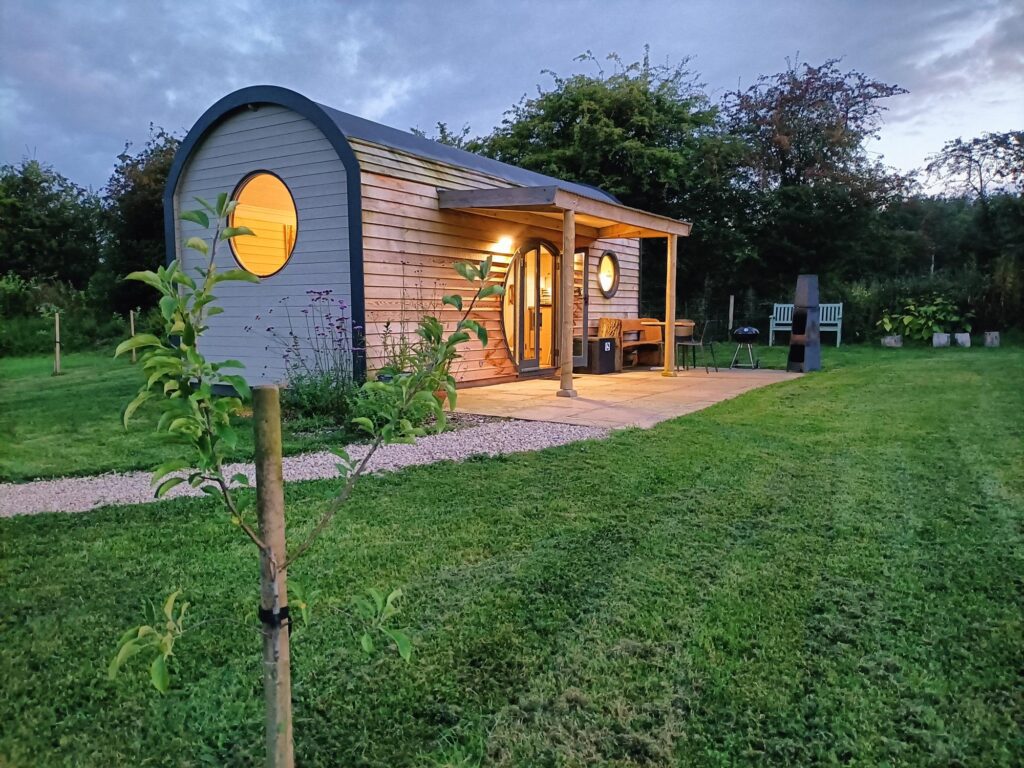

3 Trees Glamping
A small, quietly tucked-away glamping site on the edge of Wirksworth, with woodland-and-field surroundings, alpacas in the background and footpaths leading straight into the…
View property →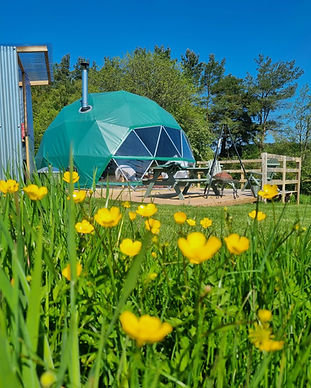
Aber Glamping
A secluded farm stay in the Brecon Beacons, where geo domes and pods look towards Pen y Fan and dark skies make the nights…
View property →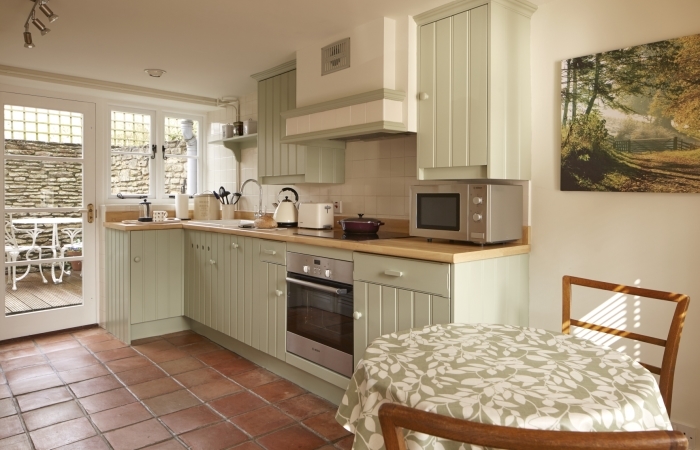
Angel Cottage
A stone cottage in Tetbury’s old heart, well placed for long wanders, antique-shop afternoons and easy forays into the softer, greener corners of the…
View property →