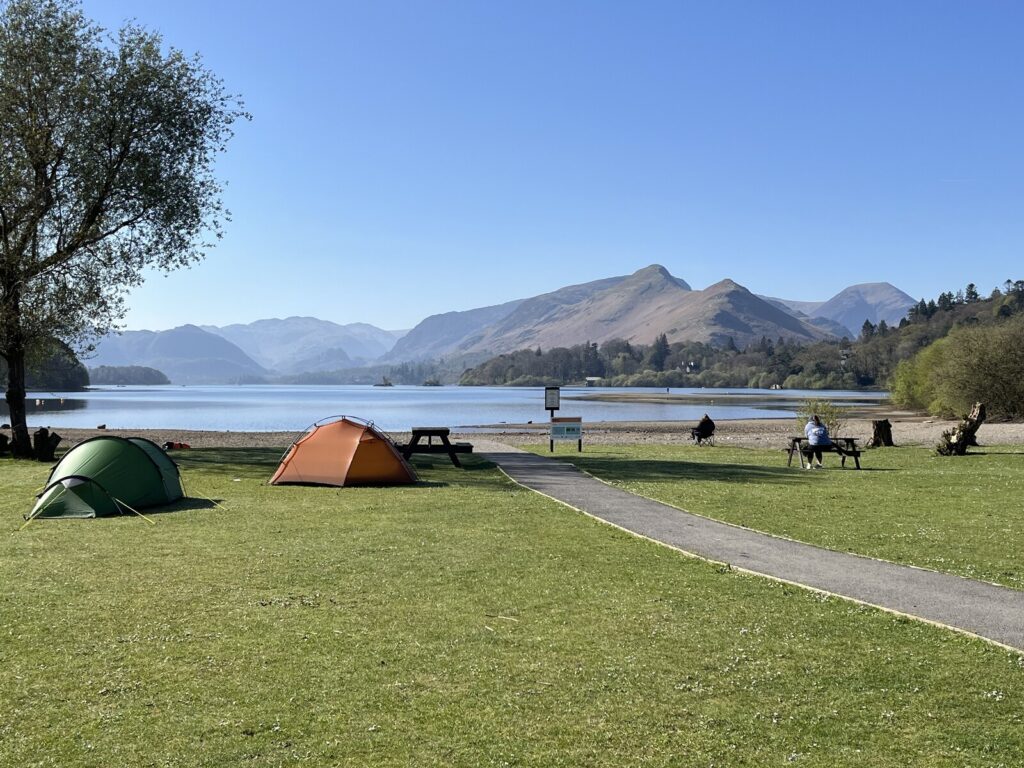
England’s largest national park is often reduced to a handful of postcard views, yet the Lake District is broader, quieter and more varied than that. This Lake District guide is designed as a clear introduction: where to base yourself, how the different areas feel, what to do beyond the obvious and when to plan a stay.
Why go
The Lake District has a rare combination of scale and intimacy. There are open fells, broad lakes and mountain passes that feel elemental in changing weather, but there are also small market towns, village pubs, stone farmhouses and short distances between one place and the next. It suits active breaks, slower scenic stays and trips built around food, literature or simply the pleasure of looking out at water and hills.
Part of its appeal lies in contrast. Mornings can begin with low cloud wrapped around the ridges and end with long, clear views across a valley. In busy honeypot towns, outdoor shops open early and cafés fill quickly; half an hour away, a smaller village street can fall noticeably quieter by late afternoon.
Where it is
The Lake District sits in Cumbria, in north-west England, between the M6 and the Cumbrian coast. It is contained largely within the Lake District National Park, though the wider area also includes useful gateways and market towns just beyond the park boundary.
For many guests, it helps to think of the region in sections rather than as one single destination. The central and southern lakes are the most visited and easiest for a first trip. The western valleys feel more remote. The north offers a slightly broader, more open landscape around Keswick and Bassenthwaite. The south-east, around Kendal and Windermere, is often the simplest arrival point.
Choosing your base
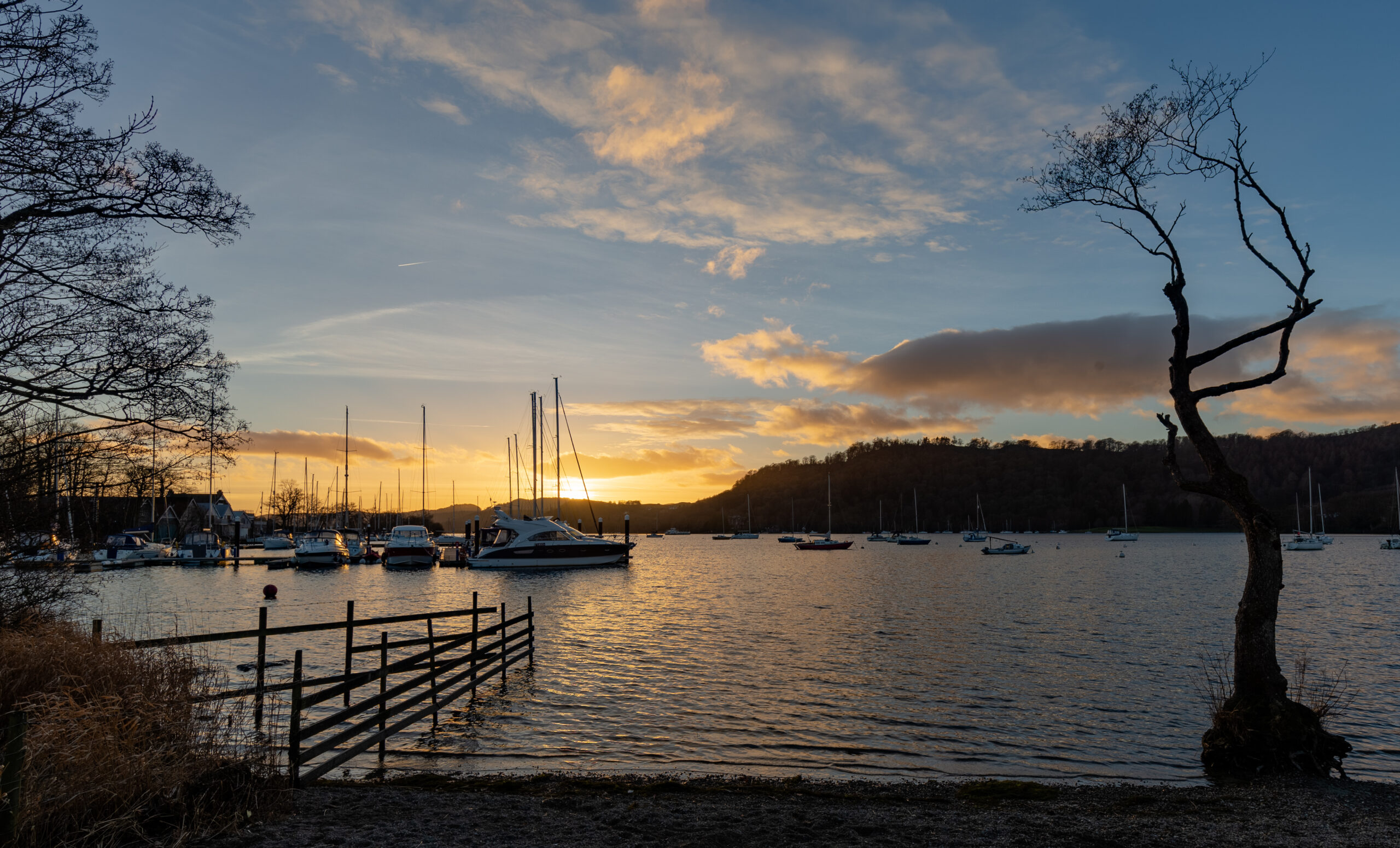
Windermere and Bowness work well for first-time visitors who want convenience. There are plenty of places to stay, lake access, boat trips and straightforward links by road and rail. It can feel busy in peak periods, but for a short break with minimal planning, it remains practical.
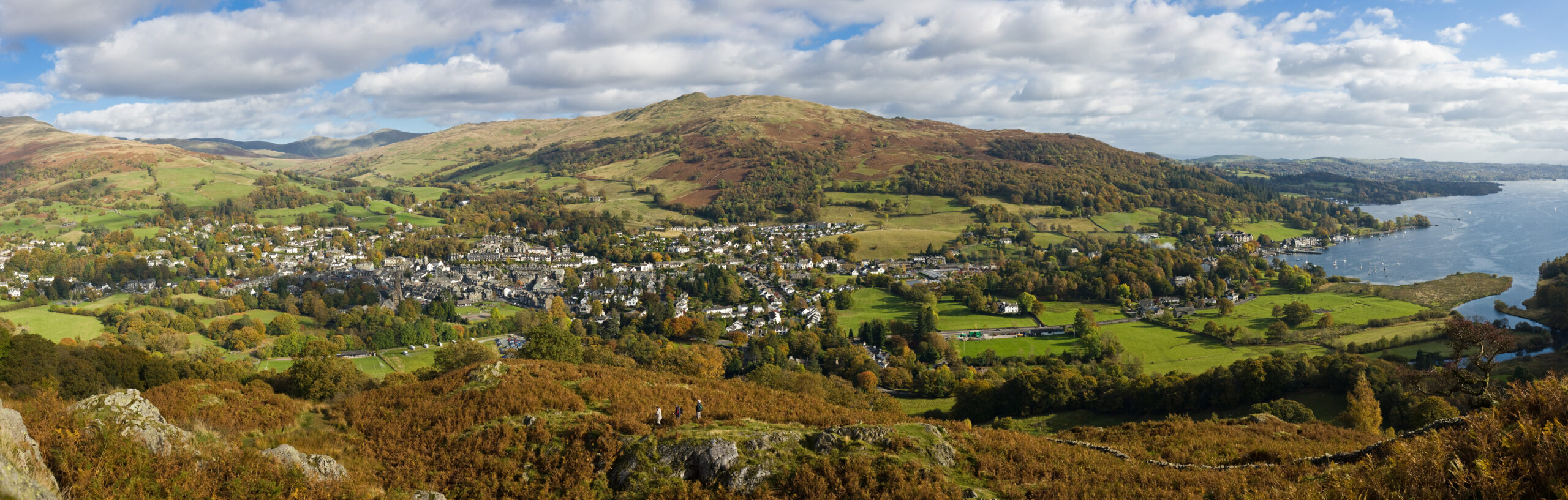
Ambleside is a strong all-round base. It sits near the head of Windermere, with easy access to Grasmere, Langdale and Ullswater, and has a good balance of restaurants, walks and independent shops. It suits guests who want to be active by day without relying entirely on the car.
Keswick is hard to beat for walkers. Set beside Derwentwater and encircled by fells, it has a lively but manageable centre and excellent access to Borrowdale, Catbells and Skiddaw. It also tends to appeal to returning visitors who prefer the northern lakes to the more polished southern corridor.
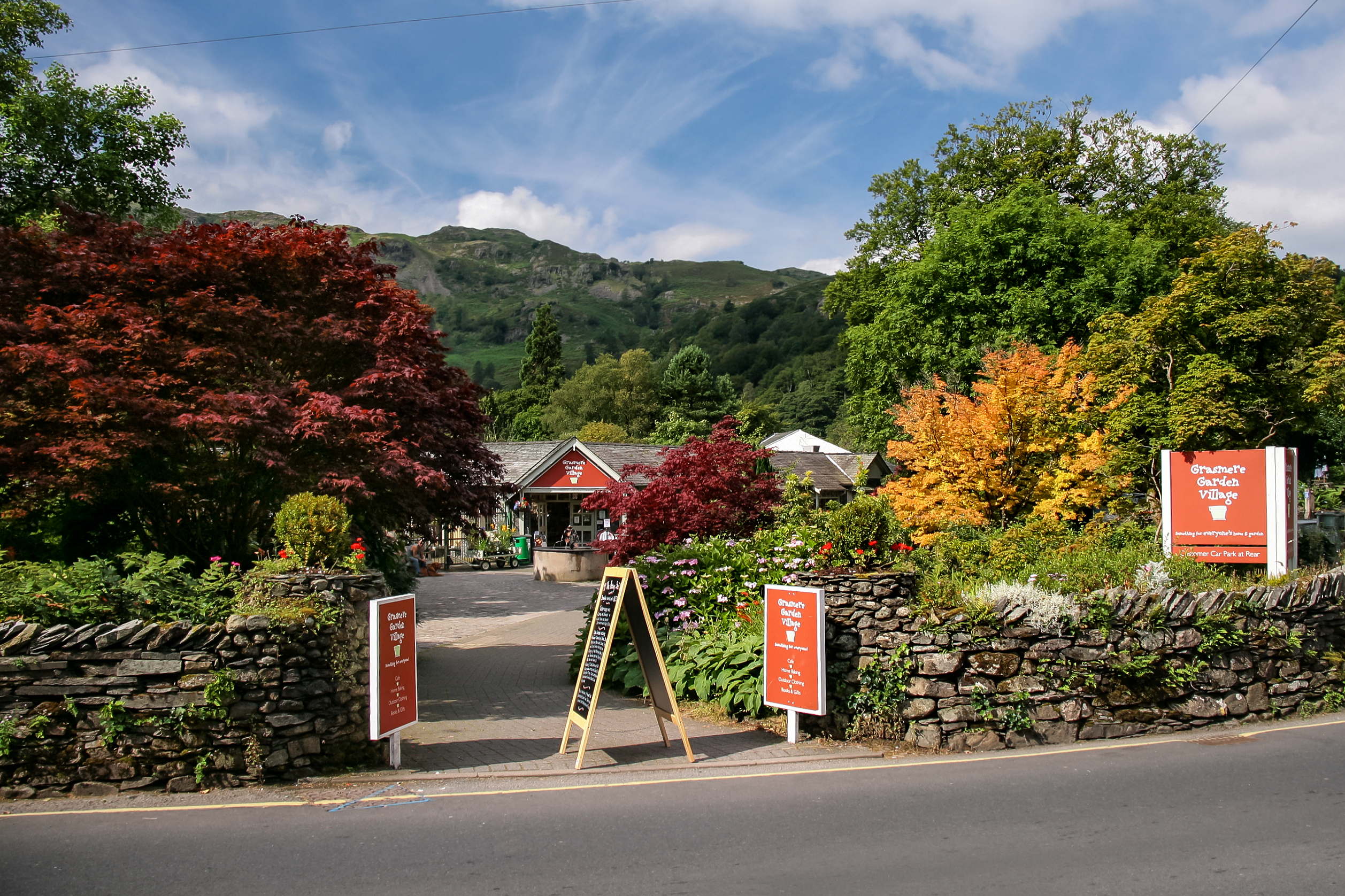
Grasmere and Hawkshead offer a gentler village feel, while Coniston is a good choice for those who want quieter evenings and quick access to water, woodland and fell walks. For a more secluded stay, the western valleys around Buttermere, Wasdale or Eskdale are worth prioritising, though they require more commitment on narrow roads.
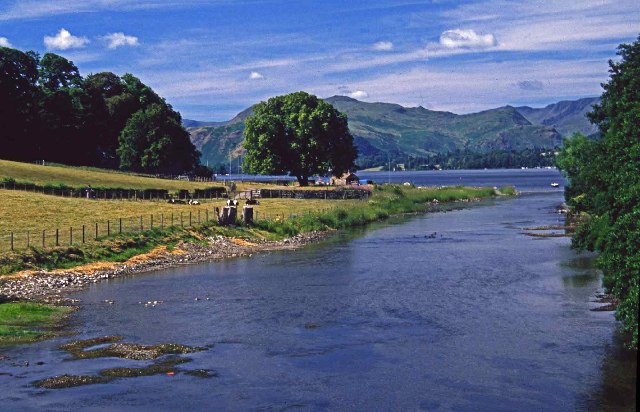
“Here, weather writes the itinerary, shifting fells and lakes from gentle to elemental.”
Lakes and landscapes
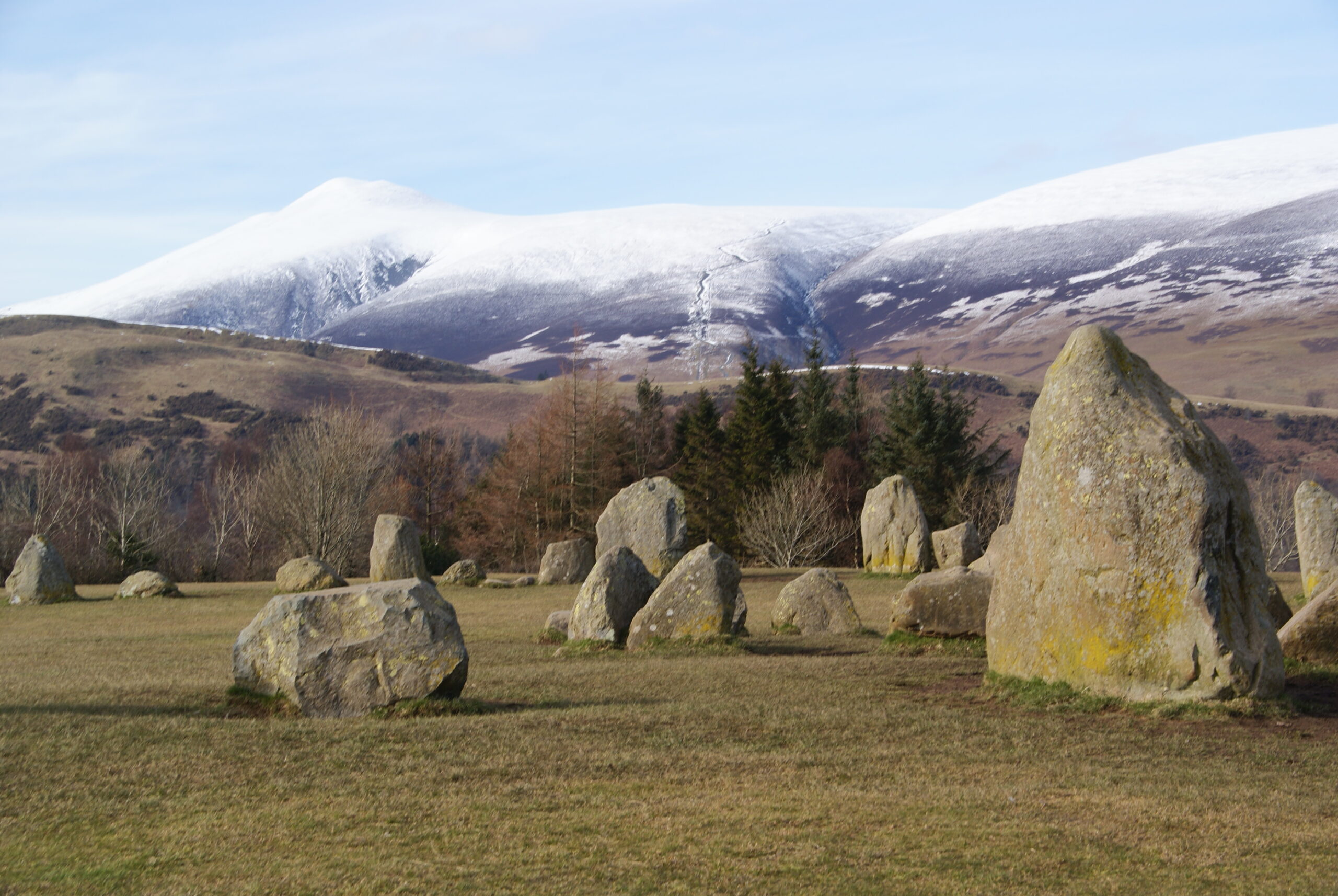
Despite the name, the Lake District is as much about mountains, passes, woods and pasture as it is about water. Windermere is the largest and most visited lake, lined with boats, jetties, wooded shorelines and busy little landing stages. Ullswater feels more spacious and elegant, especially from the water or the western shore path. Derwentwater combines easy accessibility with fine views, while Coniston Water has a calmer, less developed character.
Smaller landscapes often leave the sharper impression. Buttermere has a contained, almost perfect ring of water and fell. Borrowdale is greener and more wooded, with stone walls, rivers and old trees. Great Langdale feels broader and more dramatic, its valley floor opening towards some of the district’s most recognisable peaks. Then there is Wasdale, sterner and more remote, where England’s highest mountain and deepest lake create a more austere mood.
What to do
Walking is the obvious draw, but the range is wider than many first-time guests expect. There are short lakeside promenades, valley walks and gentle routes to viewpoints, as well as serious fell days for experienced hikers. A boat trip on Windermere, Ullswater or Derwentwater can be a useful way to see the landscape without adding another drive.
Literary and cultural history runs quietly through the region. Dove Cottage in Grasmere remains closely tied to Wordsworth, while Beatrix Potter’s presence is strongly felt around Near Sawrey and Hawkshead. Country houses and gardens, including National Trust properties, add variety on days when the weather turns.
Families will find plenty beyond walking: lake cruises, cycling routes, forest trails, aquarium visits near the south lakes and easy picnic stops by the water. For guests who prefer scenic touring, the Kirkstone, Honister, Wrynose and Hardknott passes offer memorable drives, though some are narrow, steep and best approached with care.
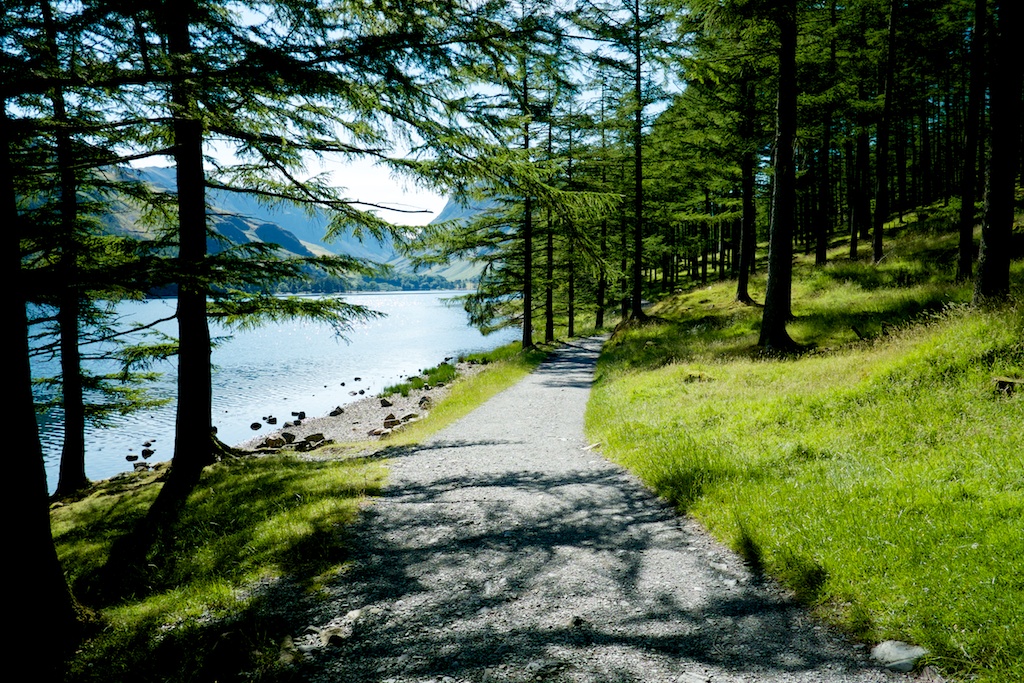
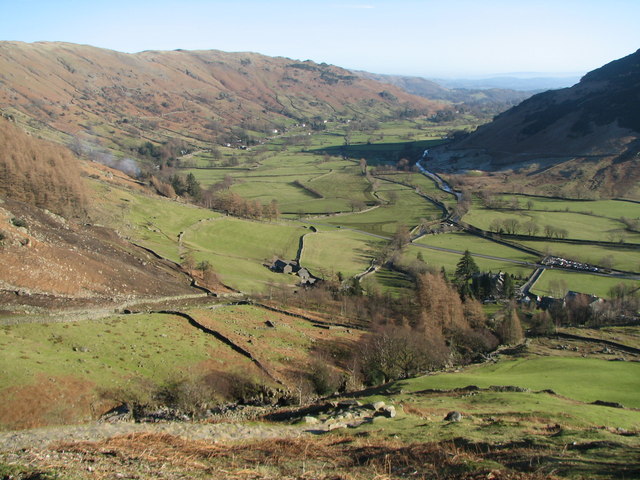
“Between Wordsworth’s cottages and mountain passes, the Lake District feels both storied and untamed.”
Food and drink
The Lake District’s food scene is more assured than rustic mythology might suggest. In larger bases such as Ambleside, Keswick and Bowness, there is a dependable mix of smart casual dining, good cafés and traditional pubs. Grasmere is closely associated with gingerbread, while Kendal retains its historic connection with mint cake.
Village pubs remain central to the rhythm of a stay, especially after a wet walk or a day on the road. Expect Cumbrian lamb, local ales, sticky toffee pudding and menus that often lean seasonal without becoming self-conscious. There are also destination restaurants scattered through the valleys and country-house hotels for those planning a more indulgent evening.
Throughout the seasons
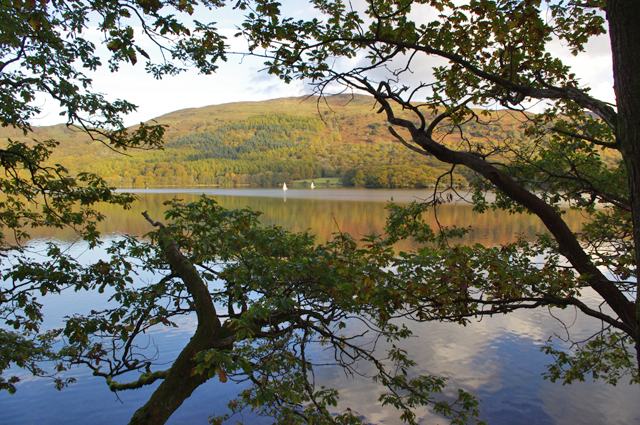
Spring is one of the loveliest times to go. The woods are fresh green, lambs fill the fields and there is often enough light for full days out without the height of summer traffic. Early autumn is similarly rewarding, with clearer air, quieter paths and bracken turning rusty on the hillsides.
Summer brings long days and the broadest choice of activities, but also higher prices, fuller roads and crowded lakefronts. Winter can be deeply atmospheric, particularly around Christmas, with dark water, low sun and smoke rising from village chimneys, though weather and daylight limit longer outings. For many guests, May, June and September offer the best balance.
Planning your journey
Arriving by train is straightforward if staying in the south lakes. Windermere station connects via Oxenholme on the West Coast Main Line, making rail a realistic option for shorter breaks. Elsewhere, a car is useful, especially for rural hotels, valley stays and flexible sightseeing.
Roads are scenic but slow. Distances that look short on the map can take longer than expected, especially on weekends and bank holidays. Parking fills early in popular spots, and some passes and minor roads require confident driving. Public buses cover many key routes, and there are seasonal boat links on several lakes, but they work best when plans are kept reasonably simple.
A few ways to shape a stay
For a first two- or three-night visit, a base in Ambleside, Windermere or Keswick makes sense. This allows a mix of one lake cruise, one substantial walk or scenic drive, time in a village or two and at least one unhurried meal in a good pub.
A longer four- or five-night trip can combine contrasting areas: perhaps the south lakes for easy arrival and classic scenery, then the north or west for a quieter second half. Guests interested in walking might focus on Keswick and Borrowdale. Those wanting a gentler pace may prefer Grasmere, Coniston or Ullswater.
The Lake District rewards selectivity. It is tempting to try to cover every famous lake and pass in one trip, but this is a place that settles best when there is time to pause, watch the weather shift across the fells and let one valley lead naturally to the next.
Useful Links
Tourist Information
National Trust
English Heritage
Local Council
Frequently Asked Questions
Where is the best place to stay in the Lake District for a first visit?
Windermere, Bowness and Ambleside are usually the easiest bases for a first trip. They offer good access to the southern and central lakes, plenty of places to eat and straightforward transport links. If walking is your main priority, Keswick is often a better fit, with excellent access to Derwentwater, Borrowdale and nearby fells.
Do I need a car in the Lake District?
Not always, but it depends where you stay. A rail arrival works well for Windermere and the south lakes, and buses and seasonal boat services can help with simple sightseeing plans. A car is more useful for rural hotels, valley stays and exploring less connected areas, especially in the west, where roads are scenic but often slow and narrow.
When is the best time to visit the Lake District?
For many travellers, May, June and September offer the best balance of decent daylight, attractive scenery and fewer crowds than high summer. Spring brings fresh green landscapes and lambs in the fields, while early autumn often feels calmer and clearer. Summer has the widest choice of activities, but roads, car parks and lakefront towns can become very busy.
Which part of the Lake District is best for walking?
Keswick and Borrowdale are particularly strong choices if walking is the focus, with options ranging from gentle lakeside routes to more demanding fell days. Ambleside also works well for varied walks around Grasmere and Langdale. For a quieter, more remote feel, Wasdale, Buttermere and Eskdale are excellent, though they are less convenient to reach.
Is the Lake District suitable for a short break?
Yes, especially if you choose one well-placed base and keep plans selective. Two or three nights is enough for a lake cruise, a good walk or scenic drive, time in a village and a relaxed pub meal. The area is best enjoyed without trying to cover every famous lake and pass in one visit.
What can you do in the Lake District besides walking?
There is plenty beyond hiking. Boat trips on lakes such as Windermere, Ullswater and Derwentwater are an easy way to enjoy the scenery. You can also visit literary sites linked to Wordsworth and Beatrix Potter, explore country houses and gardens, take scenic drives over mountain passes, or plan family-friendly outings including cycling, forest trails and waterside picnics.
Which lakes and areas are best if I want somewhere quieter?
Coniston often feels calmer than the busier Windermere area, especially in the evenings. Ullswater has a more spacious, less developed feel, while Buttermere offers a compact, striking landscape. For the most secluded atmosphere, look towards Wasdale, Eskdale or the western valleys. These areas can be deeply rewarding, but they generally involve narrower roads and longer drives.
Are the mountain passes in the Lake District difficult to drive?
Some can be. Passes such as Kirkstone, Honister, Wrynose and Hardknott are memorable routes, but several are steep, narrow and can feel challenging in poor weather or busy periods. They are best approached slowly and with confidence on single-track or tight roads. If you prefer gentler driving, stick to the main valley routes and allow extra time.
More Places to Stay
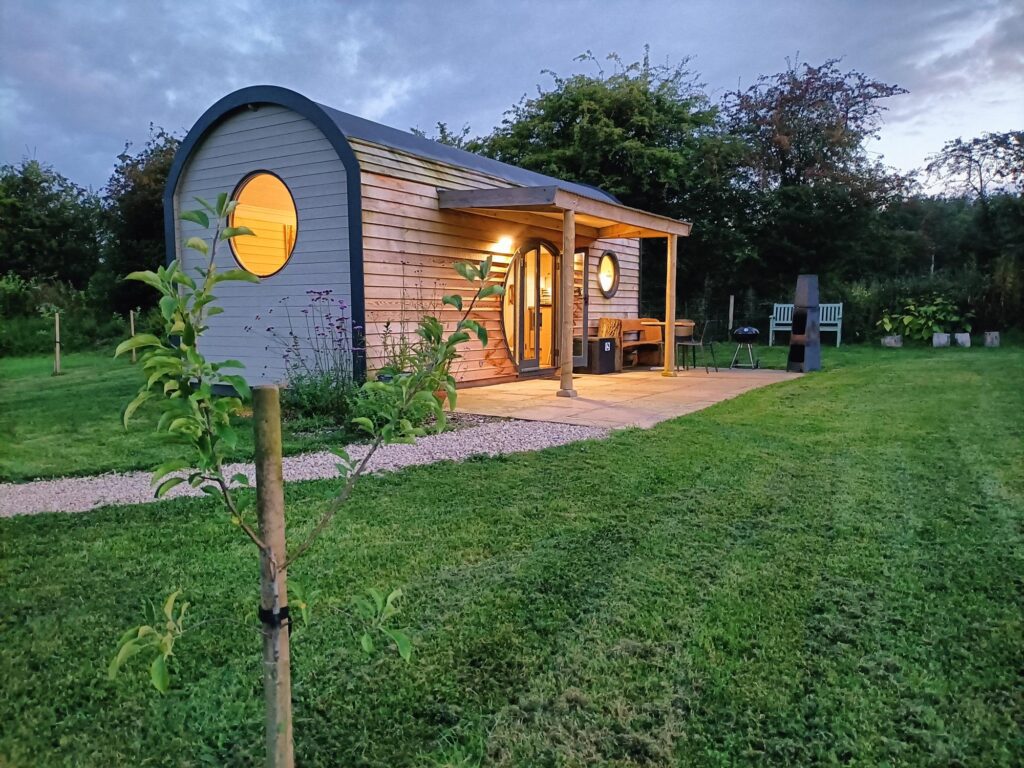

3 Trees Glamping
A small, quietly tucked-away glamping site on the edge of Wirksworth, with woodland-and-field surroundings, alpacas in the background and footpaths leading straight into the…
View property →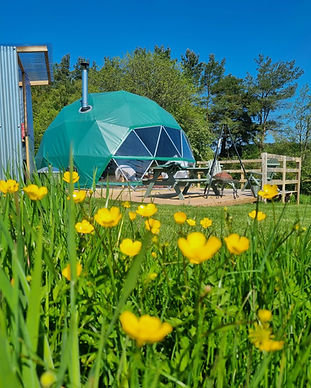
Aber Glamping
A secluded farm stay in the Brecon Beacons, where geo domes and pods look towards Pen y Fan and dark skies make the nights…
View property →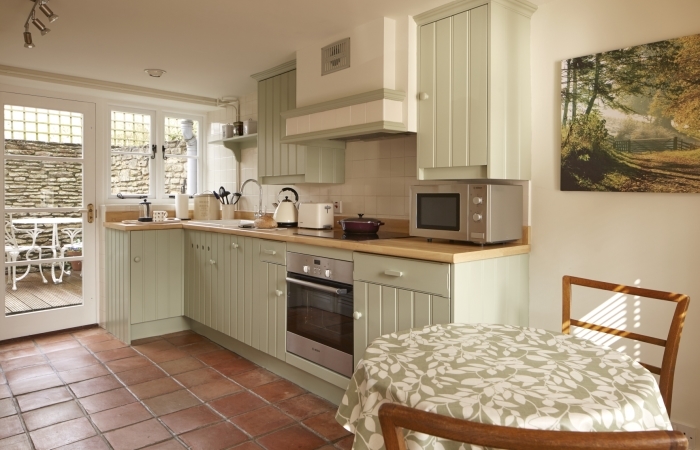
Angel Cottage
A stone cottage in Tetbury’s old heart, well placed for long wanders, antique-shop afternoons and easy forays into the softer, greener corners of the…
View property →