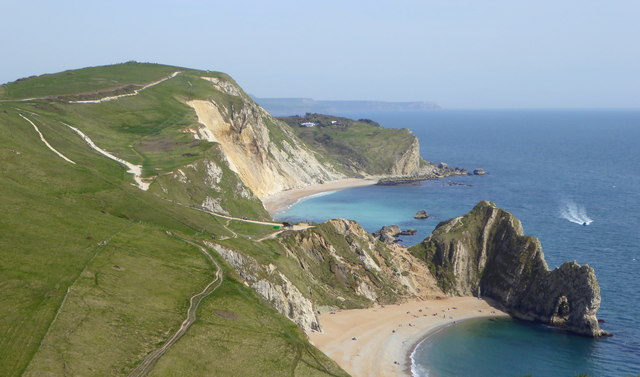
This guide to Dorset is a starting point for one of England’s most varied counties: a place of fossil cliffs, broad beaches, chalk downs, old market towns and quietly handsome villages. For holiday guests, its appeal lies in that range. A few days can hold a harbour walk, a country pub lunch, a long coastal ramble and an afternoon on sand, without ever feeling hurried.
Why visit Dorset
Dorset sits on England’s south coast, bordered by Devon, Somerset, Wiltshire and Hampshire, with landscapes that move easily from sea to heath, river valley and open downland. It is best known for the Jurassic Coast, the Unesco-listed shoreline running from Exmouth in Devon to Old Harry Rocks in Dorset, but the county is broader in character than its headline landmarks suggest.
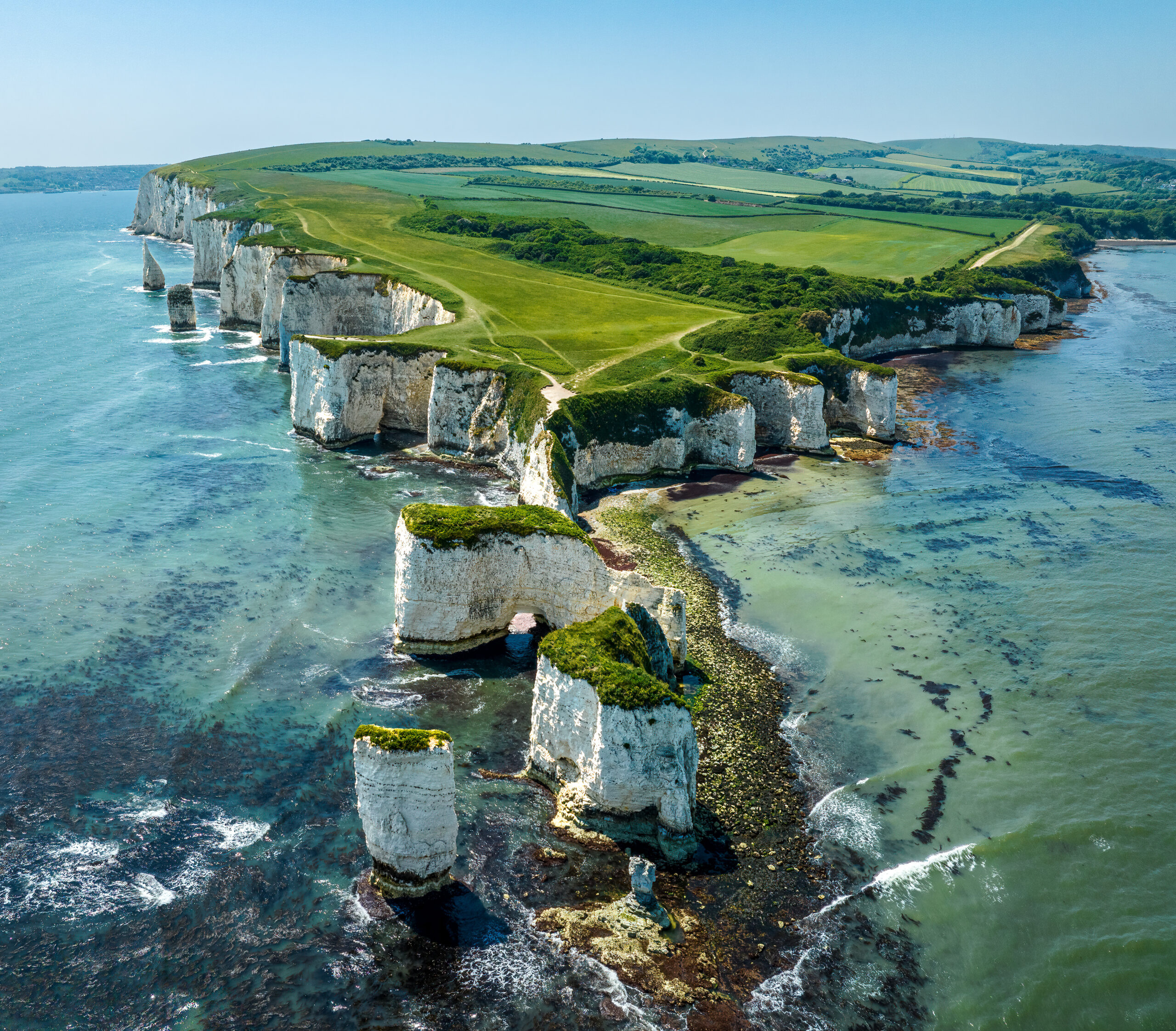
What draws people back is the balance. Dorset can feel dramatic at the cliff edge, especially around West Bay, Durdle Door and the chalk stacks near Studland, yet much of the county is gentler than that: villages built in mellow stone, old estates, creeks and farmland, and towns with an easy, lived-in rhythm. On the coast, the light can change quickly as cloud passes over the Channel; inland, streets often become noticeably quieter once day visitors drift away.
Dorset areas at a glance
For first-time visitors, it helps to think of Dorset in a few distinct parts.
West Dorset is the county of rolling hills, market towns and some of the most famous Jurassic Coast scenery. Bridport makes a good base for independent shops, a strong food scene and easy access to West Bay, Lyme Regis and inland walks. Lyme Regis, technically just over the border in many visitors’ mental map of the area, still shapes the feel of the far west coast and is worth factoring into any itinerary.
Central Dorset is more rural and often quieter. Dorchester, the county town, is practical rather than showy, but it is well placed for exploring Thomas Hardy country, nearby beaches and historic sites. This part of Dorset suits guests who want countryside, gardens and easier access across the county.
The east has a different energy. Poole, Bournemouth, Sandbanks and Christchurch bring larger resorts, long sandy beaches and more urban convenience. This side of Dorset tends to suit traditional seaside breaks, family holidays and shorter stays where restaurants, transport links and easy beach access matter.
The Isle of Purbeck, despite the name a peninsula, is often the area people remember most vividly. Swanage, Corfe Castle, Studland and Kimmeridge combine coast, heath and village life in a relatively compact area. If choosing one base for a classic Dorset short break, this is hard to beat.
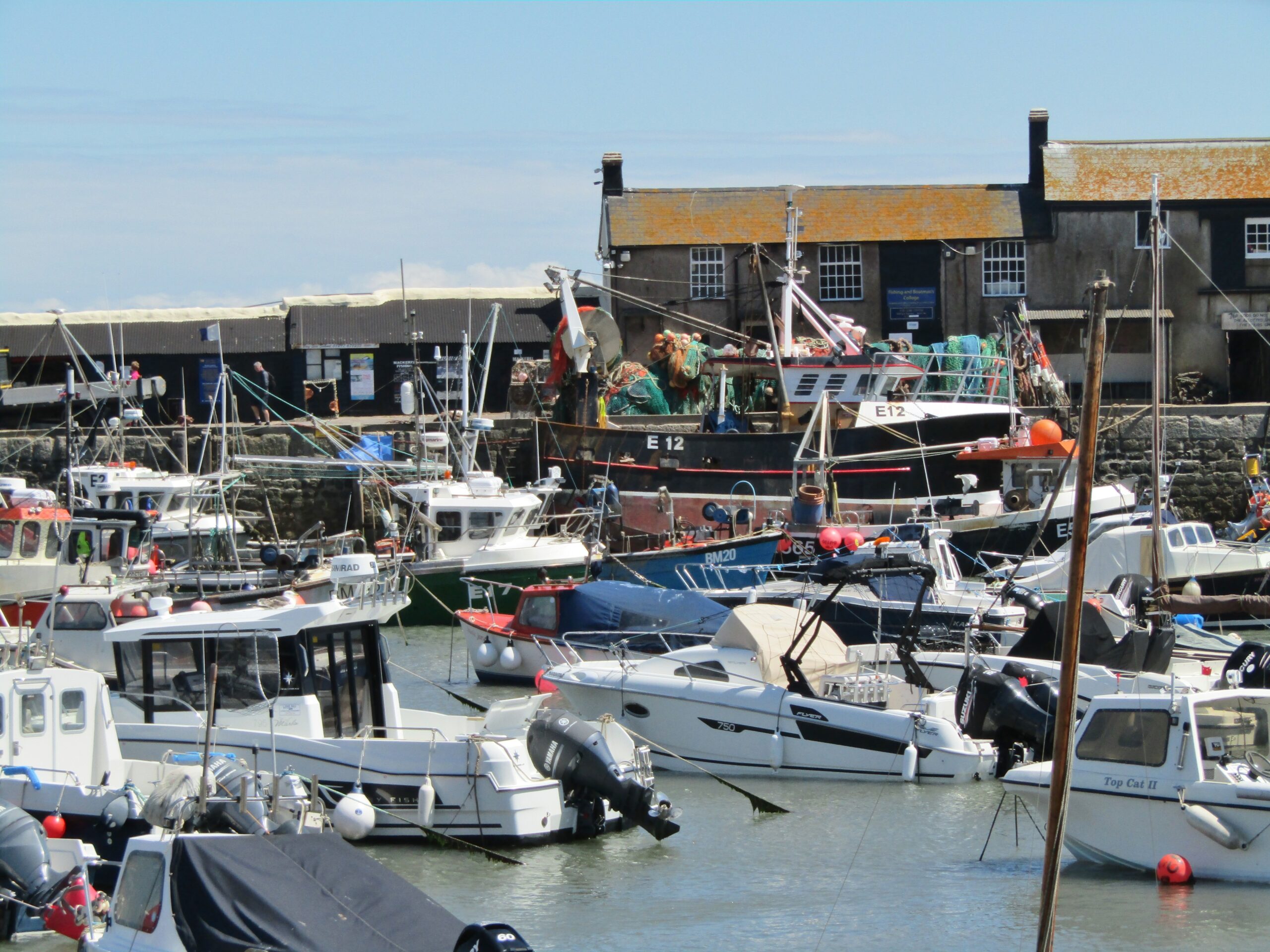
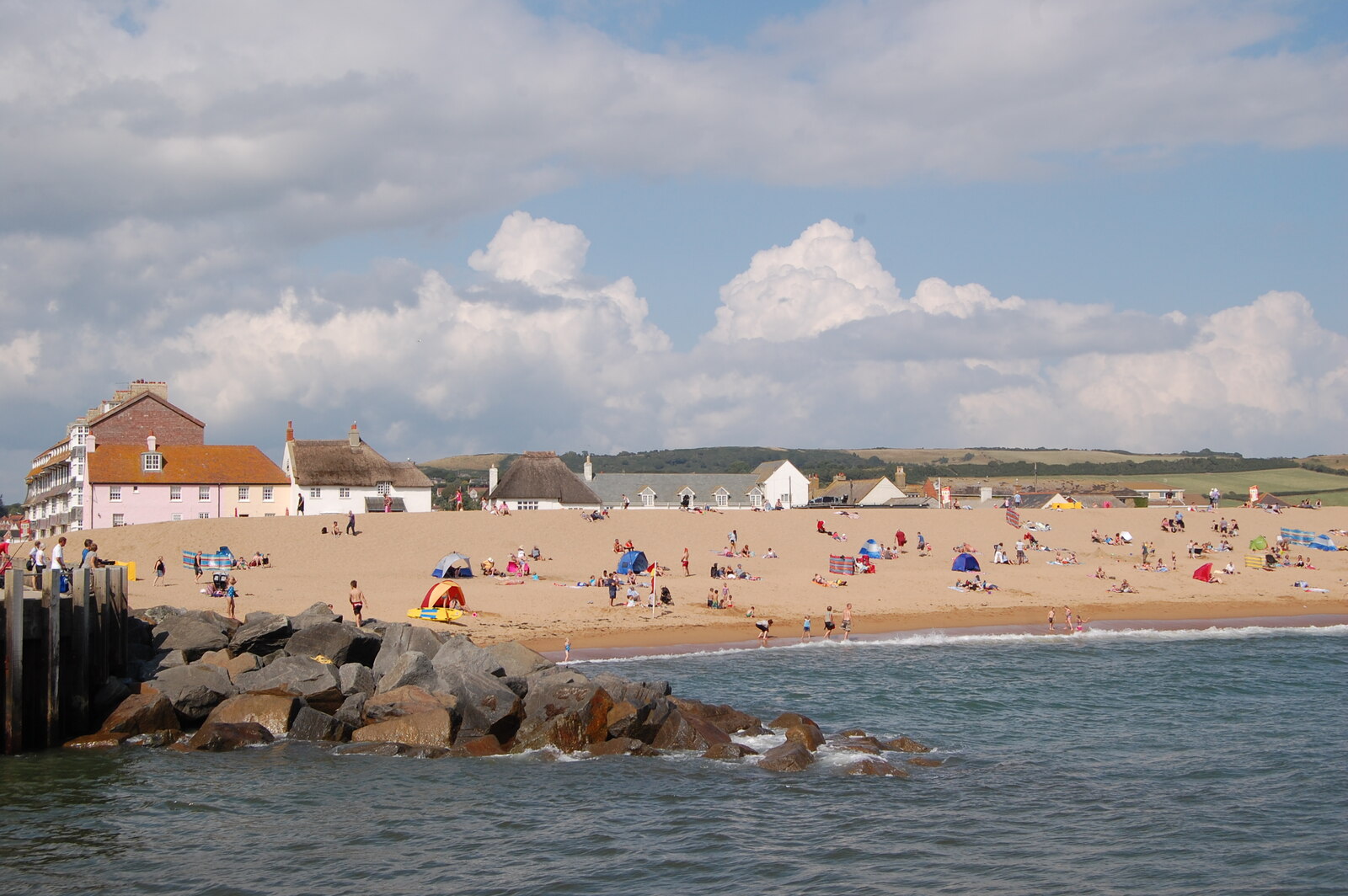
“In Dorset, a fossil cliff can give way to a harbour wall by teatime.”
Seaside towns and village bases
Each Dorset base brings a slightly different holiday.
Lyme Regis is compact, attractive and strongly tied to the county’s fossil history. Its curving seafront, old lanes and harbour give it a sense of enclosure that feels particularly good in cooler months. It suits walkers, couples and anyone happy with a town that remains lively beyond the school holidays.
Bridport has more everyday life to it, which is part of the appeal. The Saturday market, independent shops and nearby access to West Bay make it a useful base for guests who want coast and town in equal measure. West Bay itself has a working-harbour feel, with fishing boats, kiosks and cliff walks all close together.
Swanage is one of Dorset’s most straightforward family-friendly choices. It has a proper beach, a walkable centre and a traditional holiday-town ease. Nearby steam railway trips to Corfe Castle add to the appeal, particularly for multi-generational groups.
For a quieter coastal stay, Worth Matravers and Studland offer a slower pace, though accommodation can be more limited and booking ahead matters. Inland, Beaminster, Sherborne and the villages around the Blackmore Vale suit guests more interested in food, walking and country-house atmosphere than daily beach time.
Walking the coast
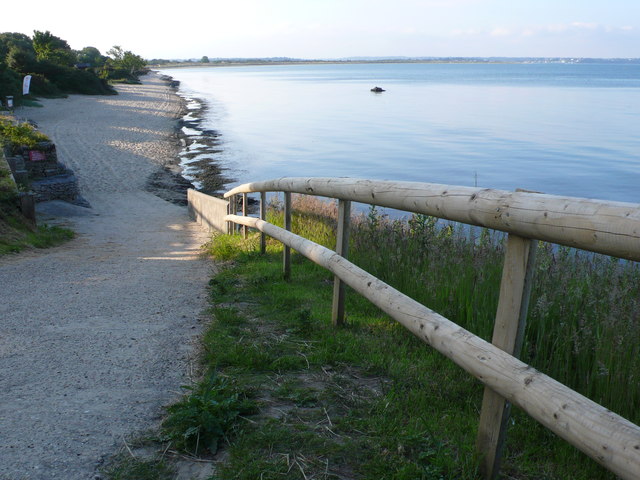
The Jurassic Coast is the obvious priority, but it rewards selectiveness. Rather than trying to see everything, it is better to focus on a stretch and allow time to walk it properly.
Around Lulworth, the route linking Durdle Door and Lulworth Cove is the classic Dorset outing. It is popular for good reason: clear geological forms, wide sea views and paths that feel immediately rewarding. It can also be busy, especially in summer, so earlier starts and shoulder-season visits are worth considering.
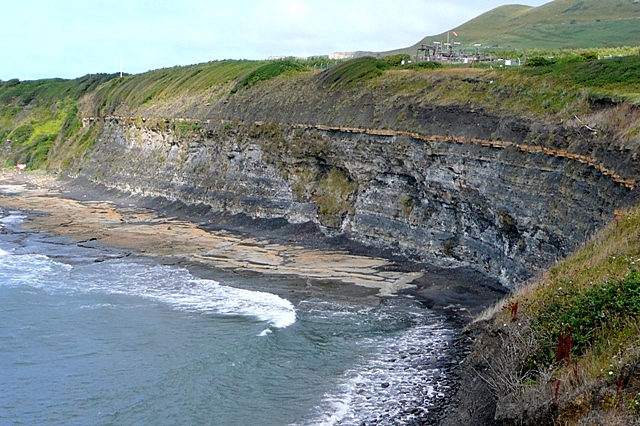
Kimmeridge Bay offers a more rugged, study-the-rocks version of the coast, with a wilder feel when the wind picks up. Charmouth and Lyme Regis remain important for fossil hunting, though local guidance and tide awareness are sensible. Farther east, Old Harry Rocks and the coast above Studland give Dorset one of its defining chalk-and-sea landscapes.
Beaches and countryside
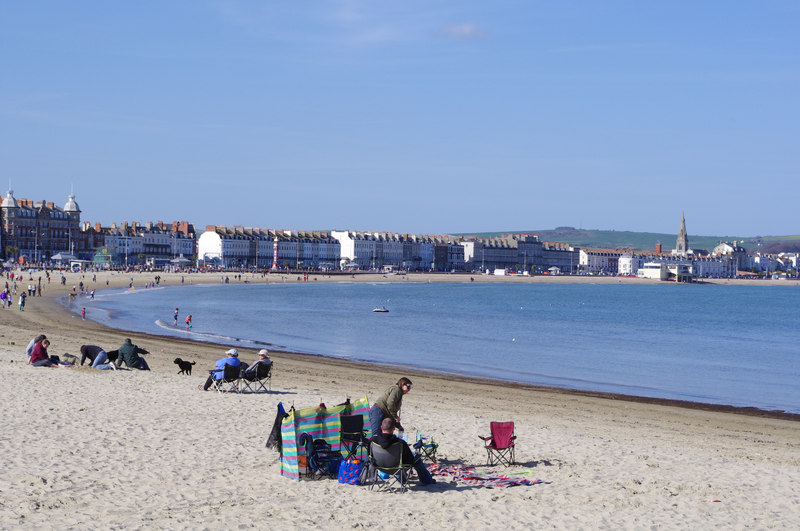
Dorset’s beaches vary more than many first-time visitors expect. Bournemouth and Sandbanks bring long, sandy expanses and easy facilities. Studland feels softer and more natural, with dunes and heath behind the shore. Weymouth has the classic broad bay and traditional resort set-up that works well for family stays.
Then there are the smaller coves and mixed beaches: Seatown, Eype, Kimmeridge and Chesil-facing stretches around Portland and Abbotsbury. These often feel more tied to the landscape than to the holiday trade.
Inland, Dorset is just as rewarding. The chalk ridges around Cerne Abbas, the wooded estate landscapes at Kingston Lacy and the hills around Eggardon and Pilsdon offer excellent walking without the exposure of the coast. Guests visiting in peak summer often do well to balance beach days with an inland afternoon, especially when roads and car parks are busiest.
“The county’s mood shifts gently: chalk downs inland, sea light flickering along the coast.”
Family-friendly ideas
For families, the east coast is usually the easiest choice. Bournemouth, Poole, Swanage and Weymouth all offer sands, facilities and enough wet-weather options nearby.
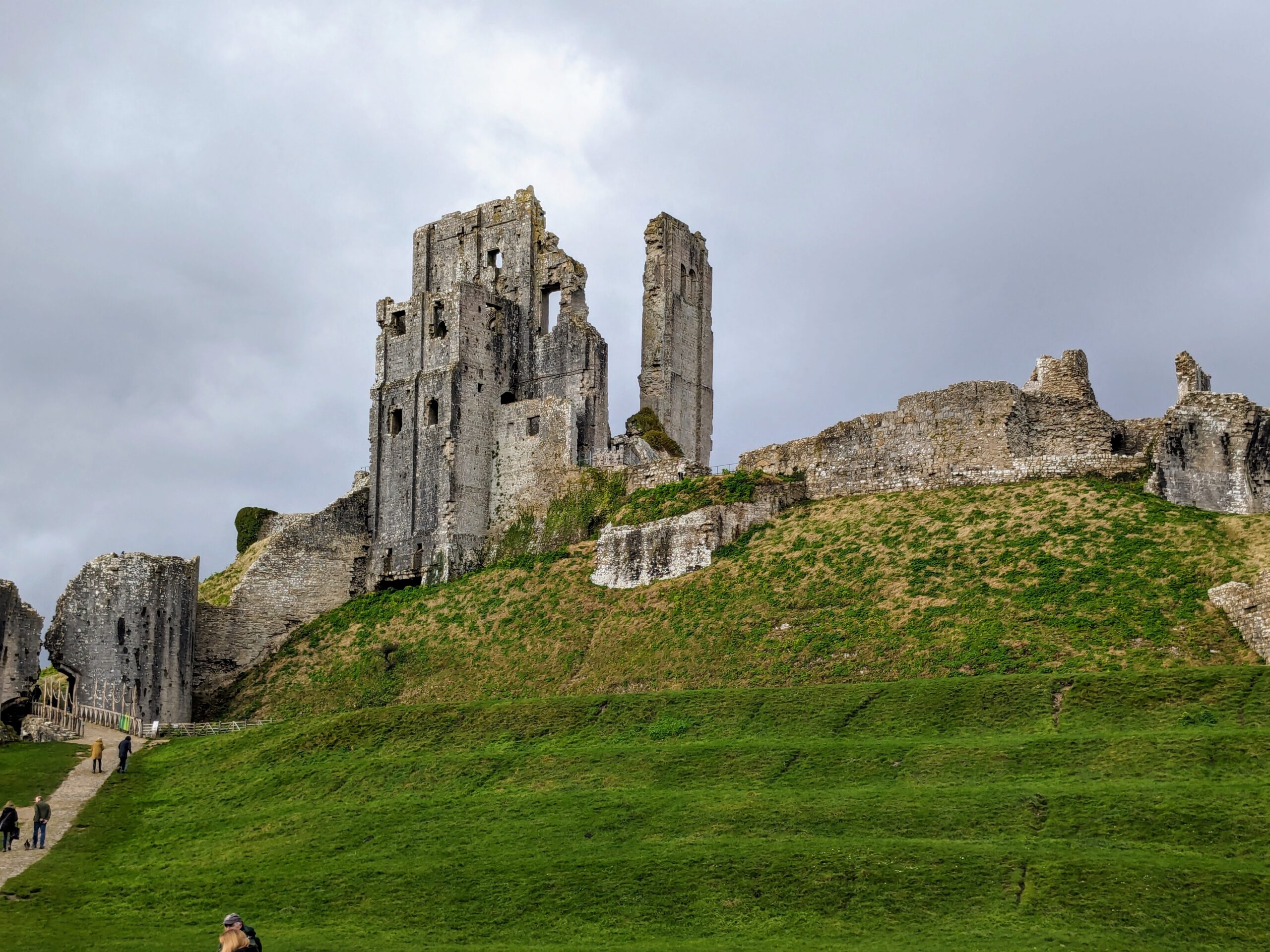
Beyond the beach, the Swanage Railway is worth prioritising, linking seaside fun with the ruined silhouette of Corfe Castle. The Tank Museum at Bovington is one of the county’s strongest all-weather attractions, and Monkey World remains a popular option for mixed-age groups. Boat trips from Poole Harbour or Swanage can work well on clear days, while rock pooling at Kimmeridge suits older children with patience and sturdy shoes.
Food and drink
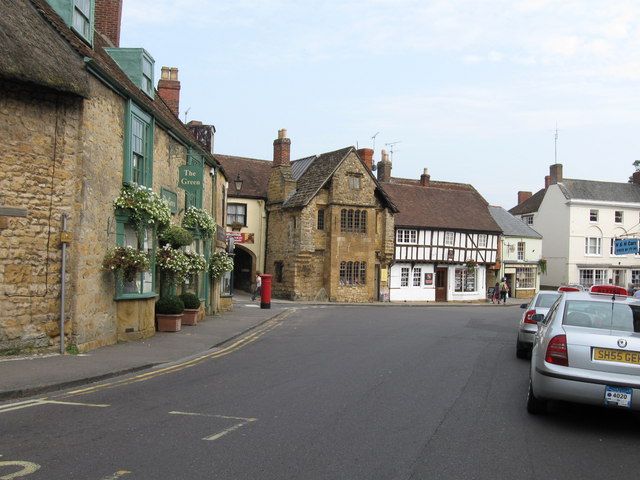
Dorset’s food scene tends to be strongest where coast and countryside meet. Bridport, Sherborne and Lyme Regis all have good independent places to eat, from bakery breakfasts to thoughtful bistro cooking. Seafood appears where expected, especially around West Bay, Weymouth and Swanage, but Dorset is not only about fish. It is also a county of good farm shops, dairy produce, cider and village pubs that still understand the value of a sensible lunch after a long walk.
For a stay with meals built into the shape of the day, west and central Dorset generally offer the richest mix of market-town food culture and rural pubs. East Dorset gives more choice at scale, particularly around Bournemouth and Poole, though with a busier feel.
When to visit
Late spring and early autumn are often the most satisfying times to be in Dorset. In May, June and September, the coast is usually easier to enjoy, footpaths are less crowded and towns hold onto enough activity without summer pressure.
July and August bring the warmest beach weather and the fullest holiday atmosphere, but also heavier traffic, crowded car parks and busier waterfronts. Winter has its own appeal for walkers, readers and guests seeking a slower coastal break. Sea air, big skies and quieter promenades suit places such as Lyme Regis, Swanage and Bridport particularly well, though some smaller seasonal businesses may close.
Planning your journey
A car gives the most freedom, especially for combining coast and countryside, but Dorset’s roads can be slow in high season and parking around headline coastal sites fills early. Trains are useful for Bournemouth, Poole, Weymouth, Dorchester and Sherborne. Buses connect many coastal towns, though services are less convenient for more rural corners.
If choosing one short break, a three-night stay based in Swanage or Bridport gives a strong introduction to Dorset. Swanage works well for Purbeck, Studland and Corfe Castle. Bridport suits West Bay, Lyme Regis and the western Jurassic Coast. For a longer, slower week, splitting time between an inland base and the coast makes the county feel much fuller.
Dorset rewards that kind of measured approach. It is not a place to rush through for landmark collecting alone. The real pleasure lies in its shifts of scale, from a high cliff path to a harbour wall, from open downland to a town square settling into evening.
Useful Links
Tourist Information
Official Attraction
National Trust
English Heritage
Local Council
Frequently Asked Questions
What part of Dorset is best for a first visit?
For a classic short break, the Isle of Purbeck is often the easiest place to start. Basing yourself around Swanage, Studland or Corfe Castle gives you beaches, coastal walks, village scenery and good access to some of Dorset’s best-known landmarks. If you prefer market-town character and the western Jurassic Coast, Bridport is another strong first base.
When is the best time to visit Dorset?
Late spring and early autumn tend to be the most rewarding times. May, June and September usually bring milder weather, easier parking and less crowded footpaths, while towns and seaside places still feel lively. July and August suit beach holidays, but roads, promenades and popular coastal sites can become very busy.
Do I need a car to explore Dorset?
A car is usually the most practical option, especially if you want to combine coast, villages and countryside in one stay. Trains work well for places such as Bournemouth, Poole, Weymouth, Dorchester and Sherborne, and buses do link many coastal towns. Rural areas and smaller villages are often much easier to reach by car.
Where should I stay for beaches in Dorset?
For long sandy beaches and straightforward facilities, Bournemouth, Sandbanks, Weymouth and Swanage are reliable choices. Studland suits those who prefer a softer, more natural setting with dunes and heath behind the shore. If you like smaller, more rugged coastal spots, places near Kimmeridge, Seatown or Eype may appeal more than the larger resorts.
Which Dorset towns are best for walking and coastal scenery?
Swanage, Lyme Regis and Bridport all work well for walkers, though each has a different feel. Swanage is ideal for Purbeck, Studland and Old Harry Rocks. Bridport gives easy access to West Bay and the western coast. Lyme Regis suits guests who want a compact seaside town with strong walking routes and year-round character.
Is Dorset a good destination for families?
Yes, particularly along the east coast and in the larger seaside towns. Swanage, Weymouth, Bournemouth and Poole are usually the simplest options for family stays, thanks to beaches, facilities and places to visit in mixed weather. The Swanage Railway, Corfe Castle, Monkey World and the Tank Museum are all popular additions to a beach holiday.
Can you visit Dorset for a weekend, or is it better for a longer break?
A weekend can work very well if you keep your plans focused. Three nights based in one area, such as Swanage for Purbeck or Bridport for West Dorset, is enough for a satisfying introduction. For a fuller sense of the county, a longer stay with time split between coast and countryside usually feels more relaxed.
What should I know before walking the Jurassic Coast?
Choose one section rather than trying to cover too much in a day. The walks around Durdle Door, Lulworth Cove, Kimmeridge and Old Harry Rocks are especially rewarding, but popular stretches can be crowded and car parks fill early in warmer months. Good footwear, tide awareness and checking local conditions are sensible, particularly on more exposed coastal paths.
Continue Exploring Dorset
More Places to Stay
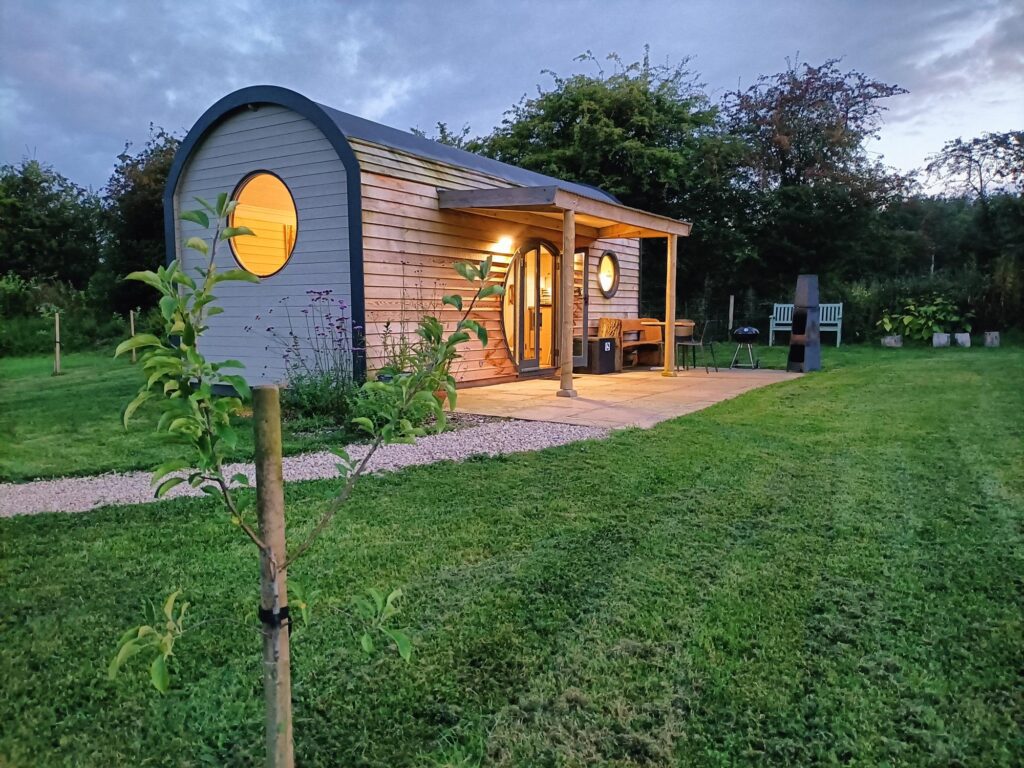

3 Trees Glamping
A small, quietly tucked-away glamping site on the edge of Wirksworth, with woodland-and-field surroundings, alpacas in the background and footpaths leading straight into the…
View property →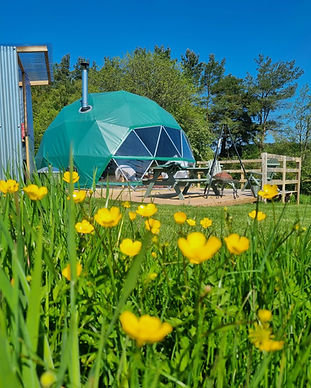
Aber Glamping
A secluded farm stay in the Brecon Beacons, where geo domes and pods look towards Pen y Fan and dark skies make the nights…
View property →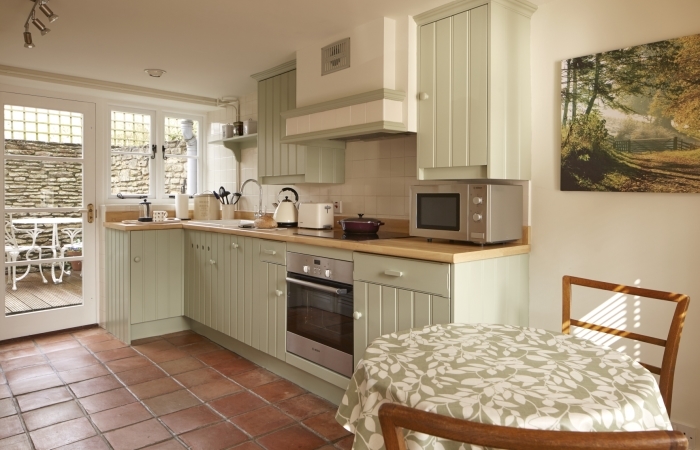
Angel Cottage
A stone cottage in Tetbury’s old heart, well placed for long wanders, antique-shop afternoons and easy forays into the softer, greener corners of the…
View property →