From broad chalk headlands to fossil beaches and steep green combes, the Jurassic Coast offers some of the most rewarding coastal walking in England. This guide focuses on classic Jurassic Coast walks Dorset guests can plan with confidence, whether the priority is a short scenic outing or a more demanding day on the South West Coast Path.
Why walk here
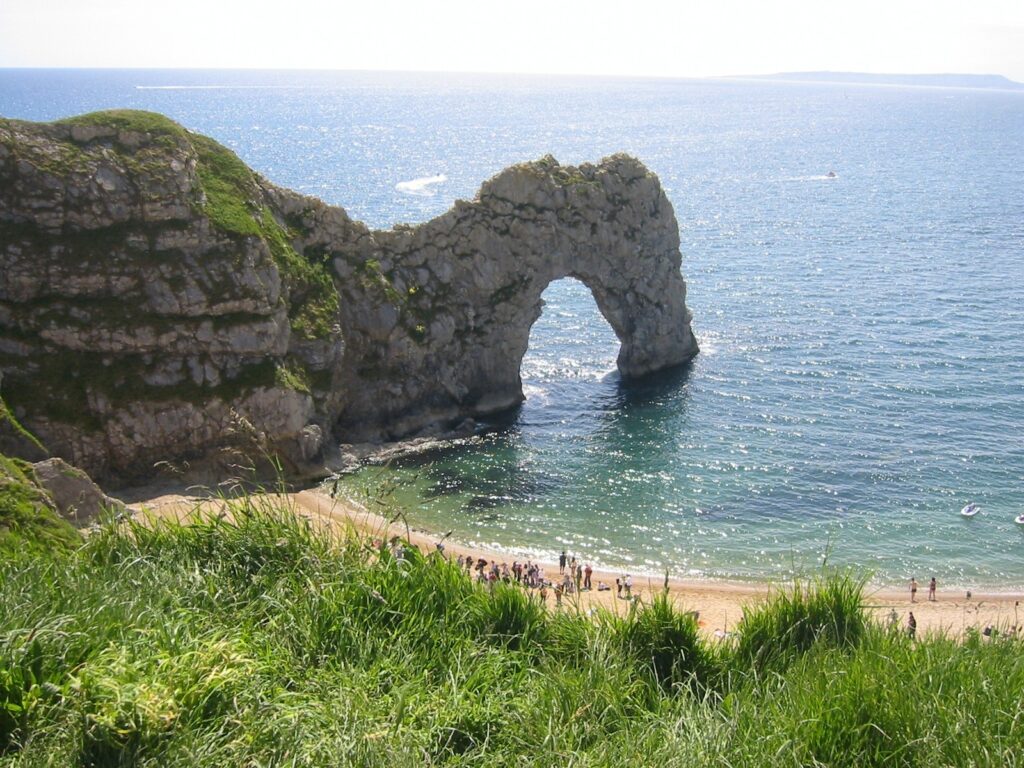
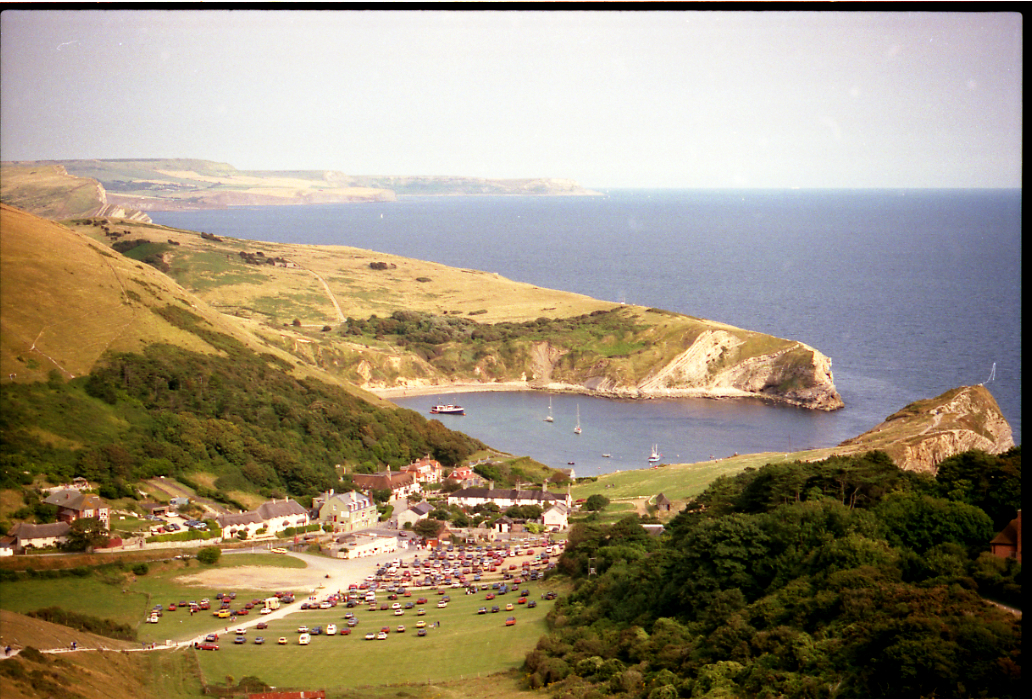
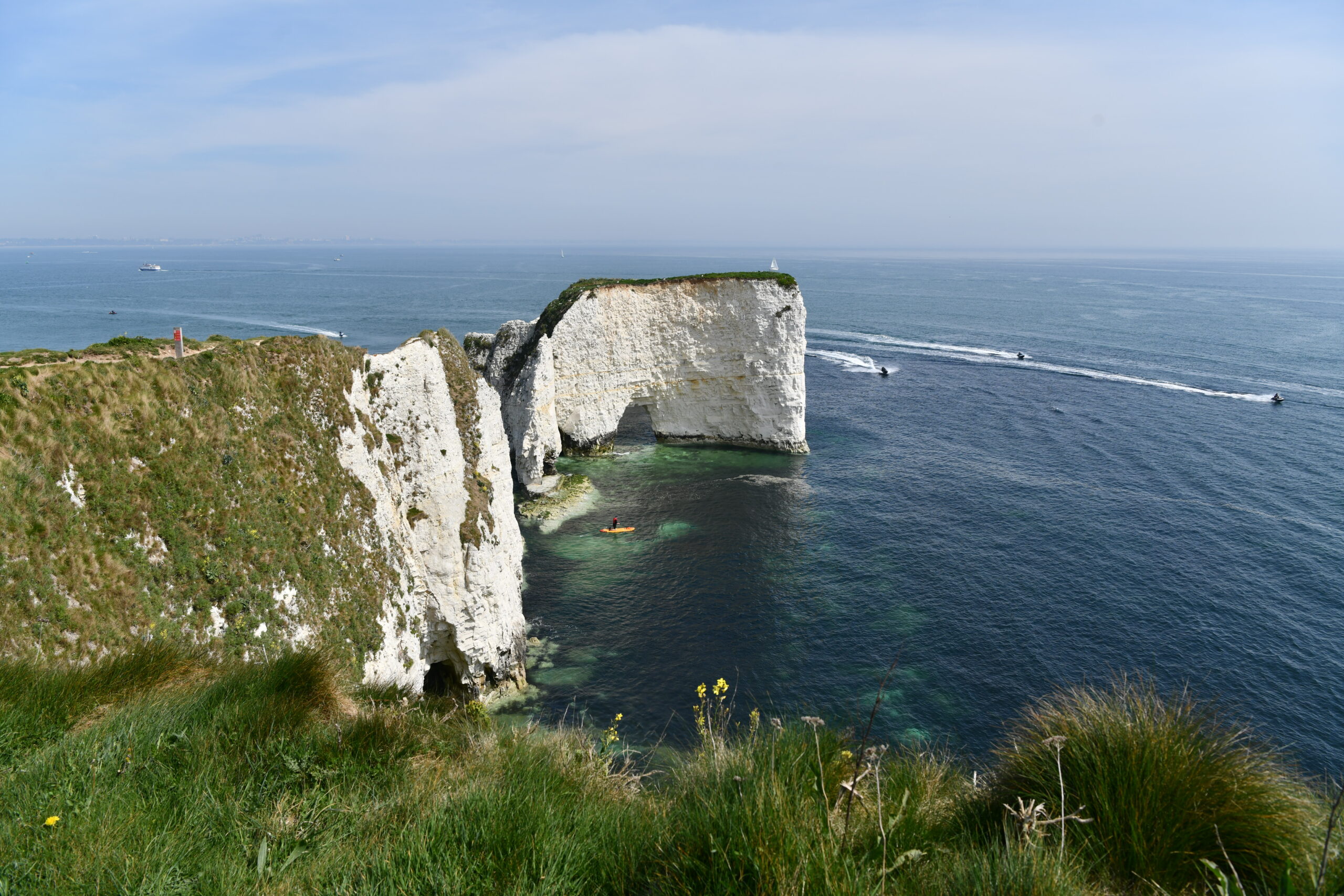
Dorset’s stretch of the Jurassic Coast is not simply pretty shoreline. It is a working, weather-shaped landscape where cliffs slump, coves shift and the sea keeps redrawing the edges. For walkers, that means constant variety: white chalk stacks near Studland, the near-perfect curve of Lulworth Cove, high grassy ridges above Durdle Door and the darker sandstone heights around Golden Cap.
The light changes quickly here. A bright bay can look muted an hour later under sea mist, and exposed ridges often feel cooler and windier than the car park below. Layers, water and decent footwear are usually worth prioritising.
“Here, the sea does not frame the landscape; it keeps rewriting it.”
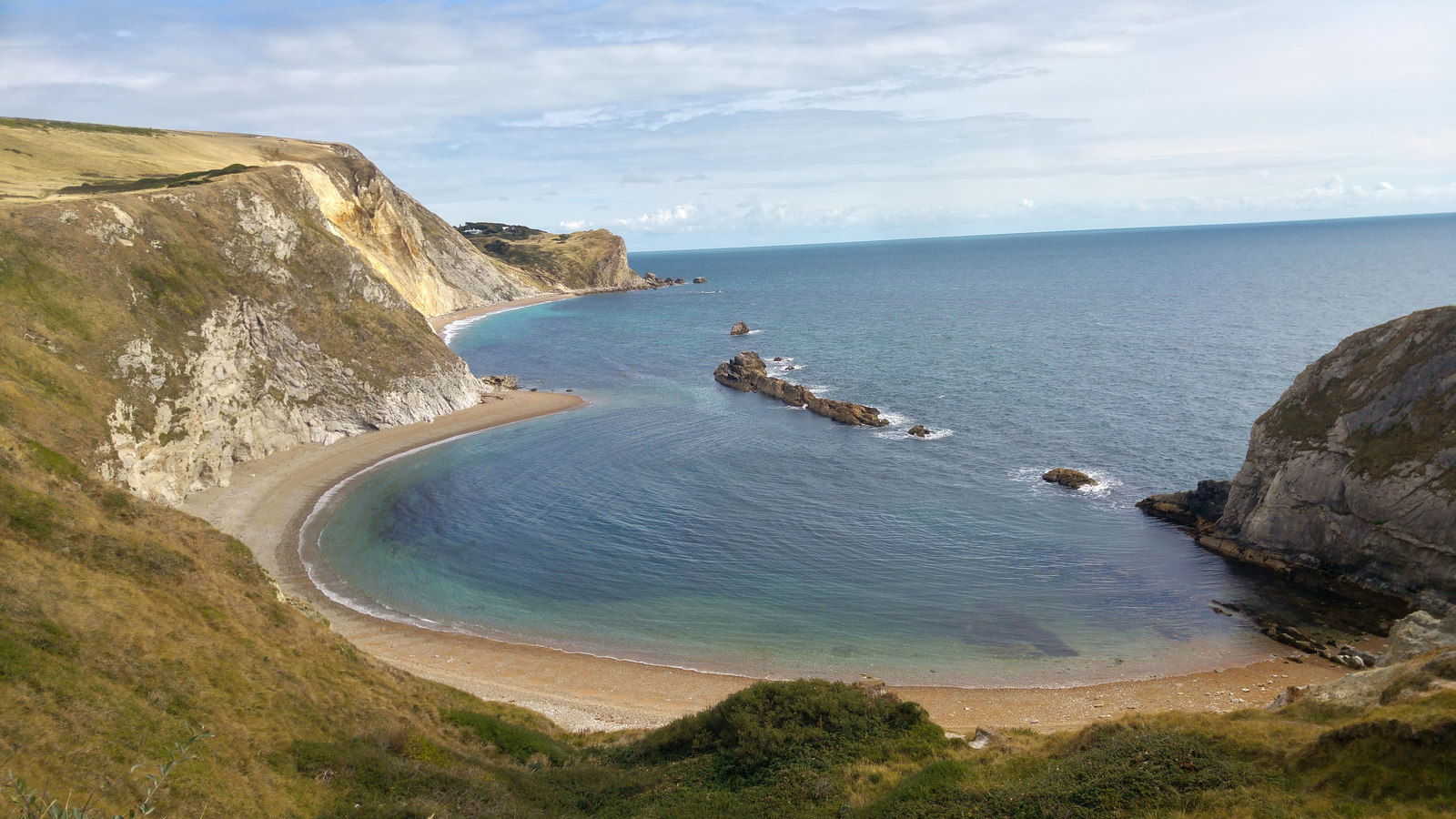
Lulworth Cove and Durdle Door
This is one of the most recognisable coastal walks in Dorset, and a good choice for first-time visitors who want a famous view without committing to a full-day hike. The route between Lulworth Cove and Durdle Door is short, but the hills are steep enough to feel like proper exercise. In plain terms, it suits reasonably active walkers, families with older children and anyone happy with a few sustained climbs.
The landscape is compact but memorable: a rounded cove, limestone arch and open clifftop views west along the coast. Start early or later in the day if possible, as the area can feel busy in the middle of the afternoon. Nearby tip: continue to Man O’ War Beach viewpoint for a slightly quieter perspective.
Old Harry Rocks from Studland
For a gentler outing, the walk from Studland to Old Harry Rocks is hard to beat. It suits mixed-age groups, casual walkers and anyone after a half-day route with big scenery and relatively straightforward paths. Expect heathland, open downland and striking chalk cliffs dropping into clear water.
There are still cliff edges to respect, especially in windy weather, but the effort level is moderate rather than strenuous. Studland village and beach make an easy base, and the National Trust facilities are useful if walking with children.
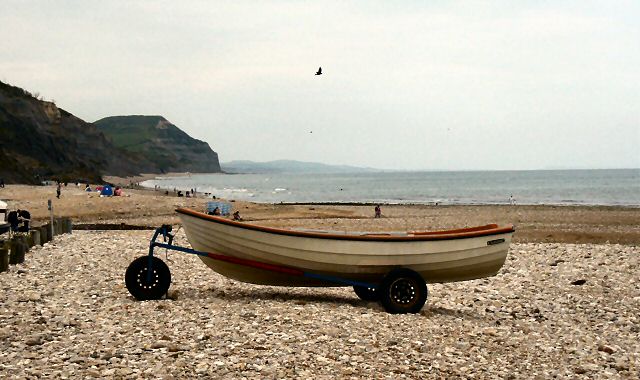
“From chalk stacks to fossil beaches, Dorset’s coast feels both ancient and unsettled.”
Golden Cap
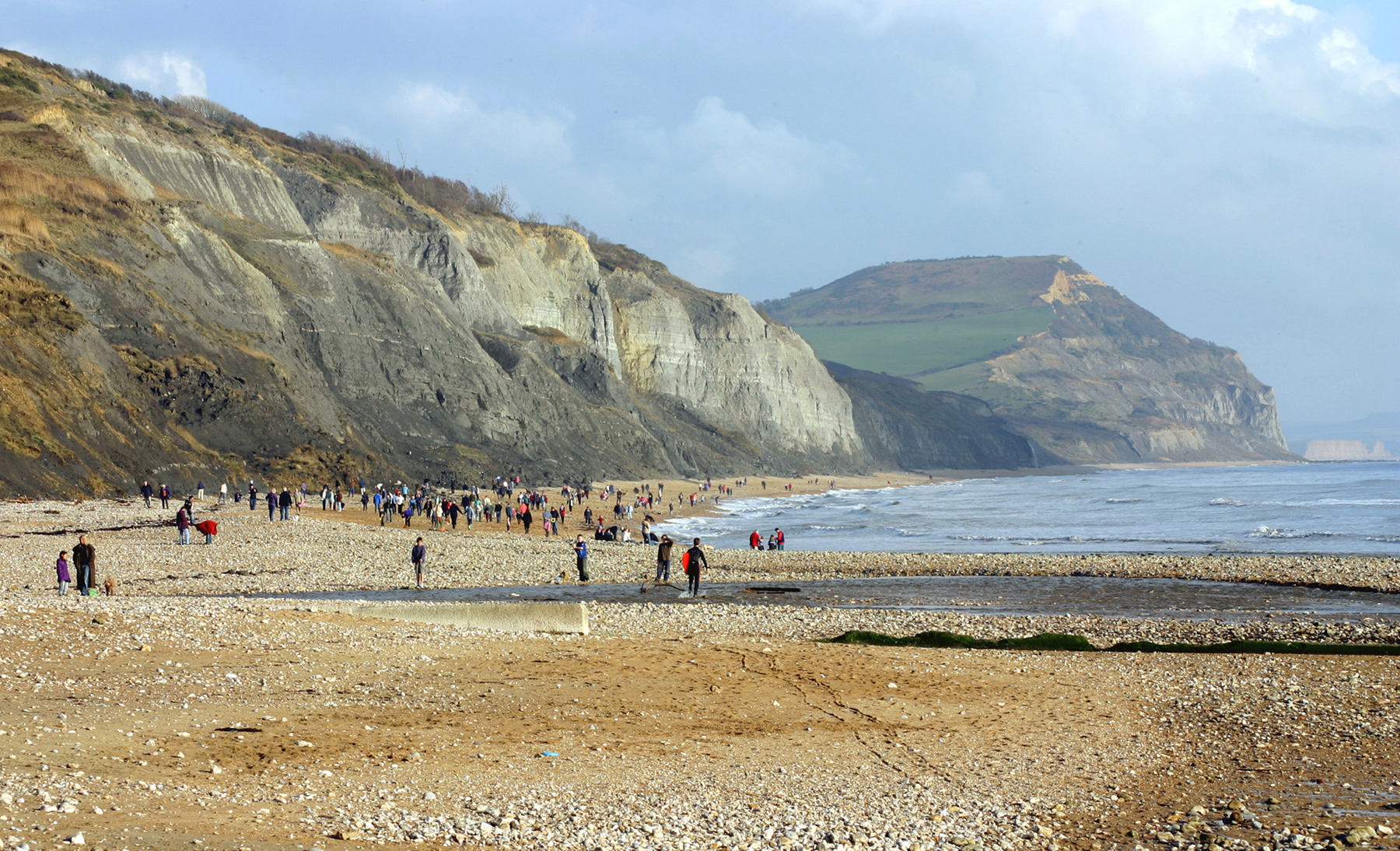
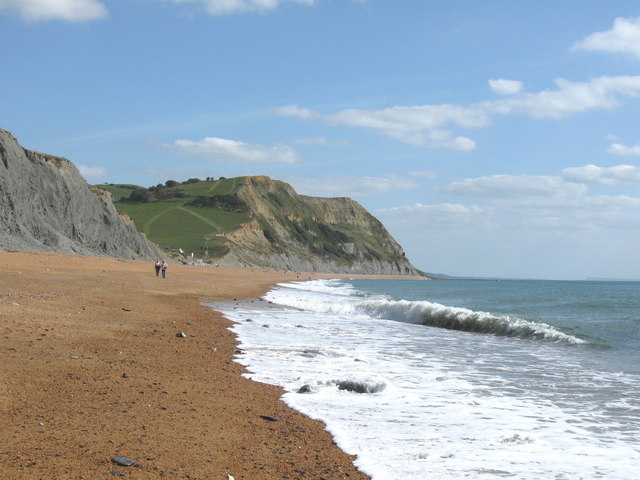
Golden Cap, the highest point on England’s south coast, is worth choosing for a more energetic walk. The climbs are steady and sometimes muddy, so this is better for confident walkers than those wanting a gentle stroll. In return, the views are wide and satisfying, with the coast folding away towards Lyme Bay.
A good approach is from Seatown, where the sea often sounds close even when hidden below the slope. Nearby tip: the Anchor at Seatown is well placed for a post-walk stop.
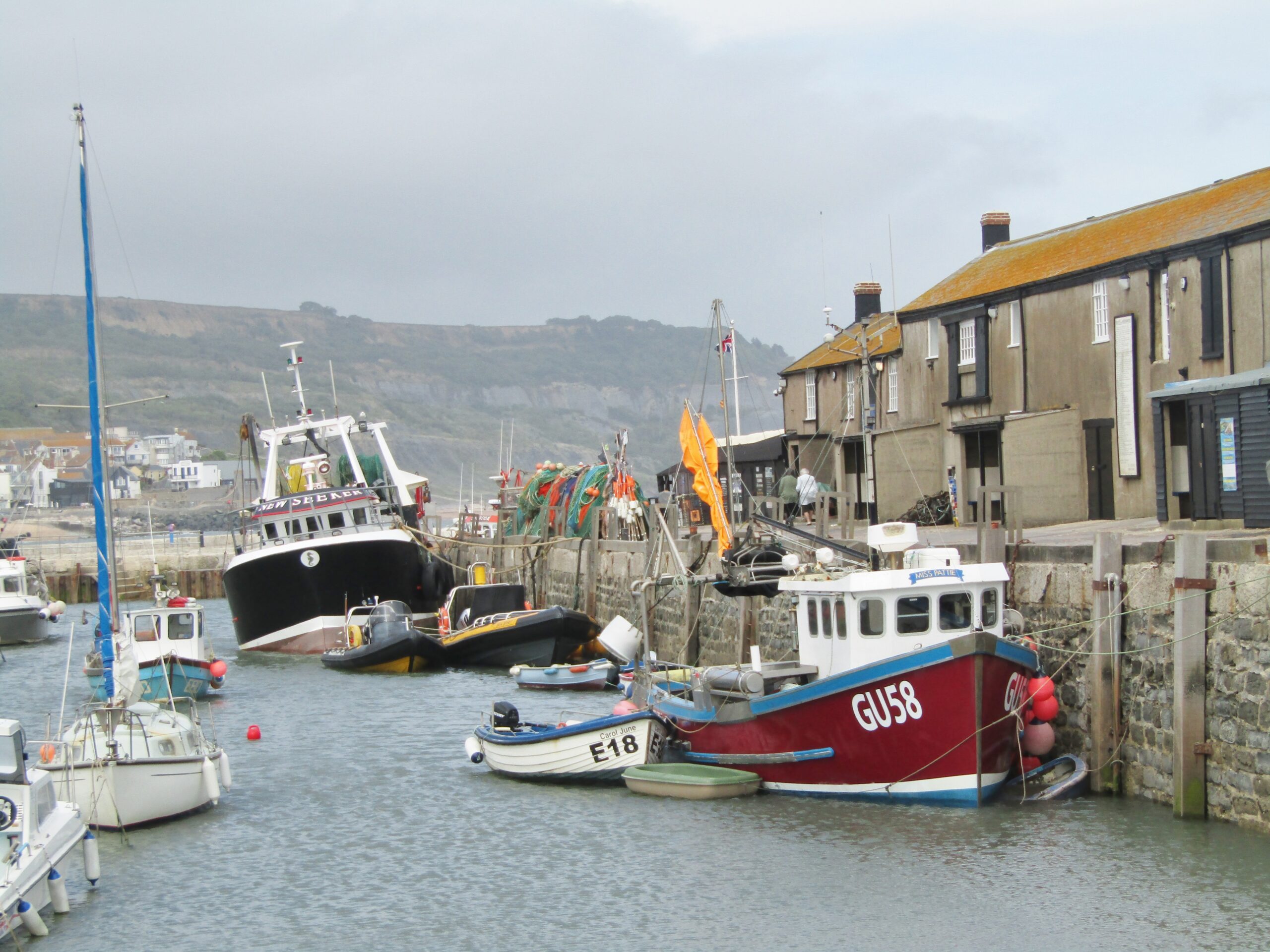
Lyme Regis to Charmouth
This walk suits guests interested in nature and geology as much as scenery. The route links Lyme Regis, with its harbour rhythm and stone seafront, to Charmouth’s fossil-rich shore. It is moderate overall, with some climbs and uneven stretches, but can be shortened if needed.
Charmouth is one of the coast’s best-known fossil spots, though cliff falls are a real risk. Fossil hunting is safest on the beach, not at the cliff base, and tide times matter. The walk is particularly rewarding outside school holidays, when Lyme’s front grows quieter and the coast feels more spacious.
A few useful tips
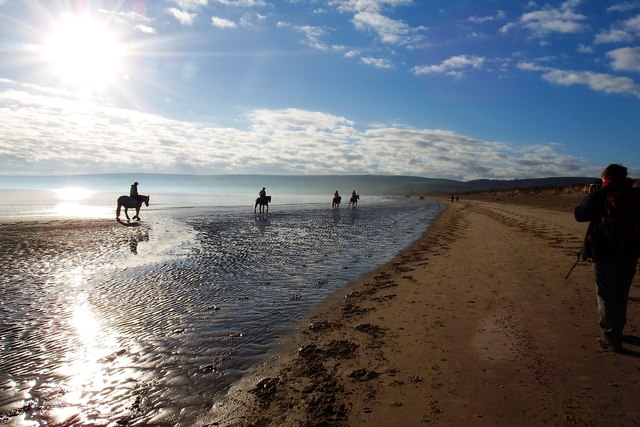
Parking is easiest if planned in advance, especially at Lulworth, Studland, Seatown and Lyme Regis. Always check the tide for beach sections, allow longer than the map suggests for steep coast path terrain and keep well back from cliff edges. For route updates, access information and local conditions, Visit Dorset, Jurassic Coast and National Trust Dorset are the most useful official starting points.
Useful Links
Tourist Information
Official Attraction
National Trust
Local Council
Frequently Asked Questions
What is the best Jurassic Coast walk in Dorset for first-time visitors?
Lulworth Cove to Durdle Door is often the easiest place to start if you want a classic Dorset coastal view without committing to a long day. It is relatively short, though the climbs are steep in places. If you prefer something gentler, the walk from Studland to Old Harry Rocks is usually more forgiving underfoot.
Which Jurassic Coast walk is most suitable for families?
Studland to Old Harry Rocks tends to suit families best, especially with older children who can manage uneven coastal paths and exposed cliff-top sections. The scenery is dramatic, but the walking is generally moderate rather than strenuous. Lulworth Cove to Durdle Door can also work well for active families happy with a few steeper climbs.
Are Jurassic Coast walks in Dorset difficult?
It depends on the route. Some well-known stretches are short but surprisingly steep, particularly around Lulworth and Durdle Door. Old Harry Rocks is usually a gentler option, while Golden Cap is better for confident walkers who do not mind sustained climbs and muddy ground. Coast path distances can also feel longer because of the repeated ascents and descents.
Do I need to check the tide before walking the Jurassic Coast?
Yes, especially if your plans include beach sections or fossil hunting. Tide times can affect access and safety, and some parts of the shore feel far less comfortable at high water. Conditions also change quickly after rough weather. It is sensible to check the forecast as well, as wind and sea mist can make exposed paths feel much harsher.
Is fossil hunting safe around Lyme Regis and Charmouth?
It can be, provided you stay cautious. The safest approach is usually to look on the beach rather than near the base of the cliffs, where falls and rock movement are a real risk. Tide awareness matters here too. If conditions look uncertain, or recent weather has been poor, it is wise to be extra careful or seek local advice.
What should I wear for walking the Jurassic Coast?
Decent footwear is important, as paths can be steep, uneven and muddy depending on the season. Layers are useful because the weather can shift quickly between sheltered bays and exposed ridges. Carry water even on shorter walks, and in brighter weather bring sun protection, as many cliff-top stretches offer very little shade.
When is the best time to walk the Jurassic Coast in Dorset?
Spring and early autumn are often especially pleasant, with good light and fewer people on the most popular routes. Summer can be beautiful but busy, particularly around Lulworth Cove, Durdle Door and Lyme Regis. Walking earlier or later in the day usually feels calmer. In winter, some paths can be muddy and winds much stronger on exposed headlands.
Where is parking easiest for popular Jurassic Coast walks?
Parking is usually simplest if you plan ahead, particularly for busy starting points such as Lulworth, Studland, Seatown and Lyme Regis. Spaces can fill quickly in warmer months and at weekends. Arriving early often makes things easier. It is worth checking official local information before setting out, as arrangements and access can sometimes change.
Continue Exploring Dorset
More Places to Stay
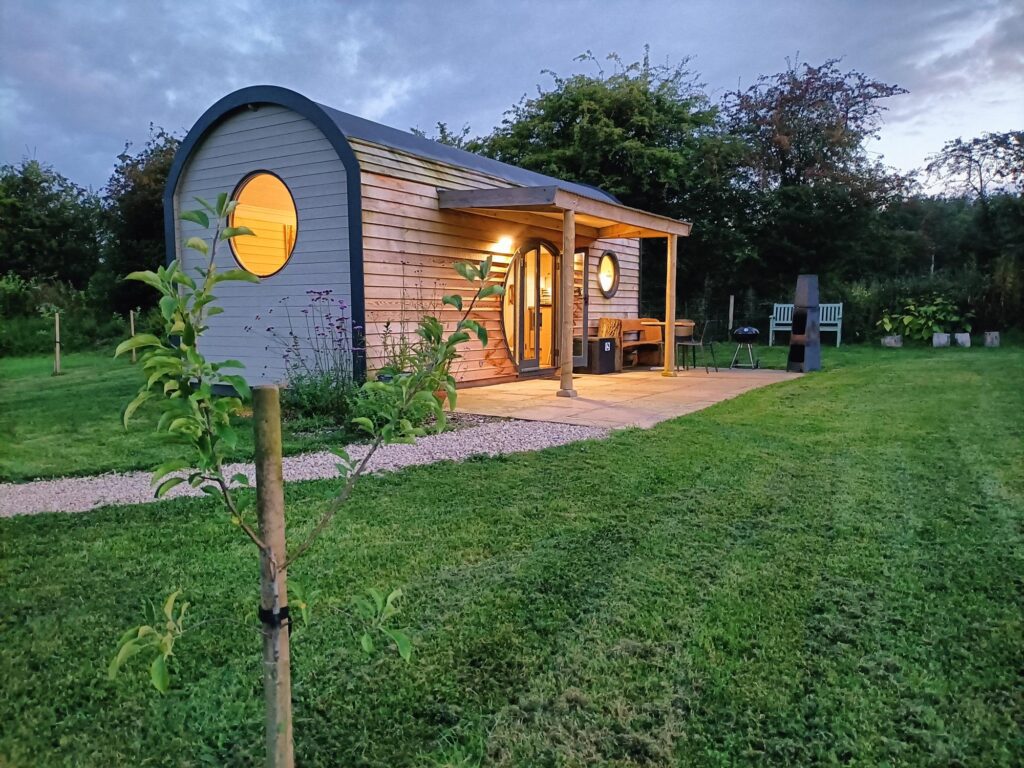

3 Trees Glamping
A small, quietly tucked-away glamping site on the edge of Wirksworth, with woodland-and-field surroundings, alpacas in the background and footpaths leading straight into the…
View property →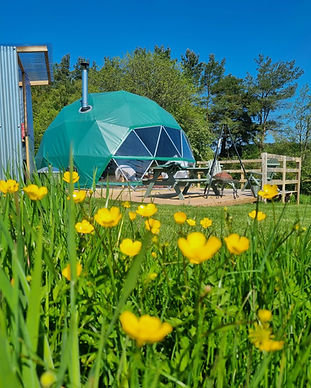
Aber Glamping
A secluded farm stay in the Brecon Beacons, where geo domes and pods look towards Pen y Fan and dark skies make the nights…
View property →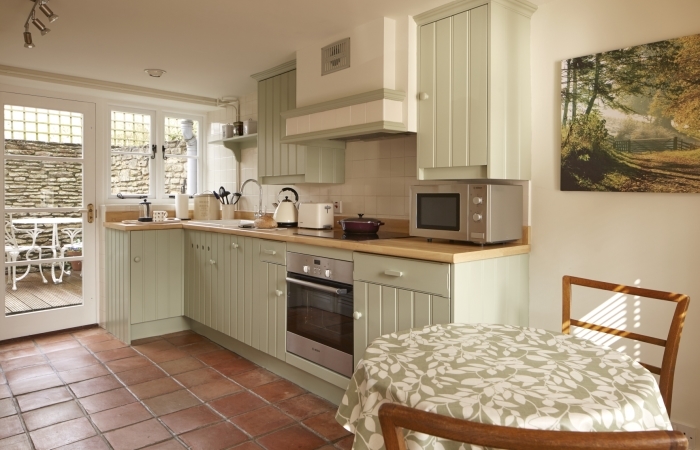
Angel Cottage
A stone cottage in Tetbury’s old heart, well placed for long wanders, antique-shop afternoons and easy forays into the softer, greener corners of the…
View property →