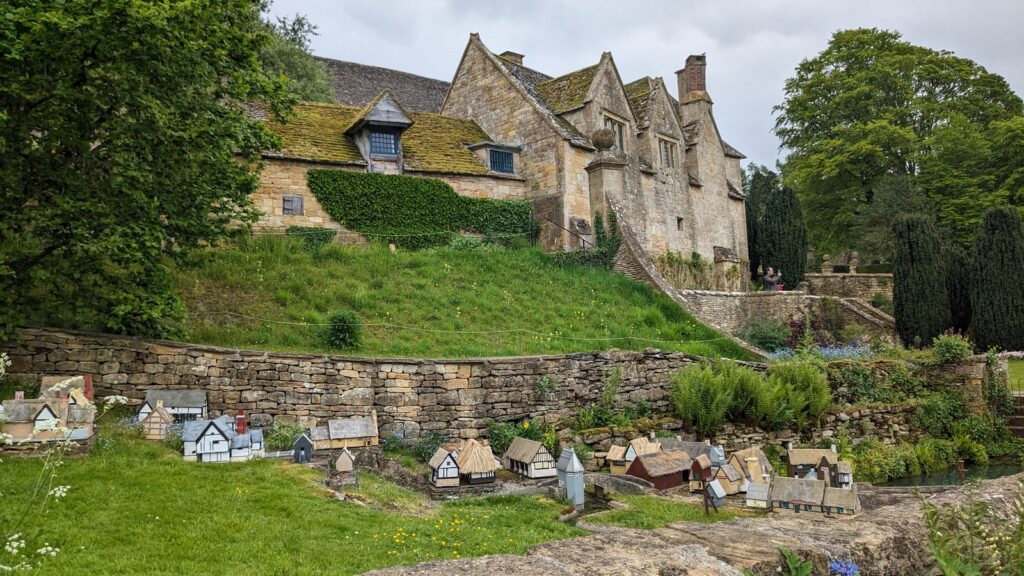
The Cotswolds has no shortage of famous honey-stone villages, but some of its most memorable moments lie just beyond the usual circuit. For guests looking for hidden gems in the Cotswolds, the quieter corners often offer the stronger sense of place: smaller villages, overlooked lanes, broad viewpoints and gardens that feel unhurried rather than staged.
Places to Stay in The Cotswolds
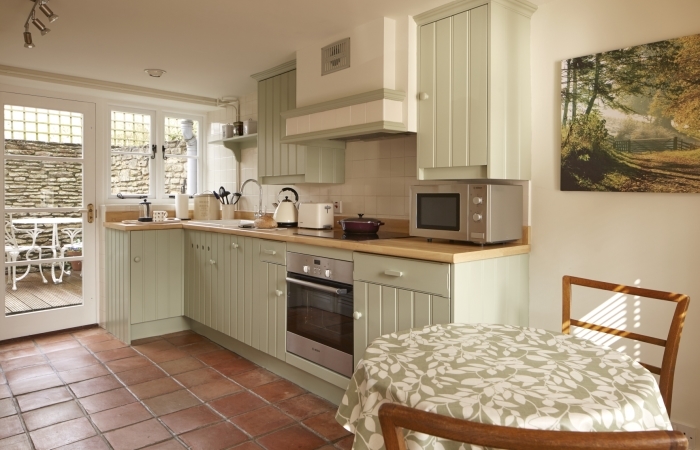
Angel Cottage
A stone cottage in Tetbury’s old heart, well placed for long wanders, antique-shop afternoons and easy forays into the softer, greener corners of the…
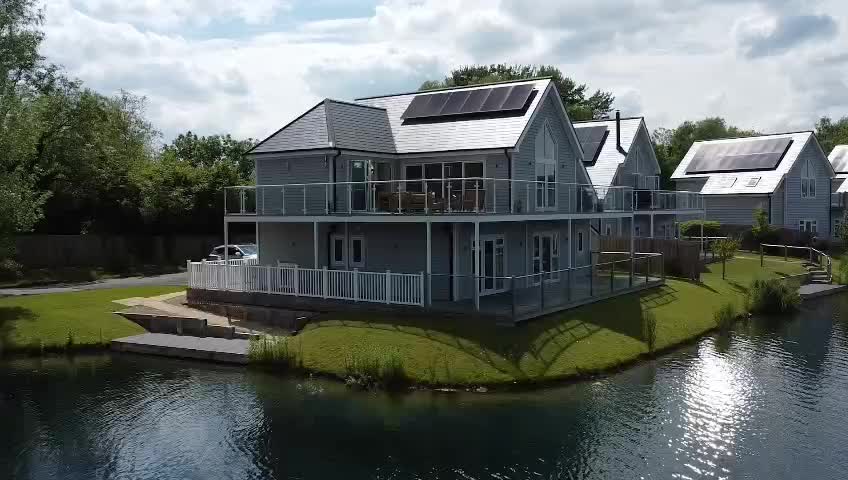
Arlington & Row
A luxury Cotswolds retreat chosen for quiet villages, handsome interiors and the sense of stepping into a gentler rhythm, with Painswick and its rolling…
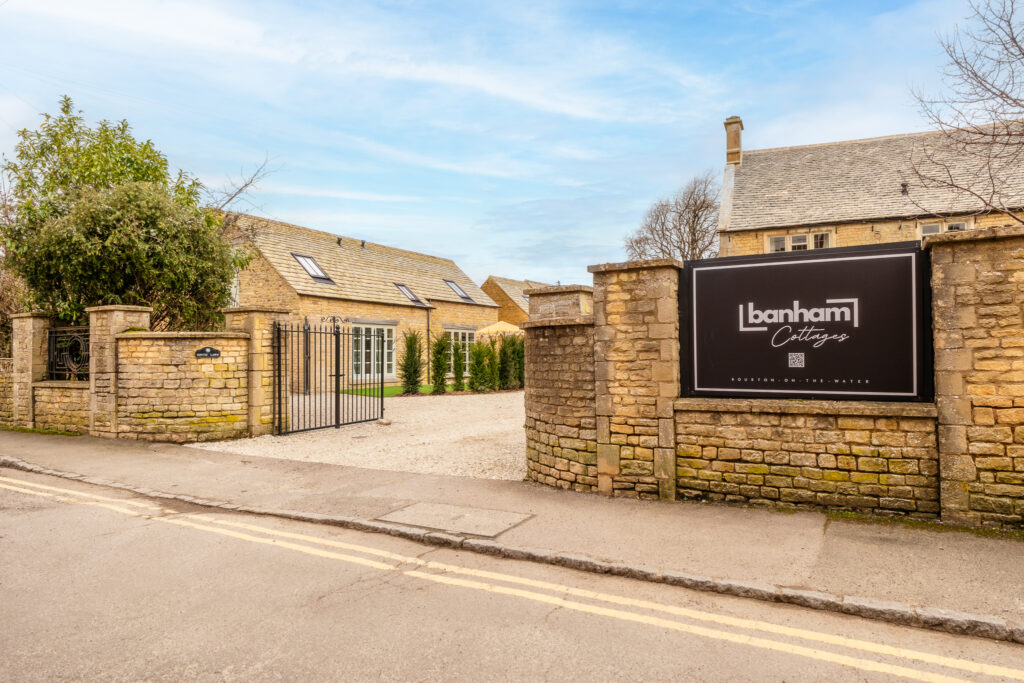
Banham
A collection of restored stone cottages in Bourton-on-the-Water, where Cotswold character is handled with care and village life begins just beyond the door.
Why look beyond the famous villages
The headline names have their appeal, especially on a first visit, yet the Cotswolds is often at its most rewarding a little further out. In lesser-known places, the day moves more gently. A high street empties after lunch, churchyards hold the warmth of the stone, and narrow lanes begin to feel like part of the landscape rather than a route between car parks.
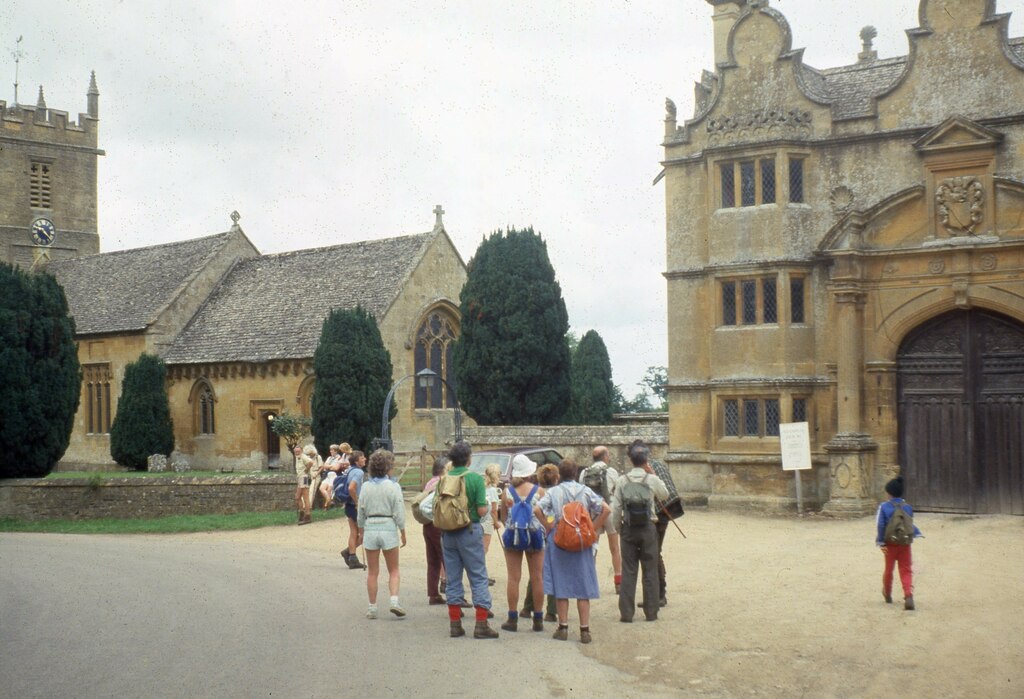
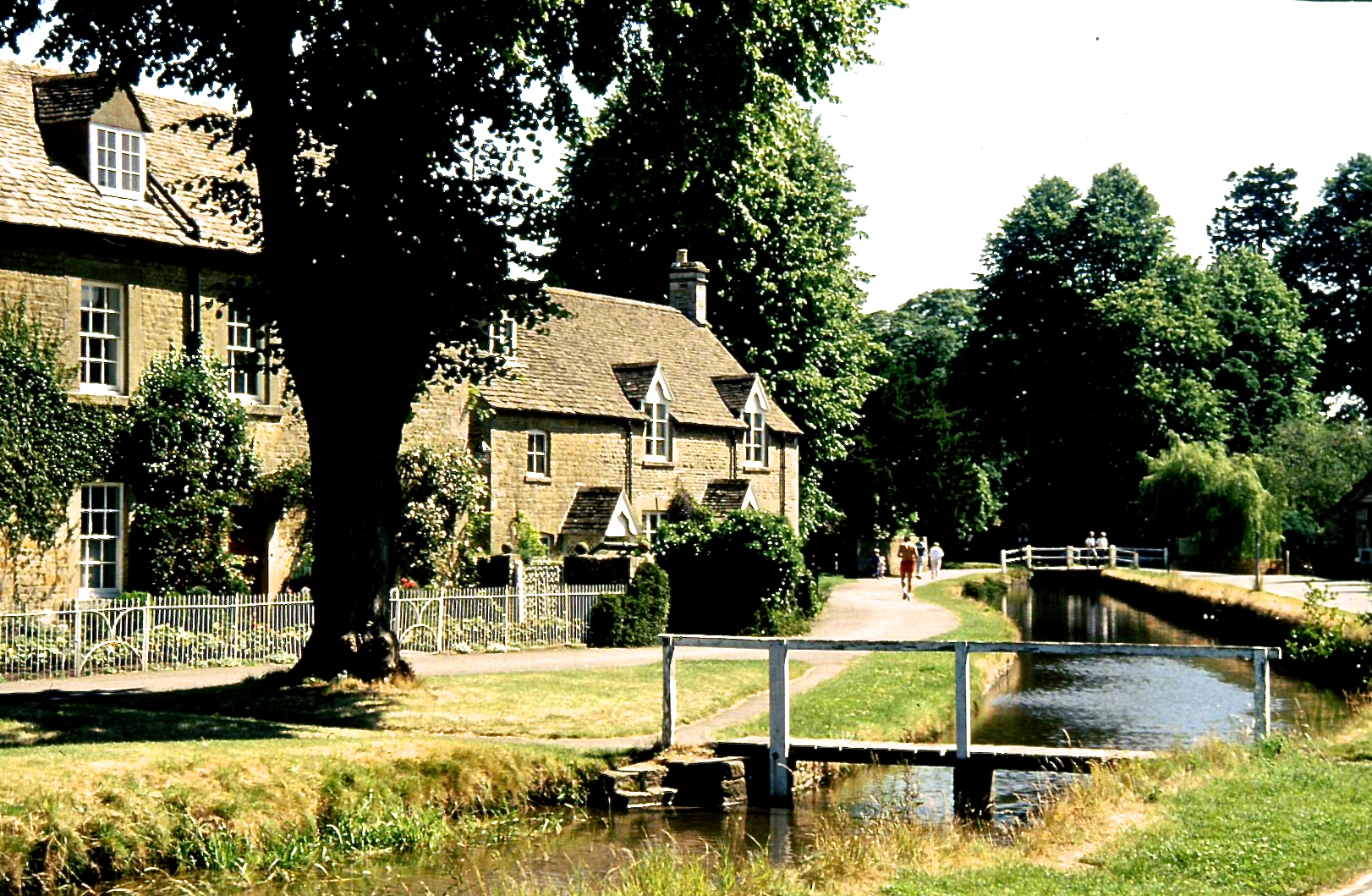
“The quieter Cotswolds lingers in sloping streets, clipped yews and weather-softened stone.”
Quieter villages to seek out
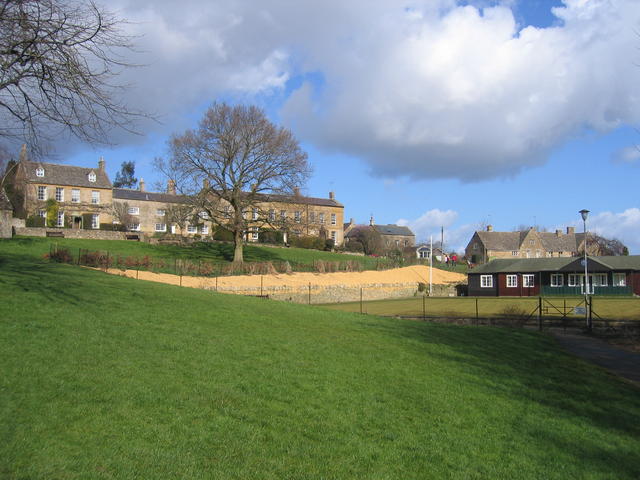
For village character without the pressure of a checklist stop, Snowshill is worth prioritising. It sits high in the hills, with cottages gathered along a sloping street and wide views beyond. Nearby, Stanway has similar grace, with its manor, parish church and a long, composed village edge that feels distinctly quieter than the region’s busiest honeypots.
Lower Slaughter, though not unknown, is often calmer than its more photographed neighbours if timed carefully. The gentle line of the Eye catches changing light through the afternoon, and the old mill setting gives the village shape without turning it into spectacle. For something smaller still, Ilmington and Guiting Power both make good choices for guests who want an attractive base for walks and pub lunches rather than a place built around passing trade.
Scenic spots and viewpoints
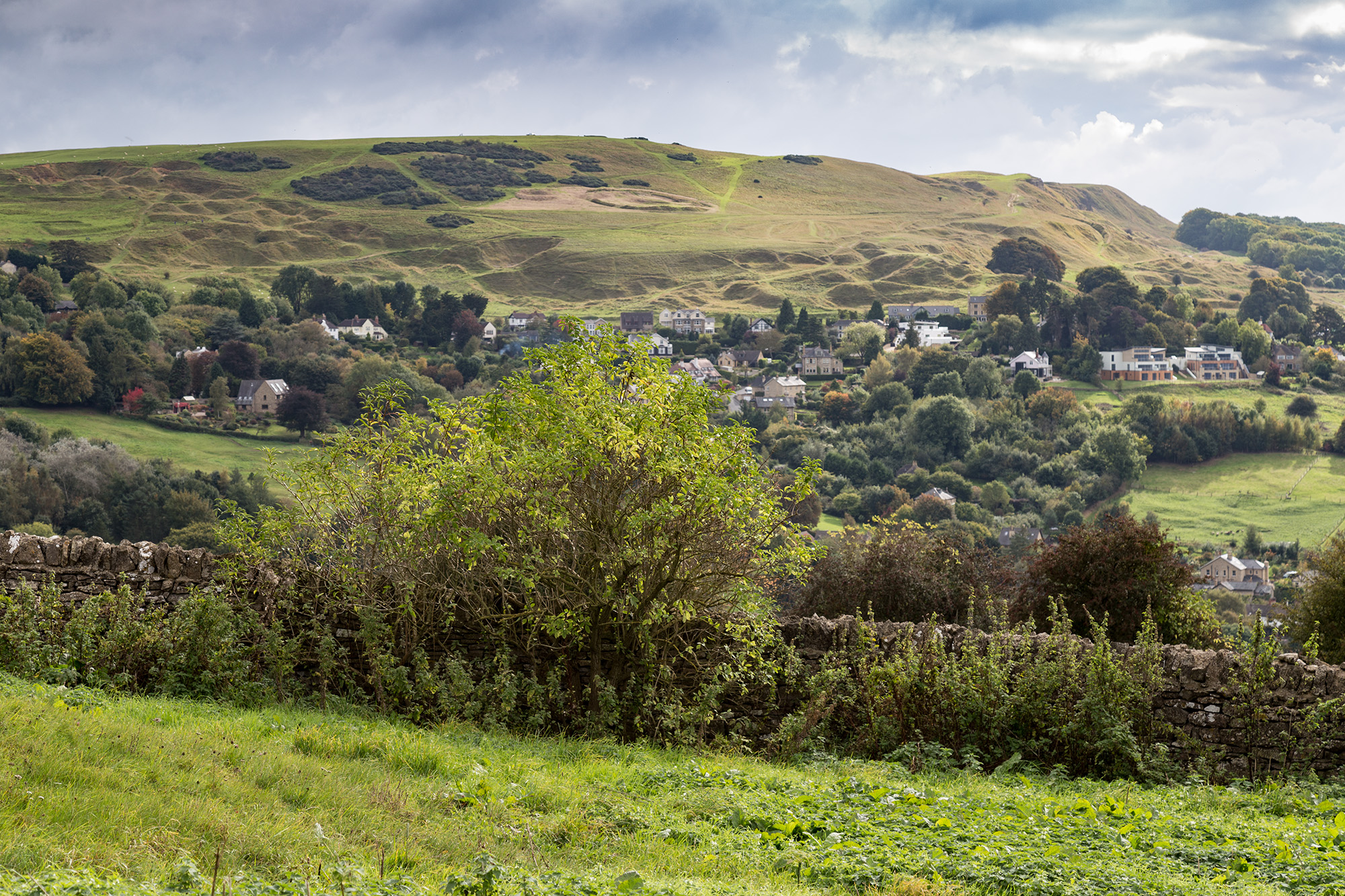
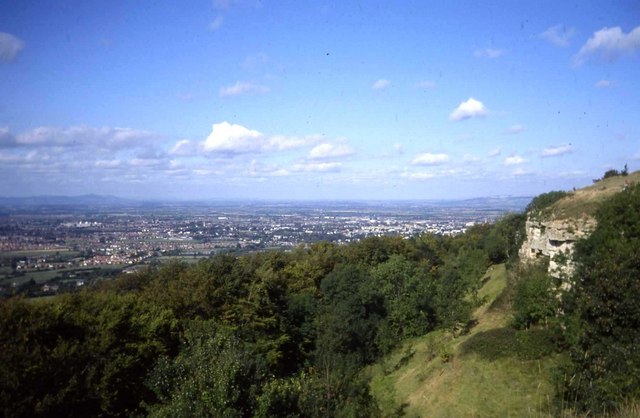
The hidden gems in the Cotswolds are not only villages. Broadway Tower draws attention, but there are quieter outlooks elsewhere. Cleeve Hill, on the edge of the escarpment, gives a broader, wilder sense of the landscape, with open grassland and far-reaching views across the Severn Vale. Leckhampton Hill is another good option, especially for a shorter outing from Cheltenham.
For a softer landscape, the rolling fields around Blockley and the lanes near Dover’s Hill are hard to beat. These are places for an unhurried drive or a circular walk, where dry-stone walls, grazing sheep and shifting weather do most of the work.
“Here, the landscape opens gently: escarpment views, dry-stone walls and villages shaped by old mills.”
Market towns, gardens and heritage corners
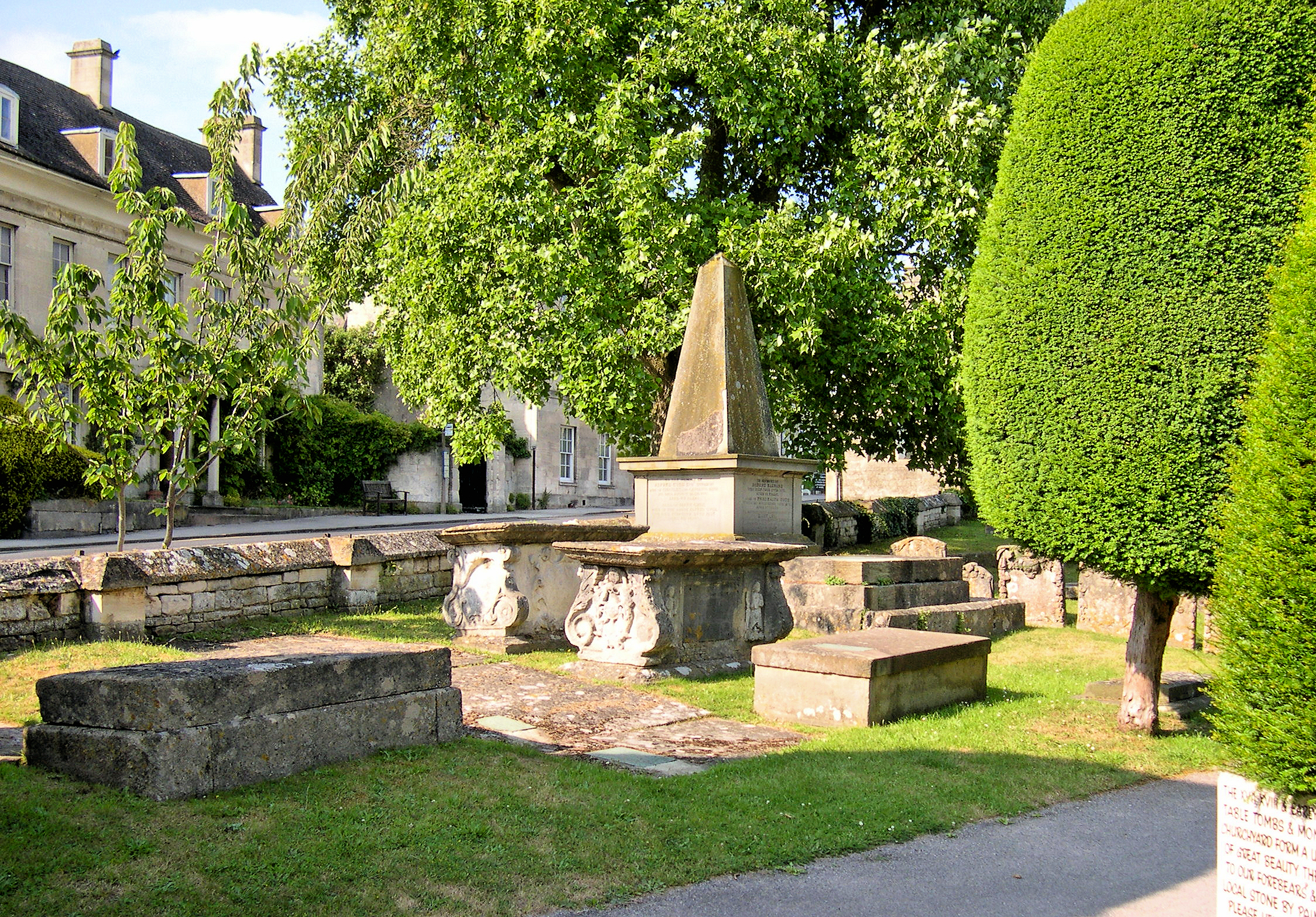
Among the market towns, Painswick deserves more attention. Its steep streets, old houses and remarkable churchyard of clipped yews feel more intimate than some of the better-known centres. Chipping Campden may be familiar by name, but its back lanes and the Arts and Crafts character around the Court Barn area are often quieter than the main street.
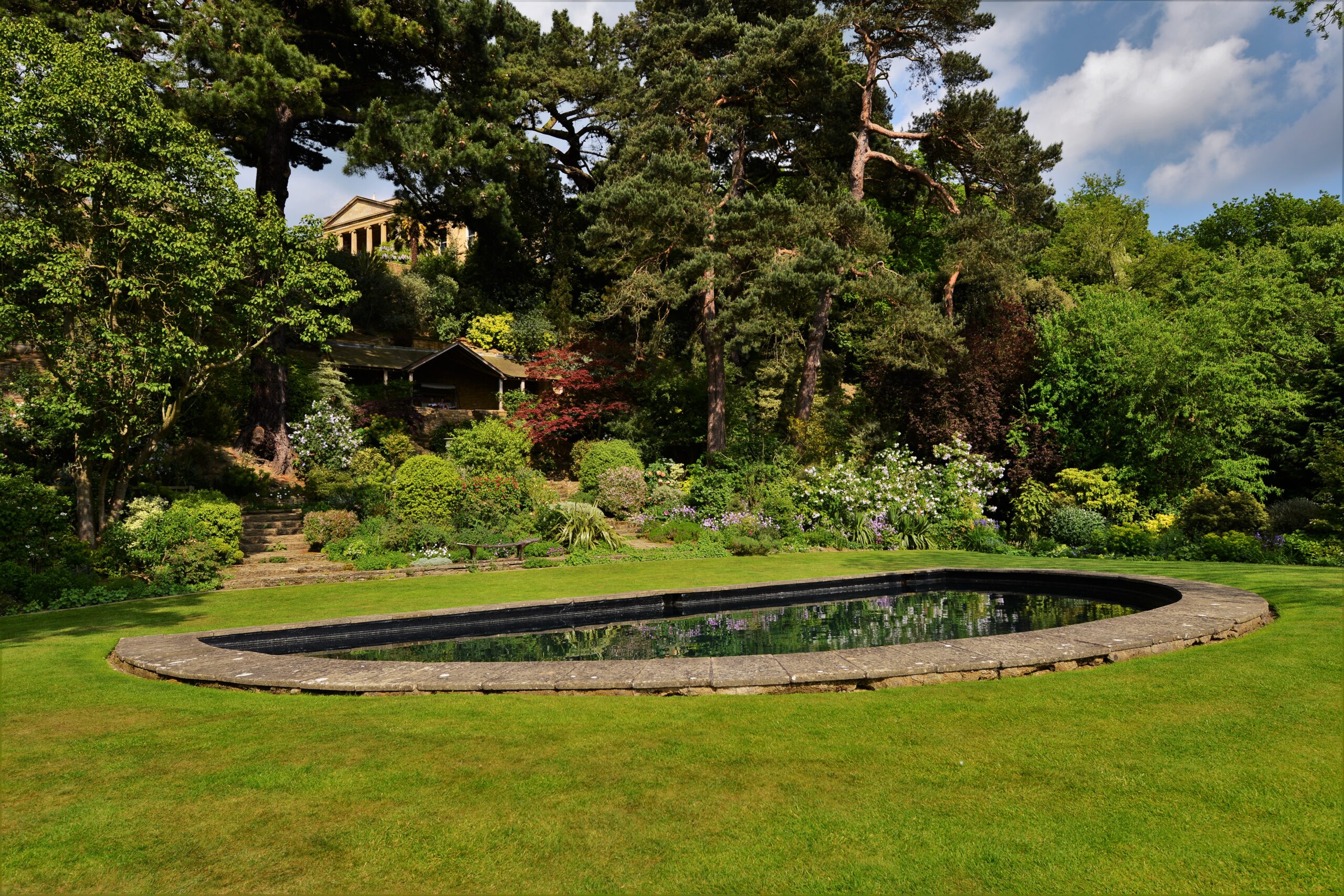
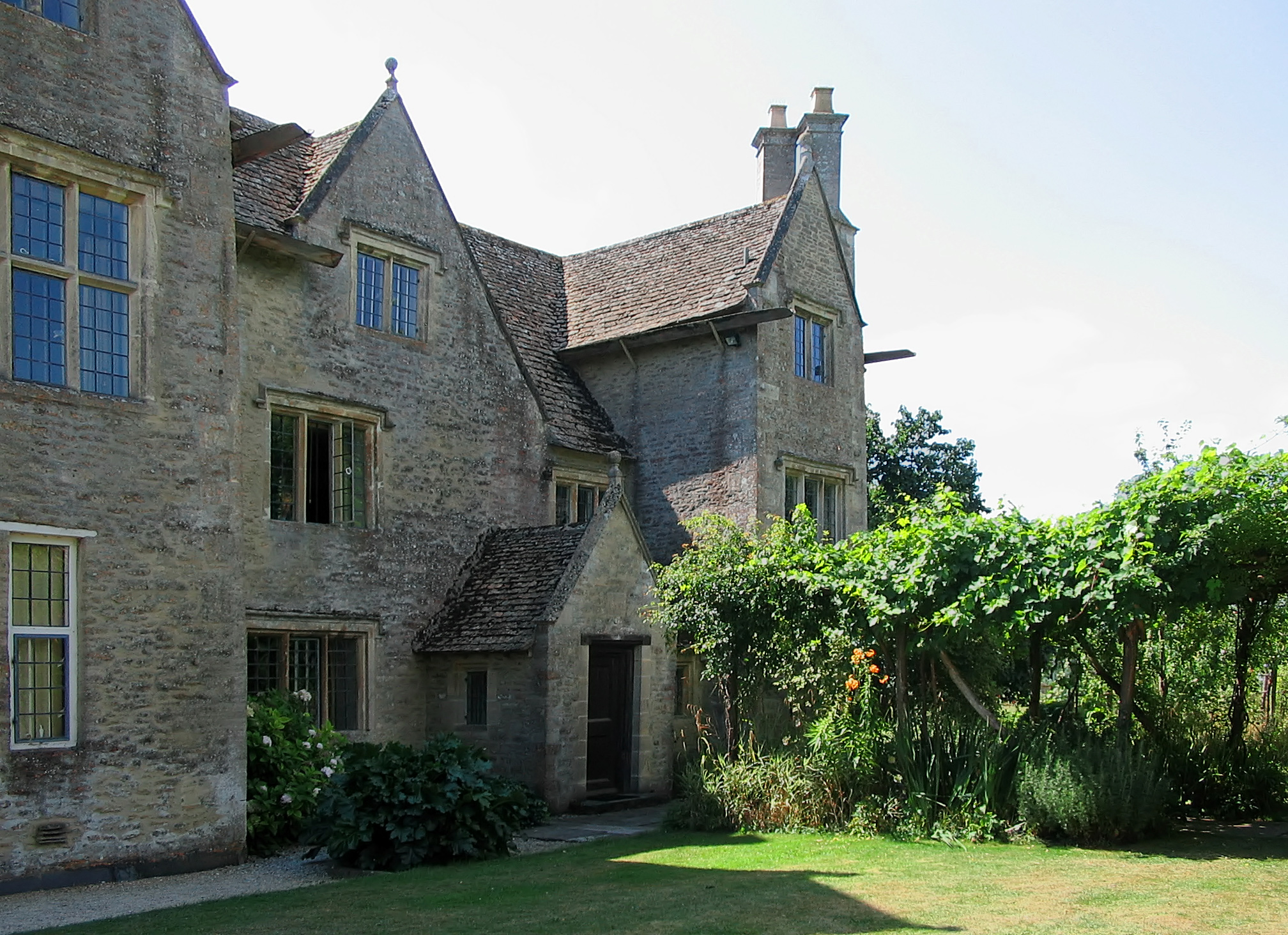
For gardens and heritage, Hidcote’s reputation is deserved, yet many guests would choose nearby Kiftsgate for a more personal feel. The garden rooms and hillside setting are memorable, and combining the two can work well outside peak hours. Kelmscott Manor, associated with William Morris, is another thoughtful stop for those interested in the region’s cultural texture as much as its postcard views.
A few useful tips
The quieter Cotswolds rewards early starts, slower roads and modest plans. It suits guests who are happy to pair one village with one walk, garden or long lunch rather than trying to cover too much. Respect matters here: park carefully, keep to footpaths, and remember that the prettiest lanes are usually lived-in places first. That is often exactly what makes them memorable.
Useful Links
Tourist Information
Walking
National Trust
Frequently Asked Questions
Which quieter Cotswold villages are worth visiting instead of the busiest hotspots?
Snowshill and Stanway are strong choices if you want character without the crowds, with attractive stone cottages and a calmer pace. Ilmington and Guiting Power also work well for walks and a pub lunch. Lower Slaughter can feel more peaceful than some neighbouring villages, particularly if you avoid the middle of the day.
When is the best time to explore the Cotswolds' lesser-known places?
Earlier in the day usually feels most rewarding, especially in villages with limited parking and narrow lanes. Weekdays tend to be quieter than weekends, and shoulder-season visits can bring a gentler atmosphere. If you plan to see somewhere better known, going outside peak lunch hours often makes a noticeable difference.
Are there good scenic viewpoints beyond Broadway Tower?
Yes. Cleeve Hill offers a broader, more open sense of the escarpment, with wide views across the surrounding countryside. Leckhampton Hill is a good alternative for a shorter outing near Cheltenham. For softer scenery, the lanes around Blockley and Dover’s Hill are ideal for a slow drive or an easy circular walk.
Where can I find quieter gardens or heritage places in the Cotswolds?
Kiftsgate often appeals to visitors who prefer a more personal feel, especially when combined with nearby Hidcote outside the busiest periods. For heritage with a cultural angle, Kelmscott Manor is a thoughtful stop, particularly if you are interested in William Morris and the region’s artistic history. It is worth checking seasonal opening arrangements before travelling.
What is a sensible way to plan a day around hidden gems in the Cotswolds?
Keep plans modest. One village, one walk or garden, and a relaxed lunch is usually enough for a satisfying day. The quieter corners are best enjoyed slowly rather than as a checklist. Using back roads where practical can make the journey part of the experience, though it is wise to allow extra time on narrow lanes.
How should visitors explore these quieter areas respectfully?
Park carefully and only where it is clearly permitted, as many villages have limited space and residential lanes. Keep to marked footpaths, close gates where needed, and remember that these are lived-in communities rather than open-air attractions. A quieter approach suits the landscape well and helps preserve the atmosphere that makes these places special.