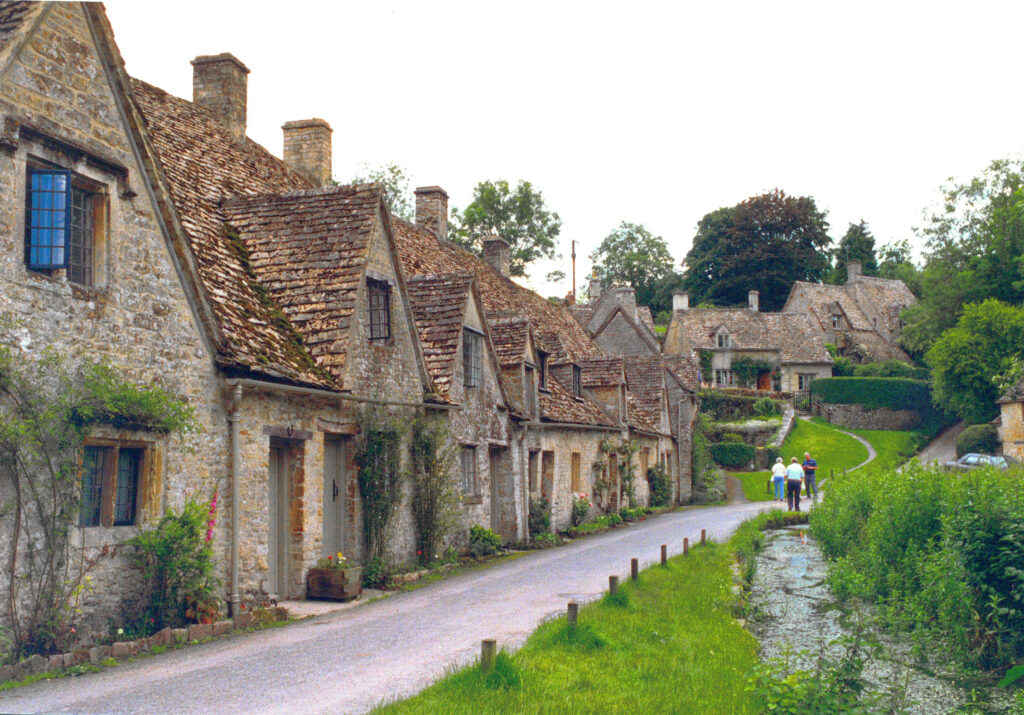
This guide to the Cotswolds is a starting point for one of England’s most recognisable landscapes: a broad sweep of honey-coloured villages, market towns, beech woods, old inns and gently folded hills spread across several counties. It is easy to visit badly by trying to do too much. It is far better approached as a collection of small places, each with its own tempo.
Places to Stay in The Cotswolds
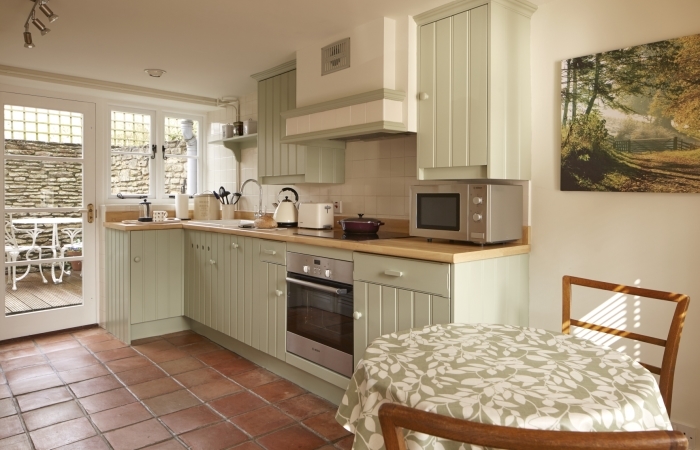
Angel Cottage
A stone cottage in Tetbury’s old heart, well placed for long wanders, antique-shop afternoons and easy forays into the softer, greener corners of the…

Arlington & Row
A luxury Cotswolds retreat chosen for quiet villages, handsome interiors and the sense of stepping into a gentler rhythm, with Painswick and its rolling…
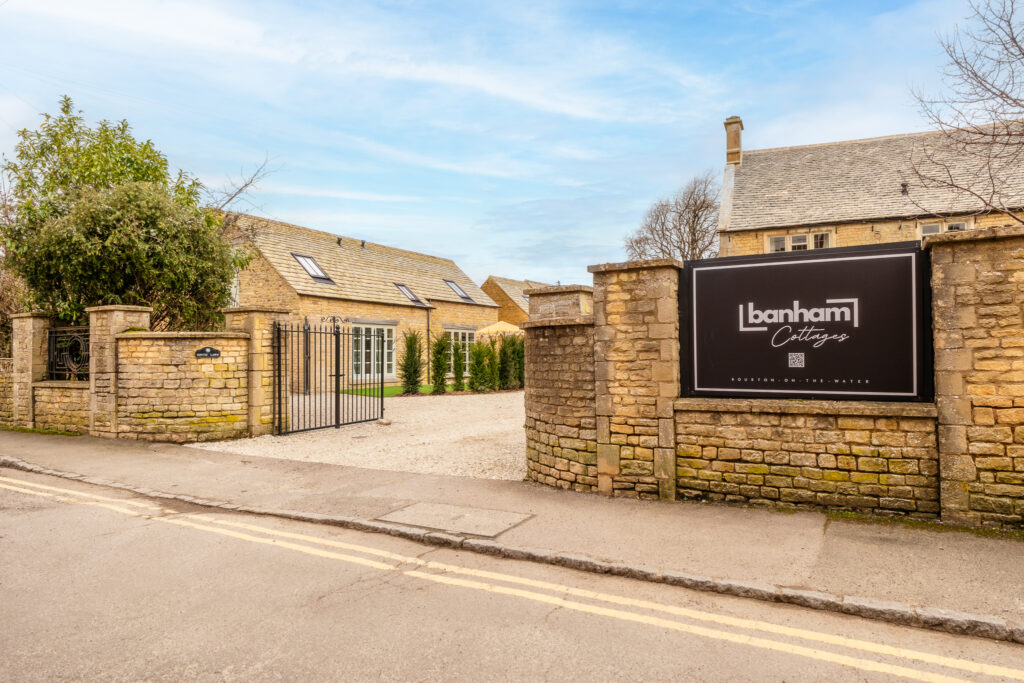
Banham
A collection of restored stone cottages in Bourton-on-the-Water, where Cotswold character is handled with care and village life begins just beyond the door.
Where the Cotswolds begins
The Cotswolds is not a single town or a neat administrative area but a large region of countryside stretching across Gloucestershire and into parts of Oxfordshire, Warwickshire, Worcestershire, Wiltshire and Somerset. Much of it sits within the Cotswolds National Landscape, a protected area known for limestone villages, dry-stone walls, pasture and long views from open escarpments.
For many visitors, the appeal lies in the way the landscape and settlements belong together. The same warm limestone appears in manor houses, cottages, churches and garden walls, so even the smallest lane can feel considered. In the late afternoon, when the stone takes on a deeper gold and a high street begins to quieten after day-trippers leave, the region’s character comes into focus.
Choosing your base
The right base depends on the kind of stay in mind. For a first trip, Cirencester is often the easiest all-round choice. It is a proper market town rather than a postcard village, with Roman history, independent shops, good places to eat and straightforward road connections. It works particularly well for visitors who want a mix of countryside and practical convenience.
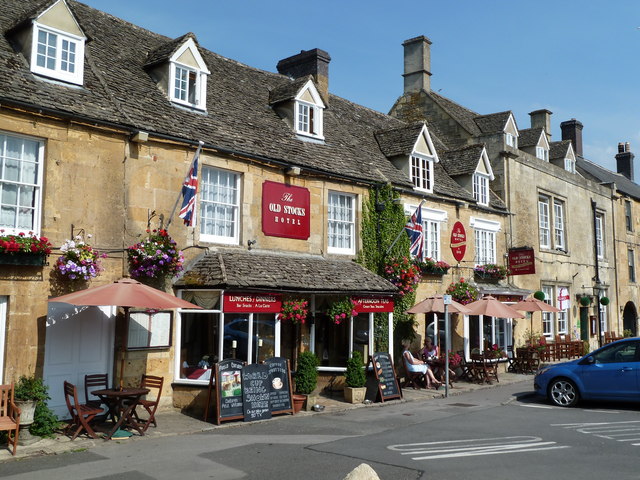
Stow-on-the-Wold suits those who want to be close to some of the best-known northern Cotswold villages. It has enough life of its own to feel more than scenic, and makes an easy base for exploring Bourton-on-the-Water, Lower Slaughter, Upper Slaughter and Daylesford country.
Burford is a strong option on the Oxfordshire edge. Its steep high street, old stone frontages and good position for Blenheim Palace, the wider Evenlode Valley and Oxford make it useful for a short break with a little variety beyond village-hopping.
Chipping Campden is worth considering for walkers and anyone drawn to the quieter northern edge. It has one of the loveliest high streets in the region and sits close to the start of the Cotswold Way. For a grander, more polished stay, Broadway and its surrounding countryside can be hard to beat.
If the priority is gardens, antique shops and a slightly more tucked-away feel, the southern Cotswolds around Tetbury and Painswick are worth prioritising. This part of the region receives fewer first-time visitors than the northern honey-pot villages, but it can feel more settled and less hurried.
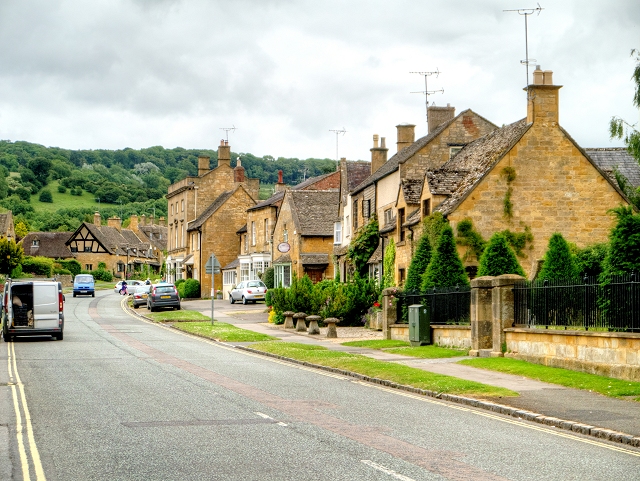
Village life and market towns
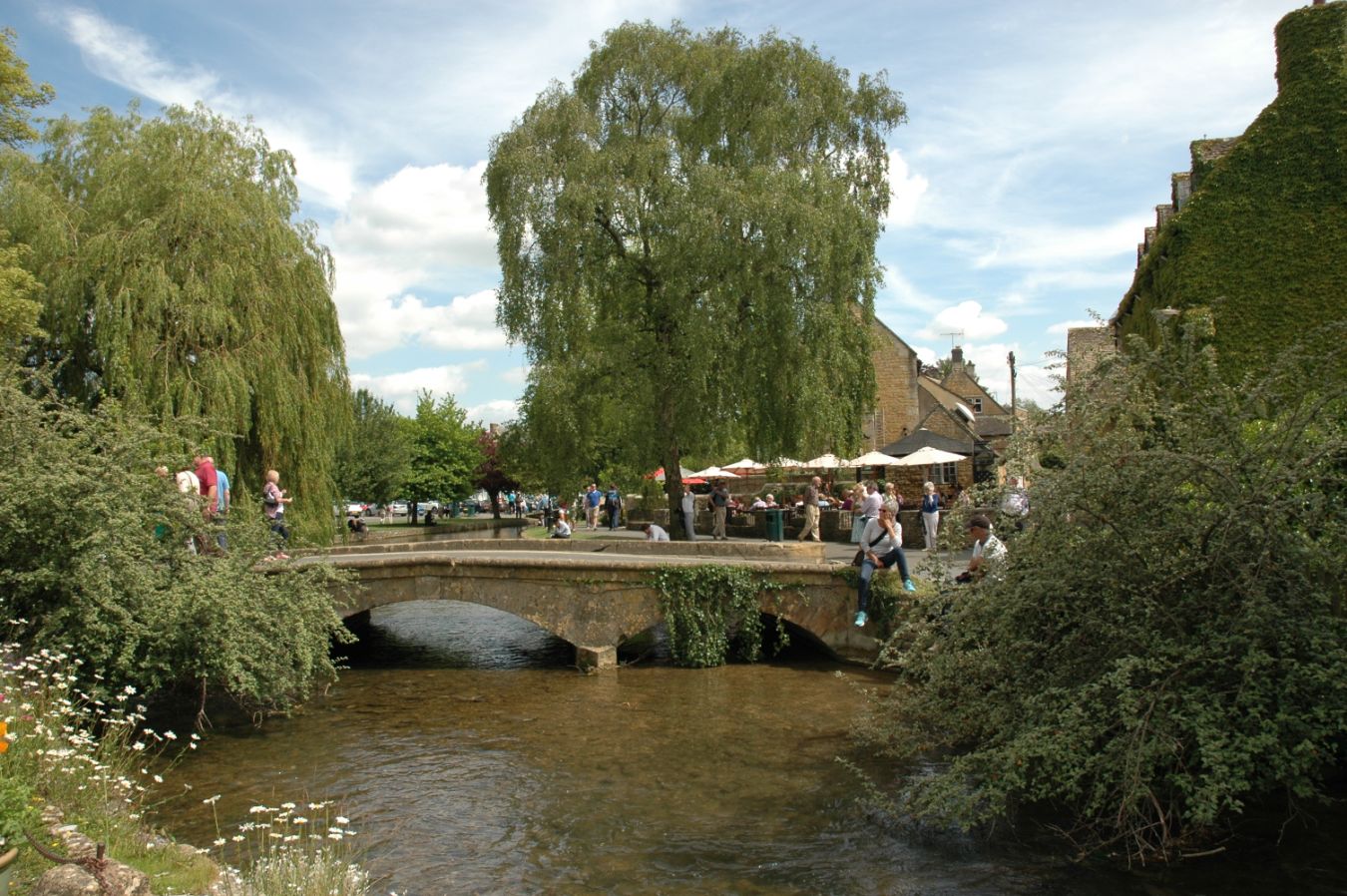
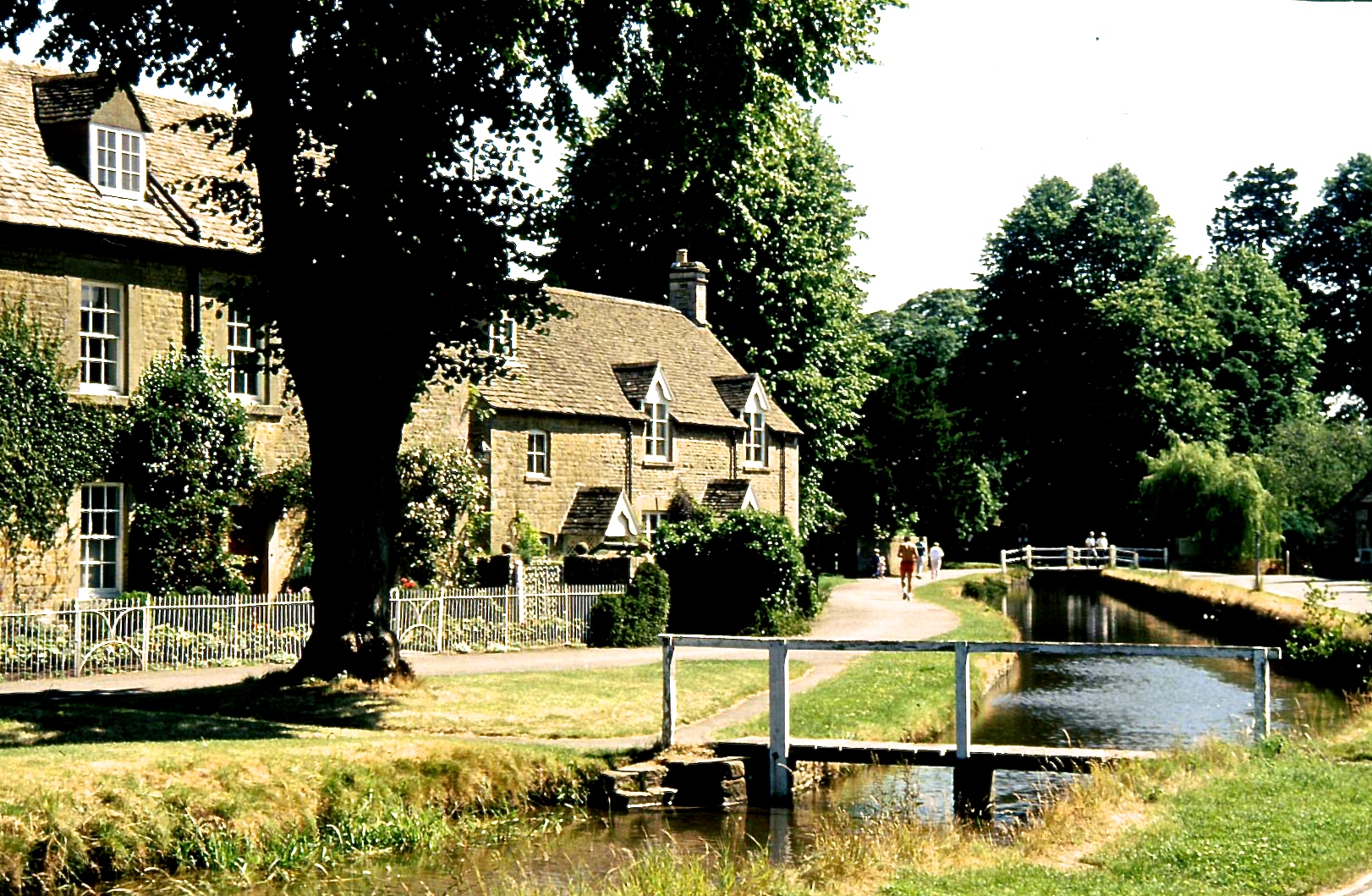
Bibury remains one of the most photographed places in the Cotswolds, largely because of Arlington Row, but it is best seen early or late in the day and combined with nearby villages rather than treated as a destination in itself. Bourton-on-the-Water is busier and more family-friendly, its low bridges and stream giving it an easy charm that children tend to enjoy.
The Slaughters, despite the name, are among the prettiest village stops in the area. Lower Slaughter, with its old mill and gentle river, is particularly peaceful once coaches have gone. Broadway has a more elegant, broader feel, with handsome houses and a high street lined with galleries, cafés and shops.
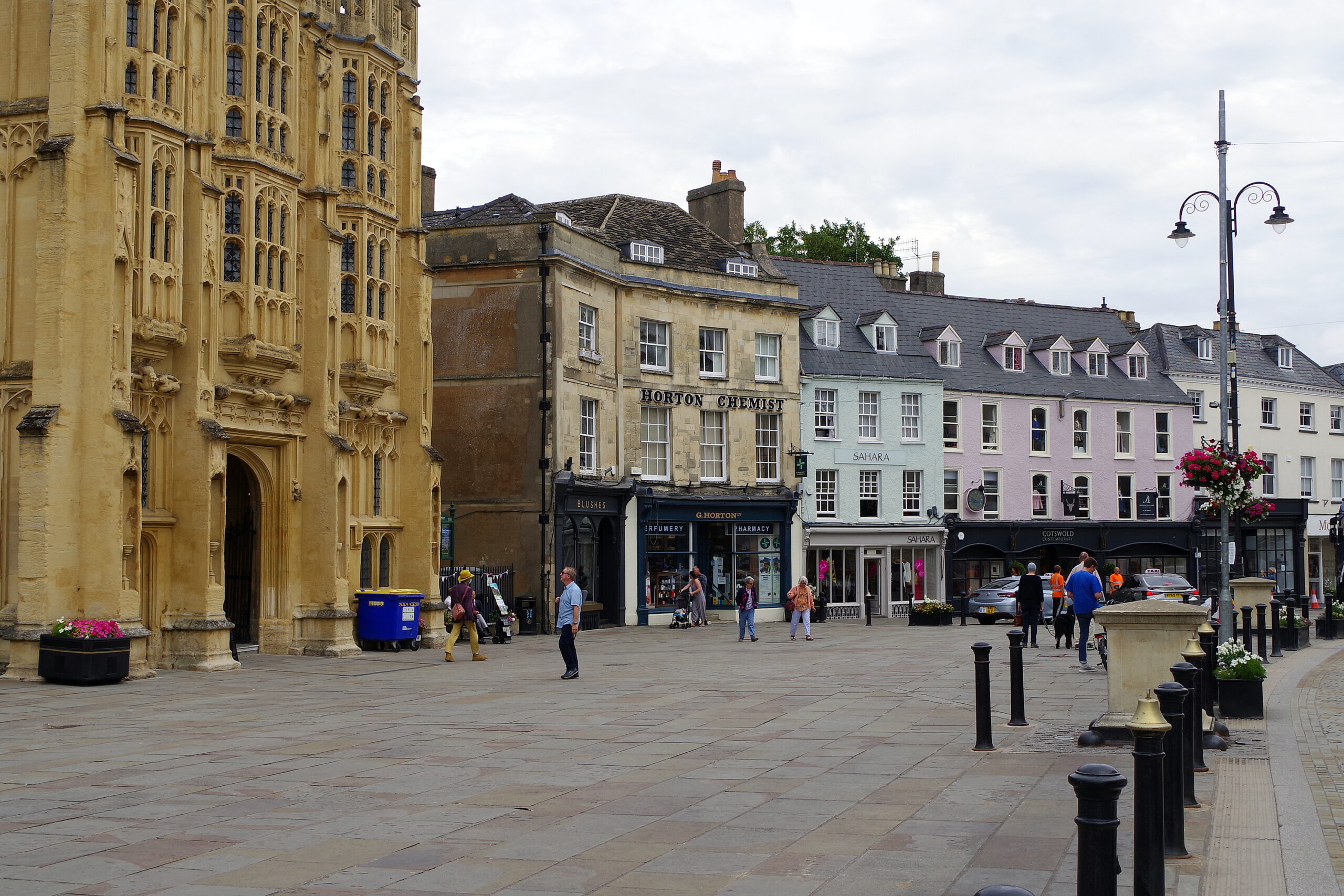
Among the towns, Cirencester is the most substantial and often one of the most rewarding. Its church, market square and Roman museum give it depth beyond appearance. Tetbury has long been associated with antiques and design-minded independent shops, while Winchcombe combines a lived-in feel with access to Sudeley Castle and good walking country.
“In the Cotswolds, wool wealth lingers in church towers, manor fronts and market squares.”
What the Cotswolds is known for
The shorthand image is simple enough: honey stone, rolling hills and old pubs. But the Cotswolds is equally shaped by wool wealth, farming history and long continuity. Many of its finest buildings were funded by the medieval wool trade, and the prosperity of market towns and churches still shows in their scale and detail.
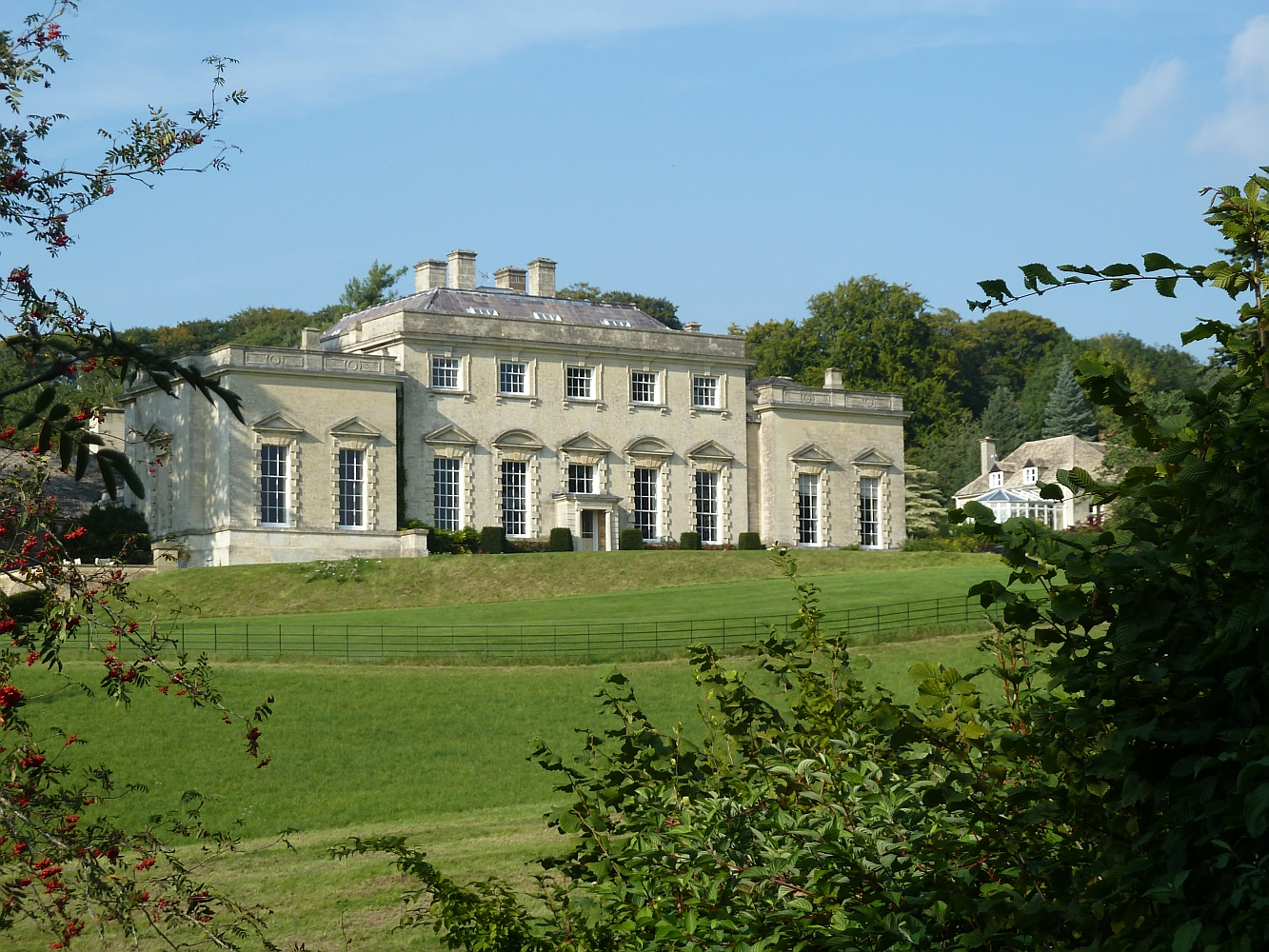
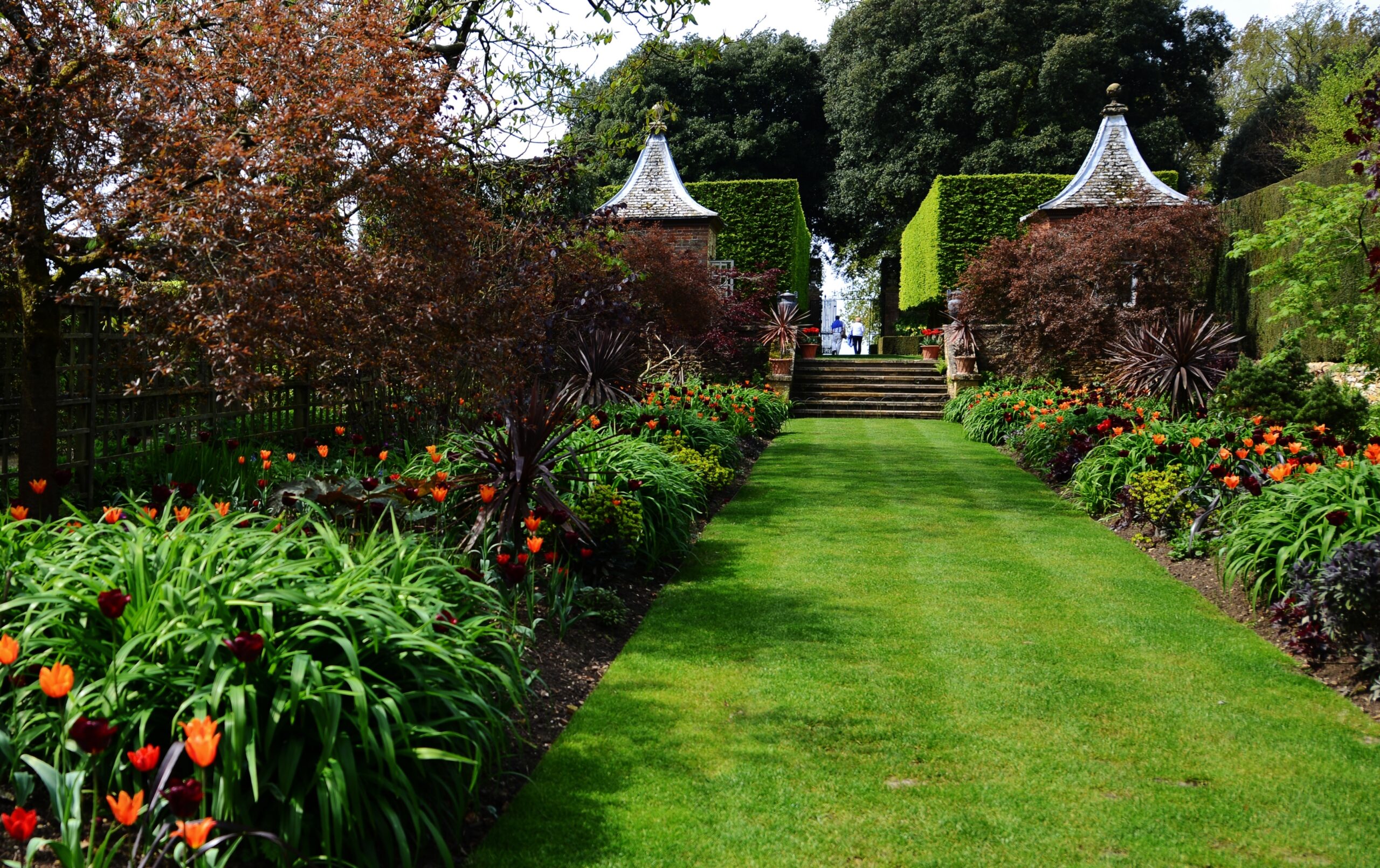
The region is also known for gardens and country houses. Hidcote and Kiftsgate are among the most celebrated, each with a different character, while Sudeley Castle, Snowshill Manor and the nearby grandeur of Blenheim Palace broaden the picture beyond village scenes. There is a particular pleasure here in moving between open landscape and enclosed spaces: a hillside path one hour, a walled garden or panelled tearoom the next.
Food, drink and the pub table
The Cotswolds suits lingering lunches and unhurried suppers. Traditional inns still play an important role, often serving as the social centre of a village as much as a place to eat. Menus tend to balance classic pub cooking with more ambitious local sourcing, and there is enough competition now that even small towns often have at least one very decent restaurant.
Produce from surrounding farms shapes the region’s food culture, whether in farm shops, village delis or smarter dining rooms. Daylesford has become one of the better-known names, but there are many less conspicuous places where local cheeses, rare-breed meat and seasonal vegetables are treated without fuss. The pub table remains central, though: a fire in colder months, a garden in summer, and a sense that the day’s walk has naturally ended here.
Walking and time outdoors
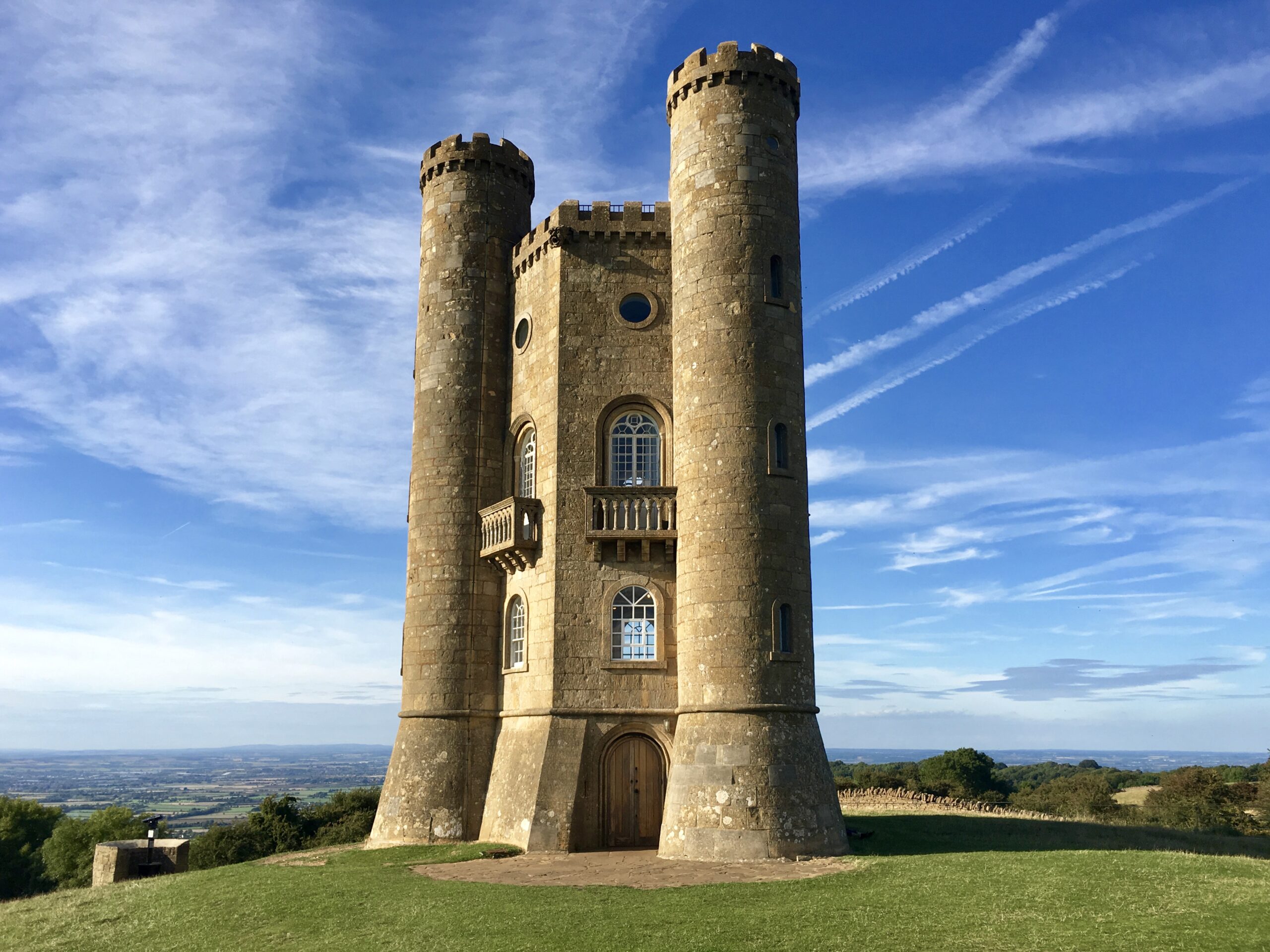
Walking is one of the most satisfying ways to understand the Cotswolds. The Cotswold Way runs for just over 100 miles from Chipping Campden to Bath, but even a short section gives a feel for the landscape: broad views from the escarpment, stretches of beech woodland and villages appearing below in folds of pasture.
There are easier circular walks almost everywhere. Routes around Broadway Tower, Painswick Beacon, the Slaughters and the Windrush Valley are all rewarding without requiring a serious expedition. In spring the woods can be fresh with wild garlic and bluebells; in winter, bare trees open wider views across the fields, and the weather has a sharper edge on exposed ridges than newcomers sometimes expect.
“Honeyed limestone and folded hills make even a short lane feel quietly composed.”
For families and slower days
The Cotswolds works well for mixed-age trips because it offers enough variety within short distances. Birdland in Bourton-on-the-Water, the Cotswold Farm Park near Guiting Power and model village attractions can appeal to younger children, while older visitors may prefer castles, gardens and easy walking routes with a pub stop.
A family stay is usually smoother in or near a town rather than in the smallest villages, where parking, dining options and wet-weather alternatives can be limited. Cirencester, Bourton-on-the-Water and Broadway are all sensible choices if flexibility matters.
Throughout the seasons
Late spring and early summer are perhaps the easiest times to visit, with longer days, gardens in full swing and good conditions for walking. September is also a lovely month, often calmer than high summer and still green. Midwinter can be atmospheric, especially for fireside weekends and market towns dressed for Christmas, but daylight is short and some attractions reduce opening hours.
High summer brings the fullest village scenes and the heaviest traffic. That need not be a reason to avoid it, but expectations should be adjusted. The famous villages can feel crowded in the middle of the day, while breakfast hours and early evening often reveal a gentler rhythm.
Planning your journey
A car is the simplest way to explore widely, particularly if the plan includes smaller villages, rural pubs and gardens. Roads are generally easy but can be slow, especially through popular villages and on narrow lanes in summer.
Rail works well for reaching the edges of the region. Moreton-in-Marsh, Kingham, Kemble, Stroud and Cheltenham are useful arrival points depending on where you are staying. It is possible to base a trip around trains and local taxis, but that suits a more contained itinerary than a broad sweep across the whole area.
A few days well spent
For a first long weekend, a northern Cotswolds circuit is the classic choice: base in Stow-on-the-Wold, Chipping Campden or Broadway, then spend time between the Slaughters, Bourton-on-the-Water, Broadway Tower and one or two gardens or manor houses.
For a quieter break, choose the south. Base around Cirencester, Tetbury or Painswick and divide time between market towns, country walks, garden visits and long pub lunches. This part of the region has depth and elegance without the same concentration of coach-stop villages.
Returning visitors might pair Burford or Kingham with the Oxfordshire side of the Cotswolds, adding Blenheim Palace, Minster Lovell or the Evenlode Valley. That approach gives a fuller sense of the region as lived countryside rather than a checklist of viewpoints.
The Cotswolds rewards selectiveness. Choose one pocket, allow time for small detours, and let the place unfold at its own measured speed.
Useful Links
Tourist Information
Walking
National Trust
English Heritage
Local Council
Frequently Asked Questions
Where is the best place to stay for a first visit to the Cotswolds?
Cirencester is often the easiest all-round base, especially if you want a proper town with shops, restaurants and straightforward road links. Stow-on-the-Wold works well for the classic northern villages, while Burford suits shorter breaks that also include Oxford or Blenheim. If you prefer somewhere quieter, look towards Tetbury or Painswick.
Do you need a car to explore the Cotswolds?
A car is usually the simplest option, particularly if you want to visit smaller villages, gardens and rural pubs at your own pace. It is possible to arrive by rail and use taxis locally, but that tends to work best with a more focused itinerary and one well-chosen base rather than trying to cover the whole region.
Which Cotswold villages are worth visiting, and which get busiest?
Bibury, Bourton-on-the-Water, Lower Slaughter and Broadway are all popular for good reason, but they can be busy in the middle of the day, especially in summer. Bibury is often best seen early or late, while Bourton-on-the-Water tends to be the most family-oriented. For a calmer feel, consider combining famous stops with less hurried towns such as Tetbury or Winchcombe.
What is the best time of year to visit the Cotswolds?
Late spring and early summer are especially rewarding, with longer days, gardens looking their best and good walking conditions. September is another lovely option, often feeling calmer than peak summer. Winter can be atmospheric for cosy pub weekends, though daylight is short and some attractions may have reduced opening. High summer is lively but usually the most crowded.
Is the Cotswolds good for walking if you are not an experienced hiker?
Yes. There are many gentle circular walks that do not require a full-day commitment or specialist planning. Areas around Broadway Tower, the Slaughters, Painswick Beacon and the Windrush Valley are often rewarding for shorter outings. Conditions can change quickly on exposed ridges, particularly in colder months, so sturdy footwear and a flexible plan are sensible.
What can families do in the Cotswolds besides village sightseeing?
Families usually have plenty of choice, from easy walks and streamside village stops to wildlife and farm attractions. Bourton-on-the-Water is a practical option for children, with places such as Birdland and the model village nearby. The Cotswold Farm Park can also work well. Staying near a town often makes family trips easier, especially if the weather turns.
How many days do you need in the Cotswolds?
A long weekend is enough for a satisfying first introduction if you keep your plans fairly local. Three or four days works well for one area, such as the northern villages around Stow, Broadway and Chipping Campden, or the quieter southern side around Cirencester and Tetbury. Trying to cover everything in one trip usually means spending too much time in the car.
What is the Cotswolds best known for apart from pretty villages?
The region is shaped as much by history and landscape as by postcard views. Its warm limestone buildings, medieval wool-trade wealth, old churches and market towns all help define its character. It is also known for gardens and country houses, with places such as Hidcote, Kiftsgate, Sudeley Castle and nearby Blenheim adding depth beyond the village circuit.