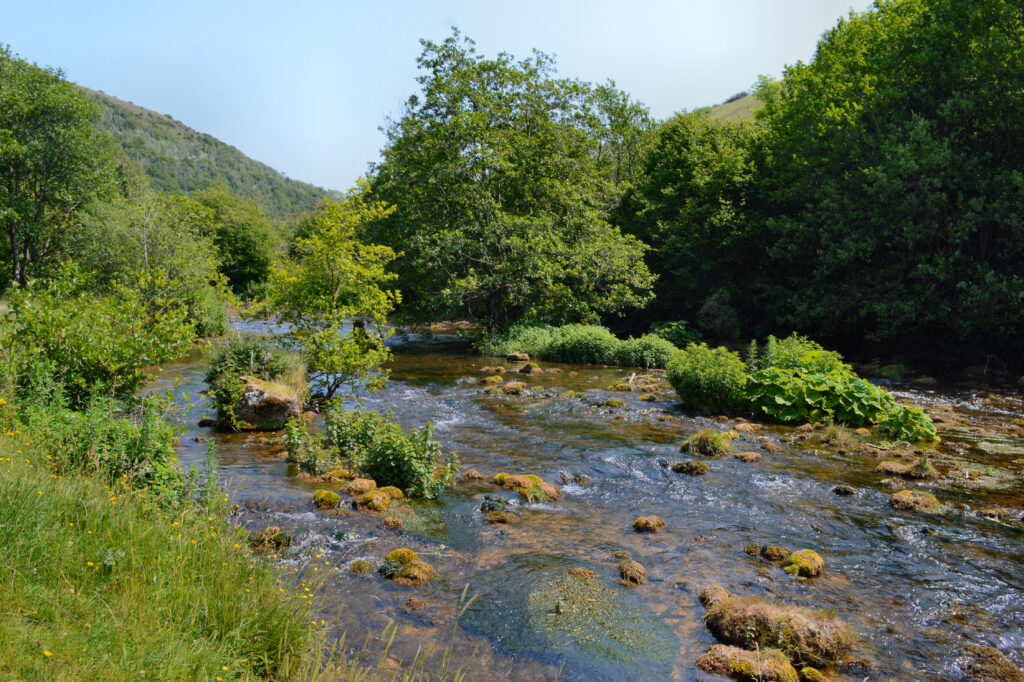
Derbyshire brings together some of England’s most satisfying contrasts: the open moorland and limestone valleys of the Peak District, handsome market towns, old spa elegance and a deep seam of industrial history. For a short break or a longer rural stay, it offers both scenery and structure — places to walk, villages to linger in and towns with enough life for an easy base.
Places to Stay in Derbyshire
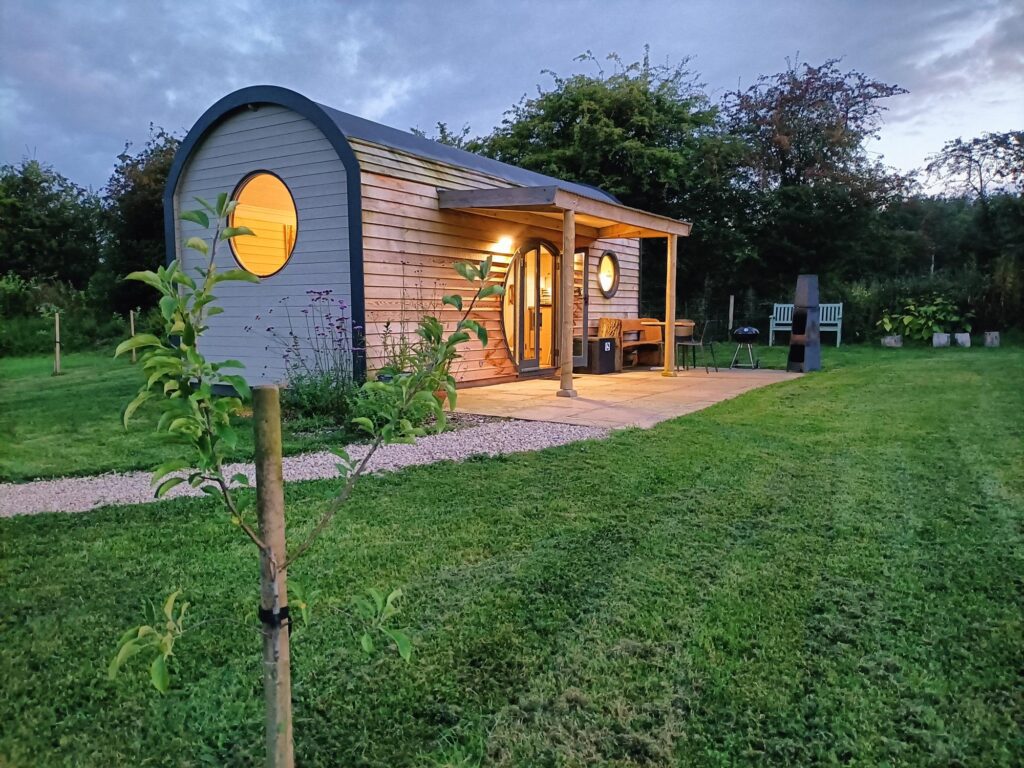
3 Trees Glamping
A small, quietly tucked-away glamping site on the edge of Wirksworth, with woodland-and-field surroundings, alpacas in the background and footpaths leading straight into the…
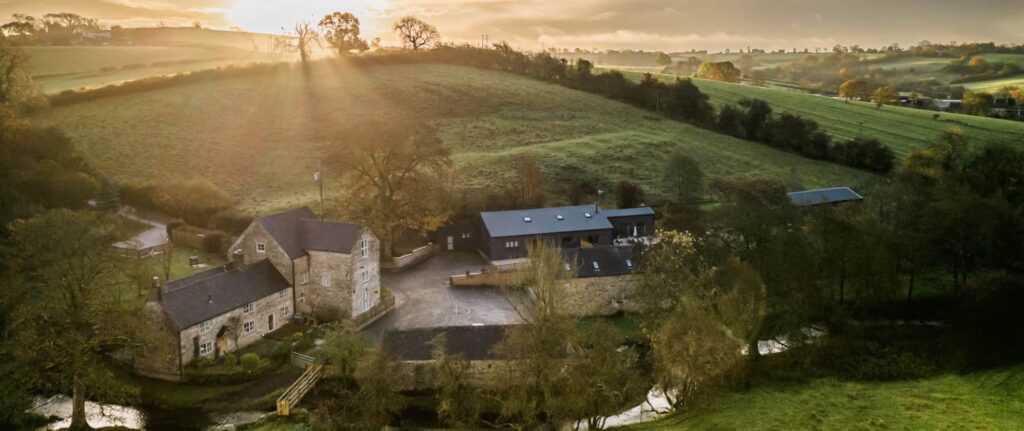
Atlow Mill
A small collection of award winning stays in a private Derbyshire valley, where a brook, woodland and rolling hills create a calm base for…
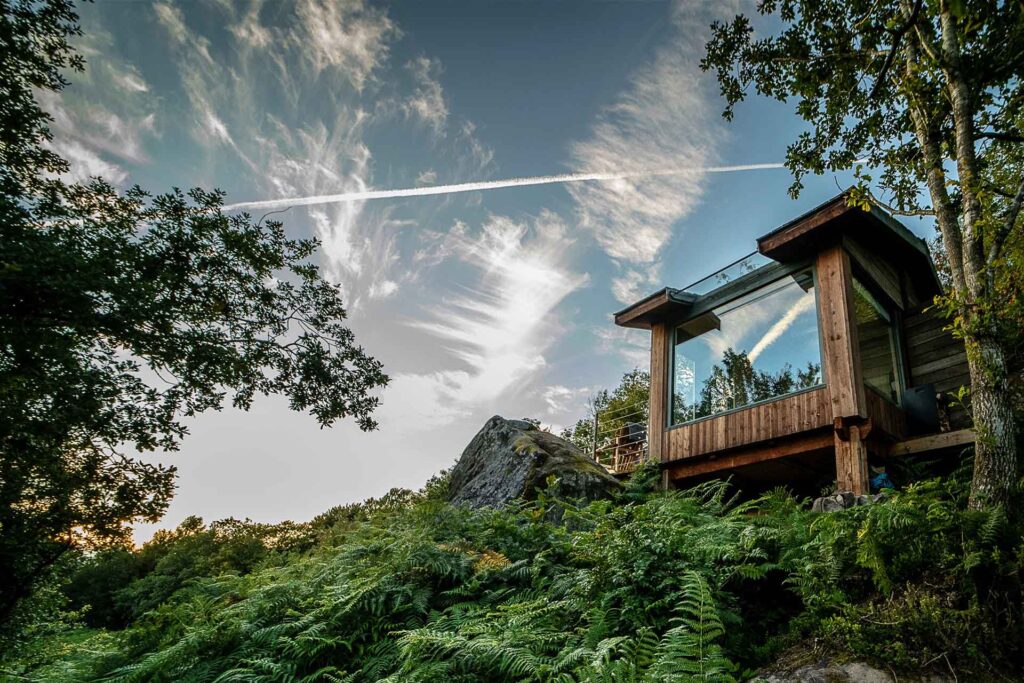
Boulder Field Cabin
A beautifully crafted hideaway above Birchover, set among gritstone boulders with sweeping valley views, a wood-fired hot tub and a glass roof that turns…
Why Derbyshire earns a place on the list
This Derbyshire guide begins with the county’s central appeal: variety. Much of Derbyshire sits within or around the Peak District National Park, yet the county is not only about walking country. There are polished towns such as Buxton, historic houses on a grand scale, family attractions that work in mixed weather and villages where the day settles into the rhythm of cafés, pubs and footpaths.
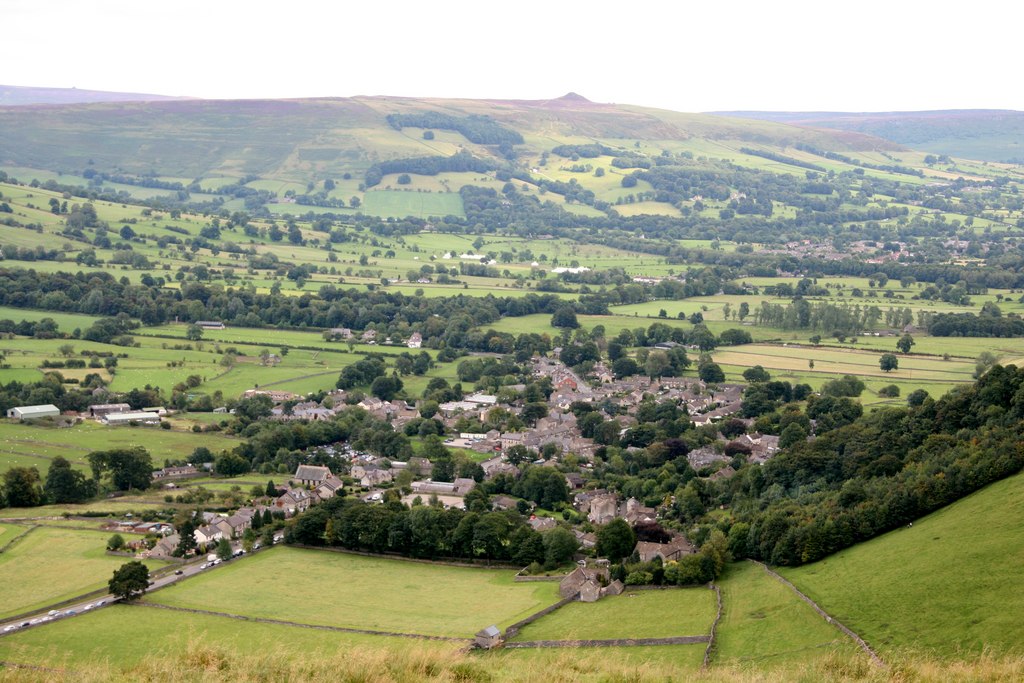
The landscape changes quickly. White Peak limestone country around Bakewell and Monsal Dale feels gentler and greener, with dry-stone walls, river valleys and broad meadows. Dark Peak country to the north and west is higher, starker and more exposed, with gritstone edges, peat moorland and far wider views. Those differences matter when choosing where to stay.
Choosing your part of Derbyshire
For many visitors, the Peak District is the obvious starting point. The national park covers a large section of Derbyshire and spills into neighbouring counties, but Derbyshire contains many of its most recognisable places.
The White Peak tends to suit first-time visitors, couples and relaxed short breaks. Around Bakewell, Ashford-in-the-Water, Tideswell and Hartington, the scenery is easy to enjoy without tackling demanding terrain. There are riverside walks, attractive villages and a good choice of inns and small hotels.
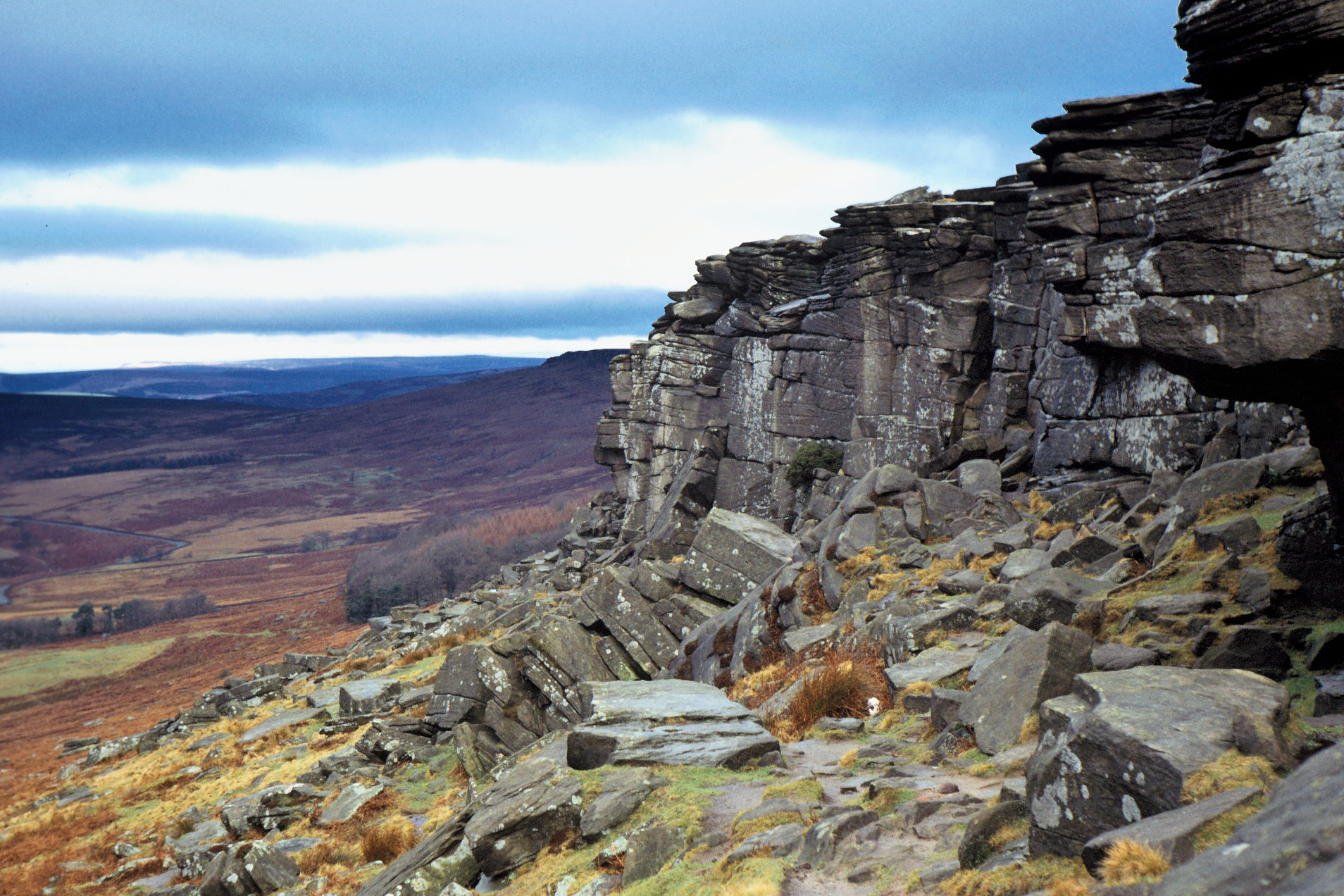
The Dark Peak is more dramatic and often better for keen walkers. Edale, Castleton, Hathersage and the Hope Valley place guests within reach of Kinder Scout, Mam Tor and Stanage Edge. Weather moves differently here: cloud can sit low on the moors while nearby valleys stay clearer, and wind on the ridges can make a short route feel much bigger than it looks on the map.
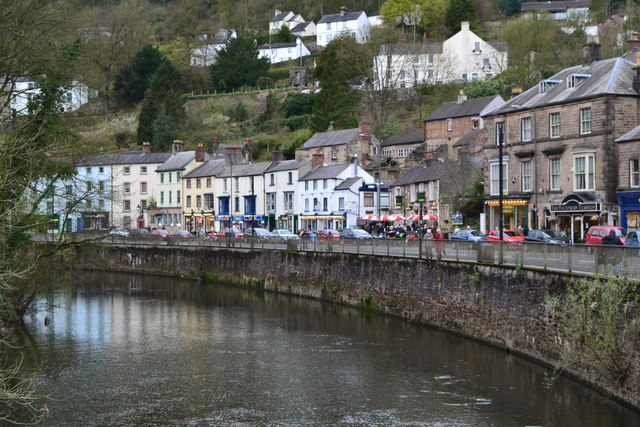
To the east, Derbyshire’s towns and estates offer a different sort of stay. Matlock and Matlock Bath have a long-established visitor feel, while Chesterfield and Derby can work well for practical access. South Derbyshire is softer and quieter, with canal country, market towns and good road links.
“Derbyshire shifts from soft limestone dales to gritstone moors in a single afternoon.”
Towns and villages to know
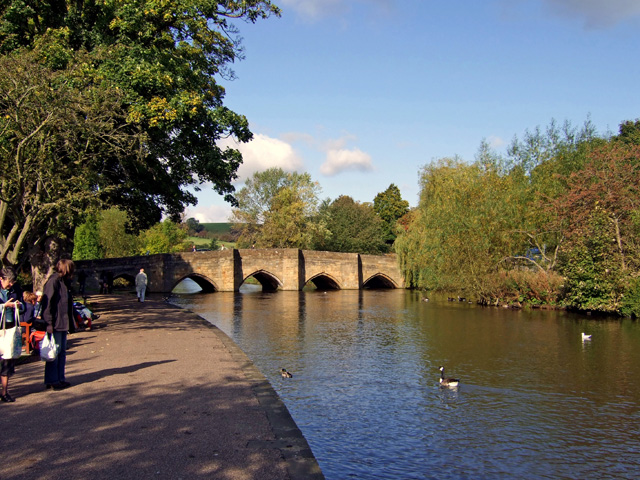
Bakewell is the county’s most useful all-round base. It is lively without feeling overblown, with shops, tearooms, pubs and easy access to walks and country houses. On market days it has real movement, but by early evening the centre grows noticeably quieter once day visitors drift away.
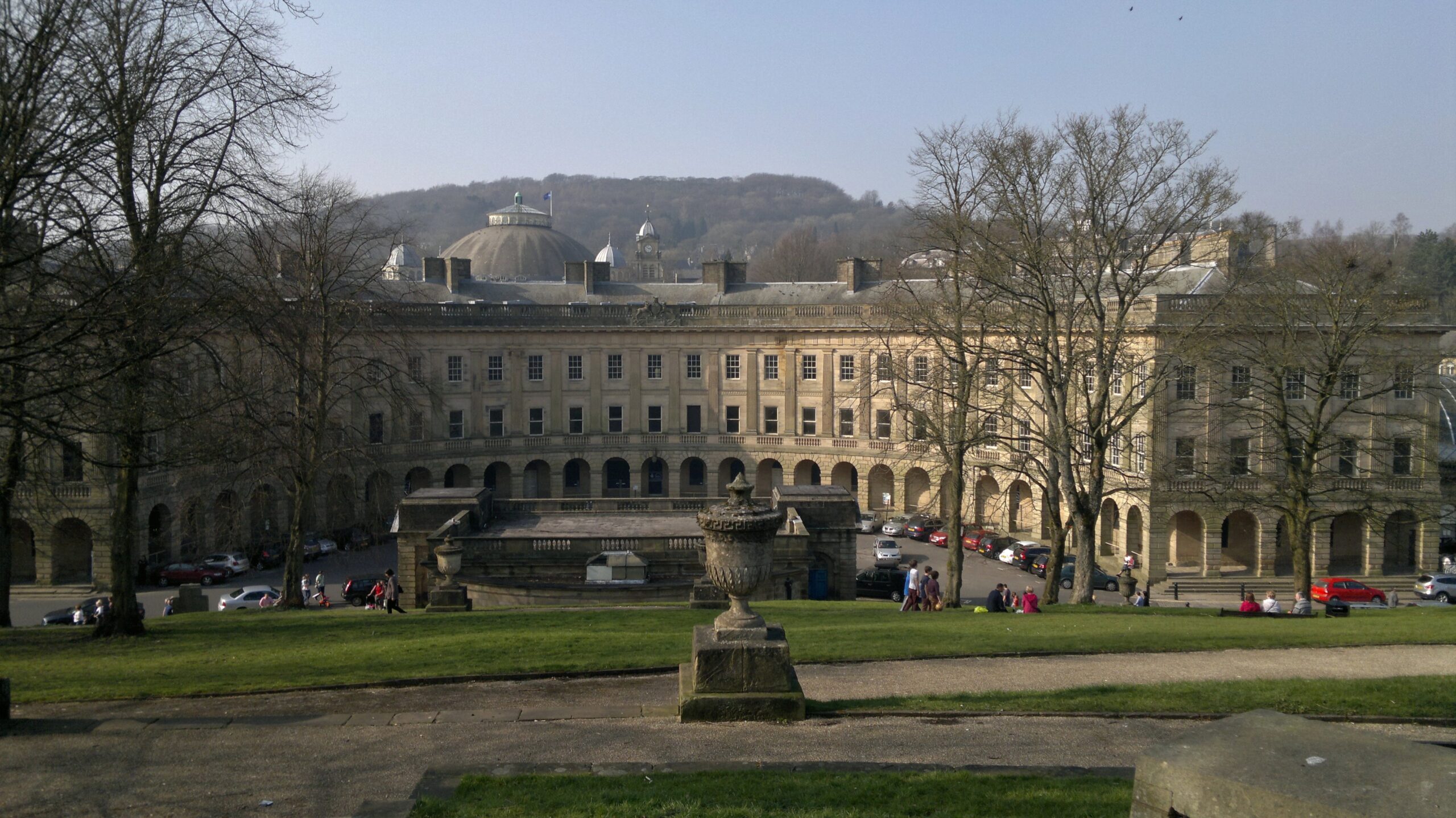
Buxton offers a different character: broad streets, formal stone architecture and spa-town history. It suits guests who want restaurants, cultural events and a base that feels more town than village. The Opera House and Georgian Crescent give it a distinct sense of place.
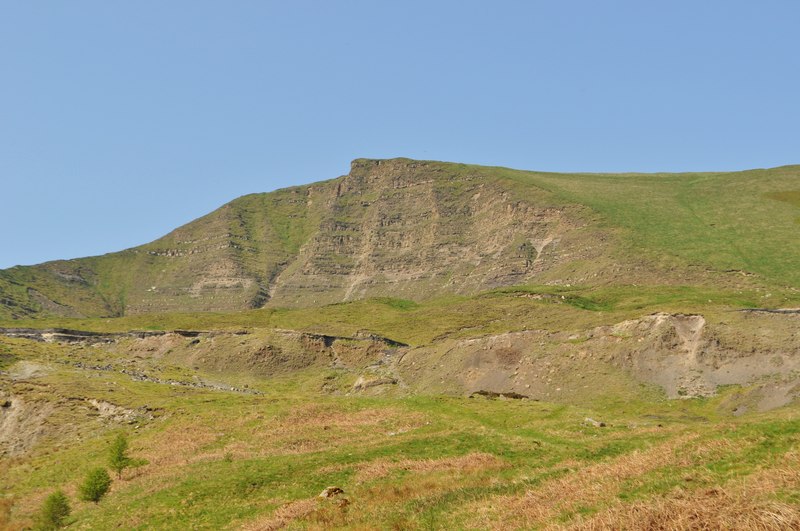
Castleton is one of the most convenient bases for classic Peak District scenery. It is small, attractive and often busy, but the setting beneath Mam Tor and near Winnats Pass is hard to beat for a walking-led break.
Hathersage is another strong choice, especially for walkers and climbers, with good rail access and a more lived-in feel than some tourist villages. For something quieter, Ashford-in-the-Water and Hartington are worth prioritising, particularly for a slower rural stay.
What to do once you arrive
Walking is the obvious draw, but Derbyshire does not require ambitious hiking to be enjoyable. Monsal Trail and Tissington Trail offer easy, traffic-free routes for walkers and cyclists. Dovedale remains popular for good reason, especially outside school holidays and early or late in the day. The stepping stones and limestone valley have become emblematic of the county, though the quieter stretch towards Milldale often feels more rewarding.
For classic viewpoints, Mam Tor, Curbar Edge and Stanage Edge are among the most memorable. They are accessible, but conditions change quickly and even short upland walks need proper footwear and a weather check.
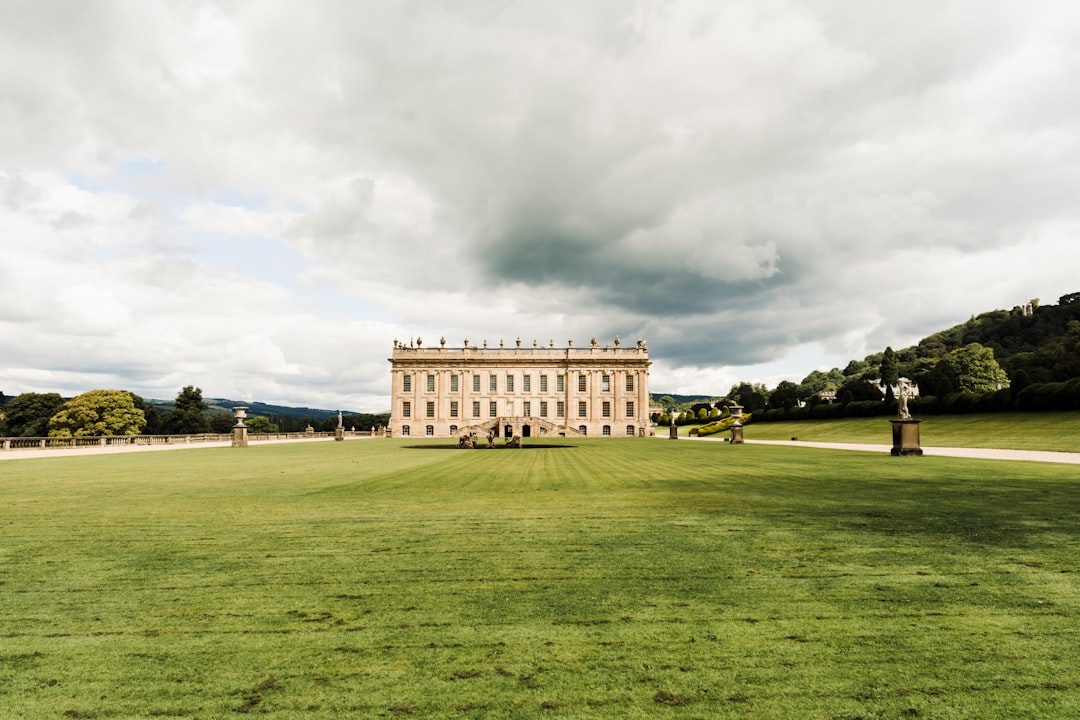
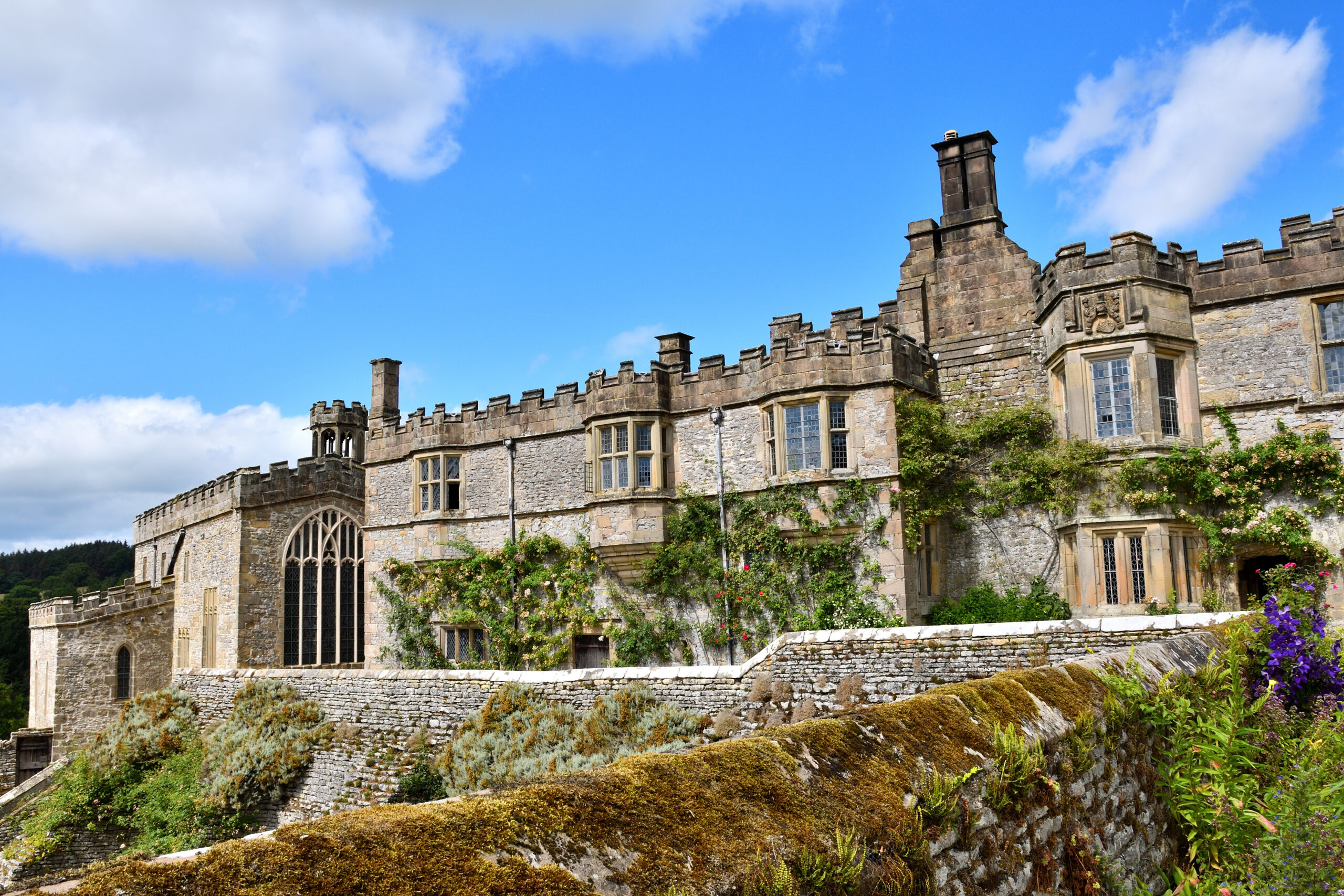
Derbyshire’s country houses add another layer. Chatsworth House is the major name and deserves the time, not only for the house but for its parkland, garden and estate village at Edensor. Haddon Hall, near Bakewell, is smaller, older and more intimate, and many guests find it especially atmospheric.
Families have plenty of options beyond the hills. Heights of Abraham in Matlock Bath, Gulliver’s Kingdom and the Peak Wildlife Park can all anchor a day out. The show caves around Castleton, including Blue John Cavern and Speedwell Cavern, are especially useful in mixed weather and connect neatly with the area’s mining history.
Food and drink
Derbyshire eats well when it leans into its landscape: good farm shops, solid pub kitchens, bakeries and cafés that understand walkers’ schedules. Bakewell is known, inevitably, for its tart, though the county is stronger as a whole on dependable local produce than on one defining dish.
Village pubs remain central to the experience. In the White Peak, a long lunch after a riverside walk is often the right tempo for the day. In towns such as Buxton and Bakewell, there is enough choice for a weekend of varied eating, from classic tearooms to more polished modern dining.
For self-catering stays, farm shops and local delis are worth seeking out. They make it easy to assemble simple lunches or take back something better than standard road-trip provisions.
“In Derbyshire, grand houses and old mining country sit surprisingly close to tearoom villages.”
Where to base yourself
For a first visit, Bakewell makes the easiest all-round base. It places guests close to Chatsworth, Monsal Dale, Haddon Hall and several appealing villages.
For serious walking, choose the Hope Valley: Castleton for scenery, Hathersage for convenience, or Edale for direct access to upland routes.
For a town stay with culture and dining, Buxton is the natural choice. For family trips with mixed-age interests, Matlock or Matlock Bath can be practical, particularly if car access matters more than village atmosphere.
Throughout the seasons
Spring is one of Derbyshire’s loveliest moments, when valleys brighten, lambs appear in the fields and footpaths feel fresh rather than crowded. Early summer is ideal for long days and comfortable walking.
High summer brings the fullest calendar and the busiest roads, especially around Bakewell, Castleton and Chatsworth. It is still a good time to visit, but choosing a base with walkable options from the door makes a noticeable difference.
Autumn suits the county particularly well. The woods around estates and valleys turn richly coloured, the air sharpens on higher ground and the pace becomes calmer.
Winter can be beautiful, especially in spa towns and villages with log fires and frosty morning walks, but daylight is short and upland weather can be severe. A winter break works best with flexible plans and a comfortable place to return to.
Planning your journey
A car is the easiest way to explore Derbyshire fully, especially for villages, trailheads and country houses. Roads can be narrow and slow in the Peak District, so distances that look small on the map often take longer than expected.
Rail works well for some stays. Chesterfield, Derby and Buxton have useful connections, while Hope Valley stations such as Hathersage and Edale make car-free walking breaks possible. Buses exist between key towns and villages, but services are less convenient for a tightly packed itinerary.
A few days well spent
For a two-night first trip, it makes sense to base in Bakewell or Buxton and combine one country house, one scenic walk and time in a couple of villages.
For a three-night walking break, the Hope Valley is the stronger choice, with one full ridge walk, one gentler valley day and an afternoon for caves or a pub lunch.
With four nights or more, Derbyshire opens out properly. That allows time to mix the obvious highlights with quieter corners — perhaps Chatsworth and Castleton alongside Hartington, the Monsal Trail or a slower afternoon in Buxton. That balance is often what the county does best.
Useful Links
Tourist Information
Local Council
National Trust
Official Attraction
Frequently Asked Questions
Where is the best place to stay in Derbyshire for a first visit?
Bakewell is often the easiest all-round base. It gives you straightforward access to Chatsworth, Haddon Hall, Monsal Dale and several attractive villages, with plenty of places to eat and a lively centre by day. If you prefer a larger town feel, Buxton is a strong alternative.
Which part of Derbyshire is better for walking: the White Peak or the Dark Peak?
It depends on the kind of walking you want. The White Peak is generally gentler, with limestone dales, riverside routes and easier village-to-village days. The Dark Peak is wilder and more exposed, with higher moorland, gritstone edges and bigger-feeling walks. First-time visitors often find the White Peak more forgiving.
Can you enjoy Derbyshire without doing long hikes?
Yes. Derbyshire suits visitors who want scenery without committing to demanding walks. Trails such as the Monsal Trail and Tissington Trail are easier options, and places like Bakewell, Buxton, Chatsworth and Haddon Hall make rewarding day trips in their own right. Short valley walks and village stops can easily fill a relaxed break.
Is Derbyshire a good destination for a weekend break?
Very much so. A two-night stay works well if you keep plans simple: choose one main base, fit in a scenic walk, visit a country house and leave time for a market town or village. Bakewell and Buxton are especially practical for shorter stays because they balance access, dining and nearby sights.
Do you need a car to get around Derbyshire?
A car is the simplest option, especially if you want to combine villages, walking routes and country houses. That said, some stays work well without one. Buxton has rail links, and Hope Valley stations such as Hathersage and Edale are useful for car-free walking breaks. Public transport is possible, but usually less flexible.
What are the main things to do in Derbyshire besides walking?
Country houses are a major draw, especially Chatsworth and Haddon Hall. Castleton’s show caves are particularly useful in mixed weather, and Matlock Bath has family attractions such as the Heights of Abraham. Buxton adds spa-town architecture, cultural events and a stronger town atmosphere if you want variety beyond the countryside.
When is the best time of year to visit Derbyshire?
Spring and autumn are often the most appealing times. Spring brings fresh valleys and quieter footpaths, while autumn suits the county beautifully with coloured woods and clearer, calmer days. Summer is lively and full of atmosphere but can be busy around popular spots. Winter can be lovely too, though upland weather may be severe.
Is Derbyshire suitable for families with mixed ages and interests?
Yes, particularly if you base yourselves somewhere practical such as Matlock, Matlock Bath or Bakewell. You can mix easier walks with caves, estate visits and family attractions, which helps in changeable weather. The county works well when some in the group want outdoor time and others would rather have shorter outings and town stops.