Cornwall beaches vary enormously, and that is part of the pleasure. Some are made for easy family days, some for Atlantic surf, others for clear-water swims or a walk with a café at the end. These five were chosen for giving guests distinctly different experiences, with practicalities that are worth knowing before setting out.
Places to Stay in Cornwall
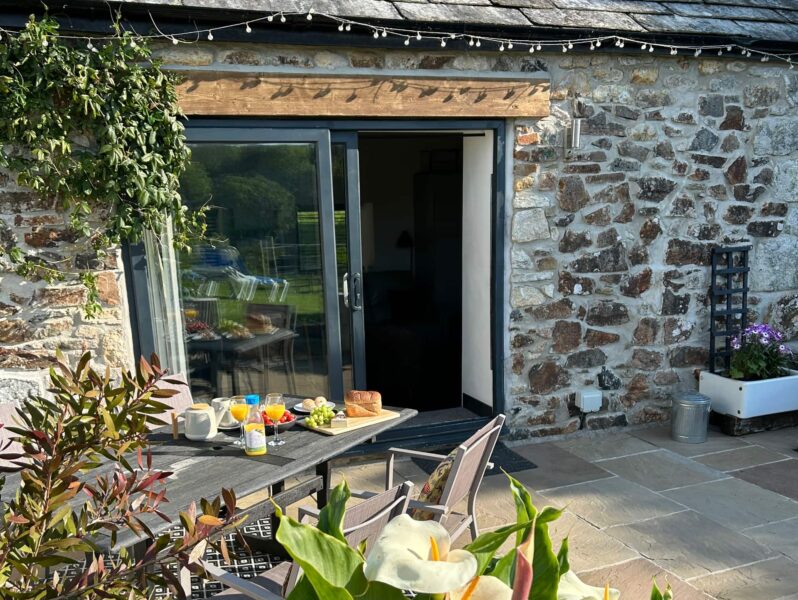
Brannel Cottage
A pair of peaceful Cornish cottage stays in a tucked-away mid-Cornwall hamlet, well placed for days on the coast and quiet evenings back among…

Bumble Down
A lovely take on the shepherd’s hut in rural Cornwall, with a design-led feel that turns a simple countryside stay into something calmer, smarter…

Chy Lowen
A house in inland west Cornwall, made for unhurried gatherings after days on the coast, with generous social spaces and a covered hot tub…
Choosing the right stretch of coast matters in Cornwall. Tide, parking, steps and shelter can change the mood of a beach entirely, so this guide focuses on places that are memorable but also easy to compare.
1. Gyllyngvase Beach, Falmouth
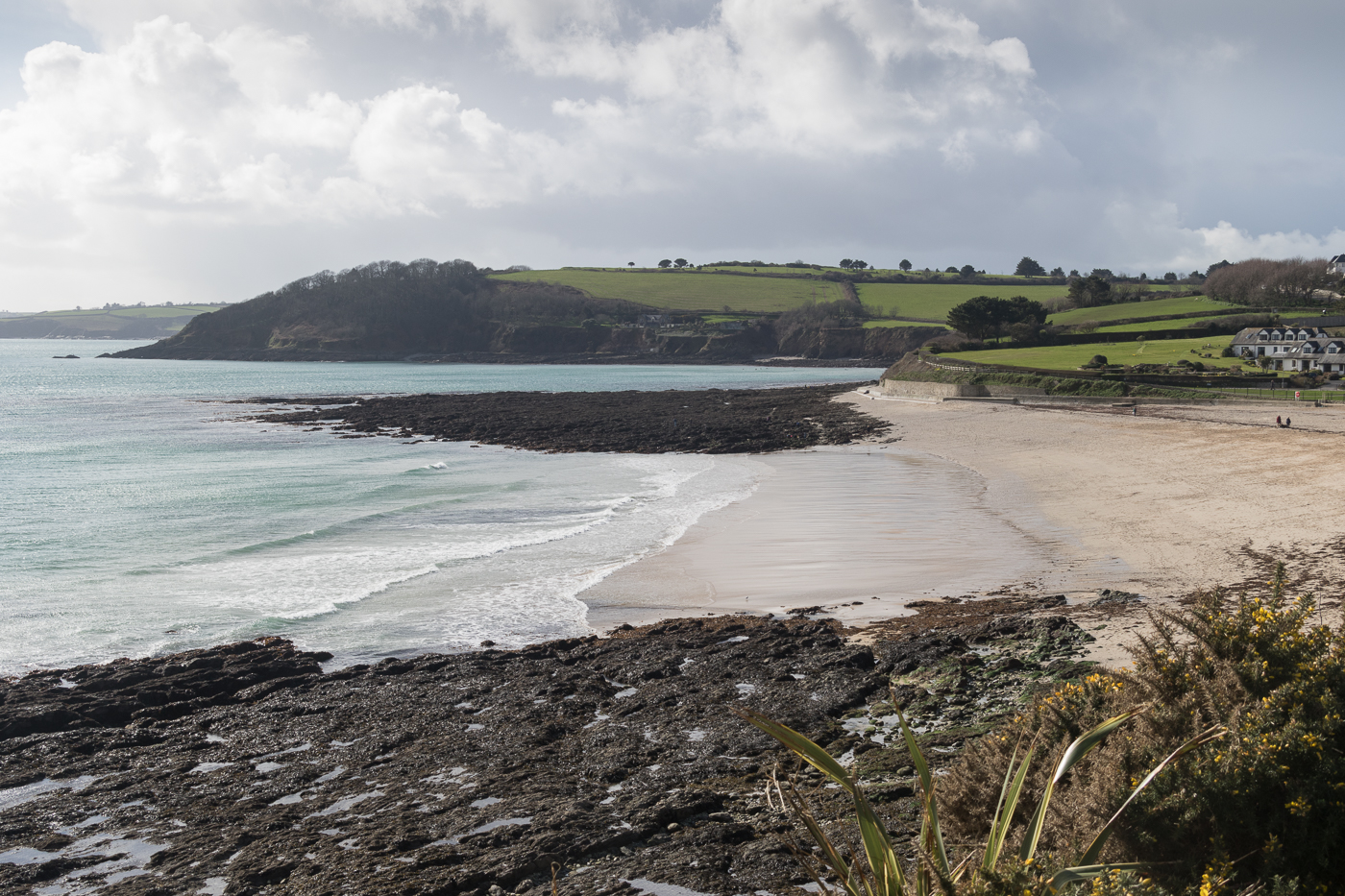
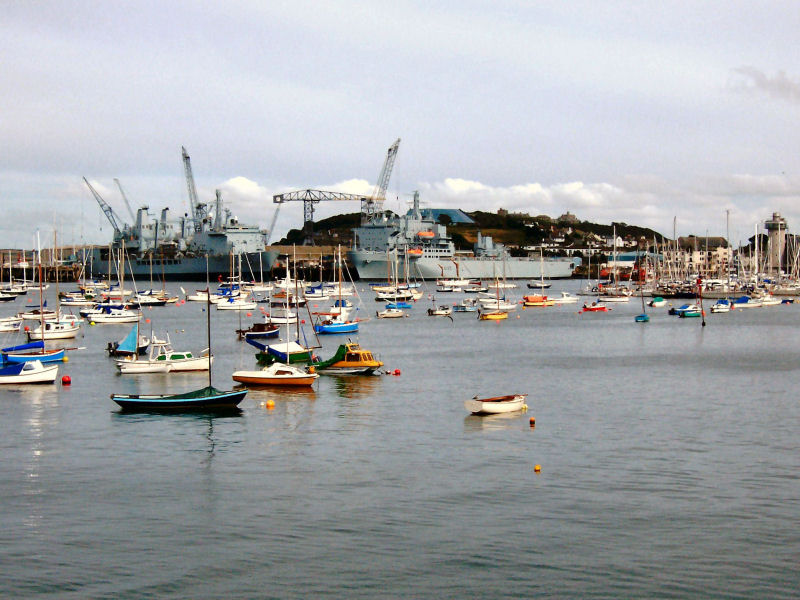
For a classic town beach with good facilities, Gyllyngvase is hard to beat. The water is often calmer than on the north coast, making it a strong choice for swimming, paddleboarding and family time. It is also an easy one to fold into a day in Falmouth.
There is parking nearby, seasonal lifeguard cover, toilets and places to eat close to the sand. In summer, it can feel busy by late morning, but the convenience is the point. Best for guests who want a straightforward beach day without committing to a remote expedition. Nearby tip: wander on to the subtropical gardens at Queen Mary Gardens or continue into Falmouth once the harbour streets grow quieter later in the day.
“In Cornwall, the sea changes character from sheltered swims to full Atlantic theatre.”
2. Porthcurno Beach
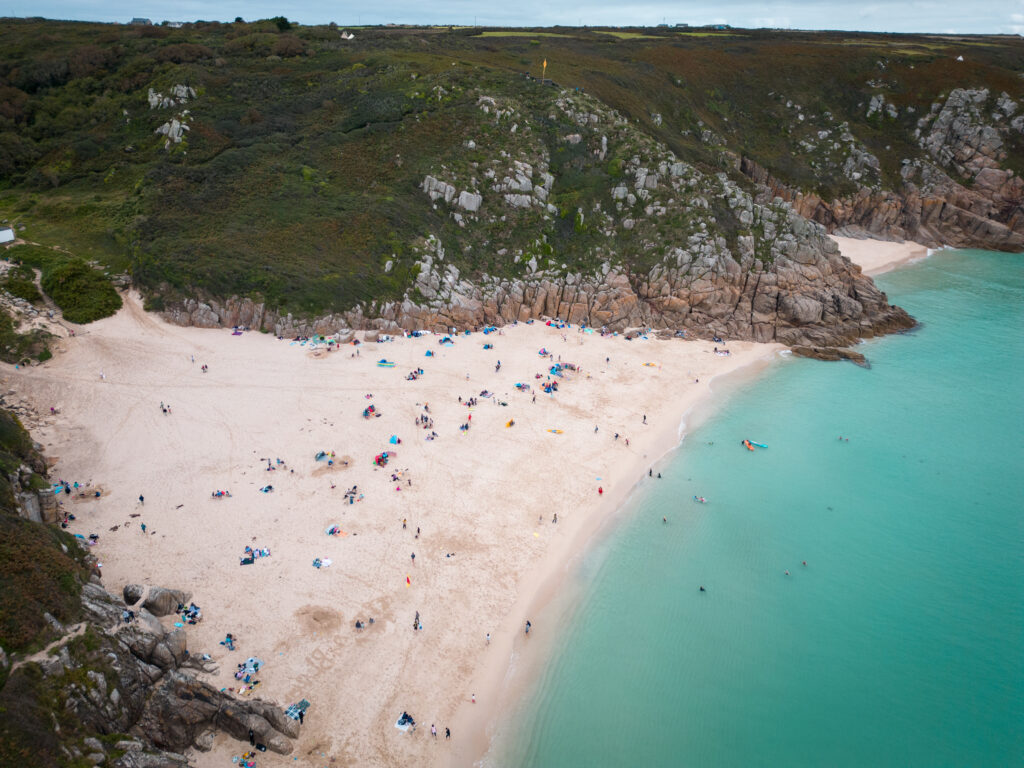
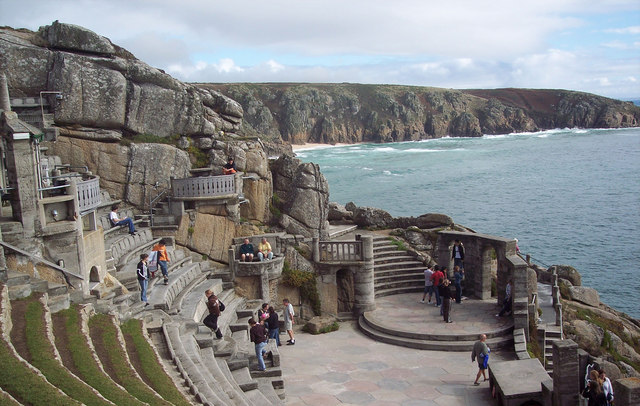
Porthcurno is worth prioritising for scenery. The water can look almost improbably clear on a bright day, framed by steep cliffs and the Minack Theatre above. It suits couples, photographers and confident swimmers more than those after an effortless family base.
Access involves a walk down from the car park, and the return climb is worth factoring in. Toilets are available; parking is limited and fills quickly in peak season. Check tide times, as the beach changes shape notably through the day. Nearby tip: combine it with a visit to the Minack or a short coast path walk towards Logan Rock.
3. Fistral Beach, Newquay
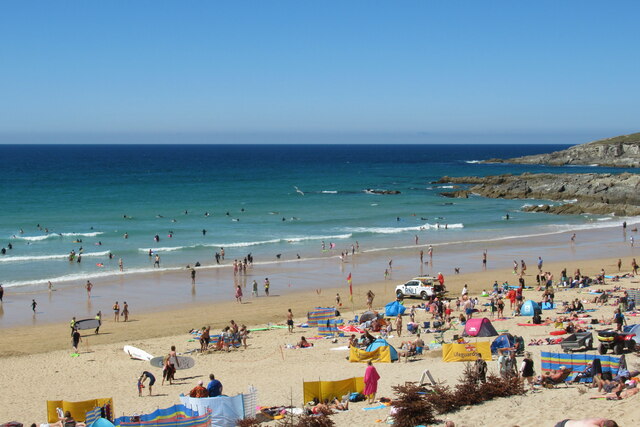
If the priority is surf, this is the obvious Cornwall beaches choice. Fistral has dependable waves, surf schools, equipment hire and a sociable, energetic atmosphere. It is best for surfers, older children and guests happy with a livelier scene.
Conditions are often too powerful for an easy swim, especially when the Atlantic is restless, so this is one to treat with respect. Facilities are excellent, with parking, cafés and toilets. Nearby tip: for a gentler contrast, walk around to Newquay Harbour or Towan Beach.
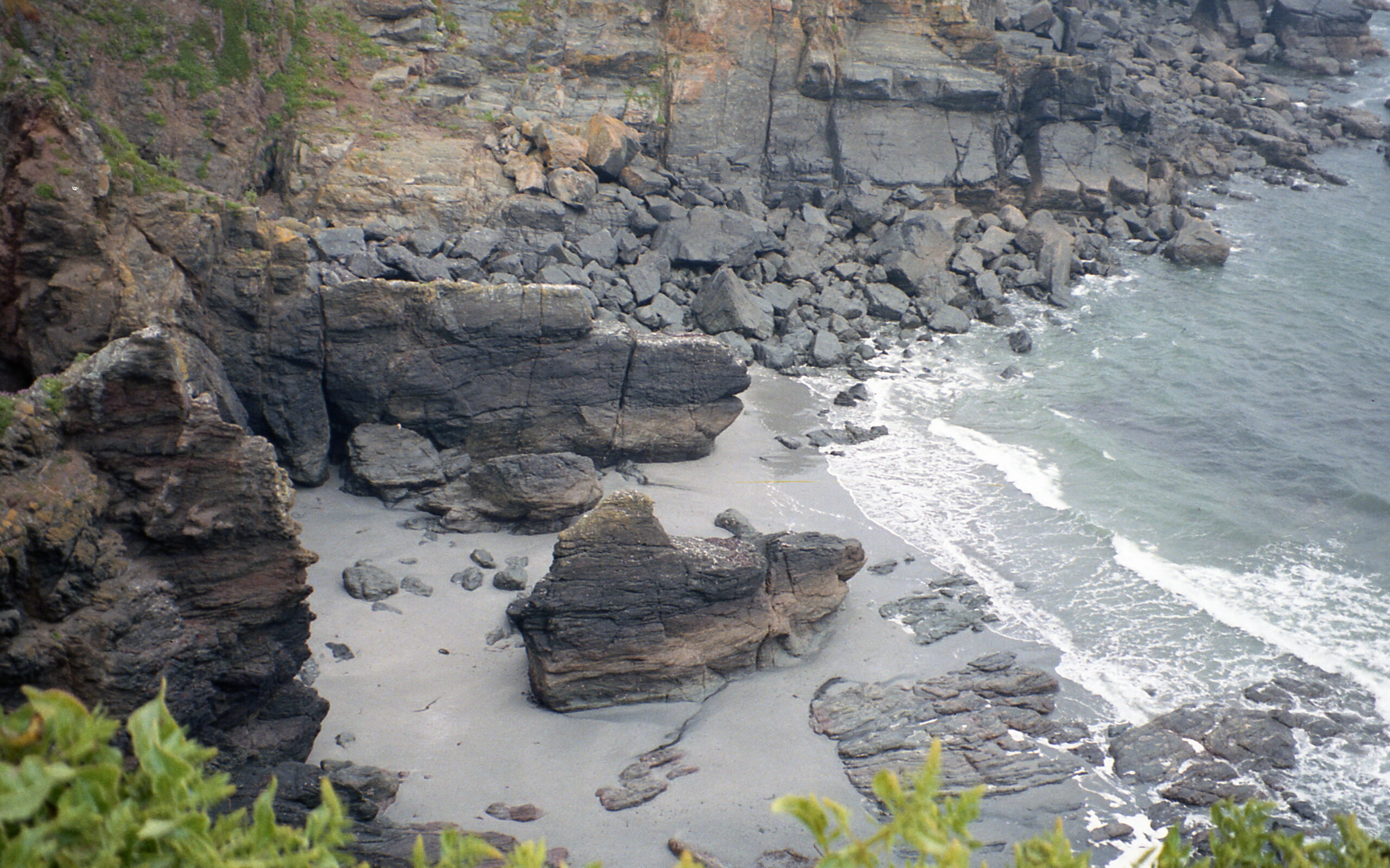
“Clifftop drama, harbour ease and tide-cut coves give Cornwall’s beaches their distinct rhythm.”
4. Perranporth Beach
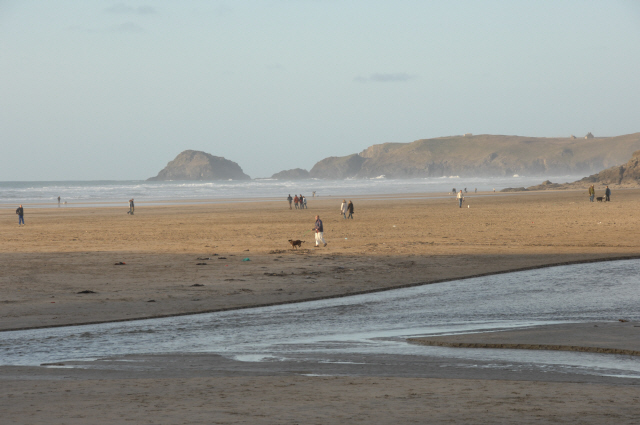
For space, Perranporth works beautifully. Even when busy, there is usually room to spread out, and it suits long walks, family games and mixed-age groups. The dunes behind the beach add a wilder feel, especially when the weather moves quickly across the coast.
There is good access from the village, plus parking, toilets and places to eat. Lifeguards patrol seasonally. As ever on this coast, keep an eye on tides and flags before swimming. Nearby tip: the South West Coast Path towards St Agnes gives a fine change of perspective.
5. Kynance Cove, Lizard Peninsula
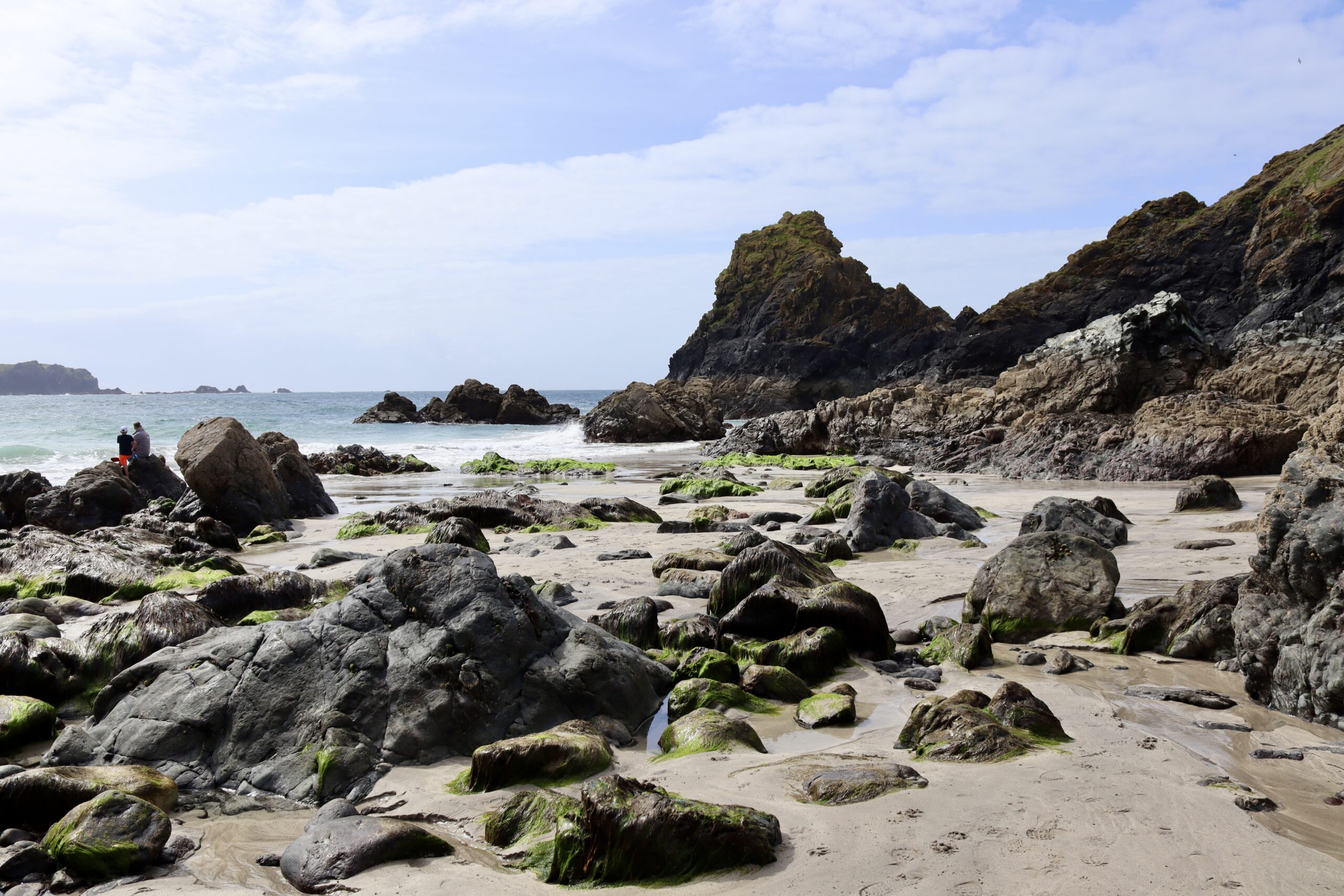
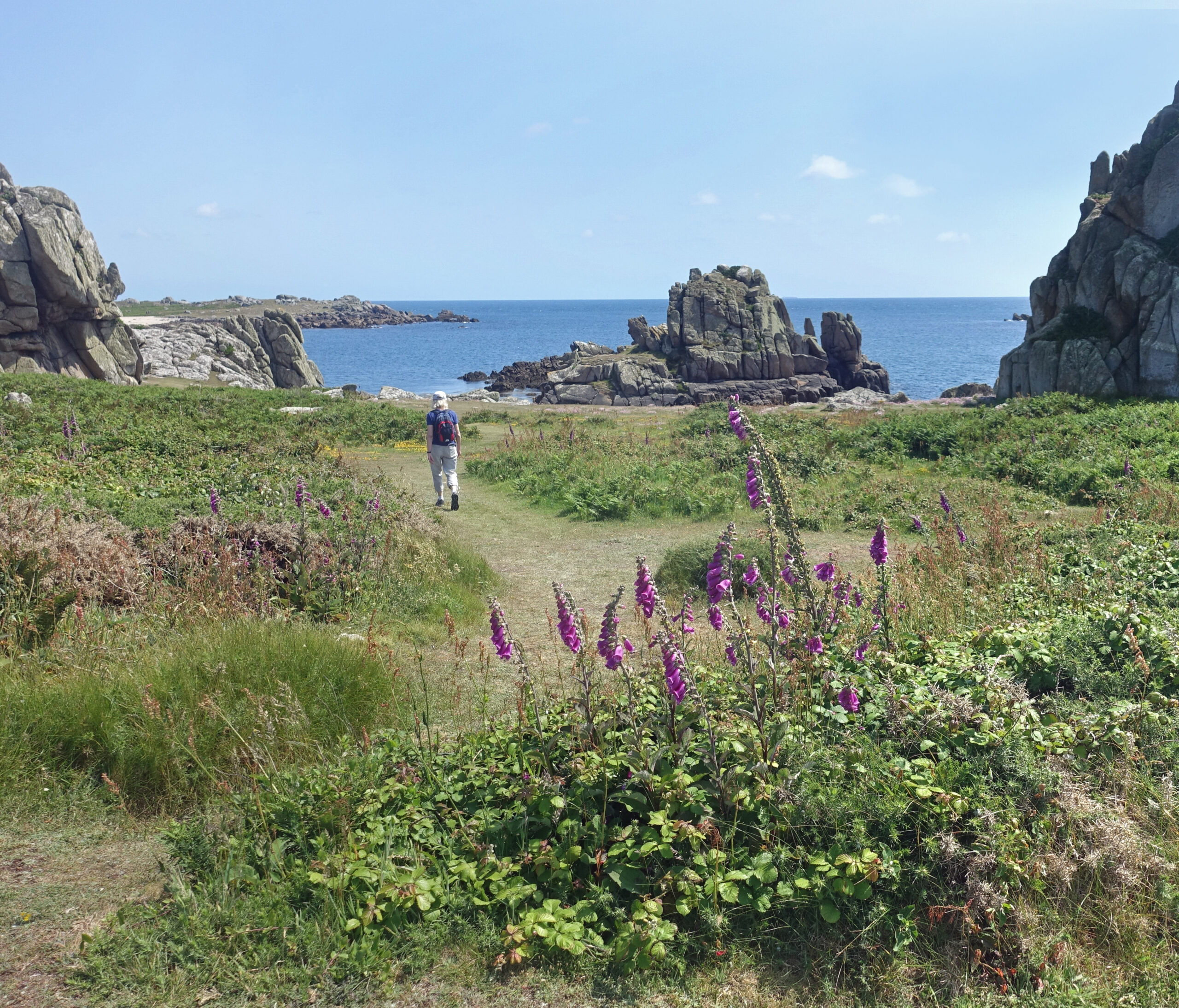
Kynance is one for rock pools, turquoise water and dramatic geology rather than an all-day practical beach setup. At low tide, its coves and islands are most revealing, and the colours are particularly striking against dark serpentine rock.
It is best for scenery, short visits and older children who enjoy exploring. Access is steeper than average, and tide timing matters here more than almost anywhere on this list. Parking can fill fast. Nearby tip: pair it with Lizard Point for a bracing walk and wide sea views.
A final useful note: if easy swimming and facilities matter most, choose the south coast; if surf and bigger drama are the aim, look north. In Cornwall, a little planning usually leads to a much better beach day.
Useful Links
Tourist Information
National Trust
Local Council
Frequently Asked Questions
Which Cornwall beach is best for families with young children?
Gyllyngvase Beach in Falmouth is often one of the easiest family choices, thanks to generally calmer water, nearby parking, toilets and places to eat. Perranporth also works well if you want more space for games and walking. Wherever you go, check lifeguard cover, tide times and the day’s beach flags before swimming.
Where should I go in Cornwall for surfing?
Fistral Beach in Newquay is the best-known choice for surfing, with reliable waves, surf schools and equipment hire usually available nearby. It has a lively atmosphere and strong facilities, but the sea can be powerful, so it is better treated as a surf beach than an easy swimming spot when conditions are rough.
Which Cornwall beach is best for swimming rather than surf?
For a more relaxed swim, the south coast is often the safer bet. Gyllyngvase Beach is a strong option, as the water is commonly calmer than on the north coast. Porthcurno can also be beautiful for confident swimmers on a good day, though access is less straightforward and conditions can still change quickly.
Are any of these beaches difficult to access?
Yes. Porthcurno involves a walk down from the car park, and the climb back is worth bearing in mind, especially with children or beach gear. Kynance Cove is steeper again and suits visitors happy with a more active approach. Gyllyngvase and Perranporth are generally easier if convenience matters most.
Which Cornwall beaches are most affected by the tide?
Tide matters everywhere on the Cornish coast, but it is especially important at Kynance Cove and Porthcurno. Kynance reveals much more of its character at low tide, including rock pools and coves, while Porthcurno can change shape quite noticeably through the day. It is sensible to check tide times before setting out.