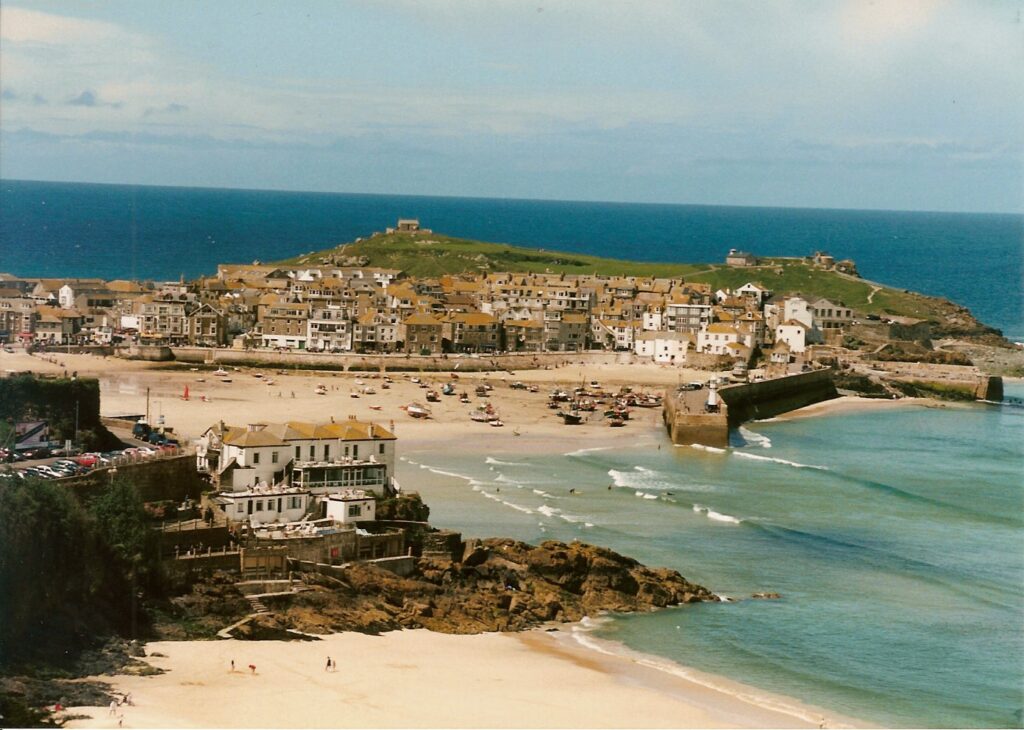
England’s far south-western tip has long drawn holidaymakers for its beaches and subtropical gardens, but Cornwall is more than a summer postcard. This Cornwall guide is a practical starting point for choosing the right coast, the right base and the kind of break that suits the rhythm of the county.
Places to Stay in Cornwall
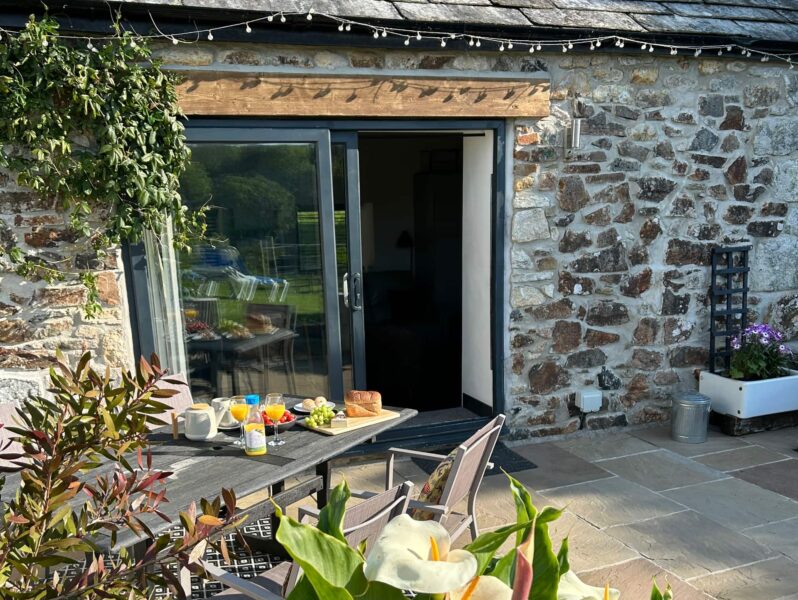
Brannel Cottage
A pair of peaceful Cornish cottage stays in a tucked-away mid-Cornwall hamlet, well placed for days on the coast and quiet evenings back among…
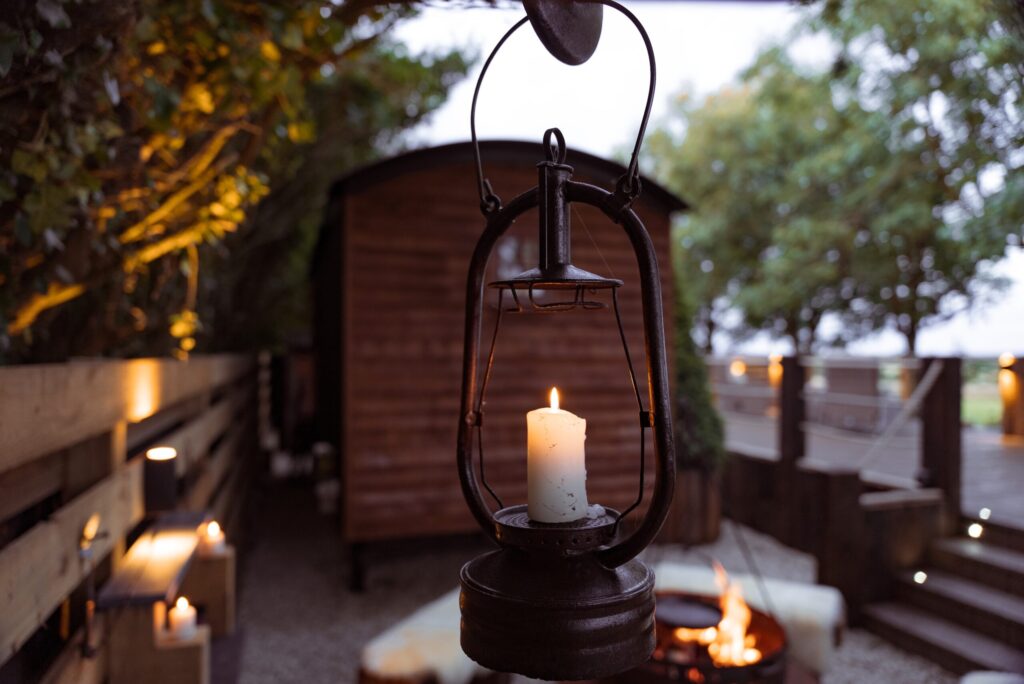
Bumble Down
A lovely take on the shepherd’s hut in rural Cornwall, with a design-led feel that turns a simple countryside stay into something calmer, smarter…
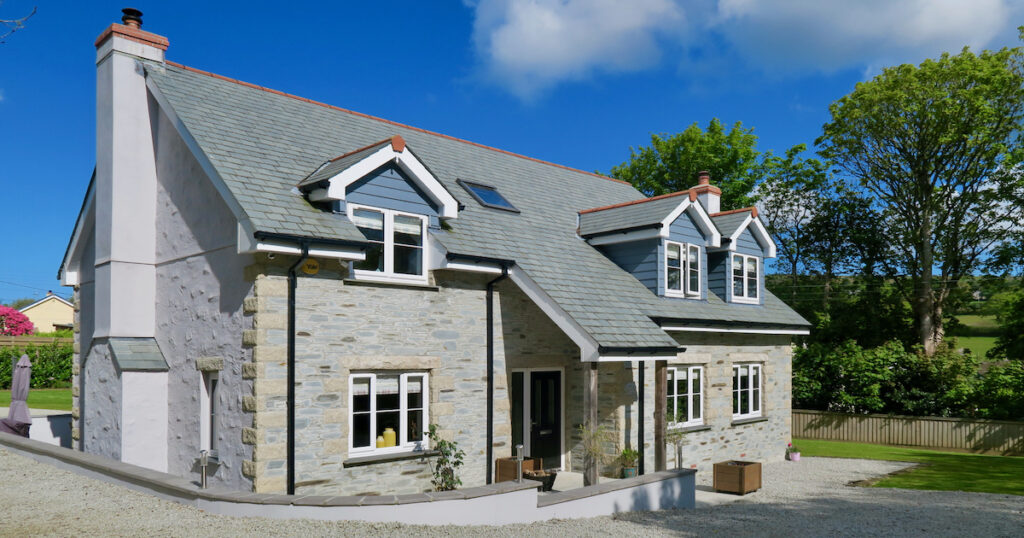
Chy Lowen
A house in inland west Cornwall, made for unhurried gatherings after days on the coast, with generous social spaces and a covered hot tub…
Why visit Cornwall
Cornwall sits beyond Devon, surrounded by sea on three sides, with a long Atlantic edge to the north and calmer inlets and creeks to the south. It is a county shaped by weather, tides and old industries, where mining history, harbour towns, surf beaches and sheltered estuaries all sit within relatively short driving distances.
People come for different reasons. Some want broad beaches and a brisk walk above the surf. Others want pretty fishing villages, garden visits, seafood lunches and coastal drives that end in a good inn. Cornwall suits both, provided expectations are set carefully. Roads can be slow in high season, the weather changes quickly, and a stay that looks close on the map may feel less simple in practice.
For many guests, that variety is the appeal. On one day, light can move across the cliffs in quick silver bands; on another, a harbour settles after the day boats return and the streets become quieter by late afternoon.
Choosing your coast
The first useful decision is whether to stay on the north coast or the south coast.
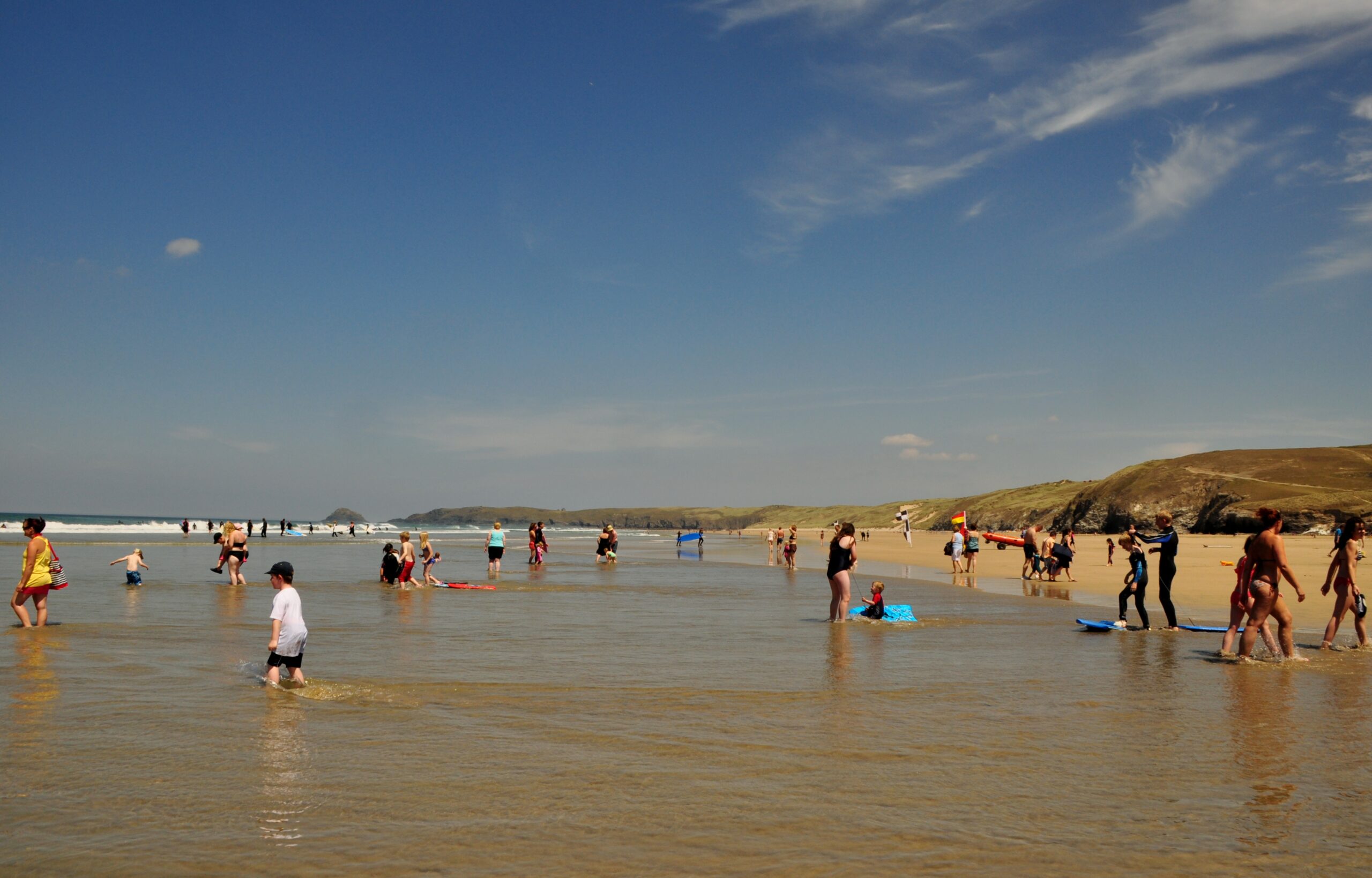
North Cornwall tends to feel wilder and more exposed. This is the coast of surf beaches, high cliffs and open Atlantic weather. Places such as Newquay, Padstow, Bude and St Ives make good sense for guests who want beach time, coastal walking and a livelier summer atmosphere. The sea here can be exhilarating rather than gentle, and families with very young children may prefer beaches with lifeguards and easier conditions.
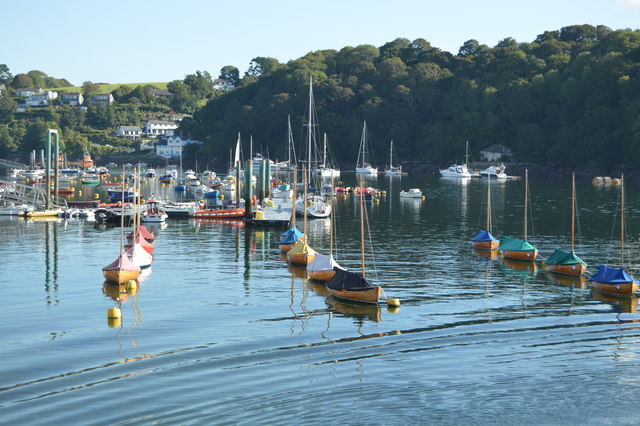
South Cornwall is greener, softer and often more sheltered. Around Fowey, Mevagissey, Falmouth and the Helford River, the landscape folds into creeks, wooded valleys and old ports. This side suits a slower sort of holiday: ferry crossings, estuary walks, garden visits and meals that stretch into the evening. If the north coast is about big horizons, the south is more about inlets and detail.
“In Cornwall, the Atlantic writes the drama while the estuaries supply the hush.”
Where to base yourself
St Ives is one of Cornwall’s most attractive bases, especially outside the busiest school holiday weeks. It combines beautiful beaches with galleries, good places to eat and a compact centre that can be explored on foot. It is worth prioritising for couples, first-time visitors and anyone who wants a classic Cornish setting without relying on the car every day.
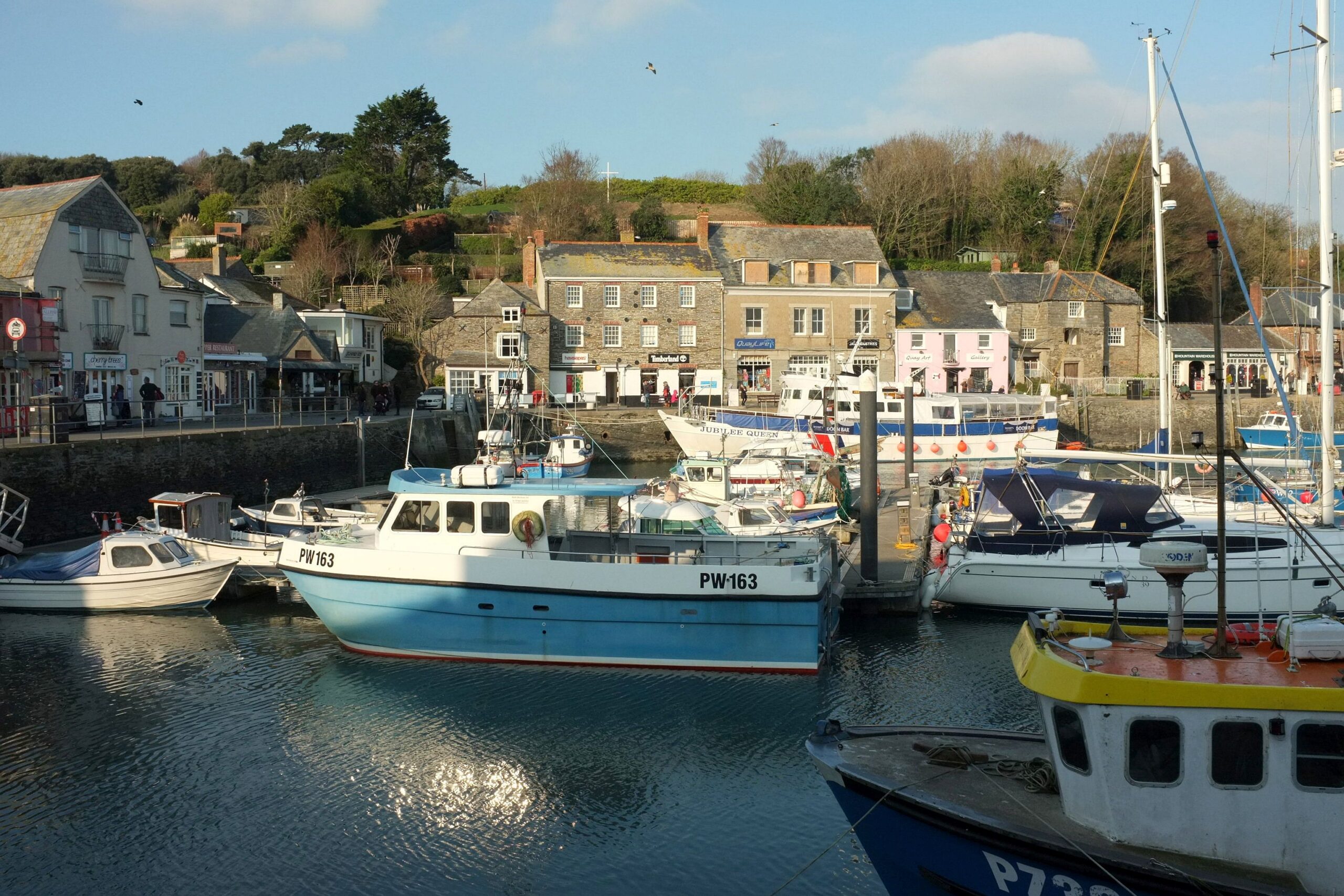
Padstow works well for food-focused breaks and access to north-coast beaches. It can be busy, but it is well placed for day trips to Rock, Polzeath and Port Isaac.
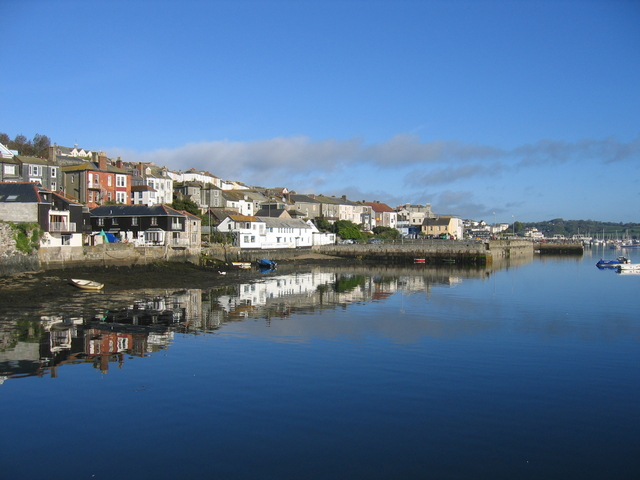
Falmouth is hard to beat for a more rounded stay. It has a proper working-town feel alongside its waterfront setting, with ferries, independent shops, beaches nearby and easy access to the Lizard and south-coast gardens. For guests who like a town with life beyond tourism, it is a strong choice.
Fowey is smaller, handsome and well suited to couples wanting estuary views, good walking and a quieter pace. Newquay is the practical choice for surf culture, younger travellers and families who want several beaches within easy reach.
If the plan is to see a lot of Cornwall, a central south-coast base near Truro or St Austell can be sensible. It may lack the romance of staying right on the water, but journey times are often easier.
Beaches, coast and days out
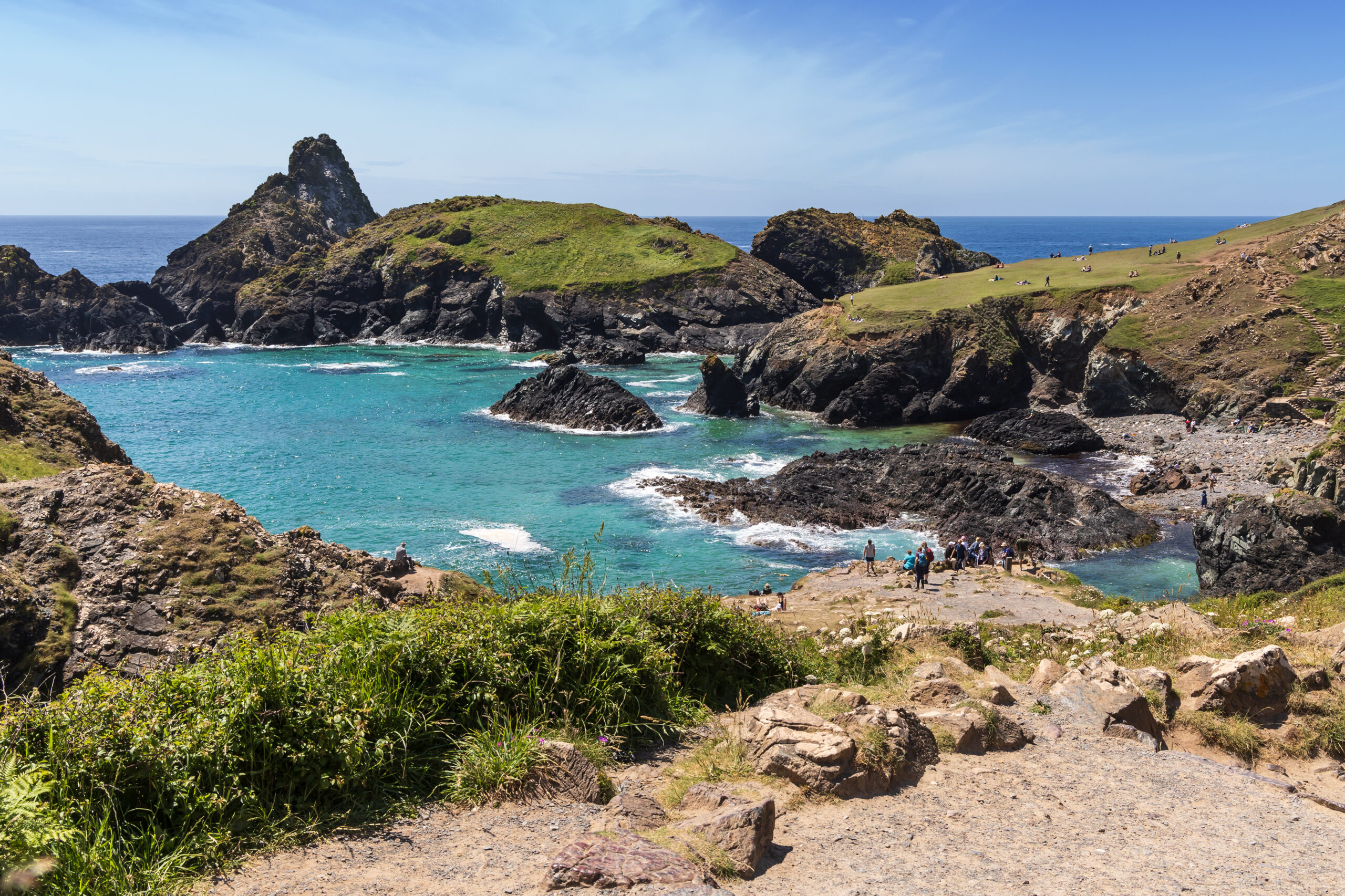
Cornwall’s beaches range from long expanses of sand to small coves reached on foot. On the north coast, Perranporth, Constantine Bay and Watergate Bay are reliable choices for space and sea air. For dramatic scenery, Kynance Cove on the Lizard remains one of the county’s most memorable coastal landscapes, though it is best approached early or out of peak season.
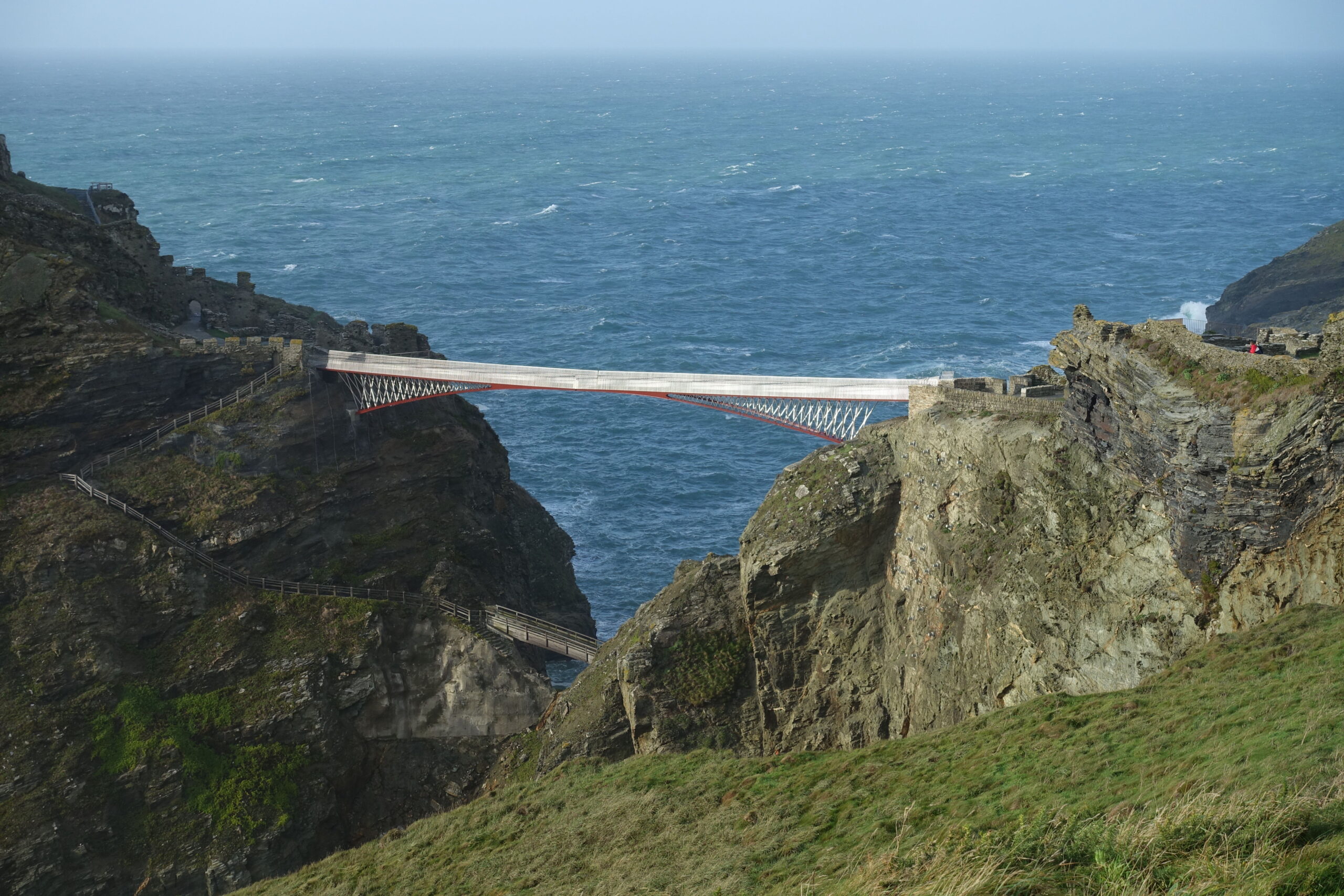
Walkers should look to the South West Coast Path, choosing shorter sections rather than trying to cover too much ground. The stretch around Tintagel offers myth, cliffs and sea views; the route from St Ives towards Zennor gives a strong sense of Cornwall’s granite edge.
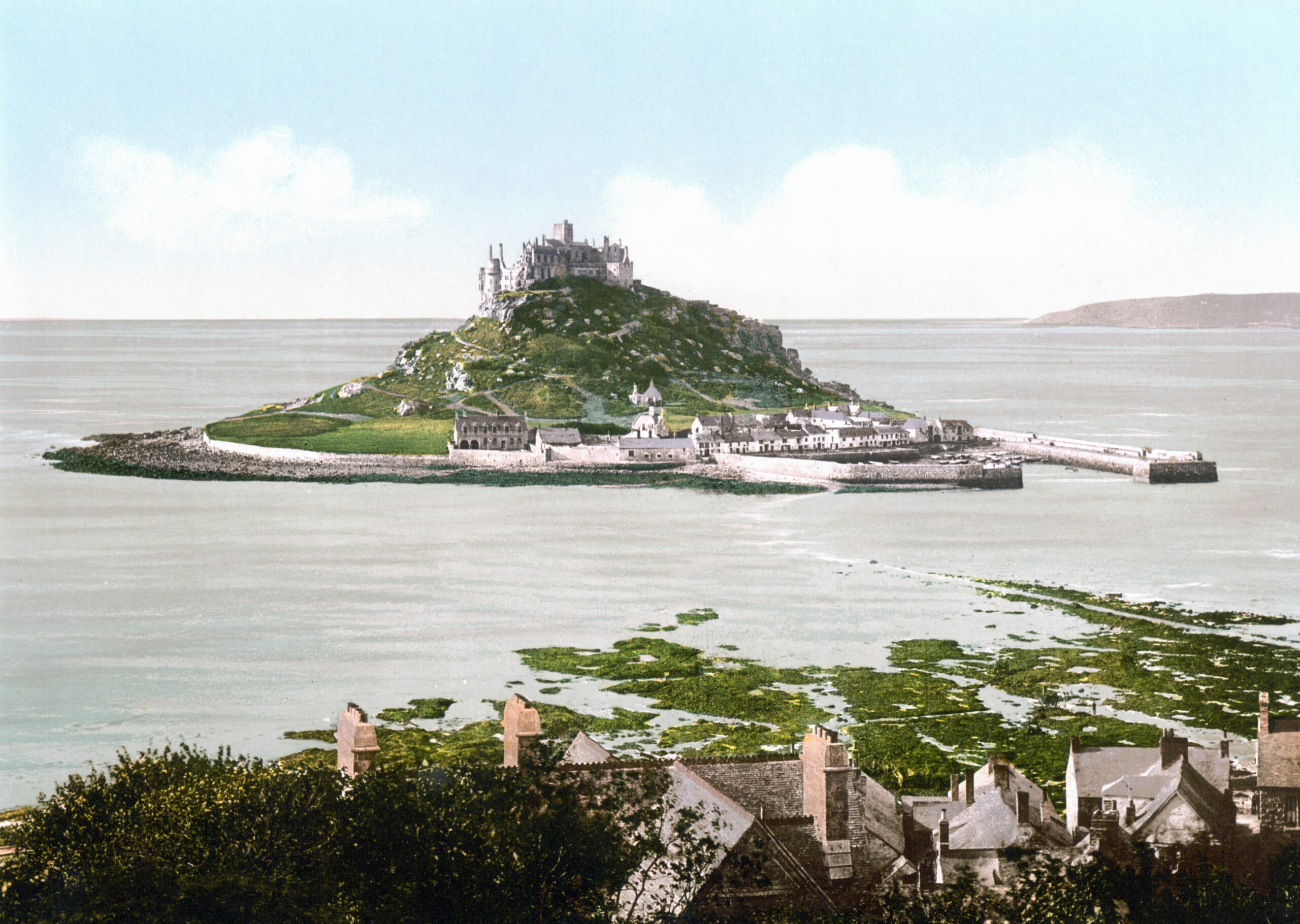
Two major attractions are worth building into a first trip. The Eden Project, near St Austell, is still one of Cornwall’s most interesting all-weather visits, especially for families and curious gardeners. Mount St Michael, near Marazion, offers one of the county’s defining views: a tidal island crowned by castle and church, shifting character with the state of the sea.
Food and drink
Food is one of Cornwall’s strongest reasons to travel well. Seafood is the obvious draw, but the county also does simple lunches, bakery stops and destination dining particularly well. Harbour towns such as Padstow, Fowey and St Ives are dependable for fish restaurants, while inland villages often hide good pubs that make a useful break from the coast.
A proper Cornish pasty is still worth seeking out from a respected local bakery rather than treating it as a souvenir snack. Cream teas appear everywhere, though local custom matters. There is also a growing vineyard and craft brewery scene, particularly around the gentler landscapes of the south.
For guests planning around meals, lunch can often be easier than dinner in peak season. The most popular places book up early, and parking is usually simpler if the day is structured around one main destination rather than several short stops.

“Between mine stacks and fishing harbours, Cornwall feels shaped as much by labour as light.”
Family-friendly ideas and rainy-day options
Cornwall works very well for families, especially those happy to mix beach time with simple outings. Rock pooling, boat trips, seal-spotting cruises and easier coast-path walks all suit different ages. The Eden Project is an obvious rainy-day standby, but it earns its place. The National Maritime Museum Cornwall in Falmouth is another useful option when the weather closes in.
Older children may enjoy surf lessons around Newquay or Polzeath, while younger families often do better on the south coast, where the water and pace can feel gentler. If a day turns wet, Cornwall’s old houses, galleries and smaller museums come into their own. St Ives is particularly good for this, where a beach morning can shift neatly into an afternoon of art and cafés.
Throughout the seasons
Summer brings the classic Cornwall holiday, but also traffic, fuller beaches and higher accommodation prices. June and September are often the most balanced months, with long daylight, swimmable water for many guests and slightly more room to breathe.
Spring is excellent for gardens, walking and quieter towns. Autumn can be glorious on clear days, especially on the north coast when the sea still holds some warmth. Winter is a different proposition altogether: storm-watching, empty paths and harbour towns that feel more local once the seasonal crowds have gone. Some attractions and restaurants reduce opening hours, but the atmosphere can be rewarding.
Planning your journey
Cornwall is reachable by car, train and air, but getting around within the county needs thought. A car gives the greatest freedom, particularly for beaches, rural stays and mixed itineraries. Distances are not huge, yet narrow roads and summer traffic make travel slower than many expect.
Trains work well for major bases such as St Ives, Penzance, Truro, Falmouth and Newquay, especially if the intention is to stay put and explore locally. The branch line to St Ives is particularly scenic and avoids difficult parking. Visitors arriving without a car would choose a rail-connected base and rely on walking, ferries and occasional taxis rather than trying to cover the whole county.
A few good short breaks
For a first long weekend, St Ives and west Cornwall make an easy combination: beaches, galleries, the drive or train west towards Penzance, and a visit to Mount St Michael.
For food and north-coast scenery, Padstow with detours to Constantine Bay, Port Isaac and one well-chosen coast walk works well over three days.
For a gentler break, Falmouth and the south coast offer enough variety for four nights: harbour life, beach time, gardens, the Helford area and a day at the Eden Project.
Cornwall rewards choosing a corner rather than attempting the whole map at once. The most satisfying stays usually come from matching the base to the season, then leaving enough time for weather, tides and appetite to shape the day.
Useful Links
Tourist Information
National Trust
English Heritage
Local Council
Frequently Asked Questions
Which part of Cornwall is best for a first visit?
That depends on the sort of break you want. The north coast suits big beaches, surf and dramatic cliff scenery, while the south coast is generally calmer, greener and better for creeks, gardens and harbour towns. For many first-time visitors, St Ives, Falmouth or Padstow make straightforward bases with plenty nearby.
Is Cornwall better on the north coast or the south coast?
Neither is better in absolute terms; they simply feel different. The north coast is wilder, more exposed and usually better for surf beaches and Atlantic views. The south coast tends to be more sheltered, with estuaries, ferries and a gentler pace. Families with very young children often find parts of the south coast easier.
Do I need a car in Cornwall?
A car is useful if you want to combine beaches, villages and rural sights, as distances can feel longer than they look. That said, it is possible without one if you choose a rail-connected base such as St Ives, Falmouth, Truro or Penzance and plan to explore locally on foot, by ferry and by occasional taxi.
When is the best time to visit Cornwall?
June and September are often the most balanced months, with long days, relatively mild sea temperatures and fewer crowds than peak summer. Spring is excellent for gardens and walking, while autumn can be lovely for coastal scenery. Summer brings the classic beach holiday, but also heavier traffic and busier resorts.
Where should I stay in Cornwall for beaches and walking?
St Ives works well if you want attractive beaches, a walkable centre and access to good coastal paths. Padstow is another strong choice for north-coast scenery and nearby beaches such as Constantine Bay. If you prefer a livelier surf atmosphere with several beaches close together, Newquay is often the practical option.
What are the best family-friendly things to do in Cornwall?
Beach days, rock pooling, boat trips and short coast-path walks are reliable choices for many ages. The Eden Project is a useful all-weather option, and the National Maritime Museum Cornwall in Falmouth can be a good fallback on wet days. Older children may enjoy surf lessons, while younger families often prefer more sheltered south-coast spots.
What should I do in Cornwall if the weather turns wet?
Rain need not spoil a stay. The Eden Project is one of the strongest indoor or mixed-weather options, and Falmouth’s maritime museum is another good choice. Harbour towns such as St Ives also work well for a slower day of galleries, cafés and browsing, especially if the morning improves enough for a short beach walk.
How many days do you need in Cornwall?
A long weekend is enough for one corner of Cornwall, especially if you base yourself well and keep plans simple. Four to seven days gives more room for beaches, a coast walk, one or two major sights and some unplanned time for weather and tides. Trying to cover the whole county in one short trip usually feels rushed.